Why Precision Weighing Is Essential for Modern Quality Control
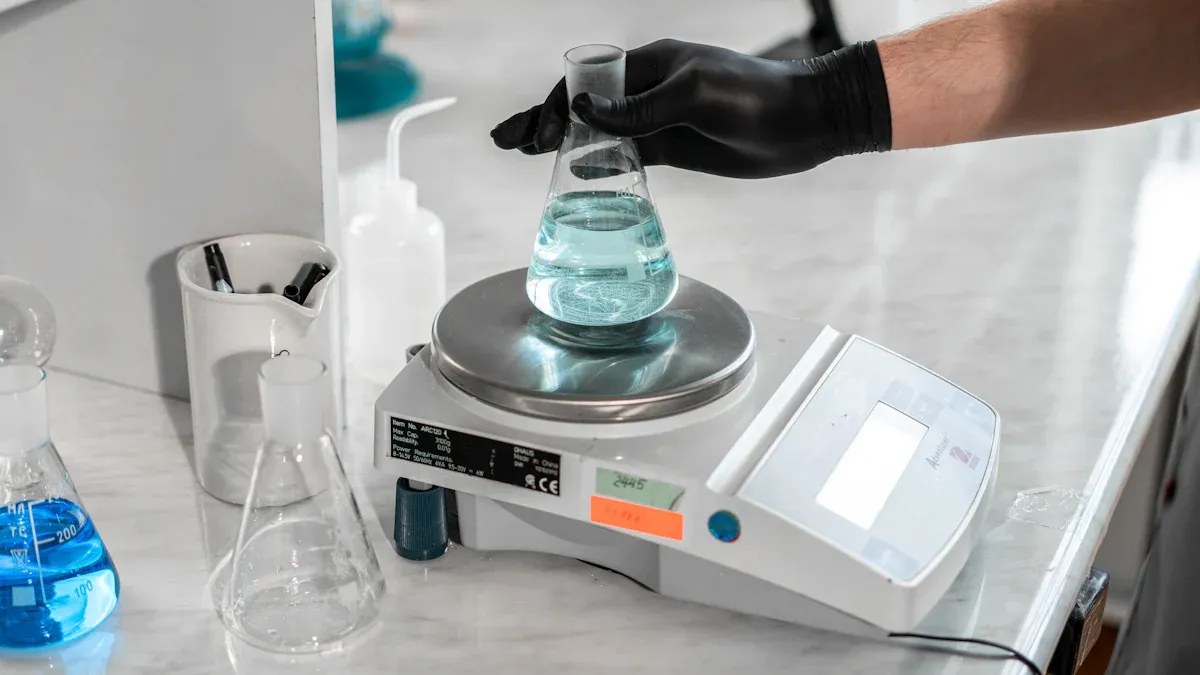
Precision weighing guarantees product consistency. It ensures every item meets exact specifications. Companies use a High Accuracy Checkweigher to meet strict regulatory standards. This process avoids significant financial penalties. A High Accuracy Checkweigher for Food Bag also prevents profit loss by eliminating product giveaway and protecting brand integrity.
Key Takeaways
- Precision weighing helps companies follow rules for product weight. This avoids big fines and product recalls.
- Accurate weighing stops companies from giving away too much product. This saves money and makes more profit.
- Using a High Accuracy Checkweigher builds trust with customers. It also makes production run better.
Ensure Compliance and Maximize Profitability
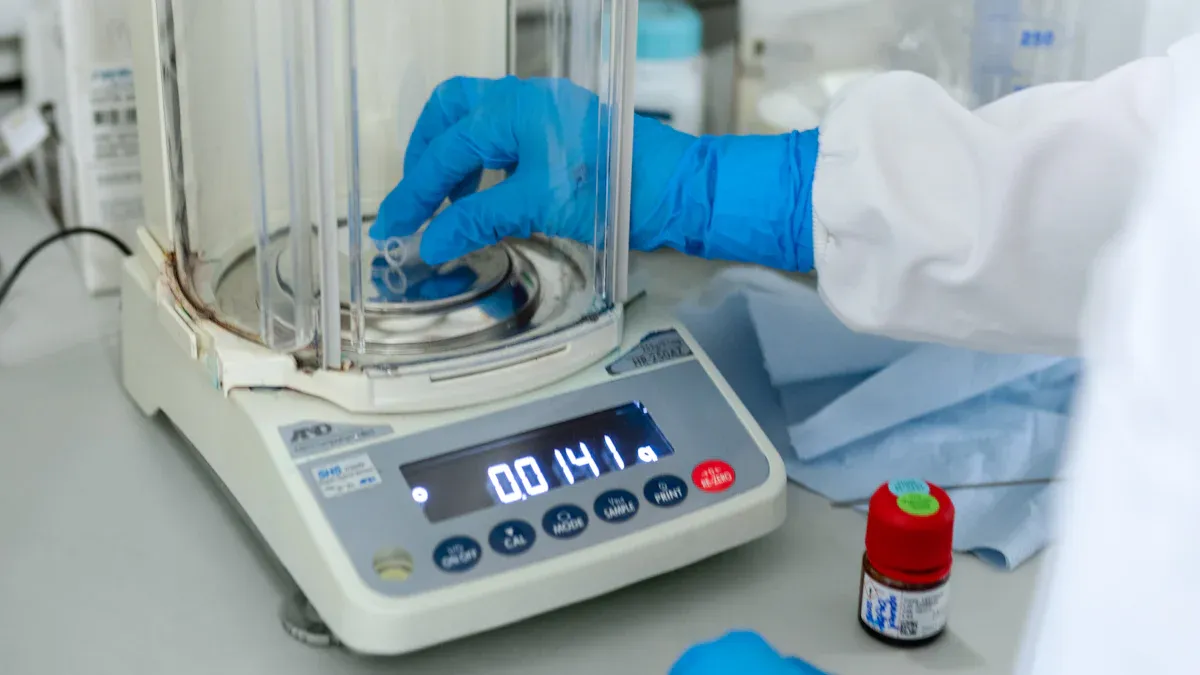
Precision weighing is a cornerstone of regulatory compliance and financial health. Companies that master it not only adhere to legal standards but also unlock significant opportunities for profit growth. They transform a quality control requirement into a powerful business advantage.
Meet Strict Net Weight Regulations
Governments worldwide enforce strict rules for the net weight of packaged goods. In the United States, the Food and Drug Administration (FDA) and the United States Department of Agriculture (USDA) are the primary enforcement agencies. The FDA manages labeling for most food products. The USDA regulates meat, poultry, and egg products. Both agencies mandate specific guidelines for net weight statements, including placement, font size, and dual declaration in both U.S. customary and metric units.
The European Union uses a different approach called the Average Weight System. This system allows for minor weight deviations. It permits a variance of ±2.5% for packages under 100 grams and ±1% for larger packages. Products compliant with these rules display the ℮-mark on their packaging, signaling adherence to EU standards. A High Accuracy Checkweigher is an essential tool for manufacturers to consistently meet these precise legal requirements in any market.
Avoid Costly Fines and Recalls
Failure to meet net weight regulations carries severe financial consequences. A single product recall can be devastating. The average food recall costs a company approximately $10 million in direct expenses. This figure covers retrieving and disposing of products. It does not include the additional costs from lawsuits, regulatory fines, or lost sales, which can escalate the total financial damage.
Regulatory bodies ensure compliance through rigorous audits. Government agencies often conduct unannounced inspections to verify that manufacturers follow mandatory safety and labeling regulations. Non-compliance can lead to immediate enforcement actions.
During an audit, inspectors perform several critical checks:
- They verify the existence and documentation of quality control procedures.
- They confirm that all weighing equipment is sufficient, properly calibrated, and operational.
- They may conduct a complete test of a randomly selected device on the production line.
These audits are designed to protect public health and uphold the law. Installing a High Accuracy Checkweigher provides a verifiable system that helps companies pass these inspections and avoid the catastrophic costs of a recall.
Eliminate Product Giveaway and Boost Margins
Beyond compliance, precision weighing directly impacts a company's bottom line. Overfilling packages, even by a small amount, creates "product giveaway." This giveaway represents lost profit on every unit shipped. A High Accuracy Checkweigher identifies and prevents this waste, ensuring each package contains the exact amount of product required.
By optimizing the filling process, companies can achieve substantial cost savings and improve efficiency. Precision weighing technology helps manufacturers:
- Minimize the overfeeding of expensive binders or fillers, which directly reduces material costs.
- Prevent the creation of off-spec batches that would require costly rework or disposal.
- Lower disposal expenses for unusable product mixes.
- Enable precise material proportioning to ensure every batch meets design targets without excess.
This level of control allows businesses to order materials closer to their actual needs. This practice avoids overstocking, reduces storage costs, and protects materials from degrading over time. Ultimately, a High Accuracy Checkweigher helps turn potential losses into measurable gains, boosting profit margins on every production run.
Protect Brand Reputation and Enhance Efficiency

Precision weighing extends beyond compliance and profitability. It is a strategic tool for building a resilient brand and streamlining production. Companies that invest in accurate weighing protect their reputation. They also unlock new levels of operational efficiency.
Build Consumer Trust with Consistent Quality
Consumers expect reliability. Consistent quality in a product builds a strong foundation of customer trust. This trust encourages repeat business and fosters brand loyalty. When customers can depend on a brand to meet their expectations every time, they are less likely to switch to a competitor. Brands like Starbucks built their global reputation on this principle. A customer trusts they will receive the same quality product regardless of location.
Inconsistent product content, however, quickly erodes that trust. Research shows that 81% of customers consider trust a pivotal factor in their purchasing decisions. An underfilled package makes a customer feel cheated. It creates a negative opinion of the brand. This damage is difficult to reverse. It diminishes consumer confidence and can lead to customer churn.
Inconsistent product details, from weight to packaging, make a brand appear unreliable. Studies show 75% of global shoppers form negative opinions about a brand when they encounter inaccurate product information. Consistency signals professionalism and reinforces a positive brand perception.
Use a High Accuracy Checkweigher to Safeguard Your Brand
A High Accuracy Checkweigher is a company's first line of defense in protecting its brand. This technology ensures every product leaving the factory meets the exact weight specifications promised to the consumer. It acts as a quality gatekeeper, safeguarding brand integrity.
Modern checkweighers use advanced features to guarantee precision and reliability.
- Precision Technology: They utilize high-sensitivity load cells to detect even minor weight deviations.
- High-Speed Operation: Dynamic weighing systems maintain accuracy without slowing down high-volume production lines.
- Automation and Efficiency: They integrate seamlessly into the production flow, eliminating the need for slow and error-prone manual checks.
A key feature for brand protection is the automatic rejection system. This system identifies and removes any out-of-spec product from the line without interrupting production. It ensures non-compliant items never reach the market. Common rejection mechanisms include:
- Air-Jet Rejection: Uses a blast of air to remove lightweight, non-conforming products.
- Pusher Rejection: Employs a mechanical arm to push heavier, out-of-tolerance items off the conveyor.
- Diverter Rejection: Uses a swinging arm to guide products to a separate rejection lane.
This automated process provides a verifiable safeguard against shipping substandard goods, protecting both consumers and the company's reputation.
Leverage Real-Time Data for Process Optimization
A High Accuracy Checkweigher does more than just inspect finished goods. It is a powerful data collection point that provides actionable insights for process improvement. These systems offer real-time monitoring and reporting, empowering production managers to make informed decisions.
The data captured provides a complete picture of production line health. Managers can track:
- Individual product weights in real-time.
- Weight trends and variations over a production run.
- Statistical data like average weight and standard deviation.
- Counts of accepted and rejected packages.
Manufacturers use this data to identify and correct inefficiencies in upstream processes, particularly at the filling station. For example, a consistent trend of slight overfilling points to a calibration issue with a filler. A feed-rate control system can use weight data from the checkweigher to create a feedback loop. This loop automatically adjusts the filling process to compensate for material density changes or mechanical wear, preventing overfill and underfill errors before they happen. For advanced analysis, this data integrates with Statistical Process Control (SPC) software, turning a quality control step into a continuous improvement engine.
Precision weighing is a strategic business imperative, not just a quality control step. It is essential for maintaining compliance, maximizing profitability, and securing a strong brand reputation.
Integrating these systems is a direct investment in a company's future. As smart factories evolve, precise weight data becomes crucial for driving operational efficiency and data-driven decisions.
FAQ
What is the difference between static and dynamic weighing?
Static weighing measures a stationary product for high precision. Dynamic weighing measures a product in motion on a conveyor, maintaining production line speed and throughput.
How often should a company calibrate its checkweigher?
Companies should follow the manufacturer's guidelines for calibration. High-use systems may require more frequent checks. Regular calibration ensures consistent accuracy and compliance with industry standards.
Can a checkweigher detect more than just weight?
Yes. Advanced systems can integrate other quality checks. Combination checkweigher and metal detector units identify weight issues and metal contaminants simultaneously, boosting product safety and efficiency.
See Also
Understanding Pharmaceutical Checkweighers: Key Features and Critical Functions Explained
Essential Industrial Checkweighers: Three Must-Have Systems for Food Processing Plants
Prospective Capsule Checkweighers: Top Choices for Buyers to Evaluate in 2025
Enhancing Metering Precision: The Role of Manganin Copper Shunts Explained
Automatic UV Coaters: Indispensable for Achieving High-Speed Printing Excellence