Heat Exchanger Maintenance Program Essentials for Peak Efficiency
A successful heat exchanger maintenance program ensures sustained operational reliability and peak efficiency. This proactive strategy is built on several essential pillars:
- Regular Inspections: Technicians conduct scheduled checks to detect fouling, corrosion, and leaks before they escalate.
- Systematic Cleaning: Established protocols restore optimal heat transfer performance.
- Preventative Repairs: Scheduled measures extend equipment lifespan and prevent unexpected failures.
Core Maintenance Tasks for Optimal Performance
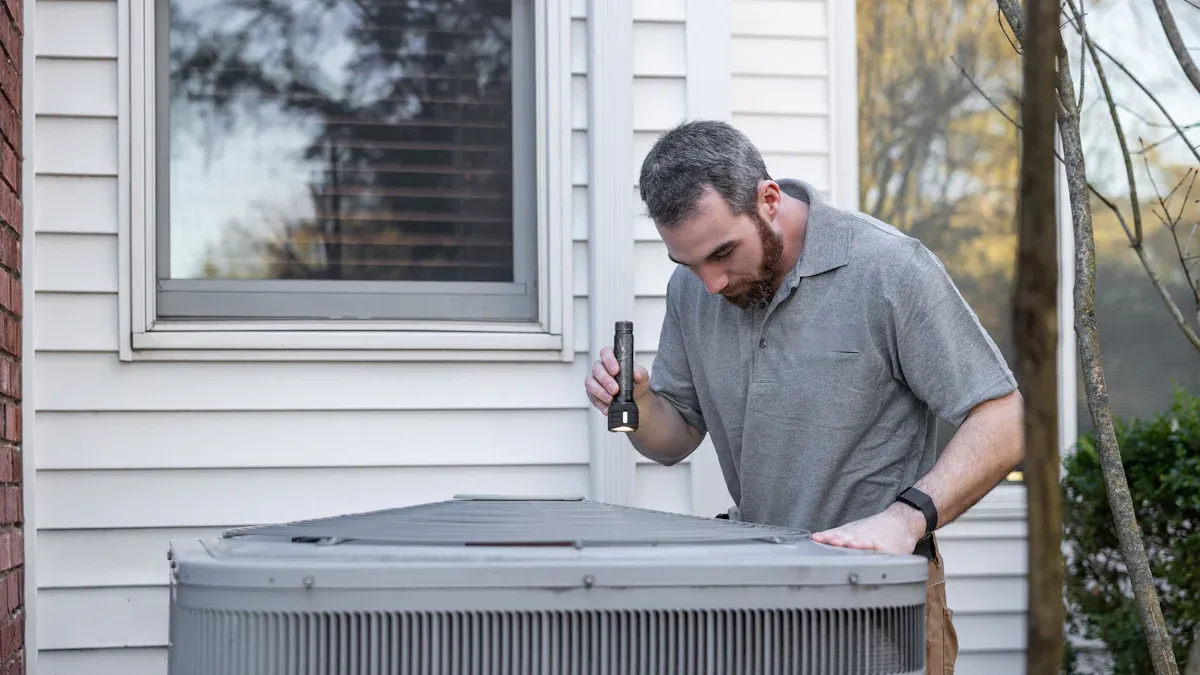
A proactive approach to maintenance is fundamental for sustaining the long-term health and efficiency of heat exchangers. This involves a disciplined cycle of inspection, monitoring, and cleaning. These core tasks help operators detect performance degradation early and take corrective action to restore optimal function, preventing costly downtime and extending the equipment's service life.
Scheduled Inspections and Performance Monitoring
Regular inspections are the cornerstone of any effective heat exchanger maintenance program. They provide the critical data needed to understand equipment condition and predict potential failures. A comprehensive inspection strategy combines routine operational checks with advanced non-destructive testing (NDT) methods.
Operators should continuously monitor key performance indicators (KPIs) like fluid temperatures and pressure drops. A gradual increase in pressure drop or a decrease in outlet temperature often signals internal fouling or blockages. Thermal imaging technology offers a powerful, non-invasive way to monitor performance. It assesses heat distribution across the exchanger, quickly revealing inconsistencies that point to inefficient operation or internal plugging.
For more in-depth analysis, especially during planned shutdowns, technicians employ several NDT techniques to assess the internal integrity of tubes and other components.
- Visual Inspection: This is the most basic method. Technicians open the unit and visually check for obvious signs of damage, such as corrosion, pitting, or visible leaks. Small cameras and video endoscopes can be inserted into tubes to inspect the inner surface condition.
- Eddy Current Testing (ECT): This popular technique uses electromagnetic induction to find flaws. A probe is inserted into a tube and detects variations in the tube wall, identifying issues like corrosion, erosion, and cracks without damaging the component.
- Ultrasonic Testing (UT): This method uses high-frequency sound waves to measure tube wall thickness and locate defects. A specific UT method, the Internal Rotary Inspection System (IRIS), is highly effective for all material types. It provides a visual map of the tube wall, clearly showing the size and location of any internal or external defects.
These advanced methods provide a precise diagnosis of the exchanger's health.
| Abbreviation | Method |
|---|---|
| ECT | Eddy Current Test |
| ECA | Eddy Current Array |
| IRIS | Internal Rotary Inspection System |
| RFT | Remote Field Testing |
A Helium Leak Test can also be performed on an entire unit to rapidly confirm the presence of a leak. If one is detected, technicians can then test individual tubes to pinpoint the exact source.
Systematic Cleaning to Combat Fouling
Fouling is the accumulation of unwanted material on heat transfer surfaces. This buildup acts as an insulating layer, creating thermal resistance that degrades the heat transfer coefficient and reduces efficiency. A systematic cleaning strategy is essential to combat this universal problem. The choice of cleaning method depends on the type of fouling, the heat exchanger's design, and the materials of construction.
Safety First! Chemical cleaning requires strict safety protocols. Always isolate and depressurize the unit, allow it to cool, and drain it completely. Technicians must wear appropriate Personal Protective Equipment (PPE), such as gloves and safety goggles, and ensure the work area is well-ventilated.
Two primary cleaning methods are hydroblasting and chemical cleaning.
Hydroblasting (High-Pressure Water Jetting) This mechanical method uses high-pressure water to physically remove deposits. It is highly effective for removing tough, hard scale and other resistant fouling.
- Advantages: It is non-abrasive, preserving the exchanger's materials. It is also environmentally friendly, using only water.
- Considerations: The process requires a large water supply and generates significant wastewater, which must be contained and managed properly.
Chemical Cleaning This method involves circulating a chemical solution through the heat exchanger to dissolve fouling. It is particularly effective for hard water scale or calcium deposits.
- Advantages: It can clean areas that are difficult to reach with mechanical methods. Different techniques like soaking or circulation can be used.
- Considerations: The chemicals must be compatible with the exchanger's materials (e.g., certain acids attack aluminum) to avoid damage. The process can also produce large volumes of spent chemicals that require neutralization and proper disposal, posing environmental challenges.
Choosing the right cleaning protocol ensures that heat transfer surfaces are restored to peak condition, maximizing thermal performance and operational efficiency.
Key Strategies to Prevent Common Failures
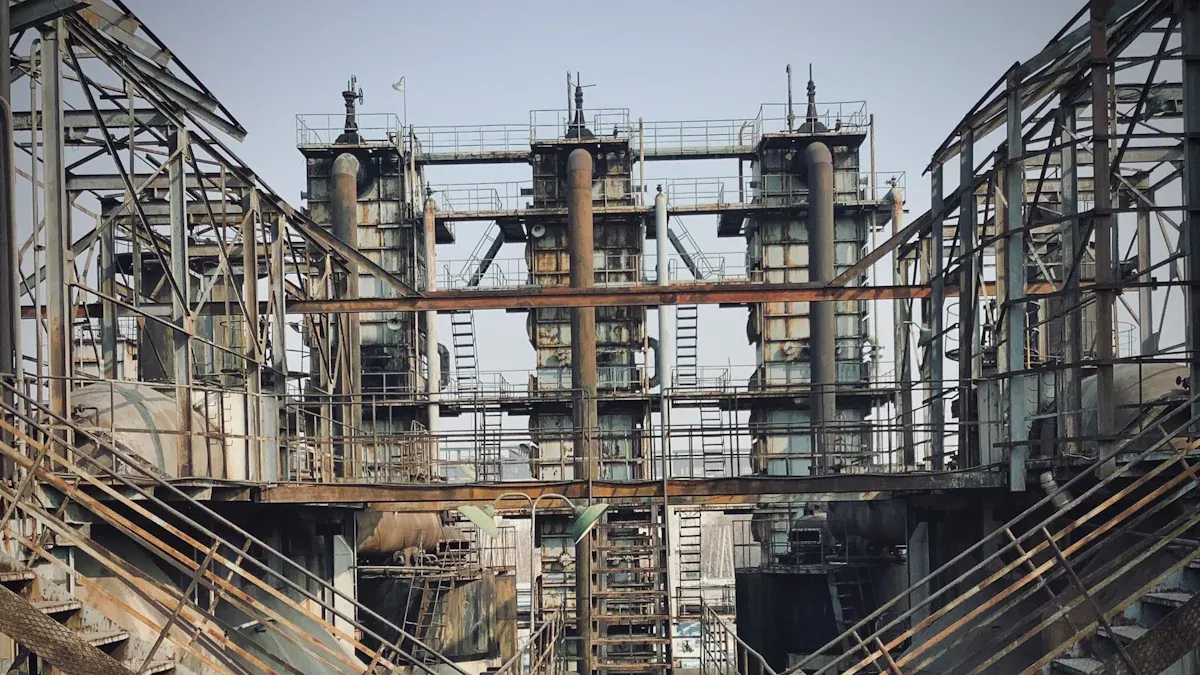
Beyond routine cleaning, a robust heat exchanger maintenance program actively prevents common failures. This requires strategies to mitigate the root causes of degradation and implement timely repairs before they lead to catastrophic breakdowns.
Addressing Fouling, Corrosion, and Erosion
Fouling, corrosion, and erosion are the primary threats to heat exchanger integrity. Fouling manifests in several ways, reducing thermal efficiency. Common types include:
- Scaling Fouling: Mineral deposits like calcium carbonate precipitate from the fluid.
- Particulate Fouling: Suspended solids such as sand or rust settle on surfaces.
- Chemical Reaction Fouling: Unwanted chemical reactions create deposit layers.
- Biological Fouling: Microorganisms like algae and bacteria accumulate.
Corrosion degrades the exchanger's materials. Technicians can combat galvanic corrosion by installing sacrificial anodes, often made of zinc or aluminum, in the exchanger's water boxes. These anodes corrode preferentially, protecting more critical components like tube sheets and tube ends. Erosion, caused by high fluid velocities or abrasive particles, wears away metal surfaces over time and requires careful operational monitoring.
Implementing Preventative Repair Measures
Preventative repairs address minor issues before they escalate. Tube plugging is a common and effective measure for managing isolated tube leaks.
Pro Tip: A crucial best practice is to vent a tube by piercing it before plugging. This step releases any trapped pressure or chemicals, preventing dangerous plug blowouts and ensuring a secure seal.
Technicians select a plug type, such as a tapered or mechanical plug, based on the system's operating pressure. After installation, they should document the repair by creating a plug map. This log tracks the location and number of plugged tubes, providing valuable data for assessing the bundle's overall health and planning future actions.
Building a Successful Heat Exchanger Maintenance Program
A truly effective heat exchanger maintenance program moves beyond reactive repairs and embraces a structured, data-driven approach. The foundation of this structure rests on two critical components: determining the right maintenance schedule and meticulously documenting all activities. These elements work together to create a cycle of continuous improvement, ensuring long-term reliability and peak performance.
Determining Maintenance Frequency
One of the most common questions operators face is, "How often should we service our heat exchangers?" There is no single answer. The optimal frequency depends on a unique combination of design specifications, operational conditions, and economic factors. Instead of relying on a fixed calendar date, technicians should base their schedules on performance data and strategic planning.
Several key factors help determine the ideal cleaning interval:
- Fouling Allowance: Designers specify a fouling allowance, which is the maximum amount of buildup a unit can tolerate before its performance is significantly compromised. Technicians monitor the exchanger's condition against this threshold to schedule cleaning proactively.
- Cost of Operation: Fouling directly increases operating costs. It forces pumps to work harder and can reduce production output. The decision to clean involves balancing the cost of reduced efficiency against the cost of production losses during a maintenance shutdown.
- Production Cycle & Downtime Planning: Smart scheduling minimizes operational disruption. Aligning maintenance activities with planned facility shutdowns, slower production seasons, or holidays prevents unnecessary downtime and lost revenue.
Operating parameters also heavily influence the rate of degradation. Properly regulating fluid velocity and flow patterns can prevent particles and minerals from settling on heat transfer surfaces.
- Fluid Velocity: Higher flow rates create turbulence. This turbulence increases shear forces that help dislodge deposits and disrupt the formation of biofilms, keeping surfaces cleaner for longer. Optimizing pump speeds helps maintain this self-cleaning effect.
- Temperature: Many fouling processes accelerate at higher temperatures. Operating fluids below critical temperature thresholds can prevent crystallization and unwanted chemical reactions. Likewise, avoiding sudden temperature spikes helps prevent the formation of hard deposits.
Ultimately, the most advanced strategies use predictive models to forecast maintenance needs. A linear regression model, for example, can predict the overall heat transfer coefficient (UA) for the coming months. When the forecasted UA value drops to a predetermined minimum, the model triggers a cleaning alert. In one case, such a model accurately predicted the need for cleaning, a finding later validated by internal inspections. More advanced systems even use digital twins—virtual replicas of the physical heat exchanger—to simulate performance with real-time data, enabling precise predictions of fouling and optimizing maintenance schedules.
| Model | Coefficient of Determination (R2) | Mean Absolute Percentage Error (MAPE) |
|---|---|---|
| Linear Regression | 0.65 | 0.61 |
| Boosted Tree Regression | -2.93 | 2.61 |
| Decision Tree Regression | -2.05 | 1.59 |
Note: The table above shows a comparison of different predictive models. A higher R2 value and a lower MAPE indicate better model accuracy. In this example, the linear regression model proved most effective for predicting maintenance needs.
Establishing Documentation and Reporting Standards
Thorough documentation is the backbone of a successful maintenance program. It transforms individual maintenance tasks into a powerful database for strategic decision-making. Every inspection, cleaning, and repair action should be logged in detail. This history provides invaluable insights into equipment health, failure trends, and the effectiveness of different maintenance strategies.
A modern approach to this is using a Computerized Maintenance Management System (CMMS). This software acts as a central hub for all maintenance-related information. Instead of scattered paper logs or spreadsheets, a CMMS provides a comprehensive and searchable asset history.
For example, CMMS platforms like MaintBoard or WorkTrek offer specialized features for managing HVAC and industrial assets, including heat exchangers. These systems help organizations:
- Manage Assets: Maintain a complete database for each heat exchanger, including installation dates, specifications, and a full maintenance history.
- Streamline Work Orders: Create, assign, and track all maintenance tasks from start to finish, ensuring accountability and timely completion.
- Schedule Preventive Maintenance: Automate the scheduling of routine inspections, cleanings, and preventative repairs based on run-time hours or calendar dates.
- Track Inventory: Manage spare parts like gaskets and plugs, ensuring critical components are in stock when needed.
- Monitor Performance: Some systems offer real-time monitoring to track energy efficiency and other KPIs, providing data to refine maintenance schedules.
By establishing clear documentation standards and leveraging a CMMS, organizations create a powerful feedback loop. The data collected from maintenance activities informs future scheduling, helps justify repair-or-replace decisions, and ultimately strengthens the entire heat exchanger maintenance program.
Advanced Considerations for Long-Term Efficiency
An effective heat exchanger maintenance program extends beyond routine tasks. It includes strategic decisions and operational refinements that secure long-term reliability and financial benefits.
The Critical Repair vs. Replace Decision
Operators eventually face the critical choice between repairing and replacing aging equipment. A repair offers a lower upfront cost and is viable for minor issues like small cracks on a newer unit. However, this can be a short-term fix.
Replacement, while a larger initial investment, often delivers a significant return. Modern, high-efficiency models can reduce fuel consumption by 10-25%, with many facilities recovering the upgrade cost in just 12 to 24 months. One plant saw a 19% fuel reduction and an 18-month payback after replacing an old unit. Clear end-of-life signs make the decision easier.
- Unusual noises or soot accumulation
- Yellow flames instead of blue
- Visible corrosion and cracks on components
These symptoms indicate that replacement is the most prudent long-term solution.
Optimizing Operating Conditions and Fluid Quality
Sustaining peak efficiency requires careful management of operating parameters. Operators must maintain fluid velocity within design limits, as excessive flow rates cause erosion and shorten the equipment's service life. Similarly, running a heat exchanger outside its specified temperature and pressure ranges leads to thermal stress, premature metal failure, and seal degradation.
A robust water treatment plan is crucial for protecting internal surfaces. Effective programs use corrosion inhibitors, pH balancing chemicals, and side-stream filtration to prevent scale buildup and minimize corrosion.
Controlling these variables prevents damage and ensures the heat exchanger operates at its highest potential.
A structured heat exchanger maintenance program is an investment in reliability, not an expense. Proactive inspection, cleaning, and preventative repairs form the pillars of a successful strategy. One retail chain's comprehensive program delivered significant returns:
- A 15% annual reduction in energy consumption.
- Over $100,000 in yearly utility savings.
- A 5% profit margin increase from reduced product spoilage.
Consistently applying these essentials maximizes equipment longevity, as proactive care can add a decade or more to a unit's operational life.
| Equipment Type | Lifespan (without maintenance) | Lifespan (with maintenance) | Increase in Lifespan |
|---|---|---|---|
| Heat Exchangers | 10-15 years | 20-25 years | +10 years |
This approach prevents costly unplanned downtime and ensures operations run at peak performance.
FAQ
What are the most common signs a heat exchanger needs maintenance? signs-of-trouble
Operators should look for key indicators. These include a higher pressure drop across the unit, reduced heating or cooling performance, and any visible fluid leaks or corrosion.
How does fouling impact heat exchanger performance? ⚙️
Fouling creates an insulating layer on heat transfer surfaces. This buildup reduces thermal efficiency, restricts fluid flow, and increases the energy required for the system to operate effectively.
Can operators perform all maintenance tasks themselves?
Operators can perform basic visual checks and monitor performance data. However, complex tasks like chemical cleaning and advanced testing require trained technicians to ensure safety and proper execution.
See Also
Innovations in Heat Exchanger Manufacturing Boost Industrial Efficiency and Output
Unveiling the Advantages of Commercial Heat Exchangers for 2025 Operations
Reducing Environmental Impact: Plate Heat Exchangers Offer Sustainable Solutions
Understanding Plate Heat Exchangers: A Comprehensive Guide to Their Operation
Optimizing Industrial Processes: The Role of Plate Air Preheaters in Efficiency