How Heat Exchanger Heating Enhances Energy Efficiency in Buildings
Heat exchanger heating recovers and transfers thermal energy that would otherwise escape from buildings. Facility managers see lower energy consumption and reduced operational costs. Building owners experience improved sustainability and greater savings by using this technology in HVAC systems.
How Heat Exchanger Heating Works in HVAC Systems
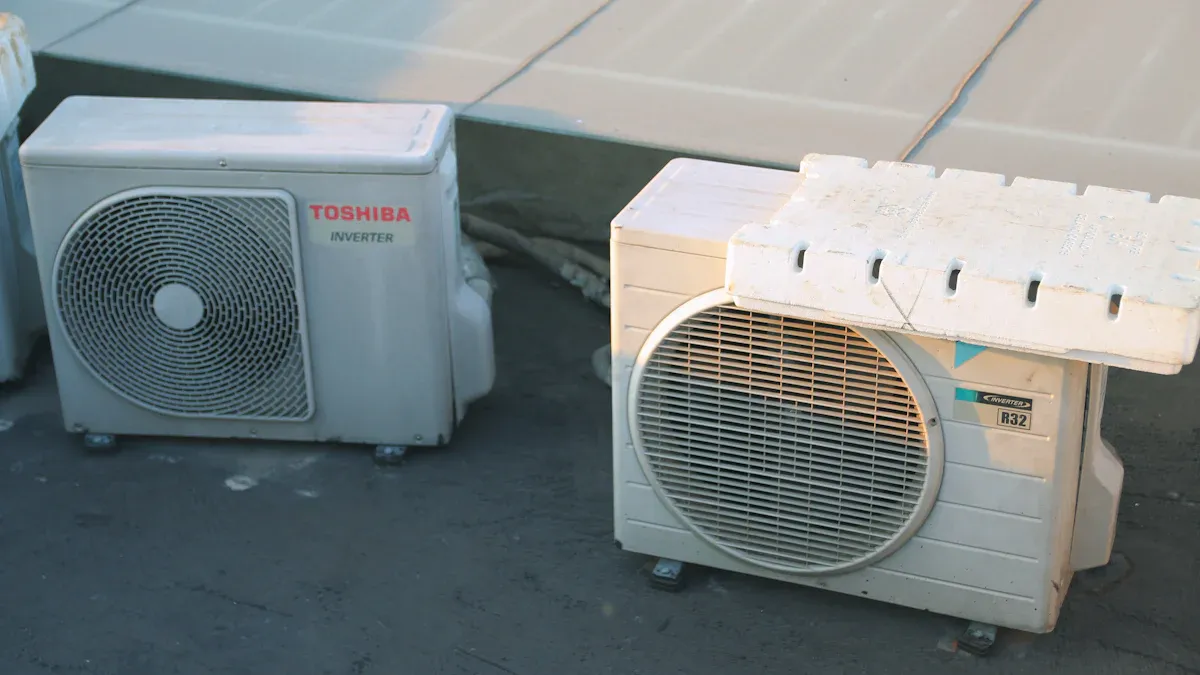
Principle of Heat Transfer
Heat exchanger heating relies on the movement of thermal energy from one medium to another. Engineers design these systems to maximize the transfer of heat without mixing fluids. Metal plates or coils often separate the hot and cold streams. This separation allows heat to move efficiently while keeping air or water streams isolated.
Tip: Efficient heat transfer reduces the amount of energy needed to reach desired temperatures in buildings.
The process uses conduction and convection. Conduction moves heat through solid surfaces, while convection circulates heat through liquids or gases. Facility managers select materials with high thermal conductivity to improve system performance.
Role in Temperature and Humidity Control
Heat exchanger heating plays a vital role in maintaining comfortable indoor environments. These systems help regulate temperature by recovering heat from exhaust air or water and transferring it to incoming fresh air or water. This process keeps rooms warm during cold seasons and cool during hot periods.
Humidity control also benefits from heat exchanger heating. When air passes through the exchanger, moisture levels can be adjusted. This helps prevent dry air in winter and excessive humidity in summer. Building occupants experience improved comfort and better air quality.
Key benefits include:
- Stable indoor temperatures
- Balanced humidity levels
- Enhanced occupant comfort
Integration with Modern HVAC Equipment
Modern HVAC systems often include heat exchanger heating as a core component. Manufacturers design these systems to work with boilers, chillers, and air handling units. Integration allows for seamless operation and improved energy efficiency.
| HVAC Component | Integration Benefit |
|---|---|
| Air Handling Units | Improved heat recovery |
| Boilers | Reduced fuel consumption |
| Chillers | Lower cooling energy requirements |
Facility managers monitor system performance using smart controls. These controls adjust heat exchanger heating based on occupancy and weather conditions. Automated systems help optimize energy use and reduce costs.
Note: Upgrading HVAC equipment with heat exchanger heating supports sustainability goals and lowers operational expenses.
Energy Efficiency and Practical Benefits of Heat Exchanger Heating
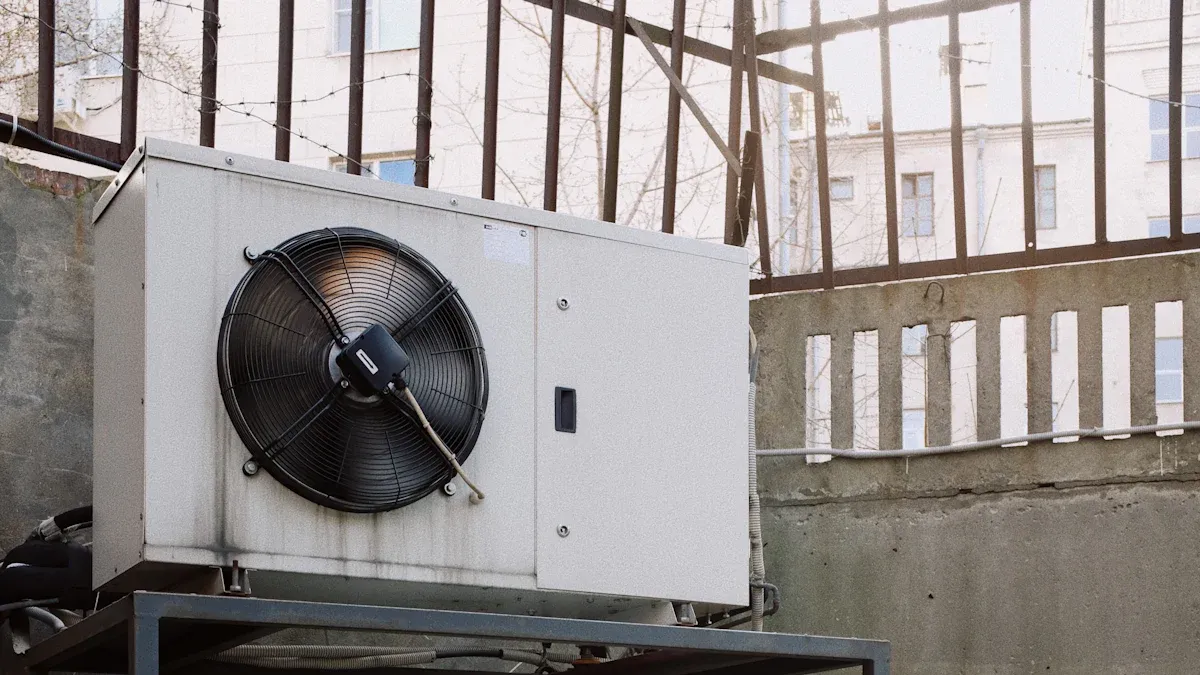
Heat Recovery and Reduced Energy Use
Heat exchanger heating captures thermal energy from exhaust air or water and transfers it to incoming streams. This process reduces the need for additional heating or cooling. Buildings that use this technology often see a significant drop in energy consumption. Facility managers notice lower utility bills and improved system performance.
Many commercial buildings lose heat through ventilation or waste streams. Heat exchanger heating recovers this energy and puts it back into the system. This approach supports sustainability goals and helps meet energy efficiency standards. Building owners can also reduce their carbon footprint by using less fuel and electricity.
Tip: Regular monitoring of heat recovery rates ensures that systems operate at peak efficiency.
Types of Heat Exchangers and Their Effectiveness
Several types of heat exchangers serve different building needs. Each design offers unique advantages in terms of efficiency and application.
| Type | Description | Typical Use Case |
|---|---|---|
| Plate Heat Exchanger | Uses thin metal plates to transfer heat | HVAC, district heating |
| Shell-and-Tube | Features tubes inside a larger shell | Industrial, large-scale systems |
| Rotary Wheel | Rotating wheel transfers heat and moisture | Air handling units |
| Air-to-Air | Transfers heat between two air streams | Ventilation systems |
Plate heat exchangers provide high efficiency in compact spaces. Shell-and-tube models handle large volumes and higher pressures. Rotary wheel exchangers also help control humidity, making them ideal for comfort-focused environments. Air-to-air exchangers work well in systems that require fresh air intake.
Selecting the right type depends on building size, climate, and system requirements. Facility managers should evaluate each option for effectiveness and maintenance needs.
Key Considerations for Selection and Maintenance
Choosing the best heat exchanger heating system involves several factors. Building size, occupancy patterns, and climate all influence the decision. Facility managers should also consider installation costs and long-term savings.
Important factors include:
- System compatibility with existing HVAC equipment
- Ease of access for cleaning and inspection
- Material durability and resistance to corrosion
- Manufacturer support and warranty options
Routine maintenance keeps heat exchanger heating systems running efficiently. Cleaning surfaces and checking for leaks prevent performance loss. Technicians should follow manufacturer guidelines for inspection intervals.
Note: Proactive maintenance extends equipment life and maximizes energy savings.
Facility managers who invest in proper selection and care benefit from reliable operation and reduced downtime. These steps ensure that heat exchanger heating continues to deliver energy efficiency and comfort for building occupants.
Facility managers trust heat exchanger heating to boost building energy efficiency. These systems recover and reuse heat, which lowers energy bills and reduces environmental impact.
- Building owners see long-term savings.
- Facility teams support sustainability goals.
Consider heat exchanger heating as a smart investment for any modern building.
FAQ
What maintenance does a heat exchanger heating system require?
Facility teams clean surfaces, inspect for leaks, and check controls. Regular maintenance ensures efficient operation and extends equipment life.
How much energy can buildings save with heat exchanger heating?
Facility managers report energy savings between 20% and 40%. Actual savings depend on building size, climate, and system design.
Are heat exchanger heating systems compatible with older HVAC equipment?
| Compatibility | Details |
|---|---|
| High | Most systems retrofit easily. |
| Moderate | Some upgrades may be needed. |
See Also
Understanding How Commercial Heat Exchangers Benefit Industries in 2025
Innovations in Heat Exchanger Manufacturing Boost Industrial Efficiency
Enhancing Cooling Systems Through Efficient Refrigeration Heat Exchangers
The Role of Plate Air Preheaters in Boosting Efficiency
Increasing Energy Efficiency in Industry with Condensate Coolers