Hastelloy C276 Pipe and Forged Fittings Explained for 2025
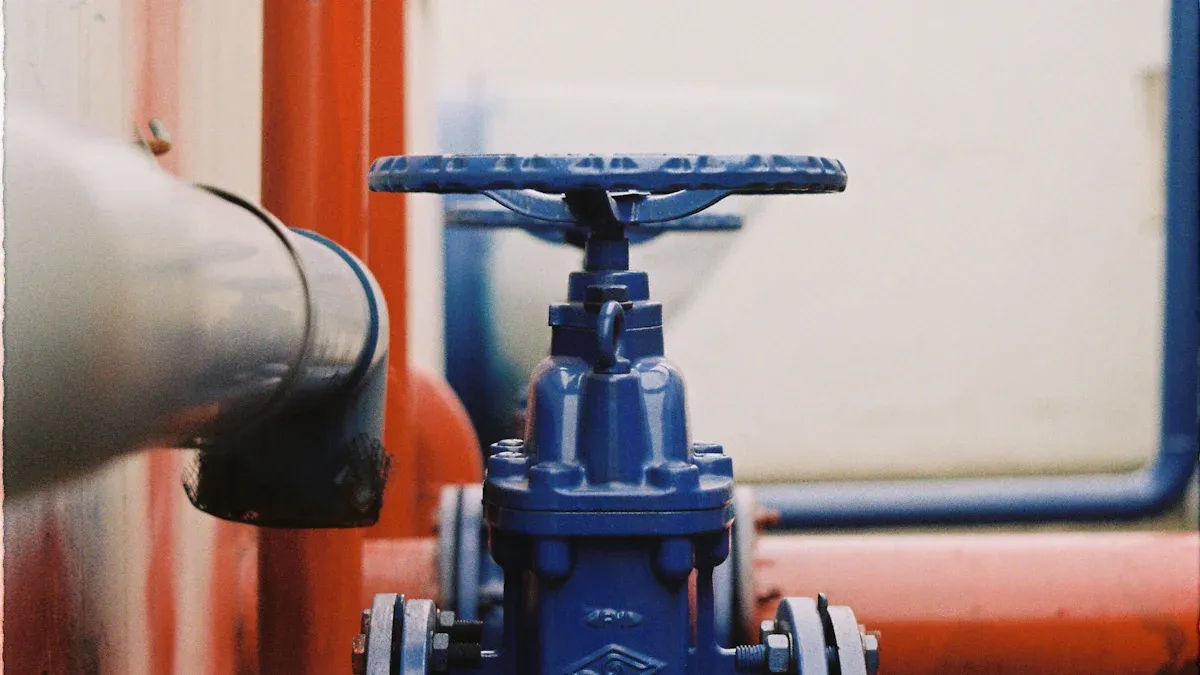
Hastelloy C276 Pipe Fittings are high-performance components engineered from a nickel-molybdenum-chromium superalloy. Designers use these fittings to connect piping and equipment within systems exposed to highly corrosive chemicals. Their primary function is to ensure system integrity in aggressive industrial environments. This role is critical, as corrosion-related failures contribute to over 25% of safety incidents in the oil and gas industry. While materials like Nickel 200 Pipe Fittings serve specific caustic environments, the versatility of Hastelloy C276 Pipe Fittings provides a definitive solution for a wider range of aggressive media.
Key Takeaways
- Hastelloy C276 fittings are strong metal parts. They connect pipes in places with harsh chemicals. This metal stops rust very well.
- This metal is good for many tough jobs. It works in chemical plants and pollution control. It also works in oil, gas, and medicine making.
- There are two main types of fittings. Buttweld fittings are for big pipes. Forged fittings are for small pipes. Each type has a special use.
- Always check the quality of these metal parts. Ask for test reports. Make sure the metal is real Hastelloy C276. This helps keep systems safe.
Key Properties of Hastelloy C276 Fittings
The defining feature of Hastelloy C276 is its exceptional performance across a wide range of aggressive conditions. This versatility stems from a unique combination of chemical resilience, mechanical robustness, and manufacturing flexibility.
Exceptional Corrosion Resistance
This alloy provides a definitive barrier against corrosion in severe industrial environments. Its high molybdenum and tungsten content delivers superior defense against localized issues like pitting and crevice corrosion, especially in chloride-heavy settings. The material is specifically designed to handle some of the most challenging chemicals used in processing plants.
- Sulfuric Acid: It offers outstanding resilience against various concentrations and temperatures.
- Hydrochloric Acid: The alloy performs reliably in systems handling this highly corrosive acid.
- Wet Chlorine Gas: It is a primary material choice for applications involving wet chlorine gas, a notoriously difficult medium.
Mechanical Strength and Durability
Hastelloy C276 combines its corrosion resistance with impressive mechanical strength. It maintains its structural integrity under significant stress and at elevated temperatures, ensuring long-term reliability in demanding applications. The alloy can operate in oxidizing atmospheres up to approximately 1900°F (1038°C) for intermittent service.
| Property | Typical Value |
|---|---|
| Tensile Strength | 790 MPa (115,000 psi) |
| Yield Strength | 355 MPa (52,000 psi) |
| Elongation | 40% |
Weldability and Fabricability
Engineers value Hastelloy C276 for its excellent weldability. Standard processes like Gas Tungsten Arc Welding (GTAW) and Shielded Metal Arc Welding (SMAW) are effective for fabrication. The alloy's low carbon content is a key advantage, as it minimizes carbide precipitation during welding. This preserves the corrosion resistance of the weld and the heat-affected zone, protecting the integrity of the final component.
Note for Fabricators: While weldable, the material's high strength requires specialized techniques. Proper procedure and skilled personnel are essential to manage potential challenges like hot cracking. Adherence to standards such as ASME Section IX ensures the highest quality for welded Hastelloy C276 Pipe Fittings.
Understanding Hastelloy C276 Pipe Fittings vs. Forged Fittings
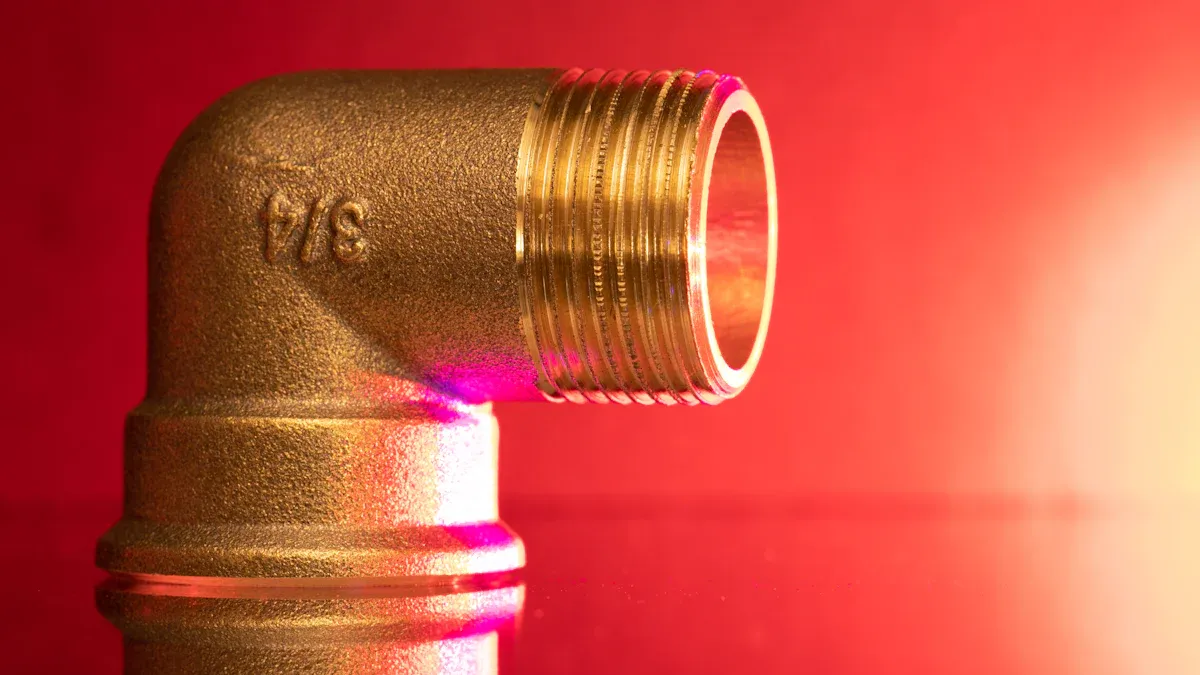
Selecting the correct fitting type is as crucial as choosing the alloy itself. The primary distinction lies between buttweld pipe fittings, used for larger pipelines, and forged fittings, designed for smaller, high-pressure lines. Each type follows different manufacturing standards and serves distinct roles in ensuring system integrity. Understanding their differences helps engineers optimize both performance and cost for a given application.
Buttweld Pipe Fittings (ASME B16.9)
Buttweld fittings are designed for piping systems with a nominal pipe size (NPS) of 2 inches and larger. Installers weld these components directly, end-to-end, with the pipe. This creates a continuous, strong, and leak-proof metal structure. The primary standard governing these fittings is ASME B16.9, which covers dimensions, tolerances, and markings for components like elbows, tees, reducers, and caps.
A key advantage of this design is its effect on system hydraulics. The smooth, continuous interior surface minimizes friction and turbulence.
Buttweld fittings, including elbows, offer a smooth flow due to their seamless interior surface, which minimizes pressure drop and flow turbulence.
Pressure ratings for ASME B16.9 fittings are not standalone. They directly correspond to the pressure-temperature ratings of an equivalent seamless pipe and align with ASME B16.5 flange classes. This ensures compatibility across the entire piping system. Common pressure classes include:
- Class 150
- Class 300
- Class 600
- Class 900
- Class 1500
- Class 2500
Forged Fittings (ASME B16.11)
Forged fittings are the standard for small-bore piping, typically systems with a diameter of less than 2 inches. The forging process produces an extremely dense and uniform grain structure, giving these fittings superior strength and fatigue resistance. This makes them the ideal choice for high-pressure and high-temperature applications where reliability is paramount. The governing standard for these components is ASME B16.11.
Unlike buttweld fittings, forged fittings connect to pipes using either socket weld or threaded ends. They are designated by pressure classes that indicate their robustness.
- Threaded End Fittings: Available in Class 2000, 3000, and 6000.
- Socket-Weld End Fittings: Available in Class 3000, 6000, and 9000.
The higher pressure classes, like 6000 and 9000, make these Hastelloy C276 Pipe Fittings essential for critical service lines in chemical processing and oil and gas extraction.
Socket Weld vs. Threaded Connections
Forged fittings offer two primary connection types, each with specific use cases.
Socket Weld (SW) Connections: In this design, a pipe is inserted into a recessed area (the socket) of the fitting. A fillet weld is then applied around the outside to secure the joint. This creates a strong, permanent connection with good flow characteristics. Socket weld fittings are preferred in systems where leakage is absolutely unacceptable and high pressure containment is necessary.
Threaded (NPT) Connections: Threaded fittings have screw threads that mate with corresponding threads on the pipe. While easier and faster to install without welding, they create a potential leak path along the threads. For this reason, they are generally used in lower-pressure, non-critical applications or where systems may require periodic disassembly.
Selection Guide: When to Use Each Type
Choosing the correct fitting involves a systematic evaluation of system parameters. Engineers base their decision primarily on pipe diameter, operating pressure, and the required level of joint integrity. Each fitting type offers a distinct combination of strength, installation complexity, and performance characteristics.
The first and most straightforward factor is the pipe size. This single criterion often narrows the choice significantly.
- Buttweld Fittings (ASME B16.9): Engineers select these for larger pipelines, specifically those with a nominal pipe size of 2 inches and above. Their design is optimized for strength and flow efficiency in large-scale systems.
- Forged Fittings (ASME B16.11): These are the standard for small-bore piping systems. They are typically used for pipe diameters of 2 inches and smaller, where their robust, forged construction provides maximum reliability in compact lines.
Once the size determines the general category (buttweld vs. forged), the next decision focuses on the connection method and application demands. The following table provides a clear comparison for selecting between buttweld, socket weld, and threaded connections.
| Feature | Buttweld Fitting | Socket Weld Fitting | Threaded Fitting |
|---|---|---|---|
| Pipe Size Range | All sizes (esp. >2") | Up to 4" (typically <2") | Up to 2" |
| Pressure Handling | High to Very High | Medium to High | Low |
| Leakage Risk | Very Low | Low | Higher (potential path) |
| Installation Complexity | High (skilled welder required) | Moderate (welder required) | Low (no welding) |
| Long-Term Durability | Very High | High | Moderate |
| Maintenance Access | Difficult (permanent) | Moderate (permanent) | Easy (can be disassembled) |
When to Specify Buttweld Fittings
Engineers specify buttweld fittings for the most critical applications. The end-to-end weld creates a continuous metal structure that is as strong as the pipe itself. This makes them the definitive choice for large-diameter, high-pressure, and high-temperature systems where joint failure is not an option. Their smooth interior also prevents turbulence, making them ideal for systems requiring optimal flow characteristics.
Use Buttweld Fittings For:
- Large pipelines (>2 inches) in chemical processing and oil & gas.
- Critical systems requiring the highest level of strength and leak prevention.
- Applications where smooth, uninterrupted flow is essential.
When to Specify Socket Weld Fittings
Socket weld fittings are the workhorse for small-bore, high-pressure industrial piping. The pipe-in-socket design combined with a fillet weld creates a strong, permanent, and leak-resistant joint. They are superior to threaded fittings in systems exposed to high temperatures, pressure cycling, or vibration, as the welded joint will not loosen over time. This makes them essential for instrument lines, hydraulic systems, and chemical injection lines using high-performance materials like Hastelloy C276 Pipe Fittings.
Use Socket Weld Fittings For:
- High-pressure steam, oil, and gas lines under 2 inches.
- Permanent installations where zero leakage is a primary concern.
- Systems with significant vibration or temperature fluctuations.
When to Specify Threaded Fittings
Threaded fittings offer the simplest and fastest installation, as they do not require welding. This makes them ideal for utility lines, low-pressure systems, and applications where welding is impractical or forbidden. Their main advantage is the ability to be assembled and disassembled, which is useful for temporary setups or systems needing periodic maintenance. However, the threads themselves represent a potential leak path, making them unsuitable for critical, high-pressure, or hazardous fluid services.
Use Threaded Fittings For:
- Low-pressure water, air, or other utility lines.
- Non-critical systems where quick assembly is a priority.
- Applications requiring periodic disassembly for maintenance.
Core Industrial Applications
The unique properties of Hastelloy C276 make it an indispensable material for industries facing the most severe corrosive challenges. Engineers specify these fittings to ensure operational safety and equipment longevity where other alloys would quickly fail.
Chemical and Petrochemical Processing
In chemical and petrochemical plants, Hastelloy C276 fittings provide critical reliability. These facilities handle highly aggressive media that can rapidly degrade standard materials. The alloy’s robust chemical composition offers superior protection against a wide range of corrosive agents.
- Acid Resistance: It performs exceptionally well in systems containing strong acids like sulfuric acid and hydrochloric acid, which are common in oil refineries and chemical processing.
- Localized Corrosion: The material delivers excellent resistance to pitting, crevice corrosion, and stress-corrosion cracking, particularly in chloride-rich environments.
Pollution Control and Waste Treatment
Modern environmental regulations demand robust pollution control systems. Hastelloy C276 is a cornerstone material in these applications, especially in flue-gas desulfurization (FGD) units and hazardous waste incinerators. These systems manage hot, acidic gases and scrubber liquors containing high concentrations of chlorides. The alloy's ability to withstand these harsh conditions prevents premature equipment failure.
Hastelloy C276 ensures the longevity and effectiveness of environmental control systems. Its use in equipment for treating industrial wastewater, flue gases, and incinerator byproducts supports efficient and sustainable pollution control.
Its resistance to both general and localized corrosion makes it ideal for scrubber components, ductwork, and piping, ensuring these critical systems operate reliably.
Pulp and Paper Production
The pulp and paper industry relies on powerful chemicals for bleaching processes. While the overall environment may be less severe than a chemical plant, specific areas like bleach plants present extreme corrosive challenges. Hastelloy C276 fittings are specified for their proven performance in these applications. They provide unmatched resistance to the aggressive chemicals used to produce paper.
- Wet chlorine gas
- Chlorine dioxide
- Hypochlorite solutions
This resilience makes the alloy essential for components in digesters and bleach plant equipment, protecting system integrity and preventing costly downtime.
Oil & Gas and Pharmaceutical Industries
The Oil & Gas and Pharmaceutical sectors present unique challenges where material performance directly impacts safety, product purity, and operational success. Hastelloy C276 fittings provide essential solutions for both. In the oil and gas industry, engineers specify these components for upstream and midstream operations. The alloy's durability is critical for handling corrosive elements found in extraction and processing. For example, Hastelloy C276 is utilized in recovery systems for sour natural gas and oil wells, demonstrating its effective performance in sour gas (H₂S) environments. Its resistance to chloride-induced stress-corrosion cracking also makes it a reliable choice for offshore platforms and subsea equipment.
In the pharmaceutical industry, the primary goals are product purity and process stability. Hastelloy C276 plays an important role in the critical stages of drug production. Its superior corrosion resistance ensures that no metallic ions leach into the product, which could compromise its integrity and safety. Pharmaceutical companies utilize Hastelloy C276 for equipment to produce drugs and pharmaceutical products, guaranteeing purity.
Key Benefits in Pharmaceutical Manufacturing:
- The alloy is ideal for machines and containers requiring sterility and cleanliness, protecting against contamination.
- It ensures optimal conditions for chemical reactions inside pharmaceutical reactors.
- Its use supports compliance with Good Manufacturing Practice (GMP) standards.
- It is compatible with a wide range of chemicals, including acids, alkalis, and solvents used in drug synthesis.
This combination of inertness and durability makes Hastelloy C276 fittings a cornerstone material for producing safe and effective medicines.
Manufacturing and Machining Considerations
Producing high-quality Hastelloy C276 components requires specialized knowledge of its manufacturing and machining characteristics. The same properties that make the alloy exceptionally tough and corrosion-resistant also present unique challenges during fabrication. Understanding these considerations is key to ensuring the final fitting meets its performance specifications.
Forging vs. Wrought Manufacturing
Manufacturers create Hastelloy C276 fittings from either wrought or forged material. Wrought fittings, like buttweld elbows and tees, are typically formed from seamless or welded pipe. The forging process, however, subjects the alloy to intense heat and mechanical pressure. This refines the material's grain structure, resulting in a denser, stronger, and more uniform component. This superior structural integrity makes forged fittings the preferred choice for high-pressure and critical service applications.
Machining and Tooling Requirements
Machining Hastelloy C276 is significantly more demanding than working with stainless steels. The alloy's high strength and tendency to work-harden require slower cutting speeds and robust tooling. The following table illustrates the difference in recommended speeds compared to 316 Stainless Steel.
| Operation | 316SS (sfm) | C276 (sfm) |
|---|---|---|
| Rough Turn | 400 | 140 |
| Finish Turn | 600 | 200 |
| Coolant Fed Carbide Drill | 220 | 80 |
Successful machining relies on the right tools and techniques:
- Tooling: Machinists often use ceramic inserts for initial roughing, followed by CVD-coated carbide or cubic boron nitride (CBN) inserts for finishing.
- Drilling: When drilling, experts recommend using a coolant-fed solid carbide drill. It is crucial to maintain a high feed rate and avoid pecking, which can cause the material to work-harden.
Relevant ASTM and ASME Standards
Adherence to industry standards guarantees the quality, dimensions, and chemical composition of Hastelloy C276 Pipe Fittings. These standards provide a framework for manufacturers and a guarantee of performance for end-users.
Key governing standards include:
- ASTM B366 / ASME SB366: Governs wrought buttweld fittings.
- ASTM B564: Specifies the requirements for forged fittings, flanges, and valves.
- ASME B16.9: Defines the dimensions for buttweld fittings.
- ASME B16.11: Defines the dimensions for forged socket weld and threaded fittings.
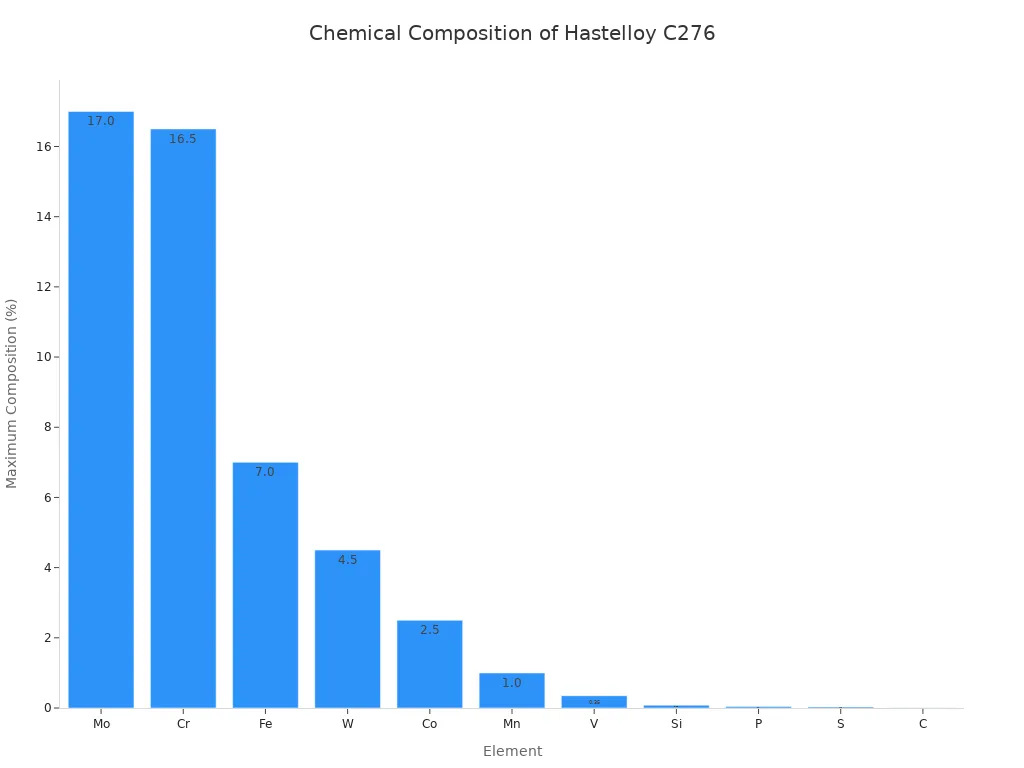
These specifications ensure every fitting meets precise chemical composition requirements, with a balanced nickel base complemented by high levels of molybdenum and chromium.
Procurement and Quality Assurance
Sourcing high-performance alloys like Hastelloy C276 demands a rigorous approach to quality assurance. Buyers must verify that the components they receive meet exact material and manufacturing specifications. Proper documentation and testing are non-negotiable steps to guarantee system safety and performance.
The Importance of Material Test Reports (MTR)
A Material Test Report (MTR), or Mill Test Certificate (MTC), is the primary document that certifies a fitting's quality. It provides complete traceability by linking the finished part back to its original material batch, or heat. Engineers and quality inspectors rely on this report to confirm the component meets project requirements. A comprehensive MTR for Hastelloy C276 fittings must include:
- Complete chemical composition
- Mechanical properties (tensile strength, yield strength, etc.)
- Records of any heat treatment applied
- Dimensional and mill tolerance data
- A statement of conformity to ASTM and ASME standards
Verifying Authenticity with PMI Testing
Positive Material Identification (PMI) is a non-destructive testing method used to verify the elemental composition of an alloy. It provides on-the-spot confirmation that the material is genuine Hastelloy C276. The most common tool is a handheld X-Ray Fluorescence (XRF) analyzer. This device directs an X-ray beam at the fitting, causing the material's atoms to release energy. The analyzer measures this energy, which is unique to each element, and confirms the alloy's grade.
Quality Checkpoint: Reputable suppliers perform PMI testing at multiple stages: upon receiving raw material, during production, and on the final finished product before shipment.
Questions to Ask Your Supplier
Engaging with a potential supplier requires asking targeted questions to assess their commitment to quality. These inquiries help ensure you partner with a manufacturer who can deliver certified, reliable components. Key questions include:
- What certifications do you hold? Look for ISO 9001:2015 certification and proof of adherence to international standards like ASTM, ASME, and EN.
- Can you provide full material traceability? Suppliers must be able to provide MTRs (EN 10204 3.1) that link a unique heat number to every fitting.
- Do you allow third-party inspections? A confident supplier will welcome independent verification of their products and processes.
- What is your quality control workflow? Ask them to detail their procedures, from raw material verification and in-process checks to final dimensional and visual inspections.
Hastelloy C276 fittings are the definitive solution for critical systems that demand maximum corrosion resistance. The selection between buttweld and forged fittings depends on system size, pressure, and leak-risk tolerance.
Key Takeaways:
- Prioritize quality assurance by demanding Material Test Reports (MTRs).
- Verify material authenticity with Positive Material Identification (PMI) testing.
- Consult a materials engineer to ensure the correct specification for any project.
This diligent approach guarantees system integrity and long-term performance in the most challenging industrial environments.
FAQ
Why choose Hastelloy C276 over 316 Stainless Steel?
Engineers specify Hastelloy C276 for its superior corrosion resistance in aggressive media. It withstands strong acids and chlorides where 316 stainless steel would quickly fail. This performance ensures long-term reliability in the most demanding chemical processing and pollution control applications.
What is the maximum service temperature for C276 fittings?
Hastelloy C276 can operate in oxidizing atmospheres up to 1900°F (1038°C). However, its optimal corrosion resistance depends on the specific chemical environment. Designers must evaluate both temperature and media concentration to ensure the material's suitability for a given service.
Can Hastelloy C276 be welded to stainless steel?
Yes, fabricators can weld Hastelloy C276 to stainless steels. This process requires specialized filler metals, like ERNiCrMo-10, to create a strong, corrosion-resistant joint. Proper welding procedures are essential to ensure the integrity of the dissimilar metal weld.
Are C276 fittings suitable for seawater applications? sea
The alloy's high molybdenum content provides exceptional resistance to pitting and crevice corrosion in chloride-rich environments like seawater. This makes Hastelloy C276 an excellent material choice for marine engineering, offshore platforms, and coastal processing facilities where durability is critical.
See Also
Mastering Pass Partition Plate Welding: Expert Strategies for 2025 Success
Optimizing Steel Processing: Consistent Performance in Heat Exchange Applications
Assessing Molybdenum Plugs: Enhancing Seamless Steel Pipe Manufacturing by 2025
Exploring Molybdenum High-Temperature Furnaces: Key Insights for 2025
WT20 Thoriated Tungsten Electrodes: Elevating TIG Welding Performance and Quality