HART To 4-20mA Multi-ParameterConverter Easy Fixes You Need
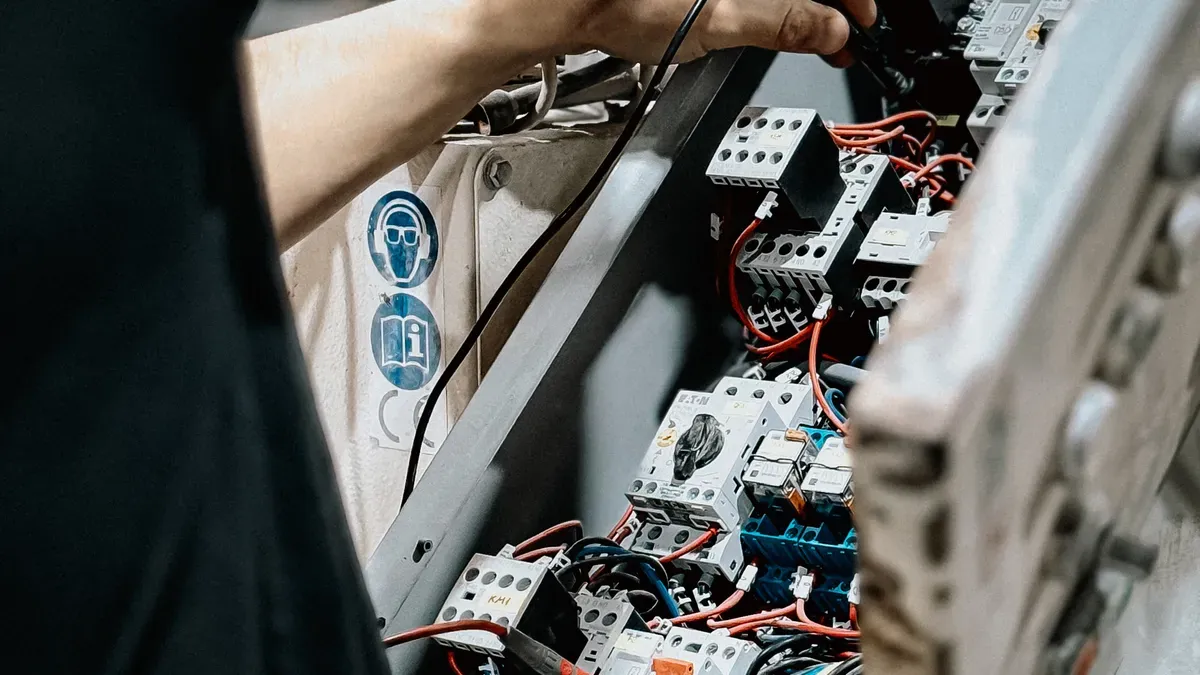
You often face sudden issues with your HART To 4-20mA Multi-ParameterConverter. Simple steps can quickly fix most problems. Use basic tools and follow clear instructions. You do not need advanced skills. You can restore normal operation and prevent downtime with these easy fixes.
Key Takeaways
- Start troubleshooting by checking the power supply and wiring. Ensure the voltage matches the converter's needs to avoid issues.
- Always verify device settings to match your process requirements. Incorrect settings can lead to wrong readings.
- Regular maintenance is key. Inspect wiring and connections every few months to prevent future problems.
HART To 4-20mA Multi-ParameterConverter Quick-Check Essentials
Verify Power Supply and Wiring
You need to start with the basics. Check if your HART To 4-20mA Multi-ParameterConverter gets the right power. Use a digital multimeter to measure the voltage at the power terminals. The voltage should match the converter’s requirements. If you see a low or unstable reading, you may have a weak power source or a loose wire.
Tip: Always turn off the power before you touch any wires. This keeps you safe.
Next, look at the wiring. Make sure each wire connects to the correct terminal. Wires should not have cuts or frays. If you find damaged wires, replace them right away. Good wiring helps your converter work without problems.
Confirm Proper Device Configuration
You must check the settings on your HART To 4-20mA Multi-ParameterConverter. Use the device’s display or a configuration tool. Make sure the input and output ranges match your process needs. For example, if your sensor sends a signal from 0 to 100 psi, set the converter to read that range.
A wrong setting can cause wrong readings. You may see a 4-20mA output that does not match the real process value. Review the manual for the correct steps. If you do not have the manual, look for it on the manufacturer’s website.
Note: Write down your settings before you change anything. This helps you go back if you make a mistake.
Inspect Connections and Terminations
Loose or dirty connections can cause many problems. You should check all terminals and connectors on your HART To 4-20mA Multi-ParameterConverter. Use a screwdriver to tighten each terminal. Do not overtighten, or you may damage the terminal.
Look for signs of corrosion or dirt. Clean the contacts with a soft brush or contact cleaner. Good connections help signals flow without trouble.
Here is a simple checklist you can use:
| Step | What to Do | Why It Matters |
|---|---|---|
| Power Check | Measure voltage at terminals | Ensures device turns on |
| Wiring Inspection | Look for damage or loose wires | Prevents signal loss |
| Configuration Check | Match settings to process needs | Avoids wrong readings |
| Connection Check | Tighten and clean all terminals | Keeps signal strong |
You can solve many issues with your HART To 4-20mA Multi-ParameterConverter by following these quick checks. These steps help you find and fix problems fast.
HART To 4-20mA Multi-ParameterConverter Signal and Communication Troubleshooting
Check 4-20mA Loop Integrity
You need to make sure your signal loop works as expected. Problems in the loop can cause your HART To 4-20mA Multi-ParameterConverter to give wrong readings or stop working. Follow these steps to check the loop:
- Check loop power. The supply voltage should be present, usually 24 VDC. No voltage means the signal cannot travel.
- Measure the current in the loop. If you see 0 mA, the loop is open. Less than 4 mA points to a transmitter fault. More than 21 mA means a short circuit.
- Isolate the variable. Use a loop calibrator to inject a 12 mA signal. If your PLC reads this correctly, your wiring is good.
- Check grounding. Make sure the shield is grounded at only one point. Bad grounding can cause unstable readings.
Tip: Always use proper safety steps when working with electrical circuits.
Test HART Communication with a Handheld Communicator
You can use a handheld communicator to test and troubleshoot HART communication. These tools help you configure, diagnose, and manage smart field devices. Here are some popular models and their features:
| Communicator Model | Key Features |
|---|---|
| Yokogawa YHC5150X | Configures, polls, and trims all HART field devices. Fast processing and large storage. |
| Emerson's AMS Trex | Advanced diagnostics and configuration for HART devices. |
| Beamex MC6 | Combines calibration and HART communication in one device. |
| Fluke 754 | Full HART communication and calibration features. |
You can use these communicators to check if your HART To 4-20mA Multi-ParameterConverter responds to commands and sends the right data.
Identify and Resolve Signal Interference
Signal interference can cause your readings to jump or drift. You should keep signal wires away from power cables. Use shielded cables and ground the shield at one point only. If you see noise or unstable signals, check for nearby equipment that may cause electrical noise. Move cables or add shielding if needed.
Note: Good cable management and grounding help prevent most signal problems.
HART To 4-20mA Multi-ParameterConverter Parameter and Calibration Fixes
Reset or Recalibrate Converter Parameters
You may notice your readings do not match the real process values. This often means you need to reset or recalibrate your converter parameters. Start by checking the calibration menu on your device. Use the instructions from the manual to enter calibration mode. You can use a known reference signal, such as a loop calibrator, to set the correct 4 mA and 20 mA points.
Follow these steps for a quick recalibration:
- Connect your reference signal source.
- Set the low point (4 mA) and confirm the reading.
- Set the high point (20 mA) and confirm again.
- Save your changes.
Tip: Write down your old settings before you make changes. This helps you return to the original setup if needed.
Restore Factory Settings if Needed
Sometimes, you cannot fix errors with recalibration. You may need to restore factory settings. This action resets all parameters to the original values. Look for a "Factory Reset" option in the device menu. Use the manual for step-by-step instructions.
A factory reset can solve problems caused by wrong settings or failed calibrations. You should only use this option if other fixes do not work. After a reset, you must re-enter your process settings.
| Action | When to Use | Result |
|---|---|---|
| Recalibrate | Readings are wrong | Corrects output signal |
| Factory Reset | Other fixes fail | Returns to default parameters |
You can keep your HART To 4-20mA Multi-ParameterConverter working well by using these fixes.
HART To 4-20mA Multi-ParameterConverter Advanced Troubleshooting Tips
Update Firmware and Software
You should always check if your device has the latest firmware and software. Manufacturers often release updates to fix bugs and improve performance. Outdated firmware can cause your HART To 4-20mA Multi-ParameterConverter to act strangely or stop working with new systems.
To update, visit the manufacturer's website. Download the newest files for your model. Follow the instructions step by step. Use a USB cable or a special tool if needed. Make sure you do not lose power during the update. If you do, the device may not start again.
Tip: Back up your settings before you update. This helps you restore your setup if something goes wrong.
Consult Manufacturer Documentation and Support
You can solve many problems by reading the official manual. The manual gives you wiring diagrams, error codes, and setup steps. If you do not have a paper copy, you can find it online.
If you still have trouble, contact the manufacturer's support team. They can answer questions and guide you through tough issues. Write down your device model and serial number before you call or email. This helps the support team give you the right advice.
Here is a quick checklist:
- Read the manual for error codes.
- Check the FAQ on the website.
- Contact support if you need more help.
You can keep your HART To 4-20mA Multi-ParameterConverter running well by using these advanced tips.
HART To 4-20mA Multi-ParameterConverter Preventive Measures for Reliability
Regular Maintenance Routines
You can keep your converter working well by following a regular maintenance plan. Start by checking all wiring and connections every few months. Look for loose screws, dirt, or signs of corrosion. Clean the terminals with a soft brush if you see any buildup. Test the output signal with a multimeter to make sure it matches the expected range. If you notice any drift in the readings, recalibrate the device right away.
Replace damaged cables or connectors as soon as you find them. You should also inspect the power supply for stable voltage. Write down your maintenance checks in a logbook. This record helps you spot patterns and prevent bigger problems later.
Tip: Schedule your maintenance during planned shutdowns to avoid interrupting your process.
Best Practices for Installation and Operation
When you install a HART To 4-20mA Multi-ParameterConverter, you need to follow some best practices to ensure reliable operation. The table below shows important steps and their benefits:
| Best Practice | Description |
|---|---|
| Shielded Twisted-Pair Cables | Use for analog signals to reduce electromagnetic interference. |
| Grounding the Shield | Ground at one end only to prevent ground loops, ensuring signal integrity. |
| Separation from Power Cables | Maintain proper distance to avoid interference with the signal. |
| Surge Protection | Implement in outdoor or hazardous areas to protect equipment from voltage spikes. |
| Signal Scaling and Linearization | Convert raw signals to engineering units and apply linearization algorithms for accuracy. |
| Filtering and Signal Conditioning | Use digital filters to remove noise while preserving important flow variations. |
| Totalization and Rate Calculations | Accumulate pulse counts for total flow measurement and calculate instantaneous flow rates. |
You should always use shielded twisted-pair cables for signal wiring. Keep these cables away from power lines to avoid noise. Ground the cable shield at only one end. In outdoor areas, add surge protection to guard against voltage spikes. Use digital filters to clean up the signal and improve accuracy. These steps help you get the best performance from your converter.
You can keep your HART To 4-20mA Multi-ParameterConverter reliable by following simple troubleshooting steps and regular maintenance. Use checklists, monitor for early signs of trouble, and follow best practices. The table below shows industry benchmarks for reliability:
| Metric | World-Class Benchmark |
|---|---|
| PM Compliance Rate | 90%+ |
| MTBF | 5,000+ hours |
FAQ
How do you know if your HART To 4-20mA converter needs recalibration?
You see wrong readings or drift in output. Use a reference signal to check accuracy. Recalibrate if the output does not match the expected value.
Can you use any power supply for your converter?
No. You must use the voltage and current specified by the manufacturer. Using the wrong power supply can damage your converter or cause it to fail.
What should you do if your converter stops communicating with HART devices?
- Check all wiring and connections.
- Test with a handheld communicator.
- Restart the converter.
- If problems continue, contact technical support.
See Also
Simplifying Your Experience With AHRI 400/401 Heat Exchangers
Innovative Solutions for Smart Meters Using Current Transformers
Enhancing Metering Accuracy With Manganin Copper Shunts