Hart Never Just a Deer Discover Its True Meaning
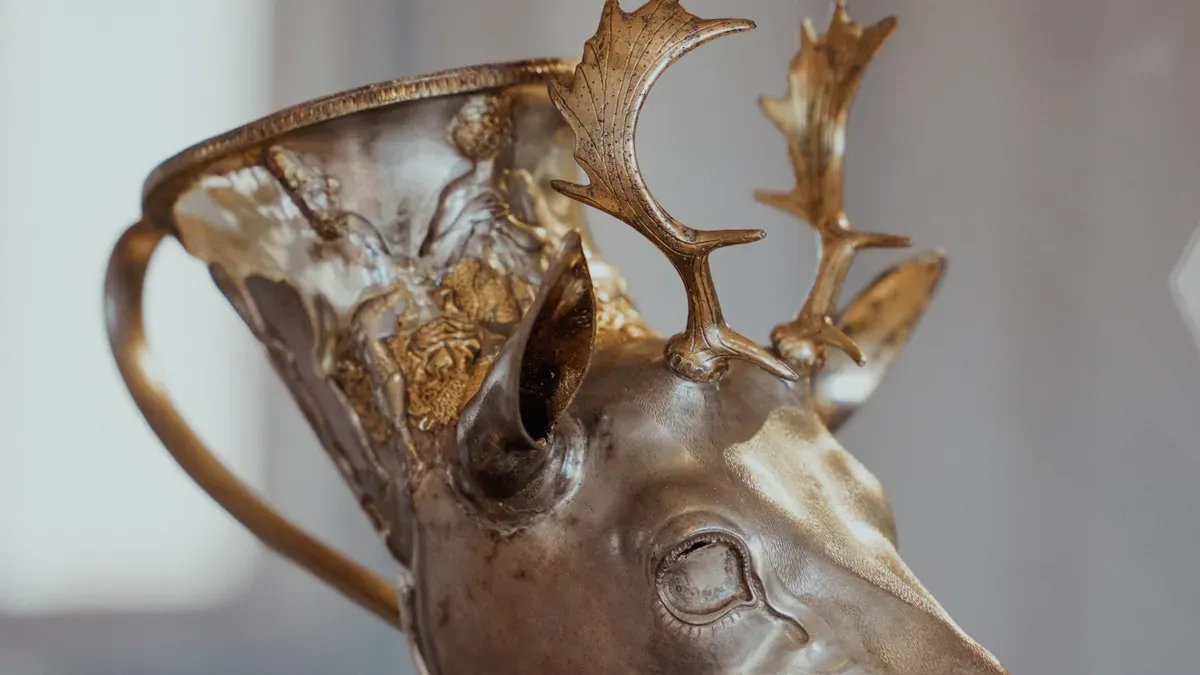
You may think a hart is just a deer, but it means much more. A hart describes an adult male deer, especially a red deer over five years old. This word carries deep historical, symbolic, and cultural importance. Understanding hart helps you see the richness behind this simple term.
Key Takeaways
- The term 'hart' refers specifically to a mature male red deer, emphasizing its age and significance in history and culture.
- Understanding the hart's symbolism can deepen your appreciation for its role in literature, art, and mythology, representing themes like courage and wisdom.
- To connect with the hart's cultural significance, explore your own traditions, listen to diverse stories, and reflect on the meanings behind symbols in your life.
Hart: Origin and Historical Meaning
Etymology and Roots of 'Hart'
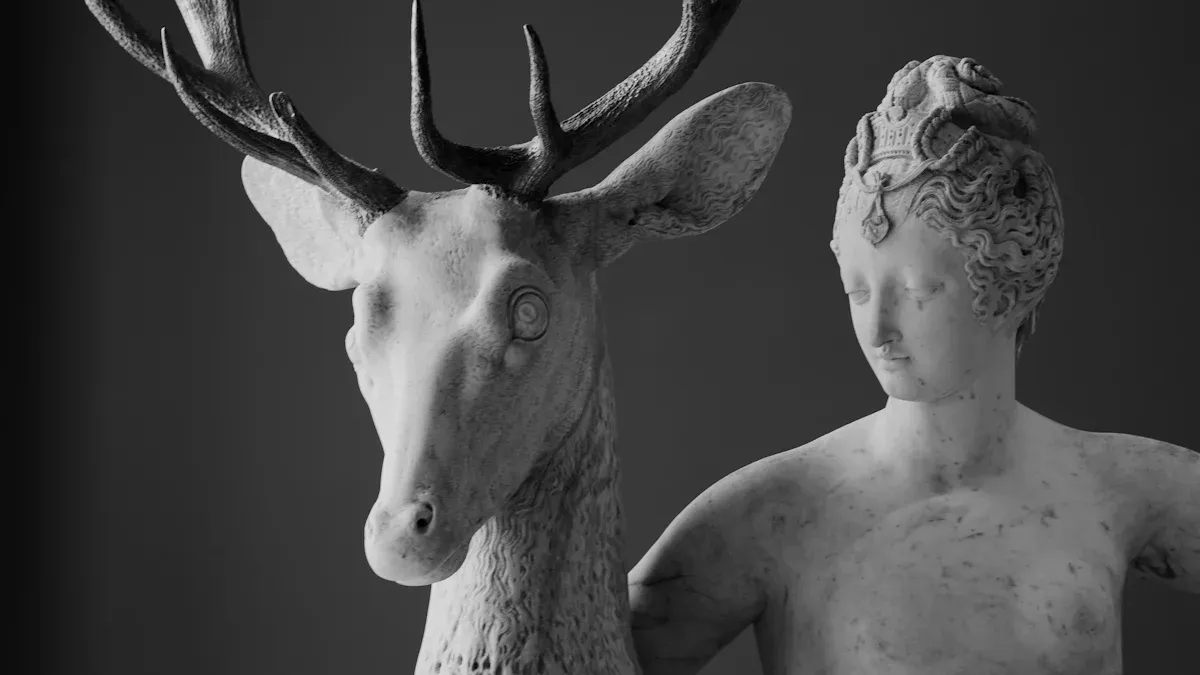
You can trace the word "hart" back through many centuries. It started with the Proto-Indo-European root ker-, which meant "horn" or "head." Over time, this root changed as languages evolved. In Proto-Germanic, the word became herutaz, describing a "horned animal," usually a mature male deer. Old English used heorot or heort for a "stag" or "male red deer." Middle English changed it to hert, which led directly to the modern word "hart."
Here is a table showing how the word developed:
| Language Stage | Word Form | Meaning |
|---|---|---|
| Proto-Indo-European | ker- | "horn" or "head" |
| Proto-Germanic | herutaz | "horned animal" (mature male deer) |
| Old English | heorot/heort | "stag" or "male red deer" |
| Middle English | hert | "hart" (mature male deer) |
You can see that each stage focused on the animal's antlers and maturity. The word "hart" always described a strong, older male deer, not just any deer.
Hart in Historical Context
You find the hart in many important parts of history. In medieval times, people saw the hart as a symbol of nobility and power. Kings and nobles used the hart in royal heraldry. For example, King Richard II chose the white hart as his personal badge. This badge showed purity and royal authority. Artists often drew the hart with a golden crown and a chain, making it look majestic.
The hart also stood for grace, peace, and vigilance. Its antlers meant abundance, and its calm form showed harmony. These traits matched the ideals of noble conduct. You can spot harts in illuminated manuscripts, where they appear in hunting scenes and decorative borders.
Medieval hunting laws treated the hart as a prized animal. Hunters classified harts by the number of tines on their antlers. Only harts with at least ten tines were worthy of pursuit. Hunting a hart was not just a sport. It was a social event with rituals that reinforced the social order. Nobles gathered to hunt the "hart royal," which was protected and reserved for the elite. This practice showed status and skill.
The hart also carried deep symbolic meaning. People often linked it to Christ and saints. This connection made the hart important in both hunting laws and religious customs.
You might wonder how the hart differs from the stag. The table below explains the main differences:
| Term | Definition | Historical Context | Modern Context |
|---|---|---|---|
| Hart | Mature male red deer (Cervus elaphus) over five years old | Emphasized prime age and size for hunting prestige | Continues to denote mature male red deer, especially in hunting and culling contexts |
| Stag | Any adult male red deer post first antler growth | Could apply to younger males with spike antlers | Generally used for male red deer in regulatory contexts, but broader than 'hart' |
You learn that the hart is not just any deer. It is a mature male red deer, respected for its age and size. The stag can be younger and less prestigious. This difference mattered in hunting and social customs.
Note: The hart played a key role in medieval society. Its presence in royal badges, hunting laws, and religious symbols shows how much people valued it.
Hart: Symbolism and Modern Relevance
Hart in Literature and Mythology
You can find the hart in many famous stories and legends. Writers and storytellers use the hart to show deep ideas and emotions. In many cultures, the white hart stands for elusive knowledge and divine judgment. You see this in Arthurian legends, where knights chase the white hart as a symbol of their search for wisdom that is hard to reach. In Hungarian mythology, the white hart leads the Huns to their new homeland, showing guidance and destiny.
In Christian stories, the hart often represents the presence of Christ. You also see the hart in Shakespeare’s plays. In The Merry Wives of Windsor, Herne the Hunter is linked to the white hart, adding a magical feeling to the story. C.S. Lewis uses the hunt for the white hart in The Lion, the Witch, and the Wardrobe to mark the start of a magical journey for the main characters.
- The white hart symbolizes elusive knowledge and divine judgment.
- In Arthurian legends, the hunt for the white hart represents the quest for unattainable knowledge.
- In Hungarian mythology, the white hart guided the Huns to their homeland.
- In Christian imagery, it symbolizes the presence of Christ.
- Shakespeare references Herne the Hunter, associated with the white hart, in The Merry Wives of Windsor.
- C.S. Lewis includes the hunt for the white hart in The Lion, the Witch, and the Wardrobe, linking it to a magical journey.
You can also see the hart in Shakespeare’s As You Like It. Here, the hart shows vulnerability and deep feelings. Jaques, a character in the play, feels sad for a wounded hart. He uses the hart’s pain to talk about how people can be cruel and unkind. This scene helps you think about the way people treat each other and the world.
In Christian art, the hart carries many meanings. You can see these in the table below:
| Symbolic Meaning | Description |
|---|---|
| Sorrows of Christ | A pierced heart signifies the sorrows of Christ and the Virgin Mary. |
| Divine Love | A flaming heart symbolizes divine love, charity, and religious fervor. |
| Saints' Devotion | Depictions of saints with flaming hearts represent their passion for God. |
Folklore and fairy tales use the hart to teach lessons and share important themes. You often see these ideas:
- The Power of Nature and the Supernatural
- Morality and Justice
- Transformation and Duality
- The Hero’s Quest
- The battle between good and evil
These stories help you understand why the hart is more than just an animal. It stands for big ideas like bravery, change, and the search for truth.
Hart in Contemporary Usage
Today, you still see the hart in many places. Writers and artists use the hart as a symbol in poems, songs, and art. The hart can stand for innocence, hope, or even danger. In modern poetry and song lyrics, the hart often appears as a metaphor. For example, in the song by the Dead Kennedys, the line "Serpent’s egg’s already hatched" shows that a problem has already started. This line connects to Shakespeare’s Julius Caesar and adds a deeper meaning.
| Lyric Example | Explanation |
|---|---|
| "Serpent’s egg’s already hatched" | This metaphor from the Dead Kennedys' song illustrates the idea of a threat that has already begun to develop, referencing Shakespeare's Julius Caesar to deepen its meaning. |
You may also notice the hart in logos, sports teams, and even city names. People choose the hart because it stands for strength, tradition, and beauty. The hart appears in art and jewelry, where it reminds you of nature and the past.
Tip: When you see a hart in a story, logo, or piece of art, think about what it might mean. The hart often carries a message about courage, wisdom, or the search for something greater.
You can see that the hart continues to inspire people today. Its image connects the past to the present and helps you understand the power of symbols in your world.
You discover that "hart" means more than just a deer. Its history and symbolism enrich your understanding. To appreciate its cultural significance, try these steps:
- Examine your own culture.
- Listen to stories from others.
- Consider context.
- Share your own experiences.
FAQ
What is the difference between a hart and a regular deer?
You call a hart a mature male red deer. A regular deer can be any age or gender. The hart stands out for its age and antlers.
Why do people use the hart as a symbol?
People use the hart to show strength, wisdom, and nobility. You see it in stories, art, and family crests because it means more than just an animal.
Can you still find the word "hart" in modern English?
Yes! You find "hart" in place names, literature, and even sports teams. You may also see it in poems and stories about nature.
See Also
Unveiling The Truth Behind Canine Influenza Virus Testing
Top Qualities That Define A Leading Nameplate Supplier
Exploring The Significance And Evolution Of Carrying Bars
Insights Into Designer Creativity Through Computer Chip Innovations