Best Practices for Handling ATBN Amino-Terminated Liquid Nitrile Rubber in Factories
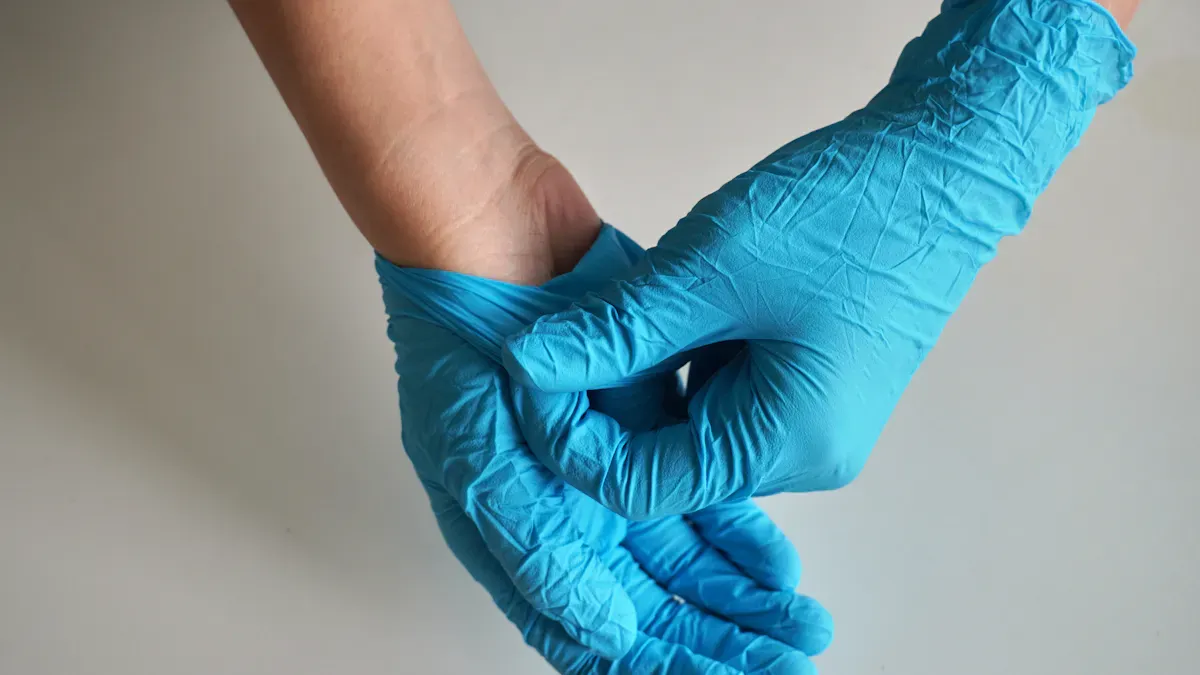
You must handle ATBN (Amino-Terminated Liquid Nitrile Rubber) CAS No. 68683-29-4 with care in your factory. Follow strict safety measures every day. Use the right equipment and store materials properly. Regular training helps you keep your team safe and your products top quality.
Key Takeaways
- Always wear personal protective equipment like gloves and goggles when handling ATBN to ensure your safety.
- Store ATBN in a cool, dry place away from sunlight to maintain its quality and effectiveness.
- Keep your work area clean and organized to prevent contamination and ensure the best results when using ATBN.
Preparation and Storage of ATBN (Amino-Terminated Liquid Nitrile Rubber) CAS No. 68683-29-4
Receiving and Inspecting Shipments
When you receive a shipment of ATBN (Amino-Terminated Liquid Nitrile Rubber) CAS No. 68683-29-4, check the packaging for any signs of damage. Look for leaks, tears, or broken seals. If you see any problems, report them right away. Open the container only in a clean area. Use gloves and safety glasses to protect yourself. Make sure the product matches the order details. Check the batch number and expiration date. This helps you keep track of quality and trace any issues later.
Storage Conditions and Temperature Control
You need to store this material in the right way to keep it safe and effective. Place the containers in a dry area. Keep them sealed in their original packaging. Store them at a temperature between 2 and 40°C. Do not let sunlight reach the containers. Sunlight and heat can damage the product. Good storage keeps the material stable and ready for use.
Tip: Use a thermometer and a humidity gauge in your storage room. This helps you monitor the environment and avoid problems.
Labeling and Inventory Management
Label every container clearly. Write the product name, batch number, and expiration date on each label. Use color codes or stickers to make it easy to find the right material. Keep a logbook or use inventory software to track how much you have. Update your records every time you receive or use the product. This helps you avoid running out or using old material by mistake.
Safe Handling Procedures for ATBN (Amino-Terminated Liquid Nitrile Rubber) CAS No. 68683-29-4
Personal Protective Equipment Requirements
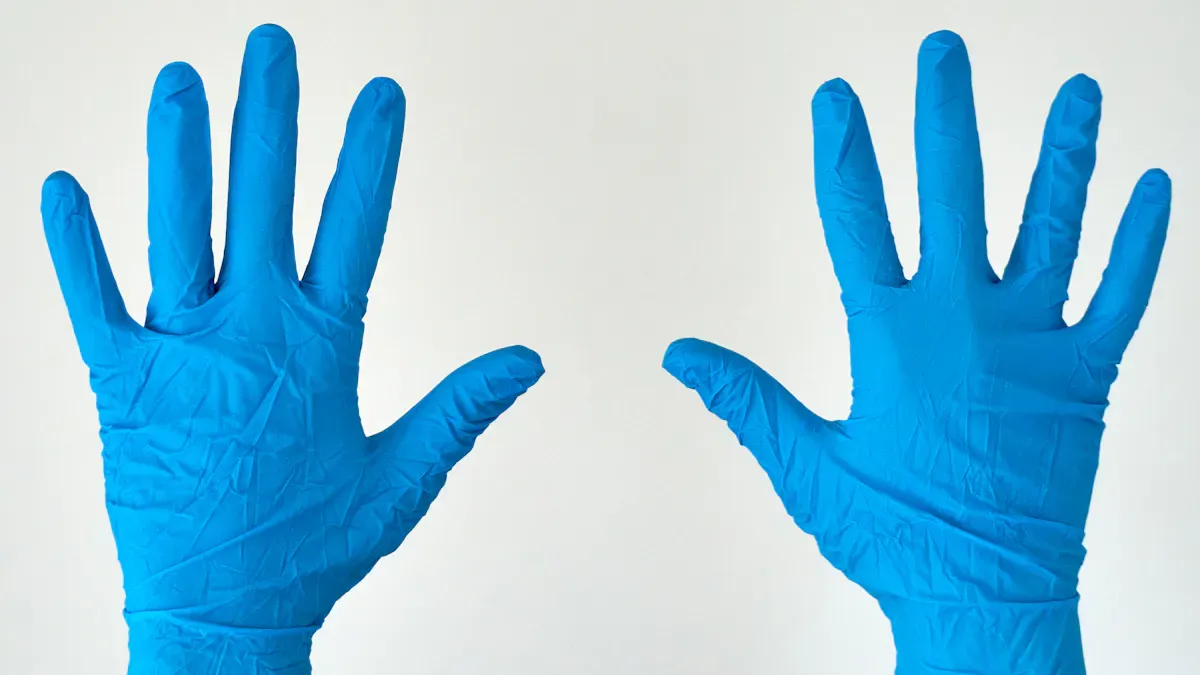
You must wear the right gear when you handle ATBN (Amino-Terminated Liquid Nitrile Rubber) CAS No. 68683-29-4. This keeps you safe from spills and contact with your skin or eyes. Always use:
- Chemical-resistant gloves
- Safety goggles or a face shield
- Long-sleeved clothing or a lab coat
- Closed-toe shoes
You should check your gear before you start work. Look for holes or cracks in gloves. Replace damaged items right away. Wash your hands after you finish handling the material. Do not touch your face or eat while you work with chemicals.
Tip: Set up a PPE station near your work area. This helps you remember to put on your gear every time.
Spill Prevention and Cleanup
You can prevent most spills by working carefully and keeping your area clean. Use drip trays under containers and mixing equipment. Tighten all lids after use. Store ATBN (Amino-Terminated Liquid Nitrile Rubber) CAS No. 68683-29-4 in sturdy, upright containers.
If a spill happens, act fast. Follow these steps:
- Tell your supervisor right away.
- Keep others away from the spill.
- Put on your protective gear.
- Use absorbent pads or sand to soak up the liquid.
- Place the waste in a sealed container for proper disposal.
Clean the area with soap and water after you remove the spill. Check your spill kit often and replace used items.
Note: Never use water to clean up large spills unless your safety data sheet says it is safe.
Ventilation and Environmental Controls
Good airflow keeps you safe from fumes. Work in a well-ventilated area. Open windows or use exhaust fans if you can. Some factories use fume hoods or local exhaust systems. These tools pull harmful vapors away from your breathing zone.
You should check your ventilation system often. Make sure fans and filters work well. Keep doors and vents clear. Do not block airflow with boxes or equipment.
| Control Method | Purpose | How to Use |
|---|---|---|
| Exhaust Fans | Remove fumes | Turn on before starting |
| Fume Hood | Contain and vent vapors | Work inside the hood |
| Open Windows | Increase fresh air | Open during work |
Good ventilation protects your health and keeps your work area safe.
Application Techniques and Equipment for ATBN (Amino-Terminated Liquid Nitrile Rubber) CAS No. 68683-29-4
Mixing and Dispensing Methods
You need to mix ATBN (Amino-Terminated Liquid Nitrile Rubber) CAS No. 68683-29-4 well before you use it. Use a clean, dry container for mixing. Always measure the right amount. Use a digital scale for accuracy. Start mixing at a slow speed. This helps you avoid bubbles and splashes. If you use a mechanical mixer, keep the blades below the surface. Mix until the liquid looks smooth and even.
For dispensing, use tools like syringes, pumps, or squeeze bottles. These tools help you control the flow. You can pour the liquid slowly for small jobs. For large batches, use a pump with a filter. This keeps out dust and dirt.
Tip: Always mix only what you need. Freshly mixed material works best.
Compatible Materials and Surfaces
You must choose the right surfaces for ATBN (Amino-Terminated Liquid Nitrile Rubber) CAS No. 68683-29-4. This material sticks well to many surfaces. You can use it on metals, glass, ceramics, and some plastics. Clean the surface before you apply the liquid. Remove oil, dust, and water. A clean surface helps the rubber bond better.
Here is a table to help you pick the right surface:
| Surface Type | Compatibility | Preparation Needed |
|---|---|---|
| Metal | High | Clean and dry |
| Glass | High | Clean with alcohol |
| Ceramic | High | Remove dust |
| Plastic | Medium | Test first, clean well |
Note: Test a small area first if you are not sure about the surface.
Equipment Maintenance and Cleaning
You must keep your tools and machines clean. Clean them right after you finish your work. Use a soft cloth or brush to wipe off extra material. For sticky spots, use a cleaner that works with nitrile rubber. Check your equipment for wear or damage. Replace broken parts before your next job.
Follow these steps for easy cleaning:
- Turn off and unplug machines.
- Wipe off extra liquid with a cloth.
- Use the right cleaner for your tools.
- Dry all parts before storing.
Clean tools last longer and give you better results every time.
Common Challenges and Troubleshooting with ATBN (Amino-Terminated Liquid Nitrile Rubber) CAS No. 68683-29-4
Preventing Contamination
You must keep your work area clean when you handle this material. Dust, dirt, and oil can ruin the quality of ATBN (Amino-Terminated Liquid Nitrile Rubber) CAS No. 68683-29-4. Always use clean tools and containers. Wipe down surfaces before you start. Wear gloves to stop skin oils from getting into the product. Store open containers away from busy areas. Cover them right after use.
Tip: Set up a “clean zone” for mixing and pouring. This helps you avoid unwanted particles.
Addressing Curing and Mixing Issues
Sometimes, you may see problems with curing or mixing. The rubber might not set right or could look uneven. Check your measurements first. Use a digital scale for accuracy. Mix slowly to avoid bubbles. If the room is too cold or too hot, the material may not cure as expected. Keep the temperature steady in your workspace.
| Problem | Possible Cause | Solution |
|---|---|---|
| Sticky surface | Not enough curing | Increase cure time |
| Bubbles | Fast mixing | Mix slowly |
| Uneven texture | Poor mixing | Stir longer |
Managing Waste and Disposal
You must handle waste with care. Never pour leftover rubber down the drain. Place used materials in a sealed container. Label the waste clearly. Follow your local rules for chemical disposal. Keep a log of how much waste you create. This helps you track and reduce waste over time.
Always check your safety data sheet for special disposal steps.
Recommended Products and Tools for ATBN (Amino-Terminated Liquid Nitrile Rubber) CAS No. 68683-29-4
Essential Tools for Handling ATBN
You need the right tools to handle ATBN in your factory. Start with accurate measuring devices like digital scales. These help you get the right mix every time. Use clean mixing containers and spatulas to avoid contamination. For dispensing, you can use syringes, squeeze bottles, or pumps. These tools give you control over how much material you use.
Many factories choose adhesives that work well with nitrile rubber. Infinity Bond Rubber Toughened CA Glue is a popular choice. It gives strong bonds and resists shock and heat. You can also use Infinity Bond SI Glue if you need a fast cure and want to work on different surfaces. Some workers prefer 3M 1099 Adhesive because it dries quickly and stands up to water, oil, and fuel. These products help you get reliable results with ATBN.
Tip: Keep your tools clean and store them in a dry place. This helps them last longer and keeps your work safe.
Supplier and Product Selection Tips
You should pick suppliers who have a good reputation. Look for companies that provide clear product data and safety sheets. Ask about batch testing and quality control. Reliable suppliers will answer your questions and help you solve problems.
Check if the product matches your needs. Review the open time, cure speed, and resistance to chemicals. Compare prices, but do not choose only by cost. Good support and consistent quality matter most. You can ask for samples before you buy large amounts.
| Selection Factor | What to Check |
|---|---|
| Product Data | Safety sheets, batch info |
| Performance | Cure time, resistance |
| Support | Technical help, fast answers |
| Price | Fair cost, sample options |
Note: Always test a small amount before using a new product in your process.
Additional Expert Tips for ATBN (Amino-Terminated Liquid Nitrile Rubber) CAS No. 68683-29-4
Training and Staff Education
You need to train your team before they handle ATBN (Amino-Terminated Liquid Nitrile Rubber) CAS No. 68683-29-4. Teach them how to use gloves, goggles, and protective clothing. Show them how to avoid skin contact and what to do if a spill happens. Use short lessons and hands-on practice. Review safety rules often so everyone remembers them. You can use posters or quick checklists near workstations to remind workers about important steps.
Tip: Hold short safety meetings every week. This helps your team stay alert and ready for any problem.
Documentation and Record-Keeping
You should keep clear records for every step when you use this material. Write down when you receive each shipment and check the packaging for damage. Track how much you use each day and who handled the product. Store all safety data sheets in a place where everyone can find them. Make a log for cleaning and maintenance of your tools. Good records help you follow safety rules and spot problems early.
Here is a simple table you can use for tracking:
| Date | Batch Number | Amount Used | Handler Name | Notes |
|---|---|---|---|---|
| 2024-06-01 | 12345A | 5 kg | J. Smith | No issues |
| 2024-06-02 | 12345A | 3 kg | L. Brown | Checked seals |
You should also record how you store ATBN (Amino-Terminated Liquid Nitrile Rubber) CAS No. 68683-29-4. Write down the temperature and check that containers stay sealed and dry. This helps you meet safety standards and keeps your workplace safe.
You protect your team and keep your factory running well when you follow best practices for ATBN (Amino-Terminated Liquid Nitrile Rubber) CAS No. 68683-29-4. Review your safety steps often. Train your staff and stay updated with new industry rules. This helps you keep high product quality.
FAQ
What should you do if ATBN contacts your skin?
Wash your skin with soap and water right away. Remove any contaminated clothing. Tell your supervisor if you notice redness or irritation.
Can you store ATBN near heat sources?
No, you should keep ATBN away from heaters, direct sunlight, and hot equipment. Store it in a cool, dry place for best results.
How often should you check your safety equipment?
- Check gloves, goggles, and coats before each use.
- Replace damaged items immediately.
- Review your safety gear every week for wear and tear.