How to Handle Sodium Hydride Safely in the Lab
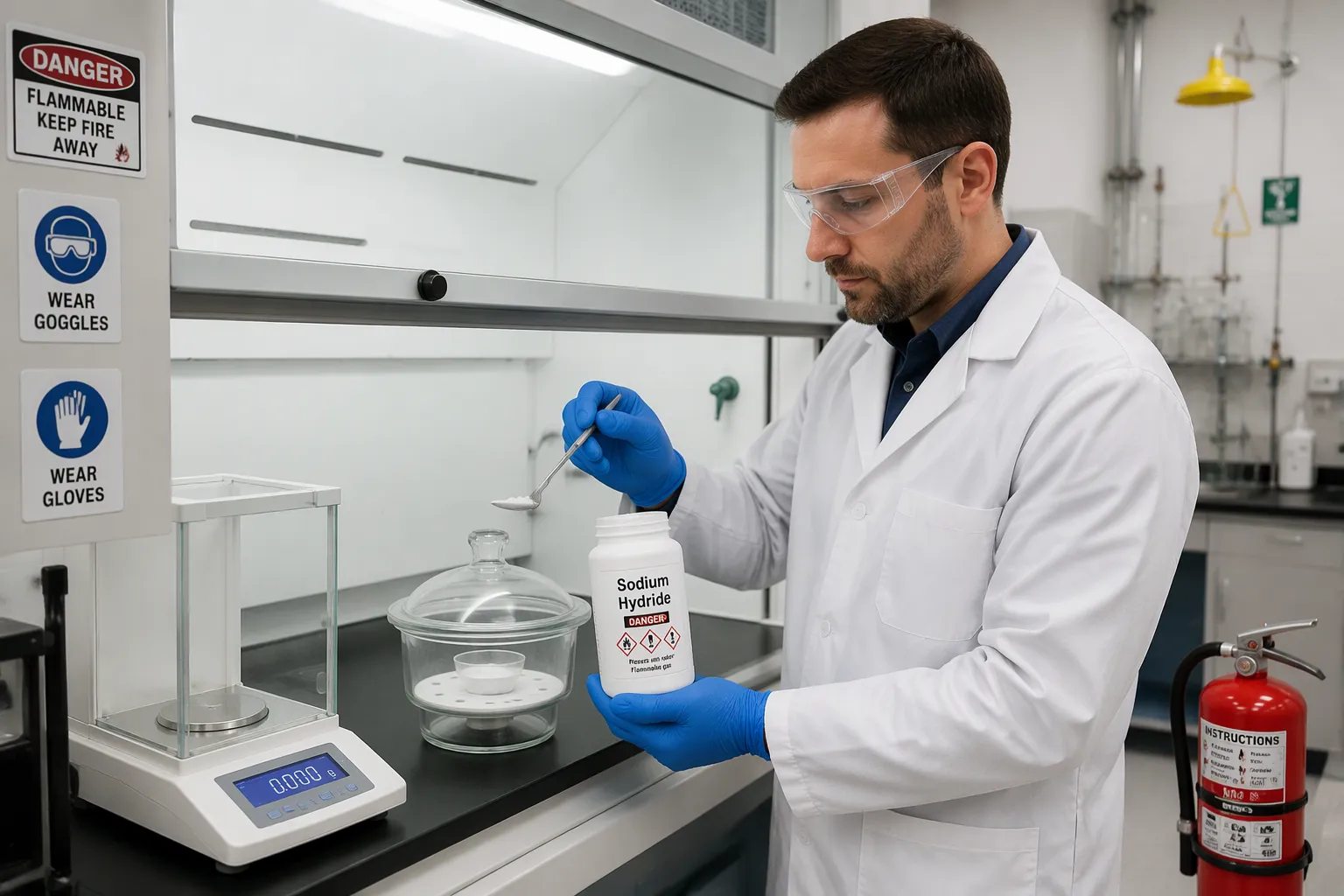
You must follow three non-negotiables with sodium hydride: work in an inert atmosphere, wear proper PPE, and keep moisture away at all times. This reagent reacts violently with water and releases flammable hydrogen gas. Air moisture alone can ignite it. Proper technique and preparation prevent most incidents.
Key Takeaways
- Always work with sodium hydride in a dry, inert atmosphere to prevent violent reactions with moisture.
- Wear proper protective gear, including splash goggles, a flame-resistant lab coat, and gloves, to protect yourself from caustic burns.
- Keep dry powder extinguishers and sand nearby, and never use water to fight sodium hydride fires.
Sodium Hydride Hazards You Must Know
You cannot treat this reagent like ordinary bench chemicals. Sodium hydride carries three distinct hazard profiles. Each one demands its own control strategy. You must understand all three before you open the container.
Violent Reactivity with Moisture
Water is the primary enemy of sodium hydride. The reaction is fast and highly exothermic. One molecule of sodium hydride meets one molecule of water and produces sodium hydroxide and hydrogen gas. You get heat, caustic mist, and a flammable gas cloud from a single splash.
The violence of this reaction surprises many people. The solid does not simply fizz. It can crack, spit, and even detonate in bulk contact with water. A small spill on a wet bench can throw caustic material into the air. A larger spill into a sink or floor drain can release enough hydrogen to create an explosive atmosphere in the room.
Humidity alone creates risk. Sodium hydride is stable in dry air. In moist air, the surface reacts slowly and forms a crust of sodium hydroxide. This crust can trap hydrogen gas underneath. The gas then escapes suddenly when the crust breaks. You may see this as a sharp pop or a small flash when you disturb an old container.
Never open a container of sodium hydride in a room with visible condensation, a running water bath, or a recent spill of any aqueous solution.
The oil dispersion form adds one more layer. The mineral oil slows the reaction with moisture. It does not stop it. You still must treat every gram as water-reactive. The oil also masks the appearance of the solid, so you cannot judge the condition of the reagent by looking at it.
Fire and Ignition Risks
Sodium hydride ignites above 230 °C in dry air. That temperature is lower than many people expect. A hot plate set too high, a heat gun aimed too close, or a malfunctioning heating mantle can reach this threshold. Once ignited, the solid burns to form sodium oxide. The flame is bright and intense.
The bigger fire risk comes from the hydrogen gas. The moisture reaction releases hydrogen continuously as long as water is present. Hydrogen ignites easily. A static spark, a hot surface, or a small flame can set it off. The resulting flash fire is nearly invisible in daylight. You may not see the flame until it has already spread.
Fires involving sodium hydride need the right extinguishing agent. Water makes the fire worse. Carbon dioxide can react with the hot sodium metal present in trace amounts. Dry powder and dry sand are the correct choices. You must know where these agents are stored before you start work.
The oil dispersion introduces a second fuel source. Mineral oil burns. A fire that starts in the solid can spread to the oil and grow quickly. You must plan for both fuel types in your fire response.
Health and Corrosion Effects
Sodium hydride itself is an irritant. The real danger comes from what it becomes. Contact with moisture on your skin or in your eyes produces sodium hydroxide instantly. Sodium hydroxide is a strong caustic. It causes severe burns and permanent eye damage.
Skin contact may not hurt at first. The caustic action develops over seconds. You may feel a slippery sensation before the pain arrives. By then, the damage has started. You must rinse immediately and keep rinsing for at least fifteen minutes.
Inhalation is a serious concern. The dust irritates the nose, throat, and lungs. The reaction with moisture in your airways forms caustic particles. These particles burn the delicate tissue lining your respiratory tract. Symptoms include coughing, chest tightness, and shortness of breath. These symptoms can worsen over hours.
The oil dispersion changes the exposure profile. The oil can carry fine particles onto your skin and spread the contamination. You must remove contaminated clothing at once and wash the affected area thoroughly. Do not let the oil fool you into thinking the material is harmless.
Corrosion damage extends to your equipment. Sodium hydroxide attacks glass, metal fittings, and vacuum grease. A small spill inside a glovebox can pit the viewing window over time. You must clean every trace of residue after each use.
Protect Yourself and Your Workspace
Personal Protective Equipment
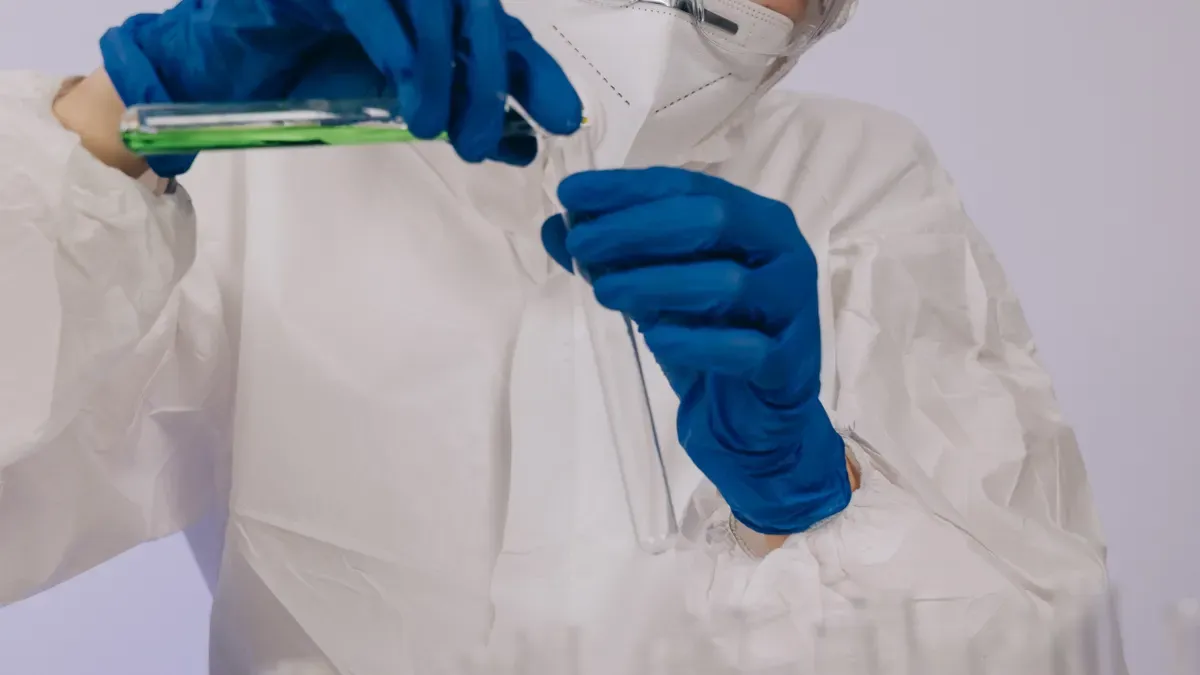
Your PPE forms the last barrier between you and sodium hydride. Start with chemical splash goggles, not safety glasses. A face shield adds protection for weighing and transfer work. Wear a flame-resistant lab coat over your street clothes. Nitrile gloves work for short handling tasks. Change them at the first sign of oil or powder. Heavy-duty gloves suit larger transfers. Closed-toe shoes and long pants cover your legs and feet. Remove all jewelry from your hands and wrists. Rings and watches trap caustic material against your skin.
Inspect every glove and goggle before each use. A pinhole leak turns a small splash into a serious burn.
Engineering Controls and Inert Atmosphere
A chemical fume hood is your minimum engineering control. Work with the sash low and airflow verified. Better still, use a glovebox filled with dry nitrogen or argon. An inert atmosphere removes the moisture that drives the reaction. Check the glovebox atmosphere before every session. Keep a moisture indicator visible inside the box. Position a dry powder extinguisher within reach, never water. Ground and bond all metal containers during transfer. Static sparks can ignite the hydrogen gas. Set up your workspace away from sinks, water baths, and floor drains. Post a clear sign that marks the area as water-reactive.
Safe Storage and Handling of Sodium Hydride
Safe Storage Practices
Store sodium hydride below +30 °C in a cool, dry, well-ventilated place. Keep every container tightly closed and strictly protected from moisture. A dedicated cabinet for water-reactive chemicals works best. Label the cabinet clearly so that everyone in the lab knows what lives inside.
Keep the container in its original packaging whenever possible. The 100 g and 500 g tin cans and the 1 kg tin can seal well against humid air. The 20 kg iron drum suits larger operations and stockroom storage. Inspect the seal on every container before you put it away. A dented lid or a torn gasket lets moisture in.
Never store sodium hydride near acids, water sources, or aqueous solutions. Keep it away from sinks, eyewash stations, and safety showers. Separate it from oxidizers and from anything that releases water vapor. Place the cabinet away from direct sunlight and away from heat sources such as ovens or steam lines.
Track your stock with a simple log. Record the date you open each container and the date you finish it. Old containers carry more risk. The surface crust grows thicker over time and traps hydrogen underneath. Rotate your stock so that older material gets used first. Return the container to the cabinet as soon as you finish weighing.
A container left open on the bench for an hour can absorb enough moisture to crust over and become unpredictable.
Weighing and Transfer Techniques
Weigh sodium hydride inside a glovebox whenever your setup allows. The inert atmosphere protects both you and the reagent. If you must weigh on the bench, work in a fume hood with the sash low. Keep a dry powder extinguisher within arm's reach.
Follow these steps for a safe transfer:
- Pre-weigh your target mass on a balance outside the box, then bring the closed container inside.
- Use a dry, clean spatula and a dry weighing boat. Moisture on either tool starts the reaction.
- Work quickly and keep the container closed between scoops.
- Cap the stock container before you move on to the next step.
- Clean the spatula and the balance area with dry paper towels, then quench the towels in a safe manner.
The oil dispersion form needs extra care. The mineral oil makes the powder sticky and hard to handle. Use a spatula with a flat edge and press gently. Do not grind or crush the material. Friction and heat can trigger ignition in rare cases.
Never return unused material to the stock container. The portion you weighed out may already carry moisture from the air. Keep it in a separate, labeled vessel and use it in the same session. This habit protects your whole stock from contamination.
Setting Up Reactions
Plan your reaction setup before you open any container. Read the procedure from start to finish. Confirm that every solvent you plan to use is dry. Sodium hydride reacts with water, alcohols, and any solvent that carries moisture. Use anhydrous solvents from a sure-seal bottle or a solvent purification system.
Assemble your glassware and dry it thoroughly. Flame-dry the flask and cool it under a stream of dry nitrogen or argon. Fit the apparatus with a septum and a nitrogen inlet. Purge the system for several minutes before you add anything.
Add sodium hydride to the flask first, then add your dry solvent slowly. This order keeps the reagent under an inert blanket. Watch for bubbling or fizzing. A small amount of gas is normal as trace moisture reacts. Strong, rapid fizzing means your solvent or glassware is wet. Stop and start over with fresh, dry materials.
Cool the flask in an ice bath when the procedure calls for it. The reaction with trace moisture releases heat. Cooling keeps the flask under control and reduces the fire risk. Add your substrate slowly and watch the temperature. Keep a nitrogen line connected for the whole reaction.
Quench the reaction carefully at the end. Add a dry alcohol such as isopropanol dropwise to destroy any leftover sodium hydride. Wait for the fizzing to stop before you add more. Then add water or aqueous workup solution in small portions. Never dump water into a flask that still holds active reagent.
Emergency Response and Waste Disposal
Spill Cleanup
Act fast, and never use water. Evacuate the area and warn everyone nearby. Put on fresh PPE before you approach the spill. Cover small spills with dry sand or a dry powder absorbent. Scoop the mixture into a dry, labeled container. Wipe the area with dry paper towels, then quench the towels carefully. For large spills, clear the room and call your safety officer.
Fire Response
Sound the alarm and evacuate. Use a dry powder extinguisher or dry sand on small fires. Never aim water or carbon dioxide at burning sodium hydride. Smother the flames and let the material cool. Call the fire department for any fire you cannot control in seconds.
Exposure First Aid
Flush skin or eyes with water for at least fifteen minutes. Remove contaminated clothing at once. Move to fresh air if you inhale dust or fumes. Seek medical attention for every exposure, even a minor one.
Waste Disposal
Quench leftover reagent with dry isopropanol, then add water slowly. Store the neutralized waste in a labeled container. Follow your institution's hazardous waste rules. Never pour sodium hydride waste down a drain.
Keep these three rules in mind every time you work with sodium hydride: use an inert atmosphere, wear the right PPE, and control moisture without exception. Training and written safety protocols prevent accidents. Review your lab's SOP and emergency plan before your next use.
FAQ
How do you know when sodium hydride has gone bad?
Look for a thick white crust or a swollen lid. Both signal moisture damage. Discard the container through your hazardous waste channel. Do not try to salvage crusted material.
Can you handle the oil dispersion on the bench?
Only in a fume hood with dry tools and a dry powder extinguisher nearby. A glovebox gives better protection. The oil slows moisture attack but never stops it.
What should you do if a container pops or flashes when you open it?
Close it at once and move away. Let the gas vent in a hood before you touch it again. Report the container to your safety officer.
See Also
Essential Safety Measures When Storing Nitric Acid Safely
Contemporary Synthesis Techniques for Aminoguanidine Bicarbonate and Industrial Uses
Unexpected Approaches for Troubleshooting Sulfur Recovery Catalyst Issues
Synthesis of Aminoguanidine Bicarbonate and Its Main Applications
Industrial Uses and Dissolution Methods for 2 5-Furandicarboxylic Acid