A Guide to Semi Automatic Blow Molding Machines and More
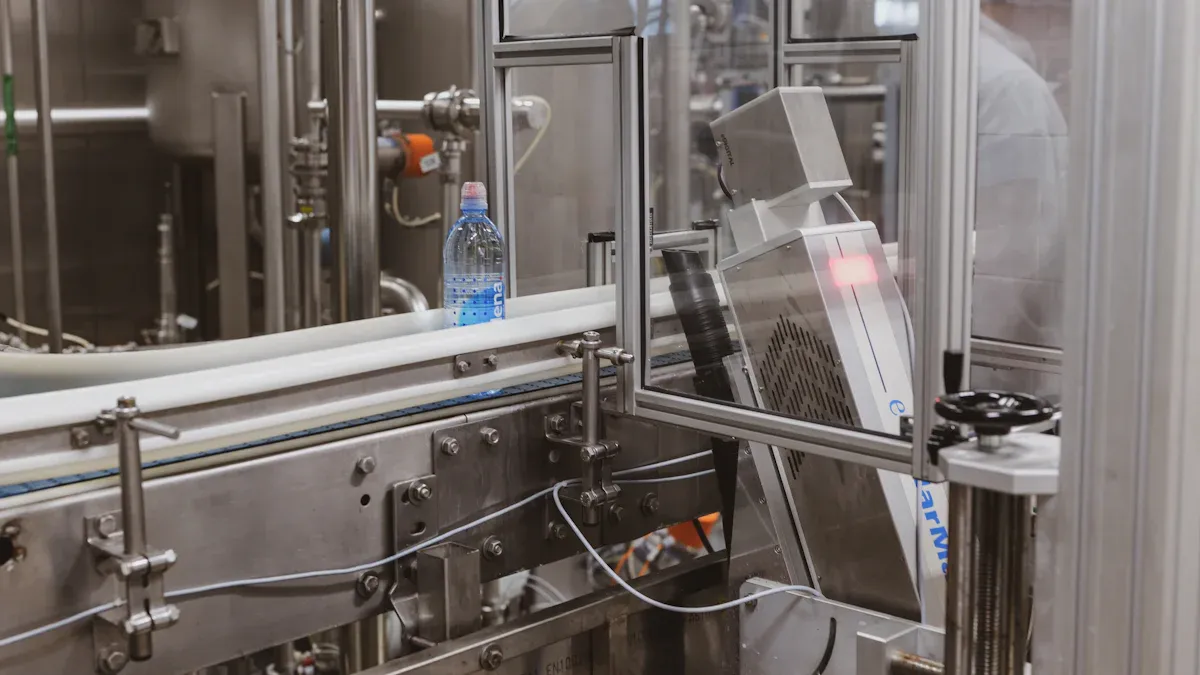
The blow molding industry utilizes three main processes in 2025 to create hollow plastic parts.
- Extrusion Blow Molding (EBM)
- Injection Blow Molding (IBM)
- Stretch Blow Molding (SBM)
Producers categorize these systems by their level of automation. The primary classifications are the Semi Automatic Blow Molding Machine and the fully automatic model.
A Deep Dive into the Semi Automatic Blow Molding Machine
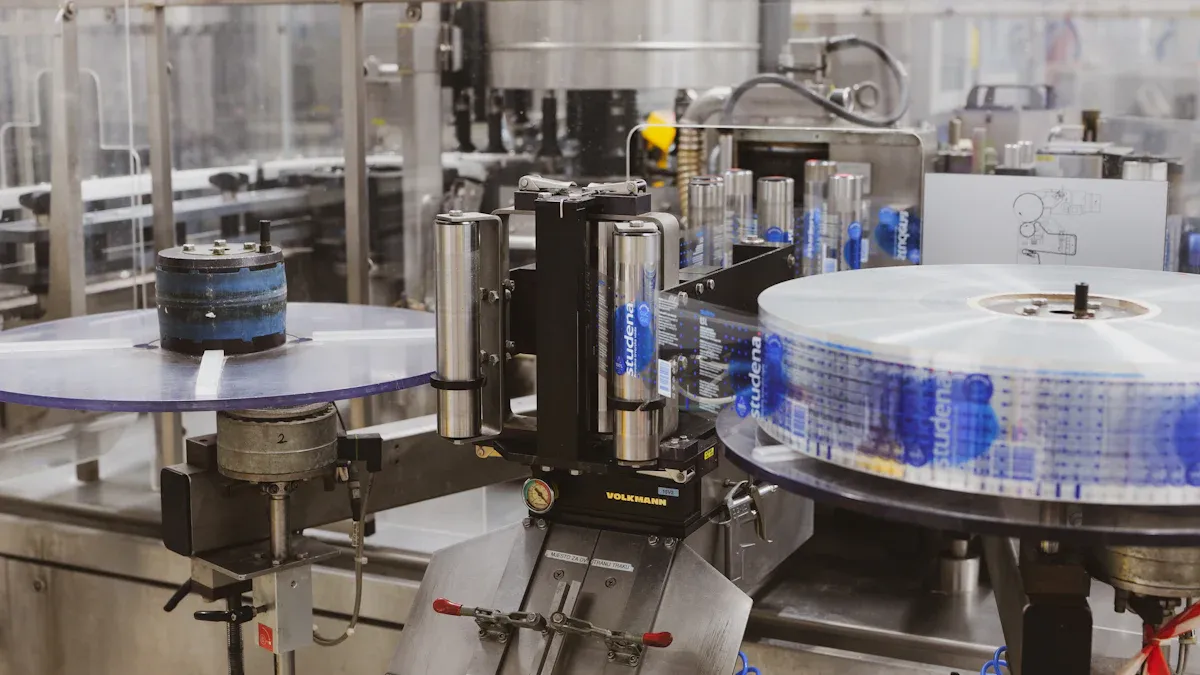
A Semi Automatic Blow Molding Machine combines human labor with automated processes. This hybrid approach offers a unique balance of control, flexibility, and affordability. It stands as a vital option for many manufacturers in today's market.
What Defines a Semi-Automatic Machine?
A semi-automatic machine requires an operator to perform specific steps in the production cycle. The machine does not handle the entire process from raw material to finished product on its own. The division of labor is its defining characteristic.
Note: The "semi" in semi-automatic refers to the operator's direct involvement. Typically, an operator manually loads plastic preforms into the machine and later removes the finished, blown products. The machine automates the critical steps in between, such as heating, stretching, and blowing the plastic into the mold's shape.
This collaboration allows for human oversight at the beginning and end of each cycle. The operator ensures proper loading and inspects the final product, while the machine executes the high-precision molding tasks.
Key Advantages of Semi-Automatic Operation
Producers gain several key benefits when they use a Semi Automatic Blow Molding Machine. These advantages make it an attractive choice for specific business needs.
- Lower Initial Investment: These machines have a simpler design with fewer automated components. This results in a significantly lower purchase price compared to fully automatic systems, making them more accessible.
- Greater Flexibility: Operators can change molds quickly and easily. This flexibility is perfect for producing small batches of different products. A company can switch from one bottle design to another with minimal downtime.
- Simplified Maintenance: Fewer moving parts and simpler electronics mean troubleshooting and repairs are more straightforward. Operators with basic training can often resolve minor issues, reducing reliance on specialized technicians.
- Smaller Physical Footprint: Semi-automatic models are generally more compact. They require less floor space, making them ideal for smaller facilities or for adding a new production line in a crowded workshop.
When to Choose a Semi-Automatic Model
A business should choose a semi-automatic model when its production goals align with the machine's core strengths. Certain scenarios make it the ideal choice.
1. Startups and Small-Scale Operations New companies or those with limited capital benefit from the lower entry cost. The initial investment for a Semi Automatic Blow Molding Machine is manageable, allowing businesses to start production without a massive financial burden. The pricing structure often provides discounts for bulk purchases.
| Quantity (Sets) | Price (USD) |
|---|---|
| 1 | 30,000 |
| 20 - 99 | 25,000 |
| >= 100 | 20,000 |
2. Custom Products and Prototyping 🧪 This machine is perfect for creating custom-shaped containers, testing new designs, or running limited-edition product lines. The ease of changing molds allows for cost-effective experimentation and production of unique items that do not require massive output.
3. Low to Medium Production Volumes If a company needs to produce thousands or tens of thousands of units rather than millions, a semi-automatic machine is highly efficient. It avoids the high cost and complexity of a fully automatic system that is only cost-effective at extremely high volumes.
Comparing Other Blow Molding Machine Types
Understanding the alternatives to a Semi Automatic Blow Molding Machine helps clarify which system fits a specific need. Each type offers distinct capabilities for different products and production scales.
Fully Automatic Blow Molding Machines
Fully automatic machines operate with minimal human intervention. They are the best choice for high-volume manufacturing. These systems provide several major benefits.
- High Output Speed: They enable rapid mass production, reducing manufacturing time.
- Superior Quality: The process creates PET bottles with excellent clarity and durability.
- Material and Energy Savings: Advanced technology allows for lightweight bottles, which cuts down on plastic resin use and lowers energy consumption.
Extrusion Blow Molding (EBM)
Extrusion Blow Molding (EBM) is a process ideal for creating large, hollow containers. Manufacturers often use materials like HDPE, PE, and PP. This method is popular for producing items such as jerrycans, household appliance parts, and other durable containers. EBM offers significant cost savings because it can effectively use low-cost and recycled materials.
Injection Blow Molding (IBM)
Injection Blow Molding (IBM) excels at producing smaller, high-precision bottles and jars. This process offers excellent control over wall thickness and neck finish. It creates no scrap material, making it very efficient. IBM is common in the pharmaceutical and cosmetic industries where accuracy and a high-quality finish are essential.
Stretch Blow Molding (SBM)
Stretch Blow Molding (SBM) is famous for making PET bottles. The process stretches the plastic along two axes. This orientation gives PET bottles better strength, clarity, and gas barrier properties. These qualities are necessary for packaging carbonated beverages. Common products include bottles for:
- Soft drinks and mineral water
- Edible oil
- Detergents
SBM systems can be a fully automatic line or a Semi Automatic Blow Molding Machine, offering a range of production options.
The blow molding industry offers three main processes: EBM, IBM, and SBM. Each is available in semi-automatic or fully automatic configurations.
A company's choice depends on its production volume, budget, and product complexity. For example, EBM suits large, complex shapes, while IBM is for small, simple bottles.
In 2025, semi-automatic machines remain a vital, flexible choice for startups and specialized production runs.
FAQ
What is the main difference between semi-automatic and fully automatic machines?
A semi-automatic machine requires an operator for loading and unloading. Fully automatic systems manage the entire process, from raw material to finished product, without manual intervention.
Which machine is best for soda bottles? 🥤
Stretch Blow Molding (SBM) is the ideal choice. This process creates the strong, clear PET bottles necessary for packaging carbonated beverages like soda.
Can a semi-automatic machine use different molds?
Yes. Operators can change molds quickly on semi-automatic machines. This flexibility is perfect for creating custom products or producing small batches of different bottle designs.
See Also
Top Ampoule Filling Line Manufacturers: A Comprehensive Industry Comparison
Innovations in Folder Gluer Technology for 2025 Carton Production
Essential Frame Plate Kits: A Novice's Guide to Auto Reinforcement
Automatic UV Coaters: Crucial for Achieving High-Speed Printing Efficiency
Versatile Nozzle Solutions: Catering to Gardeners, Bioprinters, and Lubrication Needs