The Essential Guide to Bean Sorting and Cleaning Tech
Processors use diverse technologies for bean cleaning and sorting. A modern pinto beans sorting machine significantly boosts operational efficiency. Projections show the global agricultural sorting machinery market reaching USD 417 million by 2034, growing at a 4.5% CAGR. Selecting the right equipment depends on processing volume and specific quality standards.
Core Technologies in Bean Cleaning and Sorting
Processors rely on a range of technologies to meet quality standards. Each system offers distinct advantages for separating good beans from defects and foreign material. Understanding these core technologies helps businesses select the most effective equipment for their specific operational needs.
Manual Sorting Tables
Manual sorting is the most traditional method for cleaning beans. Operators visually inspect beans spread across a sorting table or conveyor belt. They physically remove discolored beans, foreign materials like stones, and other visible defects by hand. This method provides a high degree of control over the final product.
However, manual sorting is slow and labor-intensive. Human sorters are susceptible to fatigue and error, which can lead to inconsistent quality. An operator's efficiency typically hovers around 60-70% for produce like green beans. In contrast, automated systems can boost this efficiency to over 90% while reducing the number of manual graders by up to 70%. Advanced AI-powered sorters can even process thousands of beans per minute, effectively doubling the throughput of manual methods.
Note: While suitable for very small-scale or artisanal operations, manual sorting does not scale effectively for medium to large commercial processors due to high labor costs and limited throughput.
Mechanical Screeners and Sifters
Mechanical screeners and sifters are fundamental tools for initial cleaning. These machines use vibration and multi-layered screens to separate beans based on size. A vibratory motor assembly creates a controlled motion, causing the beans to move across perforated screen decks.
The separation process is highly efficient and customizable.
- Interchangeable Screens: Operators can choose from over a hundred screen sizes to match the specific dimensions of the bean variety being processed. Higher mesh numbers indicate smaller openings for finer particle separation.
- Scalping and Sifting: The top screen (scalper) removes oversized debris like pods and large sticks. Subsequent screens (sifters) allow the good beans to pass through while smaller particles like dirt, sand, and broken bean fragments fall to lower levels.
- Adjustable Performance: Operators can fine-tune the vibration speed and deck slope to optimize the separation efficiency for different materials.
Gravity Separators
Gravity separators refine the sorting process by separating materials based on density. This technology excels at removing impurities that are the same size as good beans but differ in weight. Full, healthy beans have a high density. Damaged, shrunken, or insect-eaten beans have a lower density.
The machine works through a combination of airflow and vibration.
- Stratification: A tilted, vibrating deck causes beans to stratify into layers, with heavier beans sinking to the bottom.
- Fluidization: A fan pushes air up through the deck, creating a fluidized bed that lifts the lighter, low-density particles.
- Separation: The deck's eccentric motion drives the heavy, high-quality beans uphill toward a discharge spout. Simultaneously, the lighter beans and contaminants float downhill to a separate exit.
This process effectively mimics sorting by hand but does so with mechanical precision, removing both light and heavy contaminants. Common defects removed by gravity separators include:
- Stones
- Chaff and dust
- Worm-eaten or moldy products
- Undersized or shrunken beans
Optical Sorters
Optical sorters represent the pinnacle of sorting technology, offering unparalleled accuracy. These machines use advanced sensors to inspect every single bean at high speed. A modern pinto beans sorting machine, for example, relies on this technology to achieve top-grade product quality.
Optical sorters integrate sophisticated optics, electronics, and pneumatics. High-sensitivity linear CCD (Charge-Coupled Device) sensors, often from manufacturers like Japan Toshiba, capture detailed color and shape information. Many systems also incorporate infrared (IR) and ultraviolet (UV) sensors to detect defects invisible to the human eye. When a sensor identifies a defective bean or foreign material, it signals a bank of high-speed solenoid valves. These valves release a precise puff of compressed air, ejecting the unwanted particle from the product stream with pinpoint accuracy.
The sorting accuracy of these machines is exceptional, ensuring a premium final product.
| Product Category | Sorting Accuracy Range | Specific Examples (Accuracy) |
|---|---|---|
| Food & Agricultural Products | 95% – 99.99% | Rice & Grain: Up to 99.9% purity; Coffee Beans: 99.99% defect removal |
| Recycling & Waste Management | 90% – 98% | Plastic Recycling: Up to 99.9% for PET purification |
This level of precision allows processors to meet the most stringent quality standards, enhance product value, and protect their brand reputation.
Essential Components for Comprehensive Cleaning
Core sorting technologies work best when supported by specialized cleaning components. These systems target specific types of foreign material, from heavy stones to fine dust. Integrating them creates a comprehensive cleaning line that guarantees product safety and purity.
Destoners
Destoners are crucial for removing heavy contaminants like stones, glass, and dirt clods that are similar in size to beans. Failing to remove these items can damage expensive grinding equipment and lead to serious consumer complaints. A destoner separates materials using airflow and vibration.
- Feeding: Beans are fed onto a vibrating, inclined deck.
- Stratification: A fan pushes air up through the deck, causing the lighter, clean beans to float.
- Separation: The heavier stones and debris are unaffected by the air. They sink and travel along the vibrating deck to a separate discharge outlet.
Magnetic Separators
Processors use magnetic separators to eliminate ferrous metal contaminants. This step is a critical control point (CCP) in many Hazard Analysis and Critical Control Points (HACCP) food safety plans. The machine generates a powerful magnetic field as beans flow through it. This field captures any metal fragments—from tiny filings to nuts and bolts—while allowing the clean beans to pass through unharmed. This protects both consumers and downstream processing machinery.
Multi-Layer Sieve Systems
Multi-layer sieve systems classify beans according to size. These machines follow a "coarse at the top, fine at the bottom" principle. The top sieve has large openings to scalp off oversized material like pods or large debris. Subsequent layers use progressively smaller screen openings. These lower sieves allow good beans to pass through while filtering out smaller broken pieces, shriveled seeds, and fine particles, ensuring a uniform final product.
Aspiration and Air-Jet Systems
Aspiration systems efficiently remove lightweight impurities. These units use a controlled column of air to separate materials based on density. As beans fall through the aspiration channel, the upward airflow lifts and carries away dust, chaff, hulls, and insect fragments. The heavier, clean beans continue to fall to a discharge outlet. Operators can adjust the air velocity to precisely match the characteristics of different bean types.
A Buyer's Guide to Selecting Your Equipment
Selecting the right sorting and cleaning equipment is a significant capital investment. A thoughtful decision balances processing needs, quality targets, budget constraints, and long-term operational goals. This guide provides a framework for navigating the key factors to ensure a successful purchase.
Assessing Your Processing Volume and Scale
The first step is to quantify your operational scale. Equipment capacity is typically measured in tons per hour, and choosing the wrong size can create bottlenecks or lead to unnecessary expense. Businesses must analyze both current throughput and future growth projections.
A processor's scale directly influences the type of machinery required. The table below outlines typical capacities for different machine types.
| Scale | Machine Type | Capacity (tons/hour) |
|---|---|---|
| Small-scale | Gravity Tables & Sifters | 1–5 |
| Medium-scale | Optical Sorters | 2–6 |
| Large-scale | High-Capacity Lines | 6–15+ |
To select a scalable solution, businesses should adopt a forward-looking approach. A system should not only solve today's problems but also accommodate growth over the next decade.
Pro Tip: A good rule of thumb is to choose a sorter that can handle 125-150% of your average daily volume. This provides the flexibility needed to manage seasonal peaks and sudden increases in demand without compromising efficiency.
Forecasting future needs involves a few key steps:
- Analyze Historical Data: Review order volumes to identify daily, weekly, and seasonal peaks. An increase of just 15% in monthly shipments can quickly overwhelm an existing system.
- Project Future Growth: Align equipment capacity with business plans for market expansion or new product offerings. Proactive scaling prevents future operational disruptions.
- Evaluate Product Variability: Consider the number of stock-keeping units (SKUs) and the range of bean types you process. More variability may require more flexible, albeit slower, systems.
- Align with Strategy: Ensure the sorter's throughput matches long-term goals, such as consolidating operations or adding new distribution channels.
Matching Technology to Bean Type and Quality Standards
Not all beans are created equal, and neither are the standards they must meet. The technology a processor chooses must align with the specific characteristics of the bean and the quality grade they aim to achieve. Delicate beans like lima beans may require gentler handling than robust pinto beans.
The USDA Agricultural Marketing Service (AMS) provides detailed grading standards for dozens of bean classes. These standards define acceptable levels for defects, foreign material, and contrasting colors.
The USDA classifies a wide variety of dry edible beans, each with its own set of quality criteria. Meeting the top grade for one class may require different sorting capabilities than another.
Some common USDA bean classes include:
- Pinto beans
- Black beans
- Light and Dark Red Kidney beans
- Great Northern beans
- Pea beans (Navy beans)
- Chickpeas (Garbanzo beans)
- Large and Baby Lima beans
For basic cleaning or animal feed grades, mechanical screeners and gravity separators may be sufficient. However, to meet stringent food-grade or export standards, an optical sorter is essential. These machines can detect subtle color variations, spot damage, and identify foreign materials with an accuracy of up to 99.9%, ensuring a premium final product.
Calculating Budget and Return on Investment (ROI)
The cost of sorting equipment varies dramatically. A basic mechanical screener might cost a few thousand dollars, while advanced, AI-powered hyperspectral optical sorters can exceed $120,000. Chinese manufacturers often dominate the mid-range market, with effective optical sorters available for $15,000 to $30,000. A high-quality pinto beans sorting machine with a capacity of 5 tons per hour, like a Buhler Sortex A series, can cost around $46,000.
However, the initial purchase price is only one part of the financial equation. A comprehensive ROI calculation should account for:
- Labor Savings: Automated systems can reduce the need for manual sorters by 70% or more.
- Increased Throughput: Machines process beans faster and more consistently than human operators, boosting overall output.
- Improved Product Quality: Higher-grade products command better prices in the market.
- Reduced Waste: Precise sorting minimizes the rejection of good products, maximizing yield.
- Brand Protection: Eliminating foreign material protects a company's reputation and prevents costly recalls.
A higher initial investment in advanced technology often delivers a faster ROI through greater efficiency and enhanced product value.
Evaluating Maintenance Needs and Supplier Support
A machine's long-term value depends heavily on its reliability and the support provided by the supplier. Downtime is costly, so evaluating maintenance requirements and the availability of technical assistance is critical before making a purchase.
Routine maintenance is essential for keeping equipment, especially optical sorters, in peak condition. Regular tasks prevent performance degradation and extend the machine's lifespan.
Typical Maintenance Schedule for an Optical Sorter:
- Daily:
- Clean viewing windows, lenses, and background plates with soft brushes and compressed air.
- Wipe down feed hoppers and chutes to remove product residue.
- Empty reject bins and inspect for any visible issues.
- Weekly/Monthly:
- Perform system calibration routines to ensure sensor accuracy.
- Inspect and clean or replace compressed air filters.
- Check belts and vibrators for signs of wear or unusual noise.
Beyond maintenance, a strong supplier partnership is invaluable. Leading suppliers offer comprehensive support packages that ensure maximum uptime. When evaluating a supplier, look for:
- 24/7 Technical Support: Access to experts via a hotline or live chat for immediate troubleshooting.
- Remote Diagnostics: The ability for technicians to remotely access the machine to diagnose faults.
- On-Site Service: A rapid-response team for breakdowns that require hands-on repair.
- Comprehensive Training: In-depth training programs for operators and maintenance staff covering setup, operation, and troubleshooting.
Choosing a supplier that acts as a long-term partner provides peace of mind and ensures the equipment remains a productive asset for years to come.
Upgrading Your Line: The Pinto Beans Sorting Machine Example
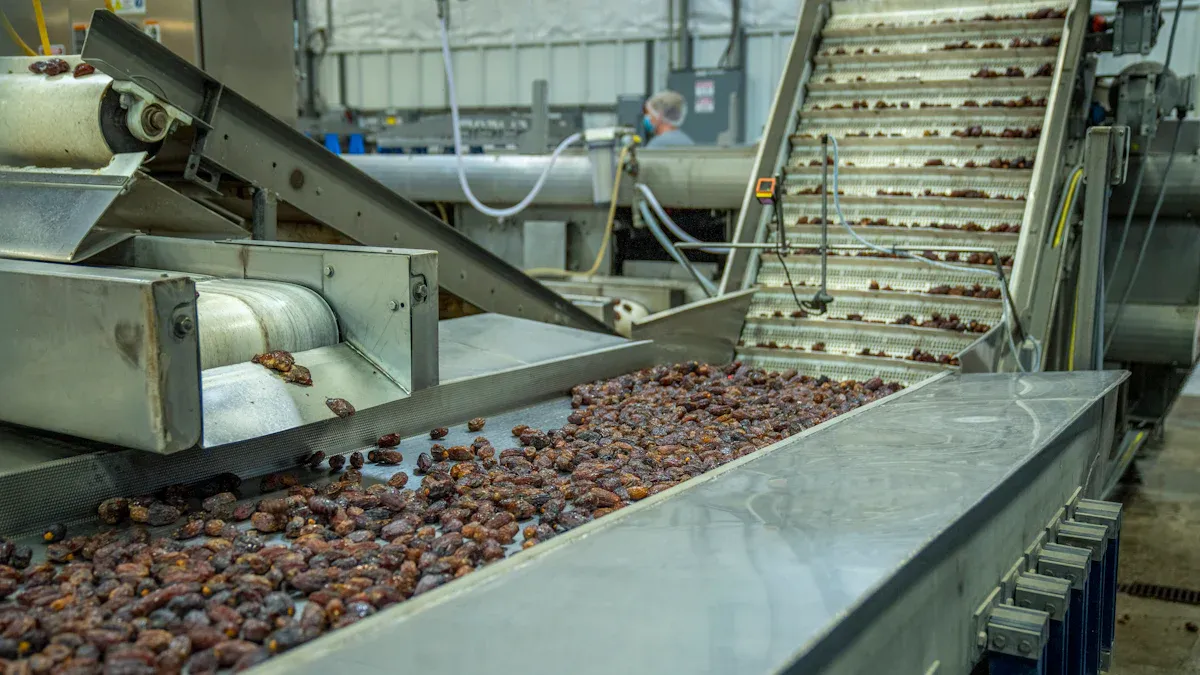
Transitioning to automated technology marks a pivotal moment for any processing facility. The pinto bean industry provides a clear case study for this evolution. A modern pinto beans sorting machine replaces outdated methods with precision engineering, transforming operational capabilities and product quality. This upgrade moves a business from reliance on inconsistent manual labor to the reliability of advanced automation.
From Manual to Automated Sorting
The shift from manual inspection to automated systems addresses fundamental operational challenges. Manual sorting is slow, expensive, and prone to human error. Operators experience fatigue, leading to inconsistent quality control over long shifts. An automated pinto beans sorting machine, however, operates continuously with unwavering accuracy. It processes massive volumes at high speeds, identifying defects that the human eye might miss. This change allows businesses to scale production efficiently while maintaining strict quality standards.
Key Benefits of Specialized Machinery
Specialized machinery delivers significant advantages over traditional methods. The technology solves many persistent sorting challenges and boosts overall performance. Key benefits include:
- Superior Defect Removal: Automated sorters easily detect and eject foreign materials like stones and glass. They also remove rotten, discolored, or insect-damaged beans.
- Increased Throughput: Automation dramatically improves processing speed and efficiency, allowing for higher output.
- Reduced Labor Costs: Machines reduce the need for a large manual sorting workforce, minimizing labor expenses and human error.
- Consistent Product Purity: Automated systems achieve exceptionally high purity levels by precisely removing defects based on color, size, and shape.
Integrating New Tech into Existing Workflows
Successful integration requires careful planning. A business must first assess its physical layout to ensure adequate space for the new equipment. Operators and maintenance staff need comprehensive training to manage the new technology effectively. Companies should also evaluate their entire production line. The increased throughput of a new sorter may require adjustments to upstream feeding systems and downstream packaging equipment to prevent bottlenecks and maximize efficiency.
Investing in the right cleaning and sorting technology is a critical step toward ensuring product quality and operational profitability. The best choice aligns a processor's specific needs with appropriate technological capabilities. Companies like Advantech and Xeltron demonstrate how advanced systems achieve superior results, enhancing a product's market value and strengthening a brand's reputation.
FAQ
What is the first step in cleaning beans?
The first step is scalping. Processors use mechanical screeners to remove large debris like pods and sticks. This protects downstream equipment and improves the efficiency of subsequent sorting stages.
Can one machine sort all types of beans?
Modern sorters handle multiple bean types. Operators adjust machine settings and change screens to match the specific size, shape, and color characteristics of each bean variety for optimal performance.
How often does an optical sorter need calibration?
Calibration frequency depends on usage. Most manufacturers recommend weekly or monthly system checks. This routine ensures sensors maintain peak accuracy and sorting performance remains consistent for high-quality output.
See Also
Capsule Sorters: Essential Tools for Flawless Product Quality Control
Essential Industrial Checkweighers: A Must-Have for Food Production Facilities
Tablet Samplers: Your Comprehensive Guide to Laboratory Equipment Selection
Best Capsule Checkweighers for Buyers to Evaluate in the Coming Year
Sterile Filter Devices: Demystifying Their Critical Operational Principles