The Ultimate Guide to Fabric Dyeing Machines in 2025
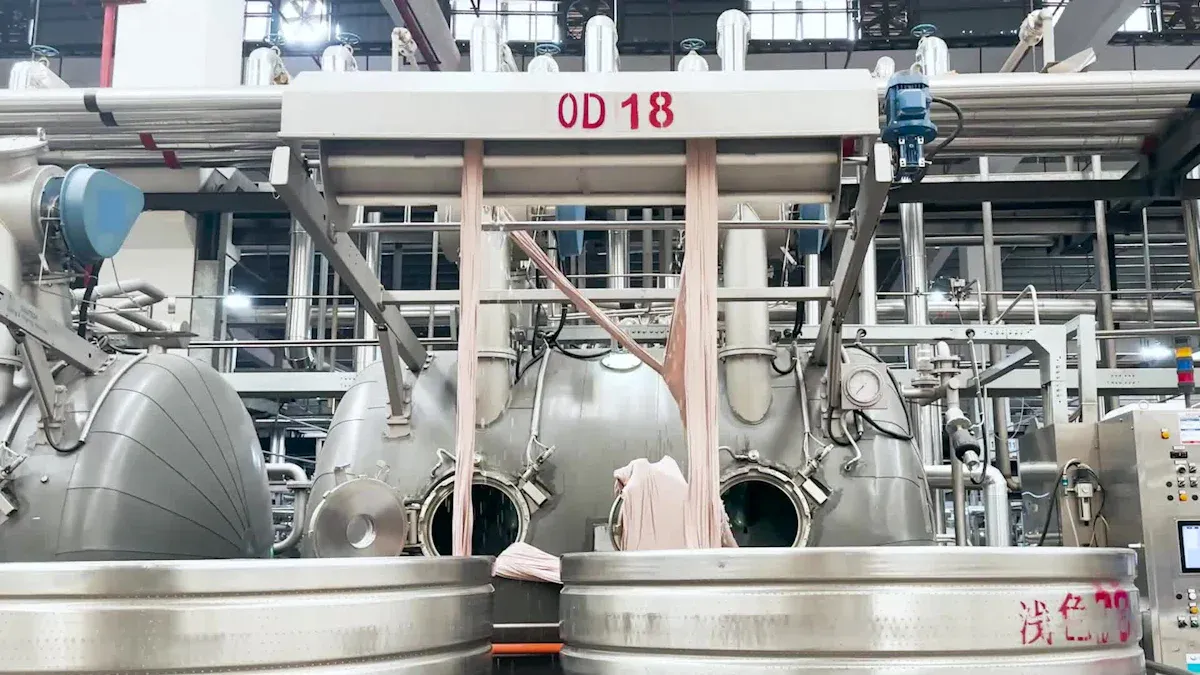
You primarily categorize a fabric dyeing machine by the textile's form, such as fiber, yarn, or finished garment. Your production goals determine the dyeing process.
Note: Continuous dyeing processes handle about 60% of all dyed products for large-volume runs, while batch dyeing suits smaller, specific lots.
Understanding these core categories is your first step toward selecting the right equipment.
Key Takeaways
- You choose a fabric dyeing machine based on the textile's form, like fiber, yarn, or fabric.
- Different machines work best for different fabrics; for example, a jet dyer is good for delicate knits, and a jigger is good for strong woven fabrics.
- A low material-to-liquor ratio saves water, energy, and chemicals, which helps the environment and lowers costs.
Dyeing Machines Classified by Textile Form
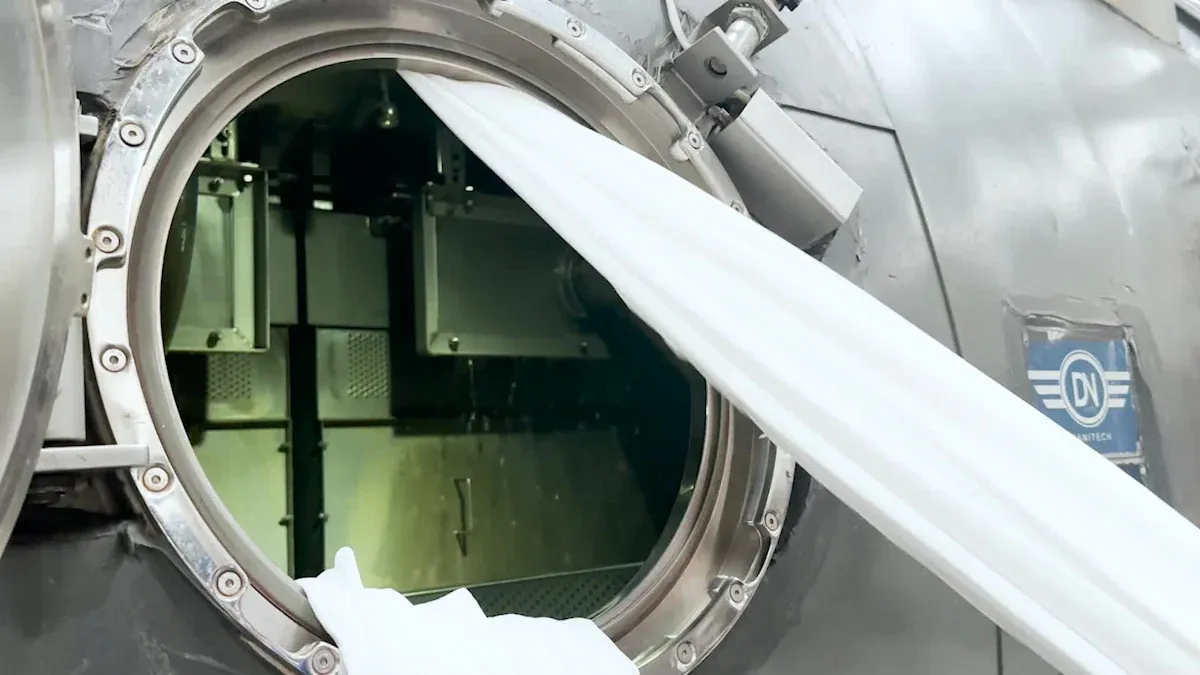
You select a dyeing machine based on the textile's form. The stage at which you apply color—fiber, yarn, fabric, or garment—defines the equipment and the final product's characteristics.
Fiber Dyeing (Stock Dyeing)
You use fiber dyeing to color natural (staple) fibers before they are spun into yarn. This process involves compressing the loose fiber stock in a tank. Dye liquor then circulates at high temperatures, ensuring deep color penetration that resists bleeding. A key advantage is your ability to blend different colored fibers to create unique, multi-colored yarns.
Yarn Dyeing
You dye yarn after it is spun but before it is woven or knit into fabric. This method is essential for creating patterned fabrics like plaids and stripes. Common techniques include:
- Package Dyeing: You wind yarn onto perforated cores. The dye flows through these openings to color the yarn package evenly.
- Hank Dyeing: You arrange yarns loosely in skeins (hanks) and immerse them in a dyebath. This process yields a softer feel and excellent color depth.
Yarn dyeing creates distinct looks. For denim, dyeing only the warp yarns produces the classic blue front and white back. Methods like rope dyeing achieve a good "ring dye effect," which is vital for creating desirable fading patterns.
Fabric Dyeing (Piece Dyeing)
You perform fabric dyeing, or piece dyeing, after the fabric has been woven or knitted. This is the most common and efficient method for producing solid-color fabrics. A single fabric dyeing machine processes an entire batch at once. This ensures a highly consistent shade across the whole order. Modern techniques provide excellent dye penetration for uniform color.
Garment Dyeing
You use garment dyeing to color fully constructed apparel. This process is perfect for achieving a "washed" or vintage look. The dye creates subtle variations, especially around seams and ribbed collars, giving the item a soft, lived-in feel from the start.
You should be aware of potential challenges. Garment dyeing can cause shrinkage, and you might see slight color variations between different dye lots.
Key Types of Fabric Dyeing Machine for Piece Dyeing
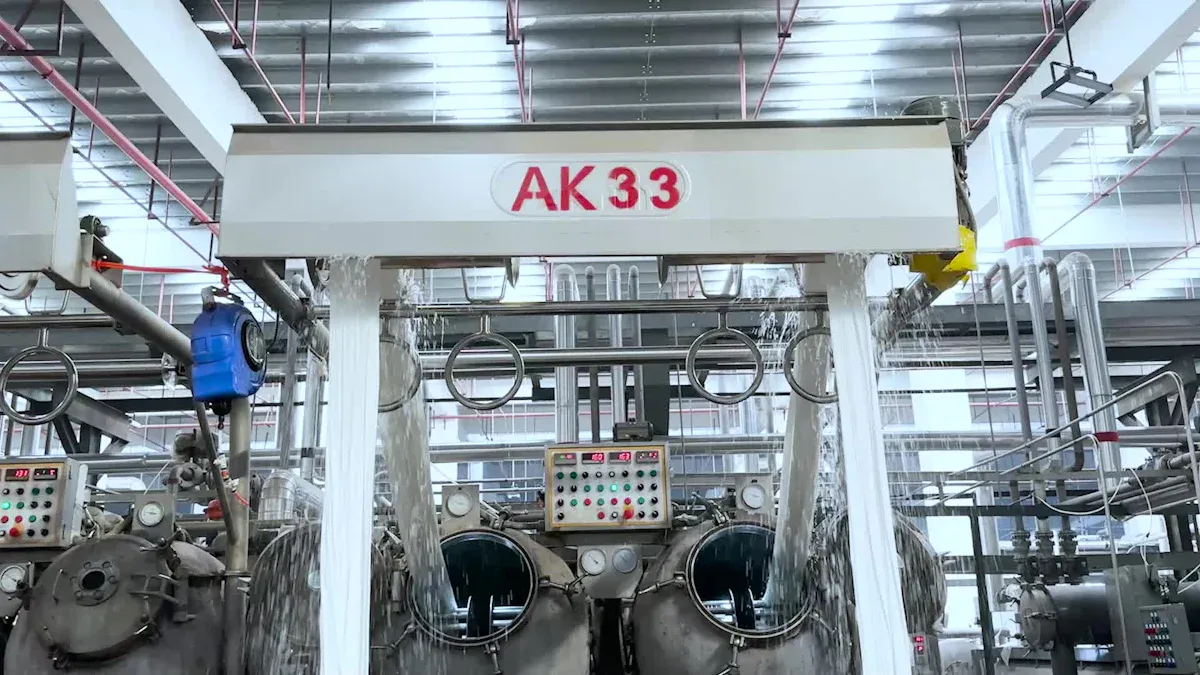
You select a piece dyeing machine based on fabric type, production volume, and desired finish. Each machine handles the fabric differently, which directly impacts the final quality, hand-feel, and color consistency. Understanding these core types is essential for optimizing your production line.
Jet Dyeing Machine
You use a jet dyeing machine for delicate or stretch-sensitive fabrics like knits and synthetics. In this process, you feed the fabric in a continuous rope form into a closed-system vessel. A high-velocity jet of dye liquor both circulates the dye and transports the fabric. This method minimizes tension on the material.
The machine's design allows for high temperatures and pressures, making it ideal for dyeing polyester and other synthetic fibers. Your main advantage here is achieving uniform color on fabrics that cannot withstand the mechanical stress of other methods. This fabric dyeing machine is a modern workhorse for synthetic and blended textiles.
Jigger Dyeing Machine
You operate a jigger dyeing machine to color woven fabrics in an open, flat width. The process involves passing the fabric back and forth from one roller to another through a small, concentrated dye bath at the bottom. This method keeps the fabric under tension, making it unsuitable for materials that stretch easily.
You gain several key advantages with a jigger:
- You can dye cloth in its full, open-width form, preventing creases.
- You experience reduced chemical and heat losses compared to older methods.
- You operate with a low material-to-liquor ratio (1:3 or 1:4), which saves significant chemical and energy costs.
Jiggers are highly scalable. You can find models with capacities ranging from 250 KG to over 1500 KG, allowing you to handle both small and large production runs efficiently.
Beam Dyeing Machine
You choose a beam dyeing machine when your priority is to dye fabric with zero tension. You first wind the fabric onto a perforated beam, which you then place inside a pressurized vessel. The dye liquor is forced through the perforations, circulating from the inside out or outside in. The fabric itself remains stationary throughout the process.
This static dyeing method is perfect for lightweight, tightly woven fabrics like taffeta or voile. It completely eliminates the risk of creasing, distortion, or abrasion that can occur in other machines.
Your result is perfectly level dyeing on materials that are otherwise difficult to handle.
Winch Dyeing Machine
You use a winch dyeing machine for fabrics that require gentle handling and a soft finish. You introduce the fabric as a continuous rope into a large, cylindrical container filled with dye liquor. A motorized winch or reel then slowly lifts and pulls the fabric rope, allowing it to slide back into the dyebath by gravity.
This continuous dipping and rotation ensure all sides of the fabric are evenly dyed with minimal tension. The gentle action makes it an excellent choice for heavy materials like terry towels or delicate fabrics like wool knits, where preserving a soft hand-feel is critical.
Pad Dyeing Machine (Padding Mangle)
You use a pad dyeing machine, or padding mangle, for continuous, high-volume production. This fabric dyeing machine is not a batch process; instead, it is the heart of many continuous dyeing ranges.
The process is highly efficient and follows a clear sequence:
- You impregnate the fabric with dye liquor and necessary chemicals by passing it through a trough and then squeezing it between large rollers (the mangle). The goal is a specific "pick-up percentage," often around 80%, which refers to the amount of liquor the fabric absorbs.
- You immediately wind the padded fabric onto a roll.
- You batch the wound fabric, rotating it continuously for 6 to 24 hours to allow the dye to fixate onto the fibers.
- You finish the process by washing the material to remove any unfixed dye.
This method offers you exceptional control and consistency for large orders.
- Consistent Color Application: It ensures uniform color penetration across thousands of yards of fabric.
- Efficiency: It is the most efficient process for large-scale production.
- Controlled Dye Application: The padding mangle gives you precise control over dye pickup.
- Color Fastness: Fabrics dyed this way often show excellent color fastness.
You select a fabric dyeing machine based on your textile form, fabric type, and production goals. Matching the machine to the material is crucial for achieving the desired quality and efficiency.
As you plan for 2025, prioritize machinery that aligns with sustainability goals. Focus on innovations that reduce water, energy, and chemical use to meet standards like GOTS or OEKO-TEX.
FAQ
Which dyeing machine is best for my fabric?
You must match the machine to your fabric type. Use a jet dyer for delicate knits. Choose a jigger for sturdy wovens. Your fabric's needs determine the best choice.
Why is the material-to-liquor ratio important?
You should prioritize a low material-to-liquor ratio (MLR). A lower ratio saves significant water, energy, and chemicals. This directly reduces your production costs and improves your sustainability profile.