A Practical Guide to Selecting Your Next Water Dispenser
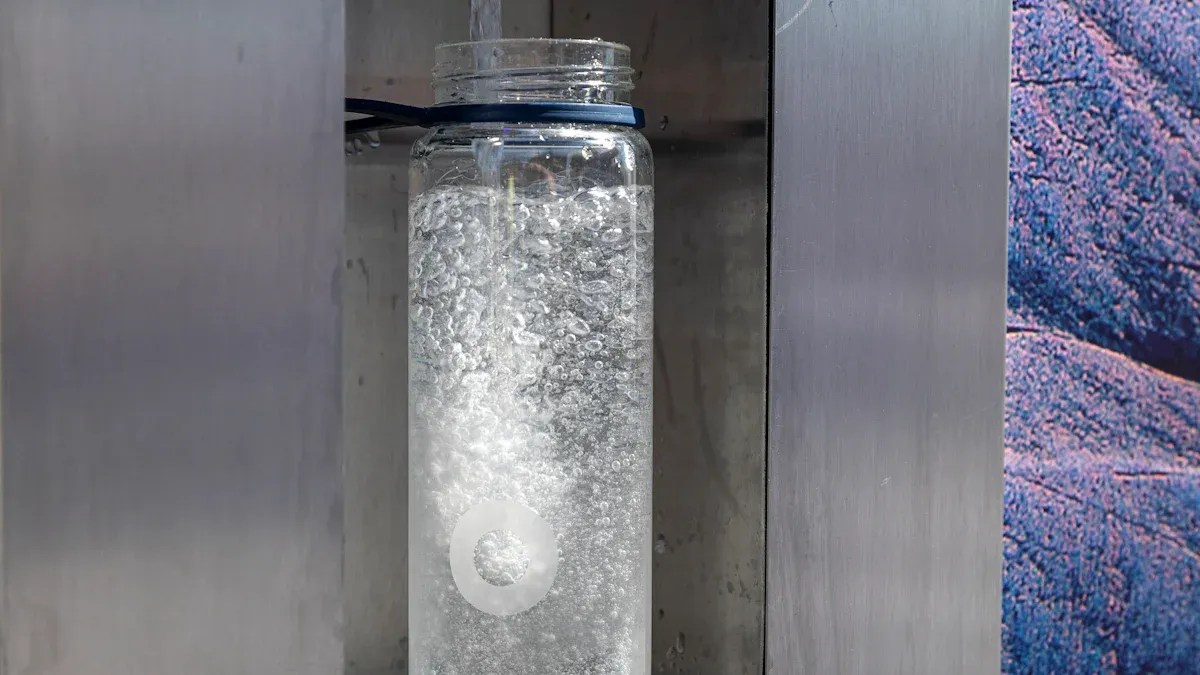
An excellent choice for staying hydrated, a drinking water dispenser is becoming more common in homes and offices. This growing popularity is reflected in the market's significant expansion.
| Metric | Value |
|---|---|
| Market Size (2024) | USD 2.90 billion |
| Projected Market Size (2032) | USD 5.09 billion |
| Compound Annual Growth Rate | 9.45% (2025-2032) |
Selecting the right system begins with a primary choice. You must decide between a model using replaceable bottles or one connecting to your water line.
Key Takeaways
- Choose between bottled or bottleless dispensers. Bottleless systems save money over time and are better for the environment.
- Pick a dispenser size that fits your space. Freestanding models are for large areas, and countertop models are for smaller spaces.
- Look for features like hot and cold water, good filters, and safety locks. Regular cleaning keeps your dispenser working well.
The Two Main Types: Bottled vs. Bottleless
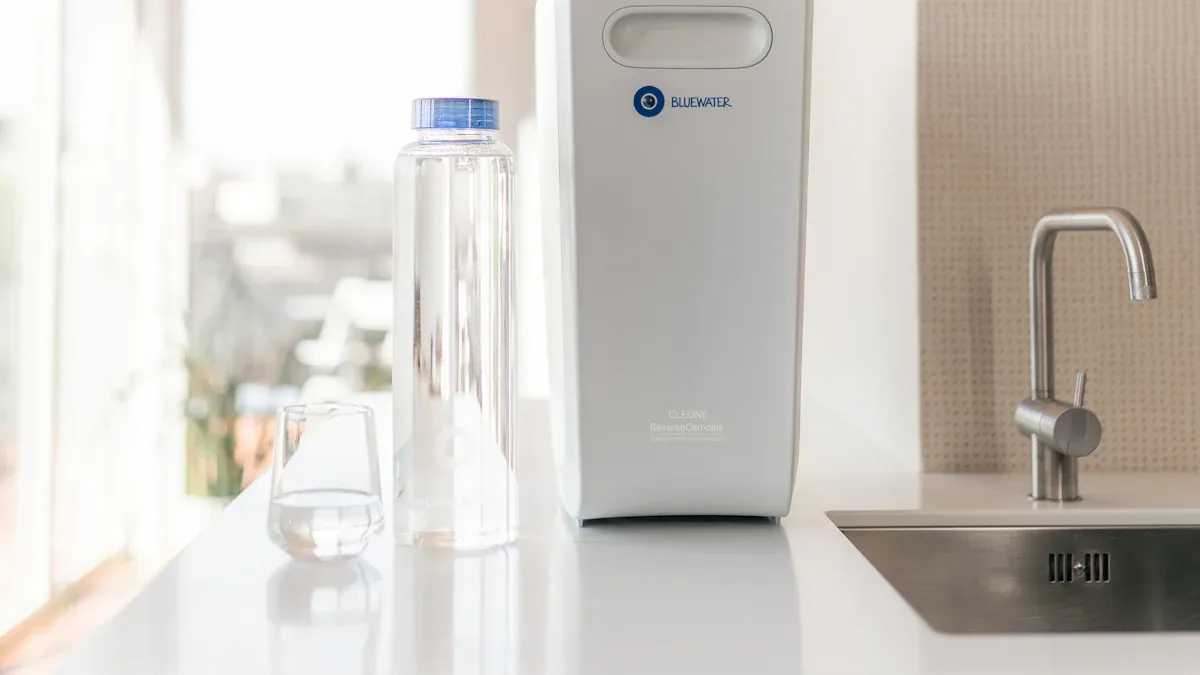
Your first major decision is choosing between a system that uses large, replaceable jugs or one that connects directly to your building's plumbing. Each type offers distinct advantages.
Bottled Water Dispensers
Bottled water dispensers are a classic choice for many homes and offices. You simply place a large bottle of pre-filtered water, typically 3 or 5 gallons, on top of or inside the unit. These systems are known for their flexibility and simple setup.
- Pros: You can place them almost anywhere with a power outlet. They require no plumbing and often provide both hot and cold water.
- Cons: You must store and lift heavy water bottles. The ongoing cost of water delivery can add up, with many households spending between $30 and $60 per month.
You must also clean these units regularly to prevent bacteria from growing.
Bottleless (Point-of-Use) Dispensers
A bottleless drinking water dispenser connects to your existing water line. It filters your tap water on-demand, providing a constant stream of clean water. These are also known as point-of-use (POU) systems.
These dispensers offer the ultimate convenience. You get a virtually endless supply of filtered water without ever needing to replace a heavy bottle.
While the initial purchase and installation cost is higher, you can save significantly over time. Businesses often see savings of 30% to 50% annually by making the switch. Bottleless systems also reduce plastic waste, making them an eco-friendly option.
Where Will It Go?: Choosing a Form Factor
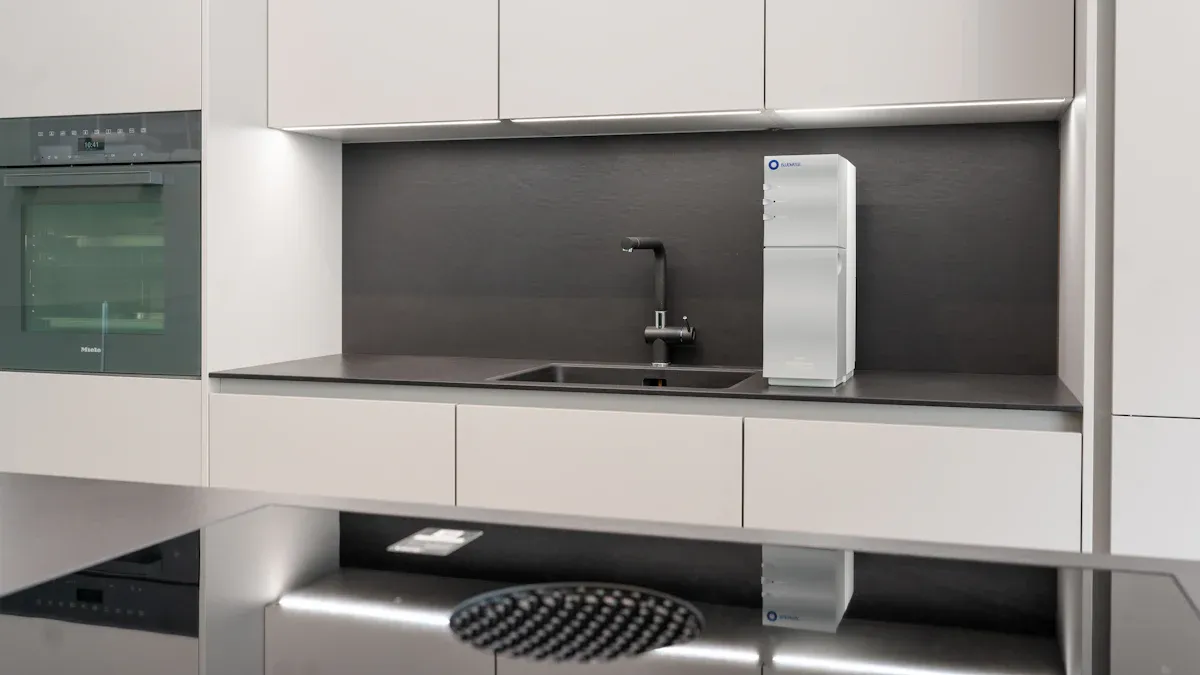
After you decide between bottled and bottleless, you need to consider where the unit will live. Your available space will guide you toward either a freestanding or a countertop model.
Freestanding Dispensers
Freestanding dispensers are tall, standalone units perfect for high-traffic areas. You often see them in large offices, gyms, hospitals, and reception areas. They provide a dedicated hydration station for many people. Before you choose one, you must measure your space carefully. These units need specific clearances for accessibility.
- You need a clear floor space of at least 30 inches by 48 inches.
- The water spout should be no higher than 36 inches from the floor.
- The front of the unit must extend 17 to 19 inches from the wall.
These requirements ensure everyone can easily access the water.
Countertop Dispensers
A countertop drinking water dispenser offers the same features as a larger model but in a compact size. These are excellent for places with limited floor space. You can use them in small offices, apartments, dorm rooms, and even RVs. Their smaller footprint makes them a practical choice for personal use in a home office or kitchen. Below are a few examples to give you an idea of their size.
| Model | Dimensions (W x D x H) | Weight |
|---|---|---|
| Avanti Countertop | 13" x 12" x 20" | 11 lb |
| Clover D1 Countertop | 10.7" x 16.8" x 17.2" | 26 lb |
Tip: Because they are lighter and require no permanent installation, countertop models are great for renters or anyone who moves frequently.
What Features Do You Need in a Drinking Water Dispenser?
Once you have settled on a type and form factor, you can focus on the features that will make your dispenser a perfect fit. You should consider everything from water temperature to advanced smart capabilities.
Temperature Options
Most dispensers offer more than just room-temperature water. You can typically choose between hot, cold, or even ambient (room temperature) water with the push of a button. This versatility is great for making instant coffee, tea, or a refreshing cold drink.
Modern units provide precise temperature control. For example, some Elkay models chill water to a range of 42-50° F. For hot beverages, systems like the Westbrass HotMaster can deliver water at temperatures from 167-208° F.
Keep in mind that heating and cooling water requires energy. The amount of electricity your unit uses depends on how often you dispense hot or cold water.
On average, you can expect a dispenser to use between 30 and 60 kWh of electricity per month. This table gives you an idea of the potential monthly cost.
| Metric | Value |
|---|---|
| Daily Electricity Usage | 1-2 kWh |
| Monthly Electricity Usage | 30-60 kWh |
| Average Electricity Rate | $0.38 per kWh |
| Estimated Monthly Cost | $11-$23 |
Filtration Systems
If you choose a bottleless model, the filtration system is its most important component. Filters remove impurities from your tap water, improving its taste and safety. The most common filter types are:
- Granular Activated Carbon (GAC) Filters: These are great for reducing chlorine, odors, and bad tastes.
- Reverse Osmosis (RO) Systems: These use a semi-permeable membrane to remove a wide range of contaminants, including heavy metals, salts, and dissolved solids.
- UV Disinfection Systems: These use ultraviolet light to kill 99.99% of bacteria and viruses, providing an extra layer of safety.
Many dispensers use a multi-stage process for comprehensive filtration. A 7-stage system, for instance, might include a sediment filter for rust, multiple carbon filters for taste, an RO membrane for purity, and a UV sterilizer to eliminate germs.
You must replace these filters regularly to ensure your water stays clean. The cost and schedule vary by model.
| Filter Type | Typical Lifespan | Example Annual Cost |
|---|---|---|
| Composite (Sediment + Carbon) | 6-12 months | $68.99 |
| RO Membrane | 12-24 months | $68.99 |
| Multi-Filter Set | 6-12 months | $99.99 |
Capacity and Dispense Rate
Capacity refers to how much water the dispenser can hold in its internal tanks for heating and cooling. A larger capacity is better for high-traffic areas. A typical freestanding drinking water dispenser might have a 3-gallon cold water tank, while a compact countertop model may hold around 2 liters.
Dispense rate, or flow rate, measures how quickly the water comes out. This is crucial in busy environments like offices. A standard dispenser provides a flow rate of around 3 liters per minute. High-demand models can offer rates of 4 liters per minute or more to prevent long lines. You should choose a model that can support the number of people who will use it.
| Dispenser Model | Ideal for (Number of Users) |
|---|---|
| Natural Choice ION TS400 | 0–50 |
| Waterlogic WL3 | 51–100 |
| Bevi 2.0 | 51–200 |
Special Features
Today's water dispensers come with a variety of advanced features designed for convenience, safety, and efficiency.
- Safety Features: A child safety lock on the hot water tap is a standard and essential feature. It prevents accidental burns, giving you peace of mind in homes with young children.
- Energy-Saving Modes: To reduce electricity costs, many units include a sleep mode. This feature powers down the heating and cooling systems during periods of low use, such as overnight. Some models even have intelligent controls that learn your usage patterns to optimize energy savings.
- Smart Technology: High-end dispensers now offer exciting smart features. You can find models that dispense sparkling water with adjustable fizz levels. Some even allow you to add natural flavors, vitamins, or electrolytes.
- Touchless Dispensing: For improved hygiene, many new models offer touchless operation. You can often use your smartphone to scan a QR code and dispense water without ever touching the machine.
These extra features can significantly enhance your hydration experience, turning a simple appliance into a smart beverage station.
Upkeep and Longevity
You chose your dispenser. Now you need to keep it running smoothly. Proper upkeep ensures your water stays fresh and your machine lasts for years.
Essential Cleaning
Regular cleaning prevents the growth of bacteria and mineral buildup. You should establish a consistent cleaning schedule to maintain water quality.
- Clean bottled water coolers every 3 to 6 months.
- Wash the drip trays on bottleless units weekly.
- Wipe down dispenser nozzles with a sanitizer at least once a week.
A simple cleaning process keeps your machine in top shape. Follow these general steps:
- Unplug the unit and remove the water bottle or turn off the water supply.
- Take out any removable parts like the drip tray and baffle. Wash them with mild dish soap and warm water.
- Scrub the inside of the water reservoir with a long-handled brush to remove any film.
- Wipe down the spigots and the entire exterior of the cooler.
- Sanitize the reservoir by filling it with a cleaning solution. Let it sit for about 15 minutes.
- Drain the solution through the spigots.
- Rinse the system thoroughly by flushing it with two or more gallons of fresh water until any cleaning smell is gone.
DIY Sanitizer: You can make an effective cleaning solution at home. Mix ¼ cup of bleach and 2 tablespoons of laundry soap in a spray bottle filled with water.
Maintenance Requirements
Beyond regular cleaning, your dispenser requires some periodic maintenance. This is especially true for bottleless systems. You must replace the filters to ensure water purity.
Filter replacement schedules depend on your water quality and usage. Most carbon filters need changing every 6 to 12 months. A reverse osmosis (RO) membrane can last up to 24 months. Regular inspections for leaks also help prevent bigger problems. With proper care, a bottled water dispenser can last 5 to 7 years. A well-maintained bottleless model often has a lifespan of 7 to 10 years.
Finding the perfect drinking water dispenser is straightforward. You can make a confident choice for your home or office by following this simple path.
- Choose a Type: Decide between bottled or bottleless. Bottleless systems significantly reduce plastic waste and your carbon footprint.
- Pick a Form: Select a freestanding or countertop model that fits your space.
- Select Features: Choose the temperatures, filtration, and capacity you need.
FAQ
How often should I clean my water dispenser?
Clean bottled dispensers every 3-6 months. You should wash the drip trays and nozzles on all units weekly. This simple routine ensures your water stays fresh and safe.
Is a bottleless dispenser cheaper in the long run?
Yes, bottleless dispensers are cheaper over time. You avoid monthly water delivery fees. Businesses often save 30% to 50% annually after the initial purchase and installation.
Do I need a plumber to install a bottleless dispenser?
Yes, you typically need a plumber. A professional ensures the dispenser connects correctly and safely to your water line. This prevents leaks and guarantees proper function.