How to Select the Perfect Household Water Dispenser
Choosing the right household water dispenser begins with a few key decisions.
First, measure your available space to choose between a countertop or freestanding unit. Next, consider your family's daily water needs to select the right capacity. Finally, identify must-have features like temperature options or safety locks that fit your lifestyle.
Key Takeaways
- Choose a water dispenser that fits your space and needs. Countertop models save space, and freestanding models handle more water.
- Decide between bottled or bottleless water. Bottleless dispensers save money and are better for the environment.
- Look for features like hot and cold water options, safety locks, and good filters. These features make your dispenser more useful and safe.
Dispenser Types: Countertop vs. Freestanding
Your first major decision is choosing a dispenser type. You need to find a model that fits your physical space and meets your family's water needs. Let's explore the two main options: countertop and freestanding units.
Countertop Models for Compact Spaces
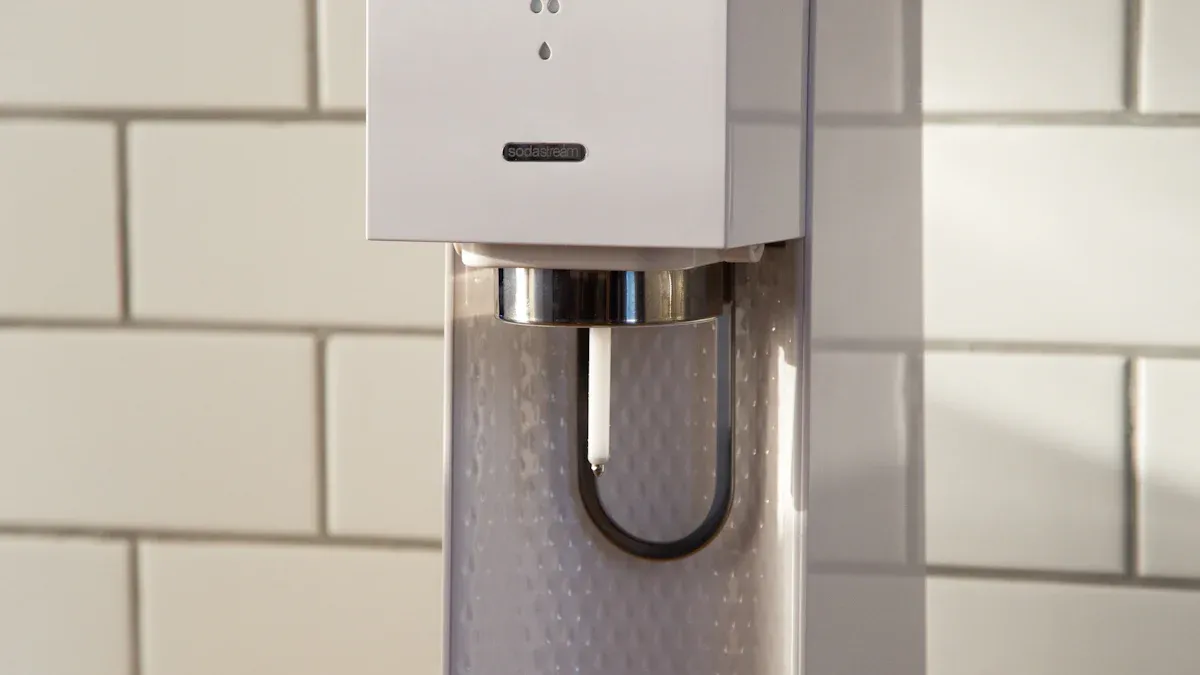
You might live in an apartment, a dorm, or a home with limited kitchen space. A countertop water dispenser is an excellent solution for these situations. These compact units sit directly on your counter, desk, or any sturdy surface. They give you instant access to filtered water without taking up valuable floor space.
Tip: Always measure your counter-to-cabinet height before you buy! Make sure you have enough clearance for the dispenser and for refilling it.
Many countertop models prove that small can still be mighty. They offer great features in a small package. Some popular choices show how well they fit into smaller homes:
- The Avalon A8 Bottleless Water Cooler is a perfect choice for small homes. Its design rests easily on a countertop.
- The LifeStraw Home Studio Water Filter Dispenser is compact enough for most countertops.
- Some models, like the Boroux Legacy Stainless Steel Filter, can even look more like decor than a kitchen appliance.
Countertop dispensers are also very portable. You can move them easily if you rearrange your kitchen or move to a new home. They do not require any permanent installation.
Freestanding Models for Higher Demand
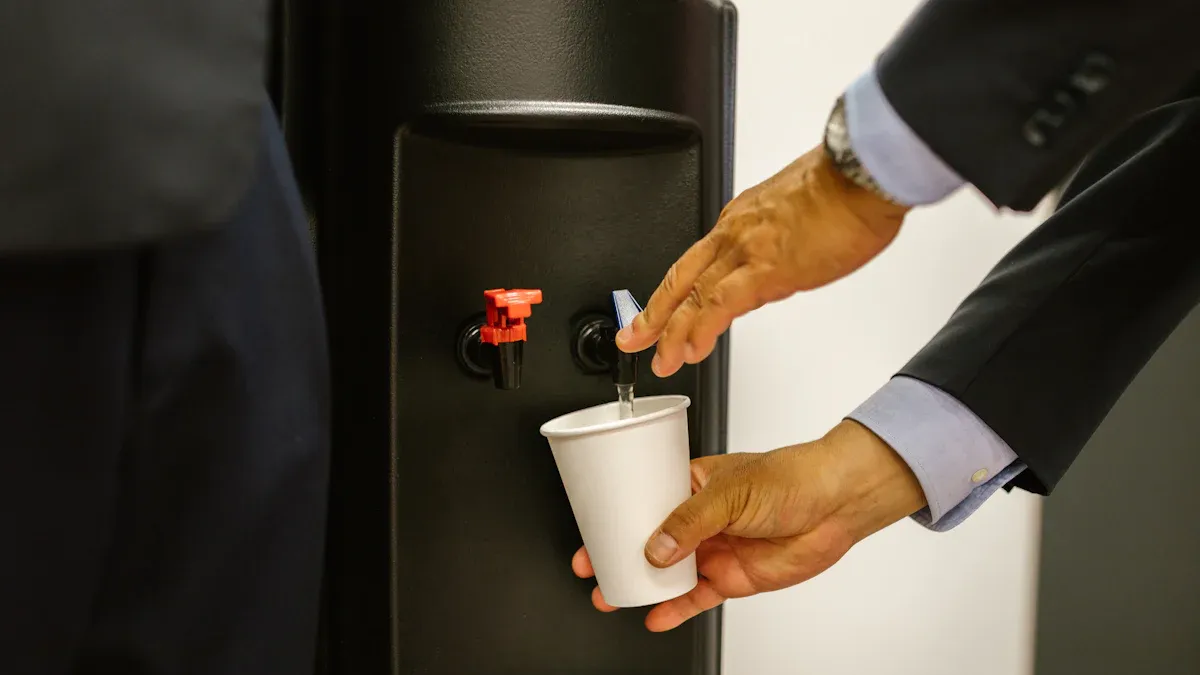
You may have a larger family or simply drink a lot of water. A freestanding water dispenser is a standalone unit that can handle higher demand. These models are a common sight in offices and homes with more available space. They are easy to install and can be placed anywhere with access to a power outlet.
Freestanding units typically hold larger water bottles (3 or 5 gallons). This means you refill them less often compared to most countertop models. This makes them ideal for busy households and high-traffic areas.
To help you decide, look at this simple comparison of countertop dispensers:
| Feature | Pros 👍 | Cons 👎 |
|---|---|---|
| Space | Their compact size saves floor space. | They take up counter space. |
| Capacity | Perfect for individuals or small families. | Their smaller reservoirs need more frequent refills. |
| Portability | You can move them easily. | Not suitable for high-traffic areas. |
| Cost | They are often more affordable. | May lack advanced features of larger models. |
Ultimately, you should choose a freestanding model for high-volume needs and ample space. You should select a countertop model for its space-saving benefits in a smaller home.
Water Source: Bottled vs. Bottleless
After you decide on a dispenser type, your next choice is the water source. This decision impacts your daily routine, long-term costs, and environmental footprint. You can choose between traditional bottled dispensers or modern bottleless units that connect directly to your home’s plumbing.
Bottled Dispensers: Top-Load vs. Bottom-Load
Bottled dispensers are a classic choice. You are likely familiar with these models that use large 3 or 5-gallon water jugs. They are simple to set up because they only need a power outlet. The main difference between them lies in how you load the water bottle.
Top-Load Models Top-load dispensers are the most traditional design. You place the water bottle upside down on top of the unit. Gravity then feeds water into the cooling and heating reservoirs. While often affordable, they present a significant physical challenge.
- A 5-gallon water bottle weighs over 40 pounds. Lifting this weight can strain your back, shoulders, and arms.
- The bottle's round shape is awkward to hold, and sloshing water makes it unstable.
- You must hoist the bottle chest-high and flip it precisely, a motion that can cause injury or spills.
Bottom-Load Models Bottom-load dispensers offer a modern solution to the lifting problem. These units conceal the water bottle in a cabinet at the base. You simply slide the jug into place and connect it with a small probe. This design eliminates heavy lifting and improves your kitchen's appearance.
Convenience and Safety First Bottom-load models often include features designed for ease of use and safety. Many have self-aligning probes and LED lights that tell you when the bottle is empty. For households with children, a child safety lock on the hot water tap is a crucial feature that prevents accidental burns.
Here is a quick comparison to help you choose:
| Feature | Top-Load Dispenser | Bottom-Load Dispenser |
|---|---|---|
| Loading | Requires lifting a 40+ lb bottle. | You slide the bottle in at the bottom. |
| Aesthetics | The water bottle is visible. | The bottle is hidden in a cabinet. |
| Safety | Risk of spills and back strain. | Ergonomic and often includes child locks. |
| Cost | Generally lower initial price. | Higher initial price but more convenient. |
Point-of-Use (Bottleless) Dispensers
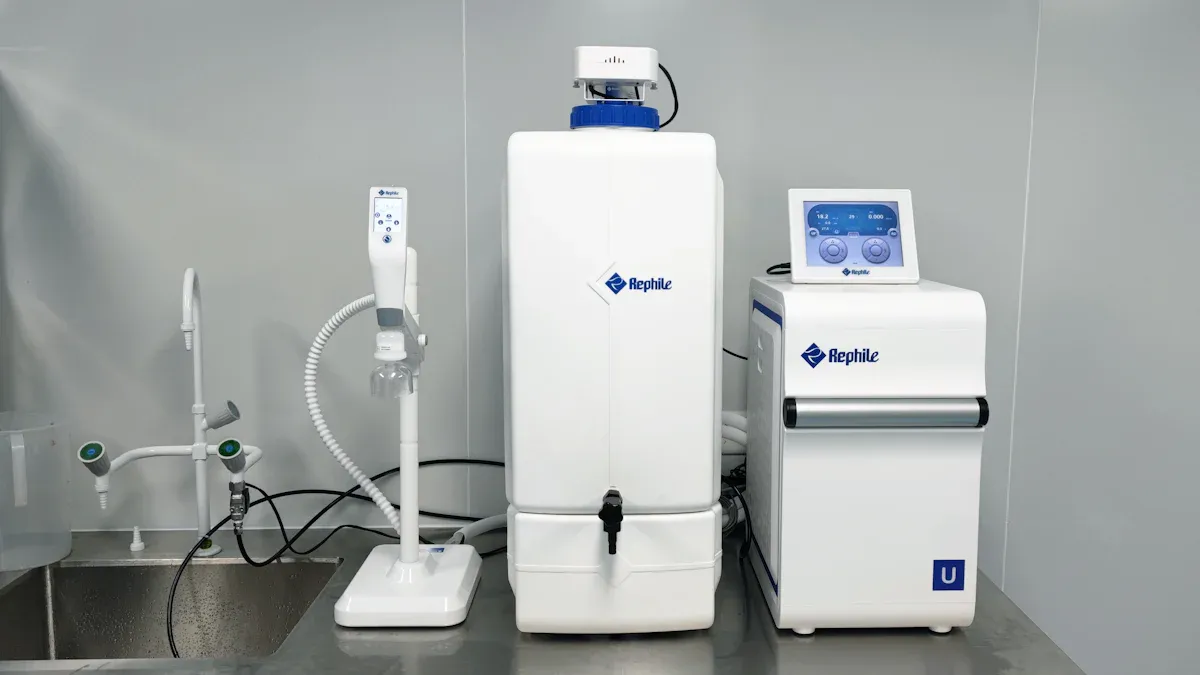
A point-of-use (POU) or "bottleless" dispenser offers ultimate convenience. This system connects directly to your home's water line. It uses built-in filters to purify your tap water on demand. The result is an endless supply of clean, fresh water.
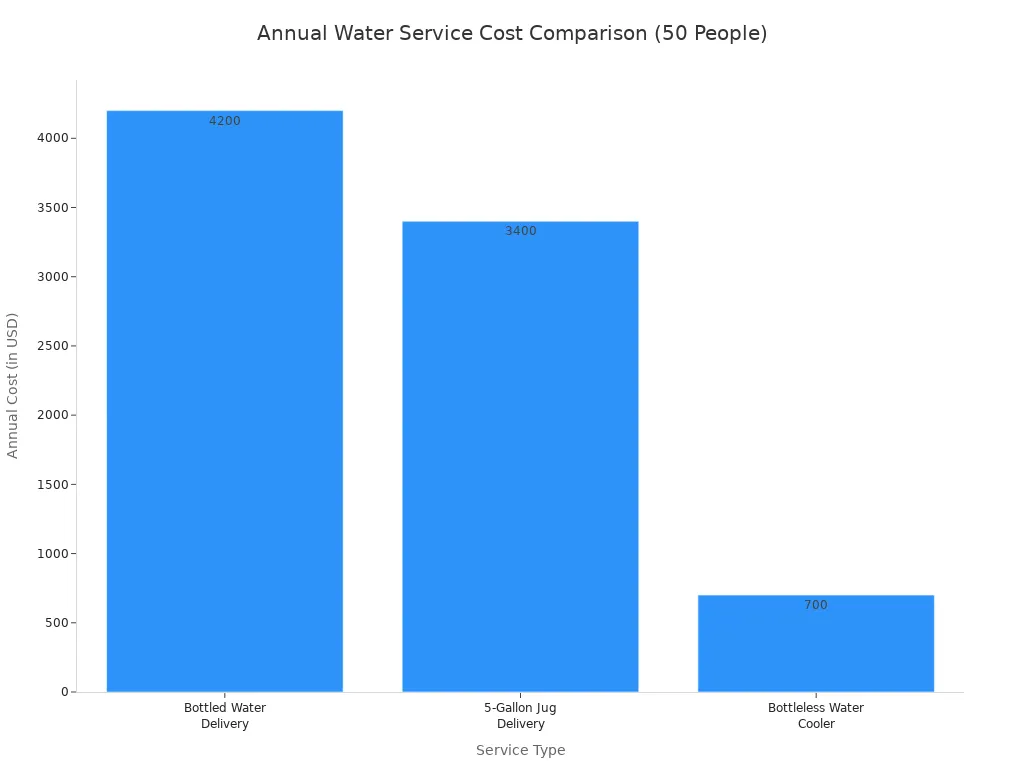
Long-Term Savings and Unlimited Water You will never need to buy or store heavy water jugs again. While the initial purchase and installation cost may be higher, a bottleless dispenser saves you significant money over time. A 5-gallon water delivery service can cost around $7.75 per bottle, and those costs add up quickly. A bottleless system provides unlimited water for a fixed cost.
For a larger household or office setting, the savings are even more dramatic.
A Greener Choice 🌎 Bottleless dispensers are an environmentally friendly option. You eliminate the need for plastic water jugs, which reduces plastic waste. You also cut down on the carbon emissions produced by delivery trucks.
By switching to a filtered water dispenser, you dramatically lower your household's environmental footprint. These systems reduce waste and conserve resources, making them a truly sustainable choice.
Installation Considerations A bottleless dispenser requires a connection to a water source. The installation process is straightforward but important to get right.
- Assessment: A technician will find the best place to connect to your water line.
- Selection: You choose a model that fits your space and needs.
- Installation: The technician connects the dispenser to your plumbing and installs the filtration system.
- Testing: The system is tested to ensure it works perfectly and delivers high-quality water.
Note: It is highly recommended to have a professional install your point-of-use dispenser. An expert ensures the setup is correct and helps you avoid any potential plumbing issues.
Key Features for Your Household Water Dispenser
Modern water dispensers offer more than just water. You should look for features that match your daily needs and provide extra convenience. Temperature settings and safety functions are two of the most important things to consider.
Essential Temperature Options
A great household water dispenser provides water at the perfect temperature for any occasion. Most models offer three settings: hot, cold, and room temperature.
-
Hot Water: An instant hot water tap is perfect for tea and coffee lovers. For the best flavor, different drinks need different temperatures. A dispenser with adjustable hot water gives you precise control.
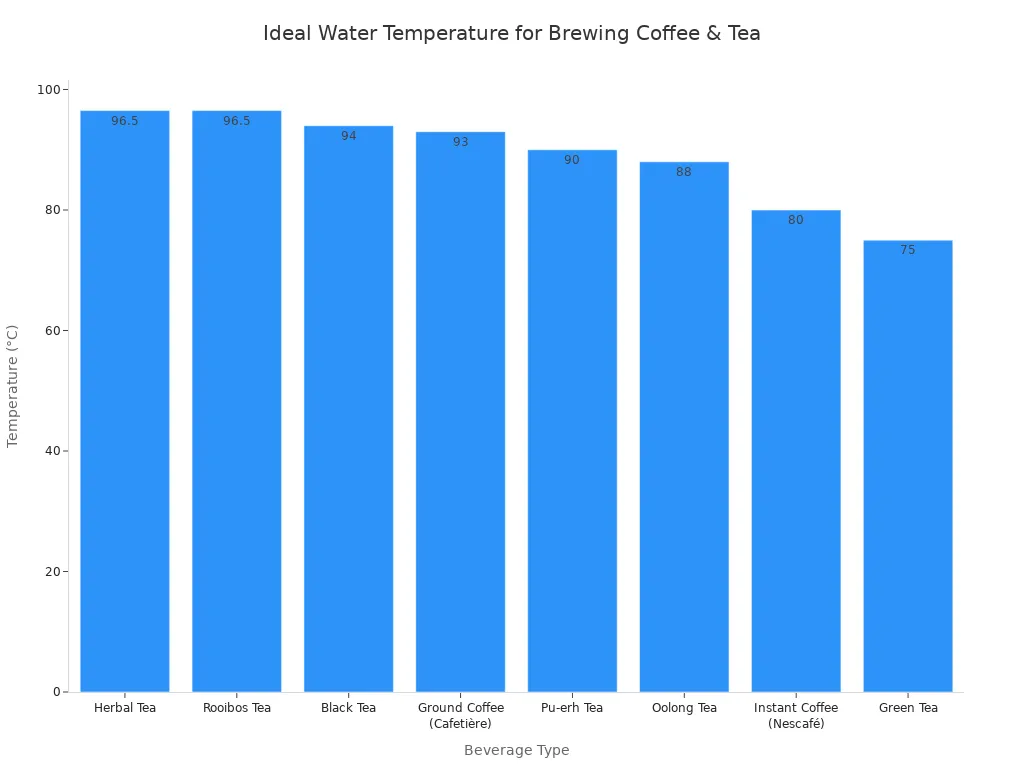
Image Source: statics.mylandingpages.co -
Cold Water: Crisp, cold water is refreshing and promotes better hydration. Studies show that people drink more water when it is cool, around 60°F (16°C), helping your body absorb it efficiently.
-
Room-Temperature Water: This option is great for sensitive teeth. Many people find it easier to drink, and it is also useful for baking or watering houseplants.
Must-Have Safety and Convenience Features
You want your household water dispenser to be safe and easy to maintain. Look for models with features that simplify your life.
A self-cleaning function is a game-changer. These systems use UV light or ozone to kill germs inside the dispenser. This process prevents biofilm buildup, keeps water tasting fresh, and saves you from frequent manual cleaning.
For families with young children, a child safety lock on the hot water tap is essential. This simple feature prevents accidental burns and gives you peace of mind. An advanced household water dispenser with these features ensures clean, safe water with minimal effort.
Understanding Filtration and Water Quality
The quality of your drinking water is paramount. Many dispensers include filtration systems to ensure every glass is clean and tastes great. You should understand how these systems work to choose the best one for your home.
Built-in Filtration Systems
Bottleless dispensers purify your tap water using multi-stage filtration systems. Each stage targets different impurities, giving you comprehensive water treatment. A typical system includes several types of filters:
- Sediment Filter: This first stage traps large particles like sand, rust, and dirt.
- Activated Carbon Filter: It removes chlorine, organic compounds, and substances that cause bad tastes or odors.
- Reverse Osmosis (RO) or UV Filter: Advanced stages can remove heavy metals, bacteria, and viruses.
Different filter technologies remove specific contaminants. This table shows a simple comparison:
| Filter Type | Best For Removing |
|---|---|
| Carbon | Chlorine, bad tastes, and odors. |
| Reverse Osmosis (RO) | Heavy metals, fluoride, and dissolved solids. |
| UV Purification | Bacteria, viruses, and other microorganisms. |
Note: You must replace these filters regularly to maintain water quality. Most carbon and sediment filters last 6 to 12 months, while RO membranes can last for several years.
Compatibility with Pre-Filtered Water
You may already have a whole-house filtration system. In this case, you might not need a dispenser with its own complex filter. Some dispensers are designed to work with pre-filtered water. These models simply cool and heat the water that is already clean. Choosing a dispenser without a built-in filter can be a more affordable option if your home's water is already treated. This simplifies maintenance since you will not have extra filters to replace.
Maintenance and Energy Efficiency
Your new water dispenser needs some care to keep it running well. You should consider both the cleaning routine and the energy it uses. Proper maintenance ensures your water stays fresh, and an efficient model saves you money.
Simple Cleaning Routines
You must clean your dispenser regularly to prevent germs and keep your water tasting great. A consistent schedule keeps your unit hygienic.
- Monthly: Perform a regular cleaning to prevent bacteria from building up.
- Every 3-6 Months: Do a deep clean to remove any hidden mold or residue.
- Immediately: Clean the unit if you notice a strange taste, slow water flow, or cloudy water.
You can follow a few simple steps to clean your dispenser.
- First, unplug the unit and remove the water bottle.
- Drain any remaining water from the reservoirs.
- Prepare a cleaning solution. You can mix one tablespoon of unscented bleach with a gallon of water. A mix of one part white vinegar to three parts warm water also works well.
- Pour the solution into the reservoir and let it sit for about five minutes.
- Drain the solution through the spigots.
- Finally, rinse the system thoroughly with clean water two or three times.
Important Safety Tip: Never mix bleach and vinegar together. This combination creates a toxic gas.
Choosing an Energy-Efficient Model
An energy-efficient water dispenser can lower your electricity bills. Annual costs vary based on the model's features.
| Dispenser Type | Approximate Annual Cost |
|---|---|
| Cold Water Only | $45.00 |
| Hot and Cold Water | $118.00 |
To reduce costs, you should look for specific energy-saving features.
- ENERGY STAR® Rating: Models with this label use significantly less electricity.
- Programmable Timers: You can set the dispenser to turn off heating and cooling functions when you are not using them, like overnight.
- On-Demand Heating: Some units only heat water when you need it instead of keeping a reservoir hot all day.
Choosing a model with these features helps you conserve energy and reduce your household expenses.
You are now ready to choose your household water dispenser. Use this final checklist to confirm your needs:
- Dispenser Type and Water Source
- Key Features and Filtration
Your careful choice ensures your household water dispenser provides clean water for 5 to 10 years. Enjoy having the perfect hydration station in your home.
FAQ
How long does a water dispenser last?
A well-maintained water dispenser typically lasts 5 to 10 years. Regular cleaning and filter changes help you extend its lifespan and ensure it functions properly.
How often should I clean my water dispenser?
You should clean your dispenser every month. A deep clean is recommended every 3 to 6 months. This simple routine prevents bacteria and keeps your water tasting fresh.
Are water dispensers expensive to run?
No, they are quite efficient. An ENERGY STAR® model costs less to operate. You can also use programmable timers to reduce electricity use during off-hours.