Quench Their Thirst A Guide to Bird Water Dispensers
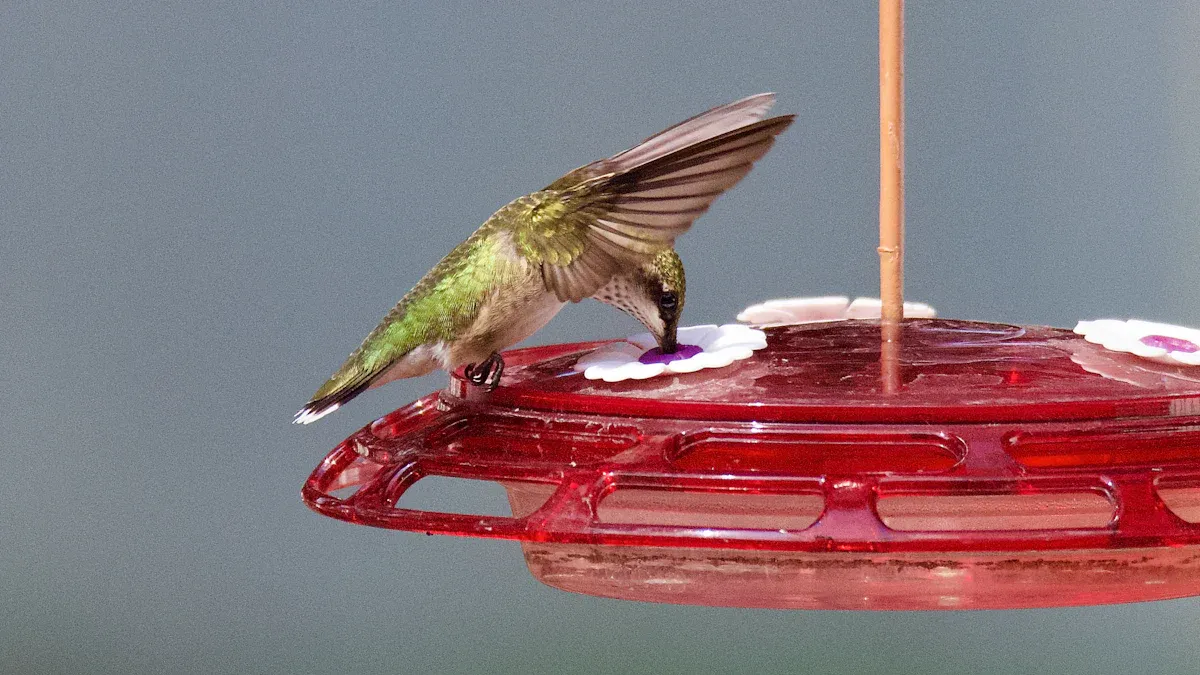
Adding water to your garden significantly supports local bird populations. Studies show these water sources boost biodiversity, especially for smaller birds. When choosing a bird water dispenser, select a type for the birds you want. Prioritize a shallow, non-toxic design that is durable and simple to clean.
Key Takeaways
- Choose a bird water dispenser that is shallow, made from safe materials, and easy to clean. This keeps birds healthy and safe.
- Place your waterer in a spot with both shade and nearby plants for cover. This helps birds feel safe from predators.
- Clean your bird waterer often to stop algae and mosquitoes. Fresh water keeps birds healthy and happy.
What Types of Bird Waterers Are There?
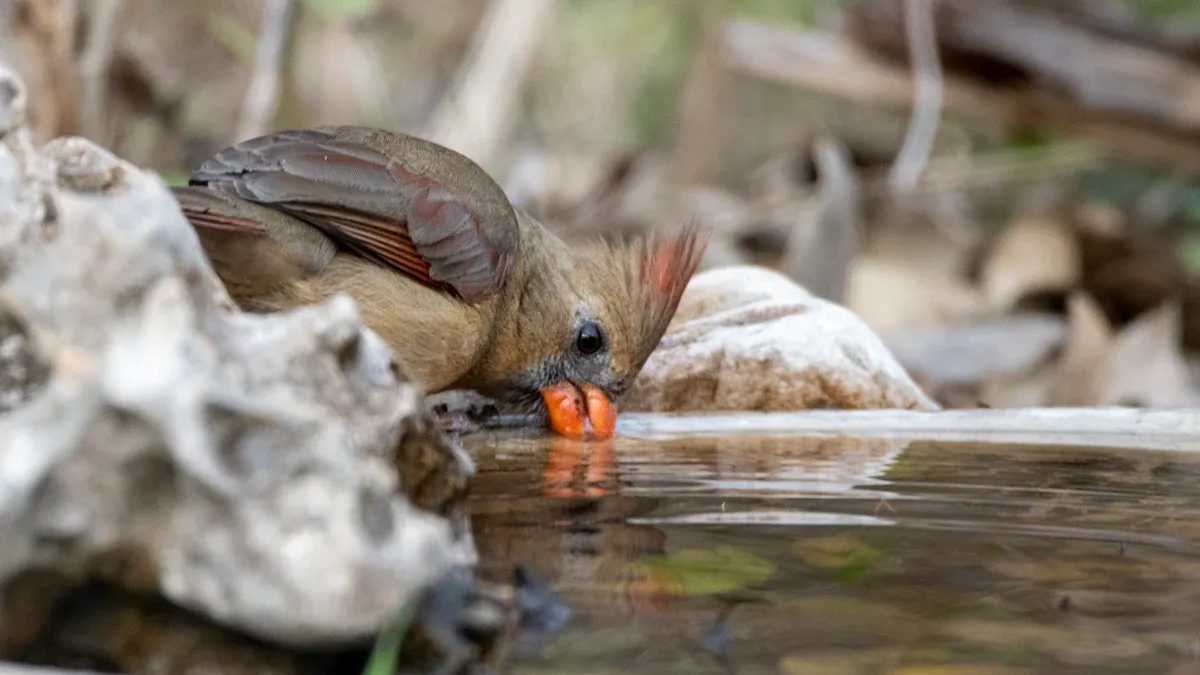
You can find waterers in several styles. Each type attracts different birds and offers unique benefits for your yard. Understanding these options helps you choose the best fit for your feathered visitors.
Hanging Dispensers
Hanging dispensers often look like upside-down water bottles with a small basin. This bird water dispenser is perfect for attracting small, perching birds like finches, chickadees, and wrens. The elevated design keeps the water clean and protects smaller birds from ground predators like cats.
Ground-Level Baths and Dishes
Many birds prefer drinking at ground level. Ground baths mimic natural puddles and shallow streams. You will attract a wider range of species with a ground-level dish. Larger birds like robins, doves, blue jays, and woodpeckers often feel safer using a water source on the ground.
Tip: Place a large rock in the middle of a ground bath. This gives birds a safe place to perch while they drink.
Heated Dispensers for Winter
A heated bird bath is a crucial resource during cold months. These dispensers use a built-in heating element to keep water from freezing. This provides birds with a reliable source of liquid water for drinking and bathing when other sources are frozen solid.
Dispensers with Moving Water
The sound and sight of moving water are highly attractive to birds. These dispensers create ripples that catch sunlight and signal a fresh water source. You can easily add movement with simple devices.
- Drippers attach to a spigot and release a slow drip into a bath.
- Bubblers or Wigglers sit inside a basin and create gentle ripples.
- Small fountains, often solar-powered, create a continuous, gentle flow.
How to Choose the Right Bird Water Dispenser
Selecting the right waterer involves more than just picking a style. You need to consider the material, size, and design to ensure it is safe, durable, and easy for you to maintain. A thoughtful choice creates a better experience for both you and your feathered visitors.
Material: Safety and Durability First
The material of your waterer affects both bird safety and how long it will last. You should always choose non-toxic materials to protect the birds. Some of the safest options include:
- Terra cotta dishes
- BPA-free plastic dishes
Durability is also important, especially with changing weather. Different materials handle conditions like freezing temperatures and direct sun differently. You can use this table to compare common options.
| Material | Durability in Freezing Temperatures | Durability in Direct Sun |
|---|---|---|
| Ceramic/Glass | Cracks easily; you cannot use it. | Holds up well. |
| Plastic/Resin | Can be used with heated versions. | Often UV-resistant but can fade. |
| Metal (Copper/Bronze) | Very durable. | Heats up quickly and can scald feet. |
Plastic and resin are often the most versatile choices. However, if you choose a metal bath, place it in a shady spot to keep it from getting too hot.
Capacity: Match It to Your Birds
The size of your waterer determines how often you need to refill it. Your goal is to provide a consistent supply of fresh water. The amount of water birds need varies greatly. For example, a small flock of 25 chickens can drink over three gallons of water a day in hot weather.
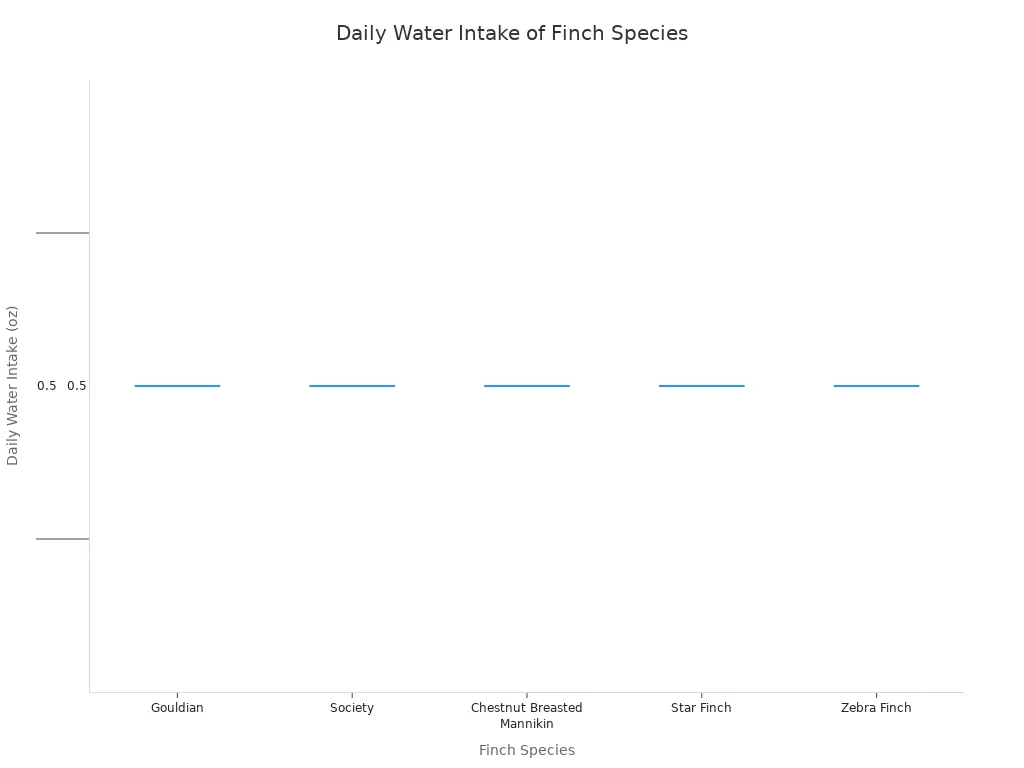
Small songbirds, on the other hand, drink and use much less. Many finch species consume less than one ounce of water daily. A shallow dish provides plenty of water for them to drink and bathe. Healthy finches love to bathe and may do so daily in warm weather.
A smaller basin is often better for a typical backyard. It is easier to clean, and you will refill it with fresh water more frequently. This prevents the water from becoming stagnant and dirty.
Design: Prioritize Easy Cleaning
A clean bird water dispenser is essential for bird health. Dirty water can spread disease. You should choose a design that is simple to take apart and scrub. Waterers with wide openings or removable parts make this job much easier. For instance, some glass waterers have components that separate completely, which allows you to sanitize every part. A simple, open-basin design is often the easiest to scrub and rinse daily.
Note: A complex, decorative fountain might look beautiful, but it can be very difficult to clean. Prioritize function and hygiene over fancy designs.
Safety: Look for Shallow Basins
Birds can drown in water that is too deep. Avian experts recommend a maximum water depth of one to two inches. This shallow depth allows small birds to stand, drink, and bathe without risk. Even larger birds often prefer shallow water.
You can easily make any waterer safer.
- Add Stones: Place different-sized stones or gravel in the basin. This gives birds a secure place to stand and a non-slip surface to grip.
- Create Slopes: If your bath has steep sides, create a gentle slope with flat stones. This "beach" gives birds a safe way to walk in and out of the water.
- Provide Perches: A branch or large rock placed in the water offers a safe perch for drinking and preening.
These simple additions give birds more confidence and ensure your water source is a safe haven, not a hazard.
Where Should You Place Your Waterer?
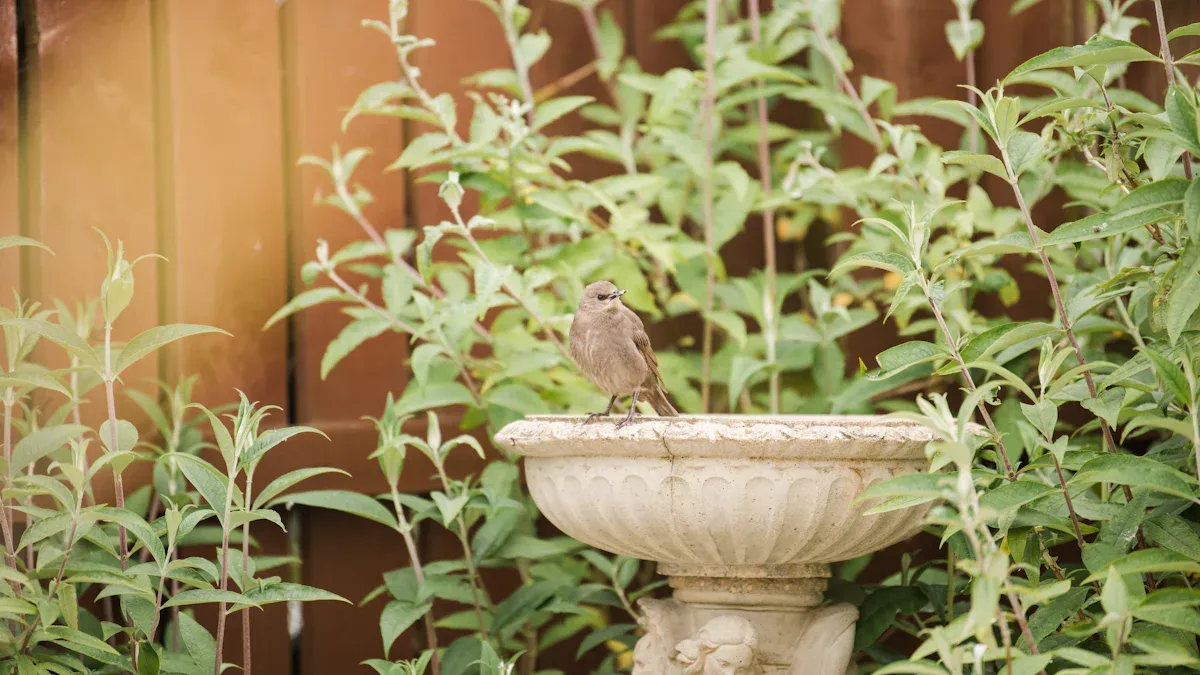
The location of your waterer is just as important as its design. Proper placement creates a safe and inviting spot for birds. You should consider sun exposure, nearby cover, and visibility to protect your feathered guests.
Find the Sweet Spot: Sun and Shade
You want to find a location with a good balance of sun and shade. Birds prefer cool water, so a shady spot is often best. Direct sunlight can heat the water, making it uncomfortable for birds to use.
- Shade keeps the water cooler and slows down evaporation.
- Cooler water also reduces the growth of bacteria and algae.
- If you cannot find full shade, place the waterer where it will be shaded during the hot afternoon hours.
In winter, a sunnier spot can help prevent the water from freezing. However, for most of the year, shade is the ideal choice.
Proximity to Cover and Feeders
Birds feel safest when they have a quick escape route. Place your waterer near shrubs, trees, or other dense vegetation. This gives them ample cover to retreat to if they sense danger. A distance of about 10 feet from cover is a good rule of thumb. This is close enough for a quick flight to safety. You should also keep the waterer near your feeders. This creates a convenient station where birds can eat, drink, and bathe.
Visibility to Spot Predators
While cover is important, birds also need a clear view to spot approaching threats. Common predators include cats, hawks, and snakes. An open area around the waterer allows birds to see danger from all directions. Avoid placing your water source directly under dense bushes where a cat could hide and ambush them.
Create a Safe Zone: The best location offers nearby cover for escape but also provides an open line of sight. This balance ensures birds can relax and use the water without feeling trapped or vulnerable.
How Do You Maintain a Clean Water Source?
Providing water is great, but you must keep it clean to protect bird health. A simple maintenance schedule prevents the spread of disease and keeps your water source inviting. You can easily maintain a safe and healthy spot for birds with a few good habits.
A Simple Cleaning Routine
You should clean your bird water dispenser thoroughly every one to two weeks. If you notice sick birds or heavy soiling, clean it weekly. First, take the waterer apart. Scrub all surfaces with a stiff brush and a safe cleaning solution, like nine parts water to one part white vinegar. After scrubbing, you must rinse every part completely to remove any residue. Let the waterer air dry fully before you refill it with fresh water.
How to Prevent Algae Growth
Algae can make water unsafe for birds. The best way to prevent it is to change the water every few days. This simple action stops algae from growing. Placing your waterer in the shade also helps by keeping the water cool. Some materials, like copper, naturally stop algae growth because copper ions destroy algae cells. You can also add a solar fountain or aerator. The moving water not only attracts birds but also slows down algae formation.
Keeping Mosquitoes Away
Stagnant water is a breeding ground for mosquitoes. Luckily, you can easily prevent them. Mosquitoes need seven to ten days to hatch, so changing the water every few days disrupts their life cycle. Birds also help by eating mosquito larvae. For extra protection, you can add a water wiggler. This device creates constant ripples on the surface. The continuous motion prevents mosquitoes from laying eggs in the first place.
Select a bird water dispenser that suits your yard and desired birds. Verify it has safe materials and an easy-to-clean design. You must commit to regular cleaning for bird health.
Enjoy the reward of providing this vital resource for your feathered friends! 🐦
FAQ
How often should I change the water?
You should change the water every one to two days. This simple step prevents algae growth. It also keeps the water fresh and safe for your feathered visitors. 🐦
Can I use tap water for my bird bath?
Yes, you can use tap water. Most tap water is perfectly safe for birds to drink and bathe in. You do not need to use special filtered water.
Why aren't birds using my waterer?
Birds may need time to find your new water source. You can check for these issues:
- The water is too deep.
- The location lacks nearby cover.
- Predators are too close.