Your Complete Guide to Buying a Water Dispenser
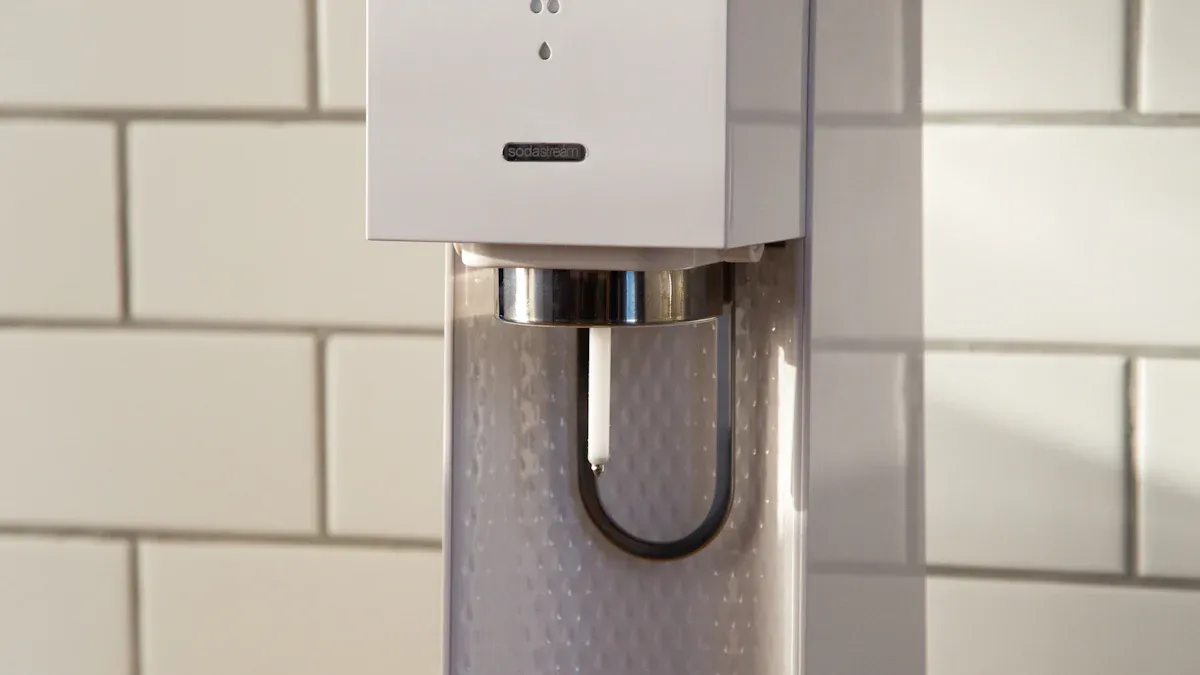
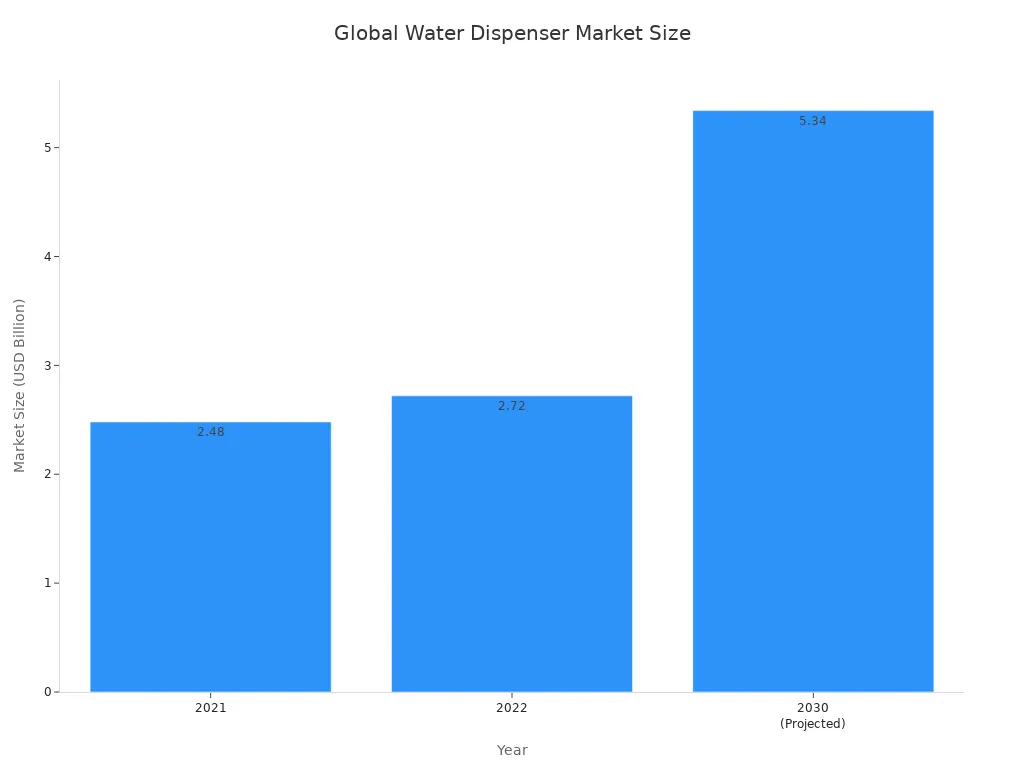
Finding the best water dispenser involves a few key choices. You should evaluate your space and preferred water source. Also, consider if you need hot, cold, or room temperature water. The demand for these convenient appliances is growing fast, showing how many people value instant hydration.
Key Takeaways
- Choose between freestanding or countertop models based on your space.
- Decide if you want bottled water or a bottleless system that connects to your water line.
- Look for features like hot and cold water, good filters, and safety locks.
Freestanding vs. Countertop: Which Fits Your Space?
Your first major decision is choosing a dispenser that fits your environment. You need to decide between a larger, standalone unit or a compact model that sits on your counter. This choice depends entirely on your available space and how you plan to use it.
Freeststanding Water Dispensers
Freestanding water dispensers are standalone units. You place them directly on the floor. They work well in high-traffic areas like kitchens, break rooms, or office hallways. These models often serve as a central hydration station for everyone to use. 💧
Their size requires dedicated floor space. Dimensions and weight can vary significantly, so you should always measure your intended spot before buying.
Example Freestanding Dispenser Sizes
| Model Type | Dimensions (Inches) | Weight (lbs) |
|---|---|---|
| Standard Cold & Room Temp | 12.5" x 11.5" x 34" | 19.5 |
| Top-Loading Hot & Cold | 12.2" x 14.2" x 39.4" | 35.3 |
| Bottleless with Ice Maker | 18.1" x 20.1" x 58.6" | 120 |
Countertop Water Dispensers
Countertop water dispensers offer a space-saving solution. You can save valuable floor space with these compact models. They are perfect for smaller kitchens, apartments, or desktops. A typical unit might measure around 13" x 12" x 20" and weigh just over 10 pounds, making it easy to place.
Despite their smaller size, they offer many of the same features as larger units, including hot and cold water options. The price for these models varies widely. Some consumer units are affordable, while high-end commercial models with advanced filtration can cost much more and may require a custom quote.
Pro Tip: Before buying a countertop model, make sure you have a power outlet nearby and enough vertical clearance between your counter and any upper cabinets.
Bottled vs. Bottleless: Understanding Your Water Source
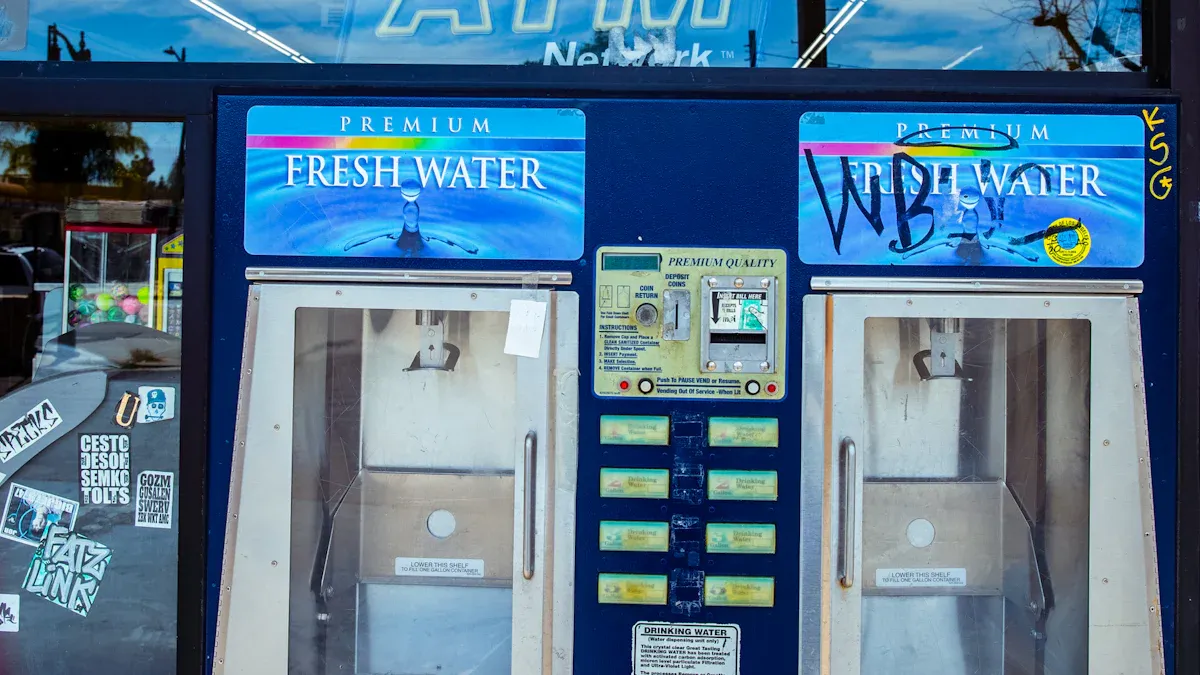
After deciding on placement, your next big choice is the water source. This decision impacts cost, convenience, and your environmental footprint. You will choose between a traditional bottled dispenser that uses large, replaceable jugs or a bottleless model that filters your tap water.
The Convenience of Bottled Dispensers
Bottled water dispensers are the classic choice for a reason. They offer unmatched simplicity. You just plug the unit into an outlet and load a water jug. There is no plumbing or complex installation required. This makes them a great plug-and-play solution for renters or anyone who wants instant setup.
The ongoing cost is something you need to consider. You will regularly buy or receive deliveries of 5-gallon water jugs. The price for a single 5-gallon jug is typically around $7. Some delivery services may charge a bit more, like $7.75 per bottle. The cost also changes based on the water type you choose, as spring or mineral water often costs more than purified water.
However, this convenience has an environmental downside. The reliance on large plastic jugs creates significant waste.
Environmental Impact of Plastic Jugs 🌎
Plastic water bottles are a major source of pollution. They are the second most common plastic trash found in the ocean. A key problem is the low recycling rate. Globally, only about 9% of these bottles get recycled. Most end up in landfills, where they can take hundreds of years to decompose and potentially contaminate soil and water.
The Cost-Effectiveness of Bottleless Models
Bottleless water dispensers, also known as point-of-use (POU) systems, offer a modern alternative. You connect these models directly to your building's water line. The dispenser then filters the tap water on-demand, providing a virtually endless supply of clean water. While the initial purchase price is higher, you save money over time because you no longer need to buy water bottles.
These models do require installation. You need to place the unit in a location that can access both a water line and a power outlet.
Basic Installation Steps for a Bottleless Dispenser:
- Choose a level spot for your dispenser. It should be near a grounded power outlet and a cold water line.
- Turn off the main water supply to that line.
- Connect the included T-adapter to your cold water pipe.
- Attach the dispenser's water line to the adapter.
- Once all water connections are secure, you can plug in the power cord.
Note: You should never connect the dispenser to a hot water line, as this can damage the internal filters. Many people hire a professional for installation to ensure the connections are secure and leak-free.
Choosing a bottleless model is a great way to reduce your environmental impact. You completely eliminate the need for plastic water jugs, which cuts down on plastic waste and reduces the carbon emissions associated with delivering bottles.
Top-Load vs. Bottom-Load: A Key Decision for Bottled Dispensers
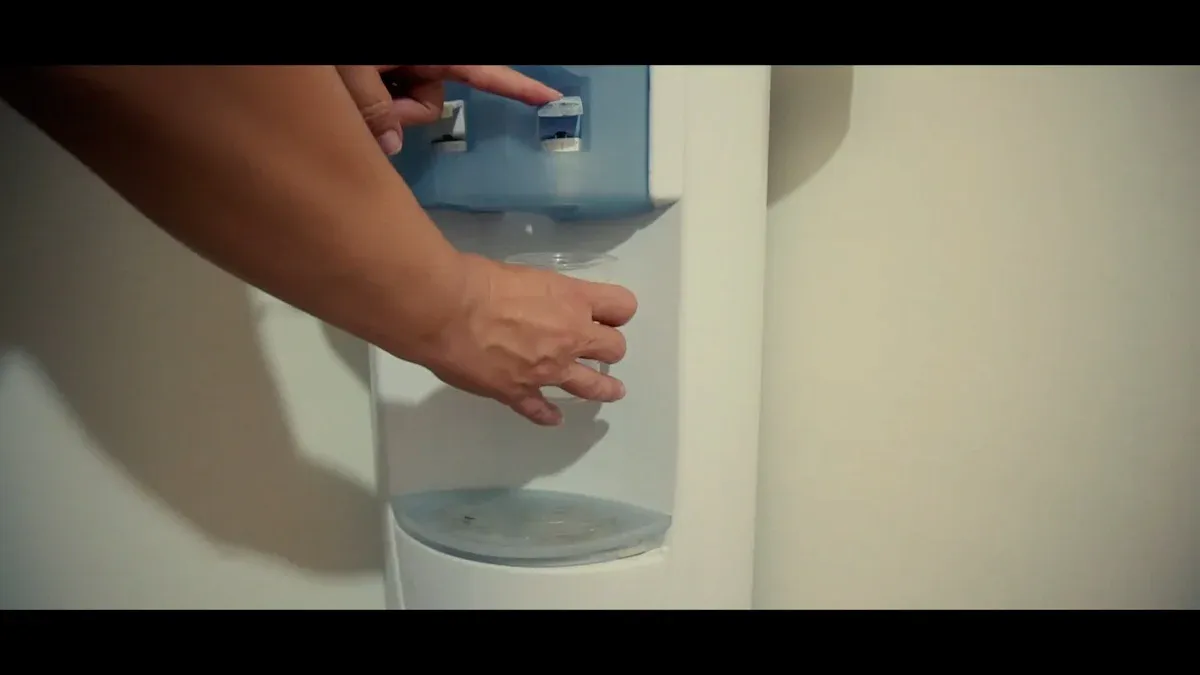
If you choose a bottled dispenser, you have one more important decision. You must decide how you will load the water jug. This choice affects convenience, safety, and the look of your space. You can pick between a traditional top-loading model or a more modern bottom-loading unit.
Why Choose a Top-Load Dispenser
Top-load dispensers are the classic design. You place the water jug upside down on top of the unit. These models are often more affordable upfront. They also make it easy to see when your water level is low.
However, you must consider the physical effort required. Lifting a standard 5-gallon water jug is a real challenge. It weighs about 42 pounds. Hoisting that weight to shoulder height creates a risk of back strain or injury. This task is not possible for everyone.
A Safer Option: If you prefer a top-load model, you might consider using 3-gallon jugs. They weigh a more manageable 25 pounds. This makes lifting them much safer and easier for most people.
The Benefits of a Bottom-Load Dispenser
Bottom-load dispensers offer a user-friendly alternative. You place the water jug inside a cabinet at the base of the unit. This design eliminates the need for heavy lifting. The dispenser uses a pump to draw water up from the bottle. This makes changing the bottle simple and strain-free.
Users often praise bottom-load models for several key features:
- Easy Bottle Changes: You just slide the bottle into the bottom compartment. You do not have to lift it.
- Sleek Appearance: The dispenser hides the water bottle from view. This creates a cleaner and more streamlined look in your kitchen or office.
- Child Safety Locks: Many models include a safety lock on the hot water spout. This feature is essential for homes with young children to prevent accidental burns. 🔥
Essential Features to Look For
Once you decide on the type of dispenser, you need to look at its features. The right combination of features will ensure your dispenser meets your daily hydration needs. You should focus on temperature, filtration, capacity, and safety.
Temperature Options: Hot, Cold, & Tri-Temp
A key benefit of a water dispenser is instant access to water at your desired temperature. You can choose from several options.
- Cold-Only: These are the most basic models. They provide chilled water, perfect for simple hydration.
- Hot & Cold: This is the most popular configuration. You get chilled water for refreshing drinks and hot water for tea, instant coffee, or oatmeal.
- Tri-Temp: These dispensers offer hot, cold, and room-temperature water. The room-temperature option is great for cooking or for anyone who prefers water that is not chilled.
Different brands offer slightly different temperature ranges. For example, some dispensers provide cold water that you can adjust from approximately 41°F to 50°F. The hot water is often not adjustable and is kept at a consistent temperature, usually around 190°F. Other models might offer a hot water range between 165°F and 194°F, which is hot enough for most instant beverages.
Filtration Systems Explained
If you choose a bottleless model, the filtration system is its most important feature. These systems clean your tap water before you drink it. Bottleless dispensers use multi-stage filters to remove different types of contaminants.
Standard systems are very effective at removing common impurities. A first-stage sediment filter often removes larger particles like rust flakes, silt, and dirt. A second-stage carbon filter then removes chemicals like chlorine, which improves the taste and smell of your water.
For even purer water, you can choose a more advanced system. The table below compares the three main types of filters you will find.
| Filter Type | Primary Function | Removes | Best For |
|---|---|---|---|
| Sediment Filter | Removes large particles | Dirt, rust, silt, pollen | Protecting other filters in a multi-stage system |
| Carbon Filter | Improves taste and odor | Chlorine, pesticides, some chemicals | Improving the quality of most tap water |
| Reverse Osmosis (RO) | Purifies water at a molecular level | Up to 97% of all dissolved solids, including fluoride, arsenic, bacteria, and lead | Areas with poor water quality or for maximum purity |
A Note on Filter Costs You must replace the filters regularly to keep your water clean. The cost of replacement filters varies by system type.
- A single sediment or carbon filter can cost between $23 and $46.
- A set of replacement filters for a standard system might cost around $75 to $100.
- Filters for a more complex Reverse Osmosis system can cost $100 or more.
Capacity and Dispensing Rate
Capacity and dispensing rate determine how much water is ready at any time and how fast it comes out.
Capacity refers to the amount of water held in the dispenser's internal hot and cold tanks, not the large jug. A larger tank means more hot or cold water is available before the unit needs to reheat or re-chill more water. A countertop model might have an internal storage capacity of around 15 pounds of ice or a few liters of water. This is an important factor for an office or a large family.
Dispensing Rate, or flow rate, is how quickly the water fills your cup. Most dispensers have a slow, steady flow to prevent splashing. A typical flow rate is about 0.07 gallons per minute. This equals roughly 0.15 ounces per second. It may seem slow, but it gives you good control when filling a glass or water bottle.
Child Safety Locks and Other Conveniences
Modern water dispensers come with features that make them safer and easier to use. Finding the best water dispenser often means looking for these small but important details.
A child safety lock on the hot water spout is an essential feature for any home with young children. This mechanism usually requires a two-step action to dispense hot water, which prevents accidental burns. These safety features are covered by broad product certifications like UL or CE, which confirm the entire product has passed strict safety tests.
Other convenient features to look for include:
- Self-Cleaning Technology: Some units use UV light or ozone to automatically clean the internal water lines and tanks. This prevents the growth of bacteria and biofilm.
- Touchless Dispensing: You can activate water flow with sensors instead of buttons. This feature reduces the spread of germs, making it great for offices.
- Preset Dispensing: You can program the dispenser to pour a specific amount of water (e.g., 7 oz or 16.9 oz). This helps prevent spills and overfilling.
- Filter Change Indicators: An LED light will alert you when it is time to replace your filters.
- Energy-Saving Modes: An eco-mode or programmable timer can reduce electricity use by adjusting heating and cooling cycles based on your usage patterns.
How to Find the Best Water Dispenser for Your Environment
The right water dispenser depends on where you will use it. A model for your home has different needs than one for a busy office. You should match the features to your specific environment.
Top Picks for Home Use
Finding the best water dispenser for your family means balancing convenience and safety. You want a unit that fits your lifestyle and kitchen space. Look for models that are easy to use and maintain.
Consider these key features for a family-friendly dispenser:
- Temperature Options: Choose a unit with hot and cold water. This serves everyone, from a cold drink for the kids to hot water for your tea.
- Space and Type: Decide if a countertop or freestanding model fits your home. Measure the space next to your kitchen sink or in another convenient spot.
- Special Features: Look for extras like a small cooling cabinet for snacks or LED indicators that show when the water is ready.
- Easy Maintenance: Prioritize models that are simple to clean. This is a huge plus for any busy family.
High-Capacity Models for the Office
An office needs a durable, high-capacity water dispenser. The best water dispenser for a workplace can handle constant use without issue. Large offices should consider point-of-use models for a continuous water supply. This avoids the hassle of changing heavy bottles. Smaller teams might find a compact, energy-efficient model is enough.
Office Tip: For high-traffic areas, look for dispensers with user-friendly maintenance. Features like filter change indicators and automatic cleaning cycles save time and effort.
High-capacity models are designed for many users. They ensure water is always available and reduce lines.
| Feature | Example Model: Follett 7/15 Series |
|---|---|
| Capacity | Continuous water with 7lb or 15lb ice storage |
| Ideal Headcount | 51–100 people |
| Highlights | Provides chewable nugget ice and reliable performance |
Maintaining Your Water Dispenser
You need to keep your water dispenser clean to ensure it provides fresh, safe water. Regular maintenance prevents bacteria growth and keeps your unit working correctly. A simple routine will protect your investment and your health.
A Simple Cleaning Routine
You should clean your dispenser regularly to stop bacteria and mold from building up. A consistent schedule is easy to follow and makes a big difference. For the best results, you can follow two types of cleaning cycles.
- Monthly Cleaning: You should perform a basic cleaning at least once a month. This simple task prevents the initial buildup of germs.
- Deep Cleaning: You need to do a more thorough cleaning every 3 to 6 months. This process removes hidden residue from inside the system.
To clean the interior, you can use warm water and a mild soap. After cleaning, you must rinse the system thoroughly to remove any soap. Always make sure the dispenser is completely dry before using it again.
Filter Replacement Schedule
If you have a bottleless dispenser, you must replace the filters on time. Old filters cannot clean your water effectively. The replacement schedule depends on the type of filter in your system. Each filter has a different lifespan.
| Filter Type | Recommended Replacement Interval |
|---|---|
| Sediment Filter | Every 6–12 months |
| Carbon Filter | Every 6–12 months |
| RO Membrane | Every 3–5 years |
Pro Tip: Always check the manufacturer's guide for your specific model. Your water quality and how much you use the dispenser can also affect how often you need to change the filters. 🗓️
You now understand the core decisions for buying a water dispenser. You can choose the right type, features, and model for your home or office. A well-chosen unit provides convenient access to clean, fresh water. You are now equipped to select the best water dispenser for your needs. ✅
FAQ
How much electricity does a water dispenser use?
A dispenser uses about the same energy as a mini-fridge. You can find Energy Star models. They use less power to save you money on your electric bill. 💡
Are water dispensers noisy?
Most dispensers are quiet. You might hear a soft hum from the cooling system. Bottom-load models make a brief sound when the pump draws water from the bottle.