The Essential Guide to High-Accuracy Checkweighers
An investment in a High Accuracy Checkweigher is a strategic decision. It protects your brand and boosts efficiency. The market for these systems is growing, projected to reach over USD 309.4 million by 2032. This guide helps you navigate your options. Selecting the right High Accuracy Checkweigher for Food Bag or other products requires careful thought.
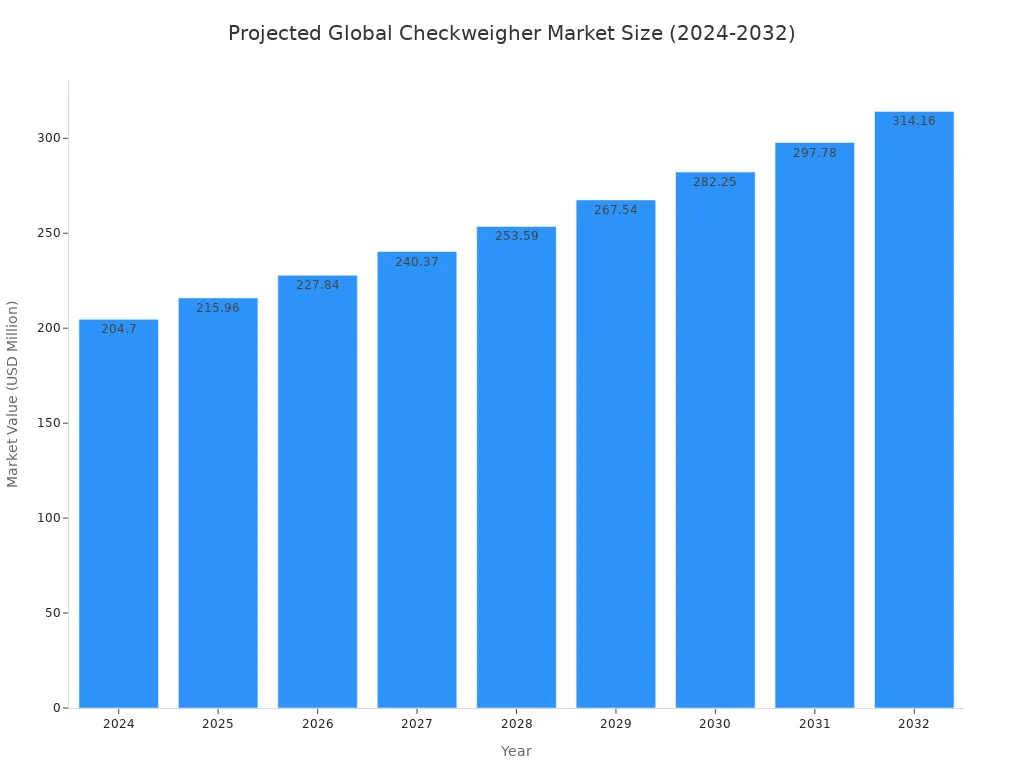
Note: Choosing the correct system involves asking key questions. What are your product's unique traits? How does your line speed affect the choice? What compliance standards must you meet? How do you assess the total cost beyond the initial price? Answering these questions ensures a successful purchase.
Key Takeaways
- Understand your product's traits, line speed, and factory environment. This helps you choose the best checkweigher.
- Look at the checkweigher's load cell, reject system, and software. These parts make sure it works well.
- Think about adding metal detectors or X-ray systems. They make your products safer and better.
Step 1: Define Your Application Requirements
Selecting the right system begins with a deep understanding of your specific needs. You must first define your application's unique parameters. This foundational step ensures your chosen checkweigher performs optimally and delivers a strong return on investment.
Analyze Product Characteristics
You need to document the physical properties of your products. The size, shape, weight, and stability of each item directly influence checkweigher design. A system designed for uniform boxes will not work well for unstable pouches.
Consider the full range of products that will pass over the line. Pay special attention to items that are difficult to handle. These can include:
- Soft pouches or bags that may settle or shift
- Irregularly shaped items like seafood or certain snack foods
- Rigid containers with non-standard geometries
- Bottled products, especially those with unique shapes
Stable, rigid packages are the easiest to weigh accurately at high speeds. Unstable or soft products require specialized conveyor designs and longer weigh-times to ensure a precise measurement.
Assess Production Line Speed and Throughput
Your production line's speed is a critical factor. You must match the checkweigher's capabilities to your line's throughput, measured in products per minute (PPM). A system that is too slow will create a bottleneck. A system that is too fast may be an unnecessary expense.
Varying conveyor speeds also impact weighing accuracy. A checkweigher has less time to measure items on a faster conveyor. This short time window can increase the chance of errors. You should select a system that can handle your maximum conveyor speed to maintain accuracy.
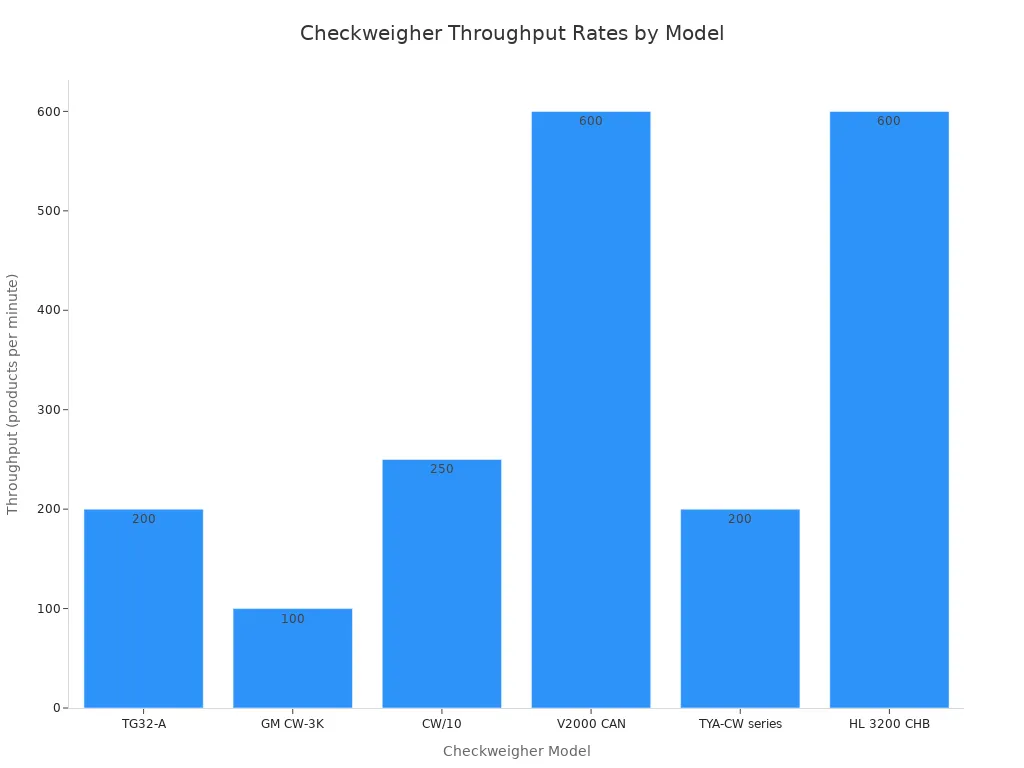
Different industries have different throughput demands. The food and beverage sectors often require very high speeds. The table below shows typical throughput rates for various checkweigher models.
| Checkweigher Model | Application/Industry | Throughput (p/min) |
|---|---|---|
| TG32-A | Confectionery products | 200 |
| GM CW-3K | Food, daily-use chemical, textile, packing | 100 |
| CW/10 | Food products | 0 - 250 |
| V2000 CAN | Food and beverage | 400 - 600 |
| TYA-CW series | Bottles, food | 200, 150, 120 |
| HL 3200 CHB | Plastic bottles, food | 600 |
Evaluate the Production Environment
Your factory environment presents unique challenges for sensitive weighing equipment. You must consider factors like temperature, moisture, dust, and vibration. These elements can affect the accuracy and lifespan of a High Accuracy Checkweigher.
Expert Tip: Temperature changes and factory floor vibrations are silent threats to accuracy. Dramatic temperature shifts can cause metal components in the load cell to warp. Vibrations from nearby machinery can disrupt sensitive readings. A quality checkweigher will have features to compensate for these environmental factors.
Moisture and cleaning processes also demand specific hardware protection. Equipment used in washdown environments requires a high Ingress Protection (IP) rating.
- IP66 offers general protection against powerful water jets.
- IP69/IP69K provides the highest level of protection. It is essential for environments with high-pressure, high-temperature washdowns, common in food processing. This rating ensures the internal electronics are safe from moisture and harsh cleaning chemicals.
Determine Accuracy and Compliance Needs
You must define the weighing accuracy your application requires. This is often dictated by industry regulations and your own quality standards. The goal is to minimize product giveaway without risking under-filled packages that violate weights and measures laws.
Accuracy is typically expressed as a plus-or-minus deviation (e.g., ±0.5g). Your required accuracy will influence the type of load cell and other system components. Tighter accuracy requirements often mean a higher initial investment. However, this investment quickly pays for itself by reducing waste and ensuring compliance. You must clearly communicate your accuracy and regulatory needs to potential vendors. This ensures the proposed system will protect your brand and your bottom line.
Step 2: Evaluate Key Technical Specifications of a High Accuracy Checkweigher
Once you have a clear picture of your application, you can dive into the technical details. The performance of a High Accuracy Checkweigher depends on three core components: the weighing mechanism, the reject system, and the software. Evaluating these specifications ensures the system you choose can meet your accuracy and throughput goals.
Load Cell and Conveyor Sizing
The load cell is the heart of the checkweigher. It is the sensor that measures the product's weight. The conveyor system transports the product over the load cell. Both must be sized correctly for your specific product and line speed to achieve accurate readings.
Two primary load cell technologies dominate the market: traditional Strain Gauge and advanced Surface Acoustic Wave (SAW), also known as Electromagnetic Force Restoration (EMFR). Your choice impacts accuracy, durability, and cost.
| Feature | Strain Gauge Load Cells | Surface Acoustic Wave (SAW) Load Cells |
|---|---|---|
| Accuracy | Good, but can be affected by temperature changes and creep. | Offer higher accuracy and are less susceptible to environmental factors. |
| Durability | Robust and widely used, but can be damaged by shock or overload. | More durable due to a simpler design with fewer moving parts. |
| Technology | Measure force by the deformation of a metal element. | Utilize surface acoustic waves for a more stable measurement. |
| Cost | Generally less expensive and suitable for many applications. | Typically more expensive but offer long-term precision. |
Proper conveyor sizing is equally critical. A belt that is too narrow can cause products to touch the guide rails, creating false readings. A weigh-belt that is too short may not give the load cell enough time for a stable measurement.
Pro Tip: The length of the weighing belt should be at least 1.5 times the length of your product. This provides enough time for the system to get a clean, accurate weight before the next item arrives.
To determine the right conveyor size for your needs, follow these steps:
- Measure Product Dimensions: Note the width and length of your largest products as they travel on the conveyor.
- Determine Required Clearance: Add space on each side for smooth transport. This prevents jamming and inaccurate readings.
- Calculate Belt Width: Use the formula:
Belt Width = Product Width + Required Clearance + Safety Factor. A safety factor of 10-20% is standard. - Check Minimum Requirements: Always consult the manufacturer's guidelines to ensure your calculated size meets the system's technical specifications.
Reject System Selection
An effective reject system removes under or overweight products from the production line quickly and reliably. The right mechanism depends on your product's weight, shape, and packaging. Choosing the wrong one can lead to damaged products or failed ejections.
Common reject systems include:
- Air Jet: A sharp burst of compressed air pushes lightweight items off the conveyor. This is a fast, no-contact method ideal for high-speed lines.
- Pusher: A pneumatic or motorized arm extends to push heavier, more stable products sideways off the line.
- Drop Flap: A section of the conveyor belt drops open, allowing the rejected product to fall into a bin below. This method is gentle and works well for fragile items.
The table below outlines which system works best for different product types.
| Reject System | Best for Product Type | Typical Product Weight | Key Notes |
|---|---|---|---|
| Air Blast | Lightweight, packaged items (chips, bars) | Up to 0.8 kg | Fast and touchless; not for open or fragile packages. |
| Pusher | Rigid or boxed items (cartons, bottles) | Up to 10 kg | Effective for heavier items; not ideal for unstable bags. |
| Drop Flap | Fragile or bulk products (cookies, loose items) | Varies | Gentle handling; requires space below the conveyor. |
Selecting the correct rejector protects product integrity and ensures only compliant packages continue down the line.
Software and Data Connectivity
Modern checkweighers are powerful data collection tools. The software not only operates the machine but also provides critical insights into your production process. Advanced software allows you to connect the checkweigher to your broader factory management systems.
Integrating your checkweigher with a Manufacturing Execution System (MES) or Enterprise Resource Planning (ERP) system unlocks significant benefits:
- Real-Time Data Visibility: Gain instant insights into production efficiency, cycle times, and waste.
- Improved Accuracy: Eliminate manual data entry, which reduces human error and improves data trustworthiness.
- Enhanced Quality Management: Use historical data to identify trends, track batches, and proactively address quality issues.
- Optimized Production Planning: Make better decisions about resource allocation and scheduling to minimize downtime and waste.
Data Integrity is Key: To ensure this data exchange is secure and reliable, modern systems use standard protocols like OPC Unified Architecture (OPC UA) and PackML. These software standards create a common language for machines to communicate, ensuring data integrity and supporting Industry 4.0 initiatives.
This connectivity transforms your checkweigher from a simple quality control device into a strategic asset for process optimization.
Step 3: Consider Advanced and Combination Systems
You can enhance product safety and quality by integrating inspection technologies with your High Accuracy Checkweigher. Combination systems save valuable floor space and streamline your quality control process into a single, efficient step.
Checkweighers with Metal Detection
A combination checkweigher and metal detector is a popular choice for many production lines. This single unit performs two critical checks. It verifies product weight and scans for metal contaminants simultaneously. This integration offers several key benefits:
- It saves space on your production line.
- It ensures products meet weight requirements and are free from metal.
- It improves operational efficiency by automating two inspection processes.
- It helps you comply with food safety standards like HACCP and GFSI.
These systems can detect very small metal fragments. The sensitivity varies by the type of metal.
| Contaminant Type | Detection Sensitivity (mm) |
|---|---|
| Ferrous (FE) | ≥1.0 |
| Non-ferrous (NFE) | ≥1.2 |
| Stainless Steel (SUS304) | ≥2.5 |
A combination system provides robust protection. It helps you meet strict regulatory protocols, reduces waste, and protects your brand's reputation.
Checkweighers with X-ray Inspection
For the highest level of protection, you can pair a checkweigher with an X-ray inspection system. X-ray technology finds contaminants that metal detectors cannot. It works by detecting differences in density. This allows it to identify a much broader range of foreign objects.
X-ray systems can detect:
- Glass shards
- Stones or pebbles
- Calcified bone fragments
- High-density plastics and rubber
Choosing an X-ray combination system gives you comprehensive inspection capabilities. It is the best solution when you face risks from non-metallic contaminants. This advanced system ensures your products are safe and meet all quality standards before they leave your facility.
Step 4: Finalize Your Purchase Decision
You have defined your needs and reviewed the technology. Now you can make a confident purchase decision. This final step involves asking the right questions, understanding the long-term costs, and choosing a reliable partner.
Key Questions for Vendors
Your relationship with a vendor extends beyond the initial sale. You must evaluate their after-sales support to ensure minimal downtime. A fast response from a local team can be critical. Ask potential vendors about their service level agreements.
Key support metrics to confirm include:
- Response Time: Can they have a technician on-site within 24 hours?
- Technical Expertise: Is a support team available to troubleshoot issues?
- Parts Availability: How quickly can they supply critical spare parts?
Calculate Total Cost of Ownership
The initial purchase price is only part of the total investment. You should calculate the Total Cost of Ownership (TCO) to understand the long-term financial impact. This includes predictable annual costs from maintenance contracts and potential replacement parts. A quality system can also reduce product giveaway by 0.5% to 3%, generating a significant return on investment.
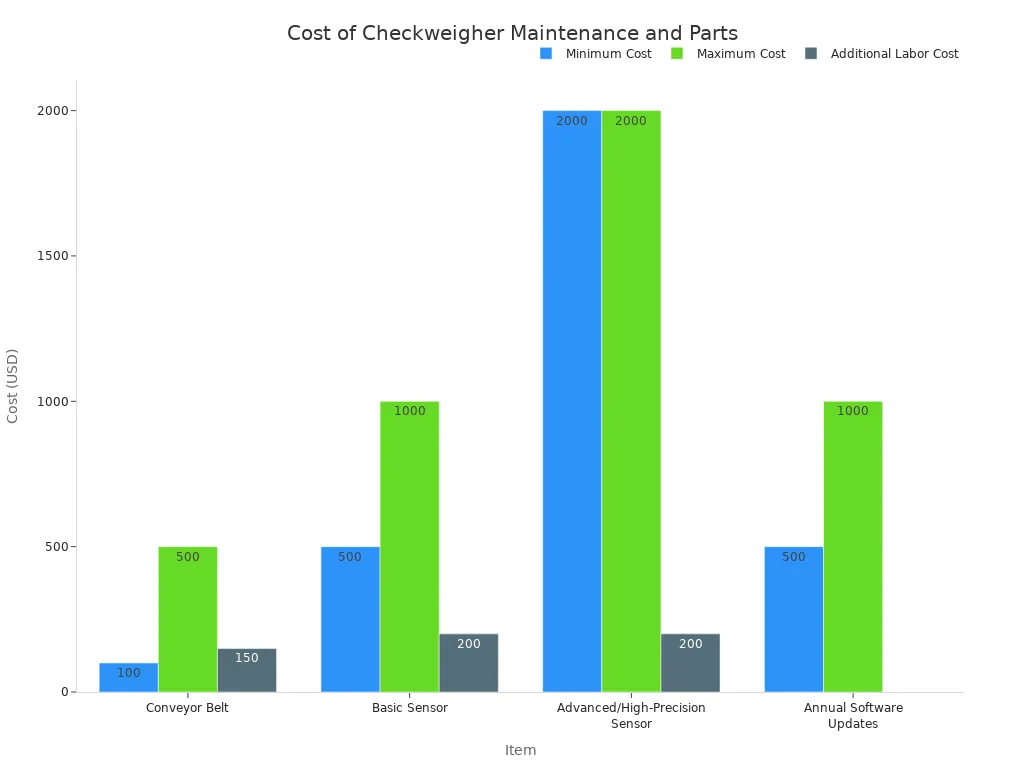
These ongoing expenses are a crucial part of your budget. Factoring them in provides a realistic view of the machine's lifetime cost.
Select a Reputable Partner
Choosing the right manufacturer is as important as choosing the right machine. You should partner with a company known for quality and reliability. Industry leaders like Mettler Toledo, Ishida, and Loma Systems have established global service networks. Ask vendors for case studies relevant to your industry. For example, one snack manufacturer reduced product waste by 15% after implementing a new system. A strong partner provides a solution that delivers measurable results and protects your brand for years to come.
Selecting the right High Accuracy Checkweigher is a strategic investment in your brand's quality and efficiency. You can make a confident choice by defining your needs, evaluating specifications, and partnering with a trusted vendor. A well-chosen system ensures compliance, minimizes product giveaway, and delivers lasting operational value for years to come.
FAQ
What is the difference between static and dynamic checkweighing?
Static weighing measures a stationary product. Dynamic weighing measures a product while it moves on a conveyor. Your production line speed determines which method you need.
How often should I calibrate my checkweigher?
You should calibrate your system daily. Regular calibration ensures consistent accuracy. It also maintains compliance with industry standards and prevents costly errors in your production process.
See Also
Understanding Pharmaceutical Checkweighers: Key Features and Their Importance Explained
Essential Industrial Checkweighers: The Top Three for Food Production Facilities
Choosing Capsule Checkweighers: A Buyer's Guide for the Year 2025
Tablet Sampling Machines: An Ultimate Selection Guide for Your Laboratory Needs
Hygienic Design: Comparing EHEDG Guidelines with 3A SSI Standards