Your Guide to the Mighty 21-Ton Excavator
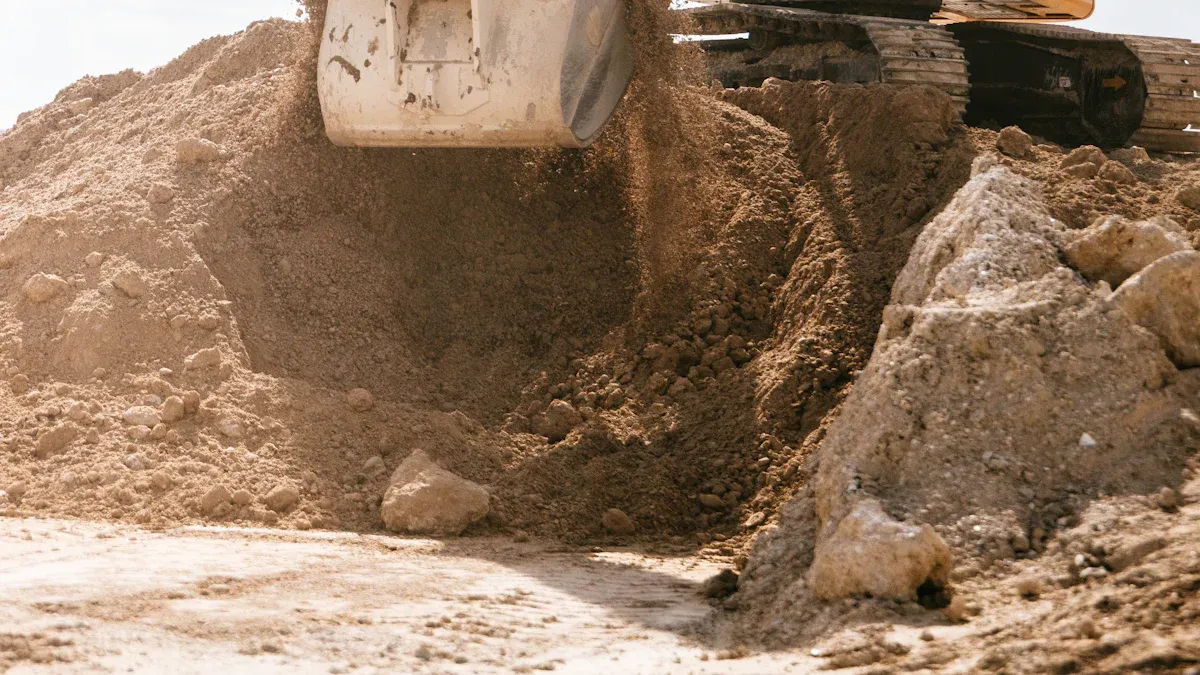
An excavator factory produces machines like the ZG220 Crawler Hydraulic Excavator. This 21-ton excavator provides a perfect mix of power and flexibility. It handles medium-to-large projects with ease. Its powerful Tier 4 Final diesel engine and advanced hydraulic system give operators precise control. The machine delivers significant digging force for tough jobs. It performs well in commercial construction, roadwork, utility trenching, and demolition.
Note: The 21-ton class is often considered the "sweet spot" in heavy equipment, offering substantial capability without the logistical challenges of much larger machines.
Key Takeaways
- The 21-ton excavator is a powerful machine. It handles many jobs like digging and lifting.
- This excavator has a strong engine and smart hydraulic system. This helps it work well and save fuel.
- The operator's cabin is comfortable. It has technology to help the operator work safely and easily.
- The machine can use many different tools. These tools help it do more jobs like breaking concrete or drilling holes.
- This excavator is good for construction, road work, and demolition. It is a useful machine for many projects.
Core Features of the 21-Ton Excavator
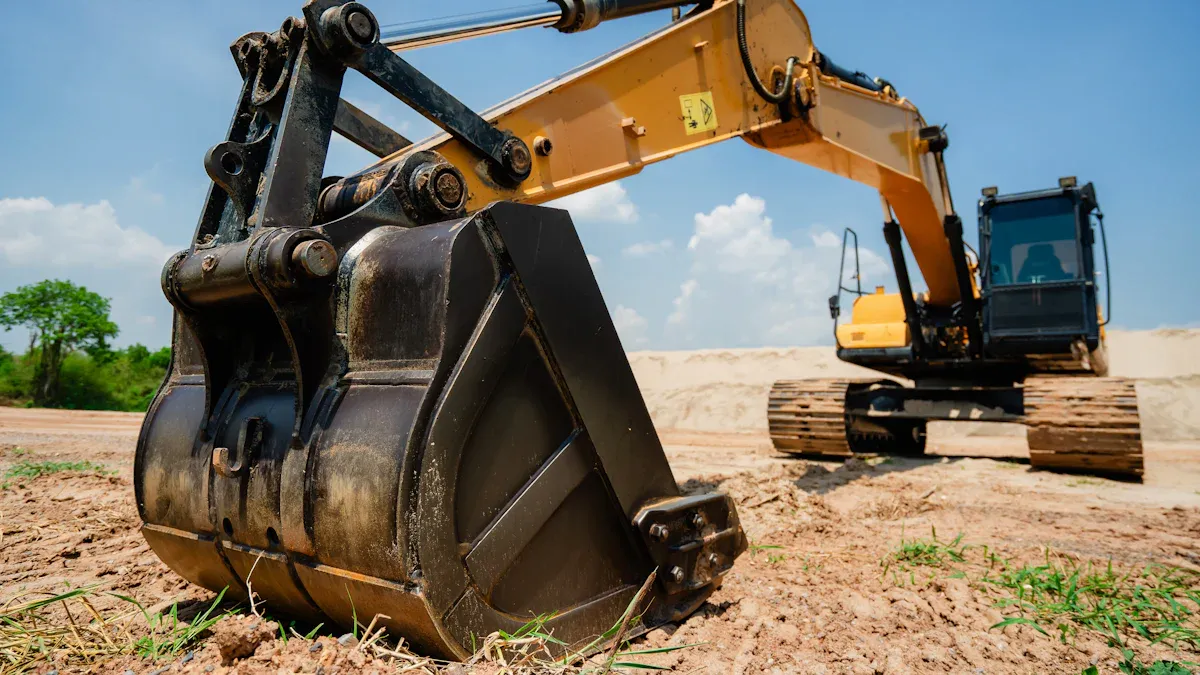
The 21-ton class machine earns its reputation through a powerful combination of core features. These elements work together to deliver reliable performance, operator efficiency, and job site mobility. Understanding these systems reveals why this machine is a cornerstone of modern construction fleets.
Engine Power and Hydraulic Performance
The heart of the 21-ton excavator is its modern diesel engine. Manufacturers design these engines to meet strict Tier 4 Final emissions standards. This provides two major benefits. First, it significantly reduces harmful exhaust gases for cleaner air on the job site. Second, it improves fuel economy, lowering daily operating costs. The engine generates substantial horsepower and torque. This power drives the machine's advanced hydraulic system.
The hydraulic system acts as the machine's muscle. It converts the engine's mechanical power into immense digging and lifting force. Key components deliver this performance with precision.
- Load-Sensing Pumps: Smart pumps automatically adjust hydraulic flow. They send power exactly where the operator needs it for a specific task. This conserves fuel and provides smoother operation.
- Selectable Work Modes: Operators can choose from different modes, such as an "Eco" mode for light work or a "Power" mode for heavy digging. This matches the machine's output to the job's demands.
- Advanced Valve Control: Modern hydraulic valves give the operator fine control over the boom, arm, and bucket. This allows for precise grading, trenching, and object placement.
Operator Cabin Comfort and Technology
A productive operator is a comfortable one. Manufacturers design the cabins of modern excavators to be a safe and ergonomic command center. The goal is to reduce operator fatigue over long workdays. The spacious cab sits on silicone-filled mounts. These mounts absorb vibrations and noise from the machine, creating a quieter work environment.
Inside the cabin, technology and comfort merge to enhance control and awareness.
Operator Focus: A well-designed cabin directly improves job site safety and productivity. When an operator is comfortable and has clear information, they can work more efficiently and with greater focus.
Key cabin features include:
- High-Resolution LCD Monitor: A large, easy-to-read screen displays vital machine information. Operators can monitor fuel levels, engine temperature, and hydraulic settings at a glance. The screen also shows the view from the standard rearview camera.
- Ergonomic Joystick Controls: Low-effort joysticks allow the operator to control all digging functions with small hand movements. This precision reduces physical strain and improves accuracy.
- Automatic Climate Control: A powerful heating and air conditioning system maintains a consistent and comfortable temperature inside the cab, regardless of the weather outside.
Undercarriage Design and Mobility
The undercarriage forms the foundation of the excavator. It supports the machine's entire weight and provides the stability needed for heavy digging and lifting. Most 21-ton models feature a long undercarriage (LC) design. This design increases the machine's footprint on the ground. The larger footprint improves balance, enhances lifting capacity over the side, and reduces ground pressure. This allows the machine to work effectively on soft or uneven terrain without sinking.
The undercarriage consists of several rugged components built for durability. Each part plays a critical role in the machine's mobility and stability.
| Component | Function |
|---|---|
| Track Shoes | Provide traction and support the machine's weight. |
| Track Chains | Connect the shoes to form a continuous loop. |
| Rollers | Guide the track chains and distribute the machine's load. |
| Idlers | Guide the track at the front and maintain proper track tension. |
Operators can equip the machine with different track shoe types, like triple grouser shoes, to match specific ground conditions. This adaptability makes the machine a versatile tool across many different job sites.
Understanding Key Specifications
Specifications on a data sheet tell the story of a machine's capability. These numbers define what an excavator can do on a job site. Understanding them helps project managers select the right machine for the task. Key specs like digging depth, breakout force, and operating weight directly impact productivity and efficiency.
Digging Depth and Maximum Reach
Digging depth and reach determine the machine's working envelope. Maximum digging depth is how deep the bucket can dig below ground level. Maximum reach is the farthest distance the bucket can extend at ground level. These two specifications are critical for tasks like excavating basements, digging utility trenches, and shaping slopes. A typical 21-ton class machine offers significant capability in these areas.
| Digging Specification | Value (mm) |
|---|---|
| Maximum Digging Depth | 6707 |
| Ground Maximum Digging Depth | 6523 |
| Maximum Vertical Digging Depth | 6107 |
A long reach, such as a ground maximum digging radius of 9812 mm, allows the operator to move more material without repositioning the entire machine. This saves time and fuel.
Breakout Force and Lifting Capacity
Breakout force measures the power the machine can exert at the bucket tip. It is a direct indicator of digging strength. A high breakout force allows the excavator to penetrate hard, compacted soil or break through tough materials. For example, a bucket digging force of 137 kN provides immense power for challenging excavation jobs. Lifting capacity defines how much weight the machine can safely lift. This is crucial for placing heavy pipes, moving concrete barriers, or loading large rocks into a truck.
Operating Weight and Stability
The operating weight of a machine is fundamental to its performance. A 21-ton excavator, with an operating weight around 22,000 kg (22 tons), has the mass needed for powerful digging and stable lifting.
Stability is Key: The machine's weight, combined with its long undercarriage, creates a stable platform. This stability allows the operator to use the full reach and lifting power of the machine with confidence.
A heavier machine is less likely to tip or become unbalanced when extending its arm with a full bucket. This inherent stability makes the 21-ton class a secure and reliable choice for a wide range of tasks.
Fuel Efficiency and Eco-Modes
Modern construction demands both power and efficiency. Fuel is a major operating expense, so manufacturers design 21-ton excavators to maximize every drop. These machines balance strong performance with smart fuel consumption, helping to lower costs and reduce environmental impact. The key to this efficiency lies in the integration of advanced engine technology and intelligent hydraulic systems.
Many excavators in this class, like the ZG210, use powerful Cummins engines. These engines are engineered for energy efficiency and compliance with strict emission regulations. They provide the necessary muscle for tough jobs while minimizing fuel burn. The engine works together with an advanced negative flow hydraulic system. This system ensures high operating efficiency by directing hydraulic power precisely where it is needed, preventing wasted energy.
Smart Power Management: The goal is not just to have power, but to use it wisely. Modern excavators give operators the tools to control power output for maximum efficiency.
To give operators greater control, these machines feature multiple power modes. An operator can select the right mode for the job at hand.
- Eco-Mode: Reduces engine speed and hydraulic flow for light-duty tasks like grading or sorting, significantly cutting fuel use.
- Power-Mode: Delivers maximum engine and hydraulic output for heavy digging or fast cycle times.
This adaptability prevents the machine from using unnecessary power. Furthermore, a precise fuel injection system, controlled by a stepper motor or an electronic module, manages fuel delivery in real-time. It ensures complete combustion, which boosts fuel economy and reduces emissions without sacrificing the power needed to get the job done.
Primary Applications Across Industries
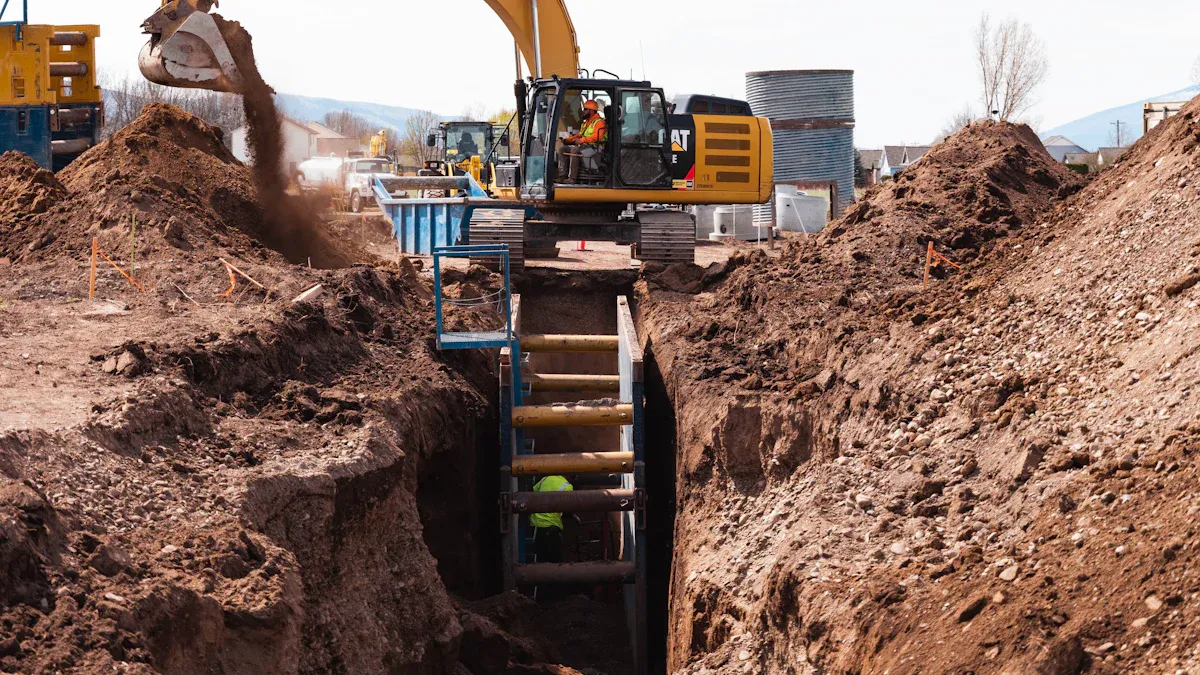
The 21-ton excavator is a true multi-tool on any job site. Its blend of power, reach, and mobility makes it a top choice for contractors across many different sectors. The machine adapts easily from heavy digging to precise material placement. This versatility allows it to perform essential tasks in construction, infrastructure, and demolition.
Construction and Site Development
On a construction site, the 21-ton class machine is often the primary earthmover. It handles the initial, critical phases of a project that set the stage for all future work. Its capabilities are essential for transforming raw land into a prepared building site.
Key tasks in site development include:
- Mass Excavation: Crews use the machine to dig basements, building foundations, and underground parking structures. Its digging force and bucket capacity allow it to move large volumes of soil efficiently.
- Utility Trenching: The excavator digs precise trenches for essential utilities. These include water mains, sewer lines, and electrical conduits. Its smooth hydraulic control ensures the trenches meet exact depth and width specifications.
- Loading Trucks: The machine's reach and lifting capacity make it ideal for loading dump trucks. It can quickly clear spoil piles and keep the material hauling process moving smoothly.
- Backfilling and Grading: After foundations are set or pipes are laid, operators use the machine to backfill trenches and perform rough grading across the site.
Roadwork and Infrastructure Projects
Infrastructure projects demand equipment that is both powerful and mobile. The 21-ton excavator meets these needs perfectly. It can work within the tight confines of a road closure but still has the strength to handle heavy materials.
A Road Builder's Asset: This machine offers the power to break old pavement and the reach to shape long drainage ditches without constantly repositioning. This balance improves efficiency and keeps projects on schedule.
In roadwork, the machine performs several vital functions:
- Removing Old Surfaces: It can tear out old asphalt and concrete roadbeds, preparing the ground for a new surface.
- Creating Drainage: Operators use it to dig and sculpt roadside ditches and swales, ensuring proper water runoff.
- Placing Culverts: The machine's lifting capacity allows crews to safely lift and place large concrete or steel culverts under roadways.
- Building Embankments: It moves and compacts soil to build up embankments for bridges and overpasses.
Demolition and Material Handling
In demolition, power and precision are equally important. The 21-ton machine provides the brute force needed to bring down structures. It also offers the control required to sort valuable materials from the resulting debris. This dual capability makes it a highly effective tool for demolition contractors.
The machine uses various attachments to handle different demolition tasks. This adaptability increases its value on a demolition site.
| Task | Common Attachment | Purpose |
|---|---|---|
| Breaking Concrete | Hydraulic Hammer | Shatters concrete slabs, foundations, and pillars. |
| Sorting Debris | Grapple or Thumb | Picks up and separates wood, steel, and concrete. |
| Cutting Steel | Shear | Slices through rebar, I-beams, and other metal structures. |
| Loading Debris | Digging Bucket | Loads crushed concrete and other debris into trucks for removal. |
This ability to switch between breaking, sorting, and loading makes the machine a central piece of equipment from the start of demolition to the final site cleanup.
Large-Scale Landscaping and Environmental Work
The 21-ton excavator also plays a major role in shaping and restoring natural environments. Its power and precision make it an ideal tool for large landscaping projects and sensitive environmental work. The machine can transform a landscape according to a detailed plan or help repair ecological damage.
In large-scale landscaping, operators use the excavator for more than just moving dirt. They perform complex terrain sculpting.
- Pond and Lake Creation: The machine's long reach allows it to dig out large bodies of water. Operators can shape the banks and create different depth levels from a stable position.
- Golf Course Shaping: Crews use the excavator to create fairways, bunkers, and water hazards. Its fine hydraulic control allows for the precise contouring that golf courses require.
- Terracing and Berms: The machine can build large earthen berms for noise reduction or create terraces on hillsides for planting and erosion control.
Environmental Stewardship: In environmental projects, operators must work carefully. The goal is to restore the natural area with minimal disturbance. The excavator's smooth controls are critical for this delicate work.
For environmental restoration, the excavator handles several key tasks. Crews use it to restore stream banks by carefully placing large rocks, called riprap, to prevent erosion. It can also remove invasive plant species or dredge sediment from wetlands to improve water quality. In all these applications, the 21-ton excavator provides the necessary strength while offering the delicate touch needed to protect and enhance the natural world. 🏞️
Key Attachments That Expand Versatility
The true power of a 21-ton excavator lies in its ability to adapt. A wide range of attachments transforms the machine from a simple digging tool into a versatile workhorse. These tools connect to the end of the arm and use the machine's hydraulic system to perform specialized tasks.
Digging, Grading, and Trenching Buckets
Buckets are the most common attachments, but they come in several specialized forms. Choosing the right bucket is essential for job site efficiency. Each type is designed for a specific purpose.
| Bucket Type | Primary Use | Key Feature |
|---|---|---|
| Digging Bucket | General excavation, moving soil | Equipped with teeth for breaking ground. |
| Grading Bucket | Finishing slopes, leveling ground | Wide with a smooth, flat cutting edge. |
| Trenching Bucket | Digging narrow trenches for utilities | Narrow profile for precise digging. |
Operators can quickly switch between these buckets to handle different phases of a project with a single machine.
Hydraulic Hammers and Breakers
When a job requires breaking through hard surfaces, a hydraulic hammer is the go-to attachment. This powerful tool channels the excavator's hydraulic energy into rapid, forceful impacts. It acts like a giant jackhammer, capable of demolishing tough materials.
Demolition Powerhouse: A hydraulic breaker can shatter reinforced concrete, break apart large rocks, and demolish old pavement with ease. This makes it indispensable for demolition and roadwork projects.
Crews use hammers to prepare sites for new construction or to break down oversized material at a quarry.
Grapples and Hydraulic Thumbs
Grapples and hydraulic thumbs give the machine a hand-like ability to grab, sort, and move objects. A hydraulic thumb works with the bucket to pinch and secure items. A grapple is a dedicated attachment with two or more moving jaws. These tools are perfect for material handling.
Operators use them for a variety of tasks:
- Sorting recyclable materials like steel and wood on a demolition site.
- Lifting and placing large rocks (riprap) for erosion control.
- Clearing logs, brush, and other debris from a piece of land. 🤏
This ability to handle irregularly shaped objects makes the machine extremely valuable in site cleanup, forestry, and waste management.
Shears and Concrete Crushers
For heavy-duty demolition, shears and concrete crushers are essential attachments. These tools give the 21-ton excavator immense destructive power with surgical precision. A hydraulic shear functions like a massive pair of scissors. It slices through steel I-beams, pipes, and rebar with incredible force. This allows crews to dismantle metal structures quickly and safely. ✂️
A concrete crusher, also known as a pulverizer, works differently. It uses powerful jaws to crush concrete slabs, walls, and columns into smaller, manageable pieces. Many crushers also have a feature to cut and separate the rebar from the concrete.
On-Site Recycling: These attachments are key to modern demolition practices. They allow operators to process materials directly on-site. Crushed concrete can be reused as aggregate, and separated steel can be sent for recycling. This reduces waste and transportation costs.
Using these attachments makes the demolition process more controlled. Operators can take down structures piece by piece. This method is often safer and more efficient than using a wrecking ball or explosives.
Augers for Drilling
An auger attachment transforms the excavator into a powerful drilling machine. This large, corkscrew-like tool uses the machine's hydraulic power to bore clean, uniform holes into the ground. Augers are perfect for projects that require deep and precise foundations or footings. They can drill through various soil conditions, from soft dirt to compacted clay.
Operators use augers for a wide range of drilling tasks.
- Creating holes for foundation piers and building footings.
- Drilling for utility pole and signpost installation.
- Preparing locations for planting large trees in landscaping projects.
- Setting posts for fences and sound barriers.
Auger drives and bits come in many sizes. Crews can select the correct diameter and depth for a specific job. This adaptability makes the excavator a highly efficient solution for drilling applications. It eliminates the need to bring a separate drilling rig to the job site, saving time and money.
The 21-ton excavator stands as an industry workhorse. It provides substantial power without the logistical complexity of larger machines. Its true value lies in its versatility, enabled by a wide range of attachments. The machine performs efficiently across construction, demolition, and infrastructure jobs.
As a core asset for any fleet, it delivers a reliable and powerful solution. This excavator consistently solves the most common challenges found on the job site. ✅
FAQ
How much fuel does a 21-ton excavator use?
Fuel use depends on the task. Light work in Eco-mode consumes less fuel than heavy digging. A machine may use 12 to 20 liters per hour. Modern engines and smart hydraulics maximize fuel efficiency, helping to lower daily operating costs for contractors.
What is the difference between a 21-ton and a 30-ton excavator?
A 30-ton model has more power and reach. The 21-ton excavator is lighter and easier to transport. It offers a better balance of capability and mobility for medium-sized projects. Its versatility makes it a valuable asset for many different job sites.
Can a 21-ton excavator be transported easily?
Yes, its transport is simpler compared to larger machines. It usually requires a standard lowboy trailer for moving between sites. This logistical ease saves contractors significant time and money, making it a very popular choice for fleets that handle diverse projects.
How often does an excavator need maintenance?
Daily checks are essential for fluids and general inspection. Manufacturers provide a schedule for major service intervals. These typically occur every 250 to 500 operating hours. Proper maintenance ensures the machine remains reliable and performs at its best. 🔧
See Also
Expert Guide Bar Tips for Effortless and More Efficient Cutting
Top 6 Industrial Vacuum Cleaners Essential for Every Business
Simplifying AHRI 400/401 Heat Exchanger Assistance for Your Convenience
A Novice's Handbook for Choosing the Right Power Transformer
Unlock Better TIG Welding with WT20 Thoriated Tungsten Electrode Insights