A Municipality's Guide to Selecting Wastewater Treatment Systems
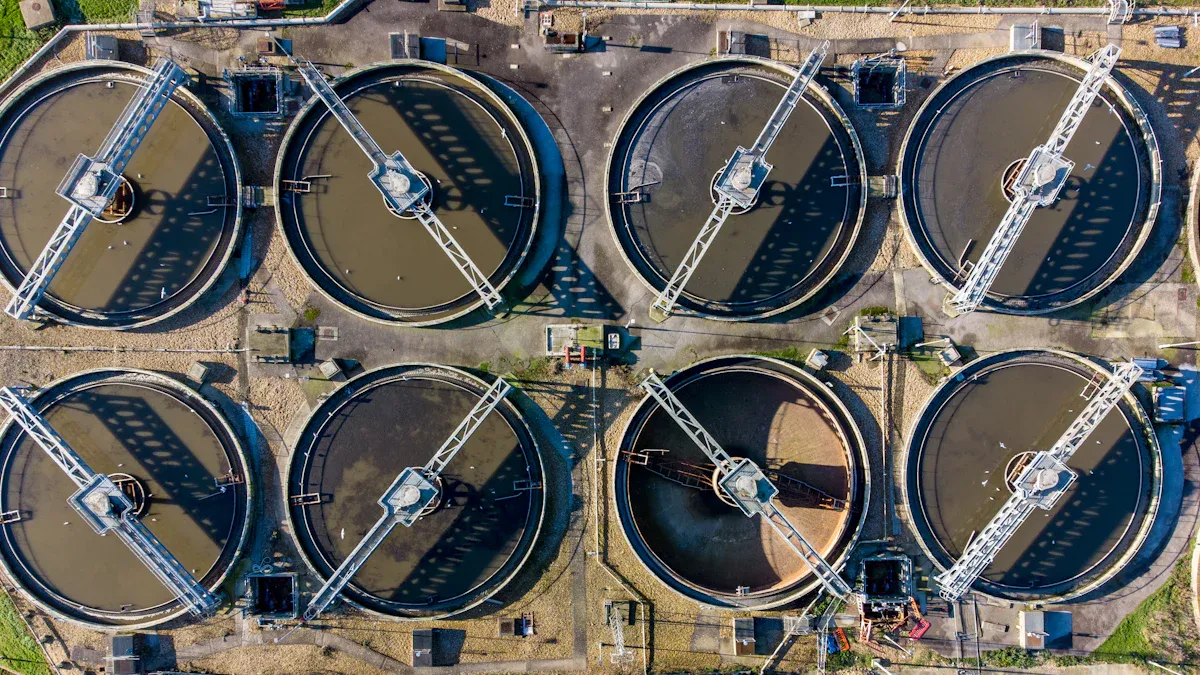
Globally, 42% of household wastewater is not safely treated before release, posing significant environmental challenges.
A modern municipal wastewater treatment plant is a community's primary defense against water pollution. 🛡️
Selecting the right system requires a structured evaluation. This process assesses influent, effluent rules, site limits, technology, and long-term costs.
Key Takeaways
- Understand your wastewater and rules before choosing a system. This includes checking what goes into the plant and what comes out.
- Compare different treatment technologies and their costs. Look at both the initial building cost and the ongoing running costs.
- Plan for how you will pay for the plant and keep it running. Consider grants, loans, and how your team will operate and maintain the system.
Step 1: Define Technical and Regulatory Requirements
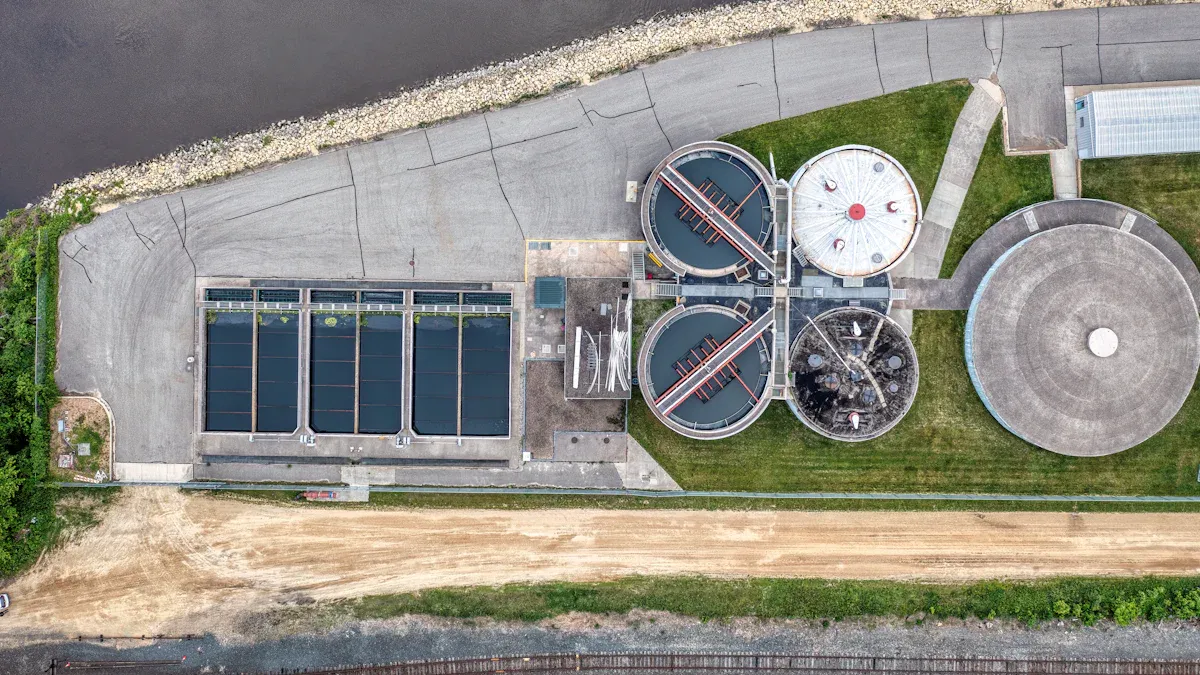
The foundation of a successful project is a clear definition of its goals and limitations. Before exploring technology options, your municipality must understand the specific problem it needs to solve. This involves a deep dive into your wastewater, regulatory obligations, community growth, and physical site.
Analyze Influent Characteristics
Influent is the untreated wastewater that flows into a treatment plant. Its composition is unique to your community. A thorough analysis of your influent is the first critical step. This data tells you exactly what you need to treat. Key parameters include Biochemical Oxygen Demand (BOD) and Total Suspended Solids (TSS).
| Parameter | Typical Range (mg/L) |
|---|---|
| BOD (Biochemical Oxygen Demand) | 100-500 |
| TSS (Total Suspended Solids) | 100-500 |
Influent is not static; it changes. Seasonal variations and industrial discharges significantly affect its makeup. For instance, the microbial communities in wastewater change with temperature. Other factors also cause fluctuations:
- Increased rainfall or snowmelt can dramatically raise wastewater flow rates.
- Warmer temperatures impact the biological processes used in treatment.
- Summer heat can encourage algal blooms, which increase nutrient levels in the influent.
Understanding these patterns is essential for designing a resilient municipal wastewater treatment plant.
Determine Effluent Quality Standards
Effluent is the treated water discharged from the plant. Federal, state, and local agencies set strict limits on the quality of this water to protect public health and the environment. These regulations are not suggestions; they are legal requirements.
Your new system must consistently meet these standards. The required effluent quality will directly determine the level of treatment needed. A plant discharging into a sensitive ecosystem will face stricter rules than one discharging elsewhere.
Tip: Engage with your state's environmental regulatory agency early in the process. They can provide the specific discharge permit requirements your project must meet, preventing costly design changes later.
Calculate Capacity and Scalability
Your plant must handle current wastewater flows and be prepared for the future. Capacity planning involves two parts: average daily flow and peak flow during storms or high-use periods. Scalability refers to the ability to expand the system to meet future demand.
A municipal wastewater treatment plant is a long-term investment, often designed with a 20-year population growth projection in mind. Planning for expansion from day one is more cost-effective than retrofitting a plant later. Key considerations for scalability include:
- Future Demand Projections: Use data to estimate future wastewater generation from population and industry growth.
- Modular Design: Plan for phased expansions by using modular components that can be added over time.
- Site Selection: Choose a site with enough physical space for future tanks and equipment.
- Climate Resilience: Incorporate climate forecasts for floods or sea-level rise to protect the facility.
In areas with high growth projections, decentralized on-site systems might be more practical than expanding a large, centralized network. This approach balances treatment costs with the energy and expense of building new pipelines.
Assess Site and Infrastructure Constraints
Every potential location has unique characteristics that can limit your technology choices. A comprehensive site assessment is necessary to identify these constraints. You must evaluate the available land area, local geography, and existing infrastructure.
Some treatment technologies require a large footprint, while others are very compact. For example, a Membrane Bioreactor (MBR) system offers a significant space-saving advantage over Conventional Activated Sludge (CAS).
| Technology | Land Area Requirement (compared to CAS) |
|---|---|
| Membrane Bioreactor (MBR) | 30-50% less space |
| Conventional Activated Sludge (CAS) | Requires substantial land area (baseline) |
MBR systems achieve this smaller footprint because they do not need large secondary clarifiers. This makes them ideal for urban areas or sites where land is limited or expensive. Beyond land, consider the site's topography for gravity-fed flows and access to reliable power and existing sewer lines.
Step 2: Evaluate and Finance Your Municipal Wastewater Treatment Plant
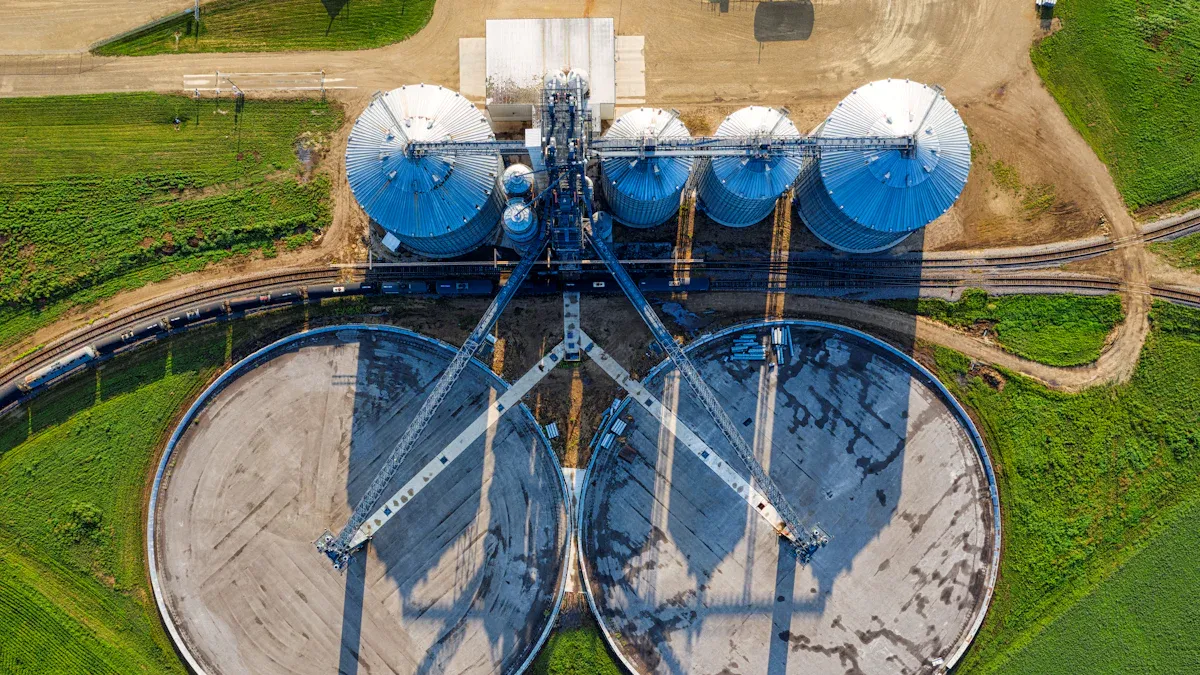
After defining your project's technical needs, the next step is to evaluate the technologies and financial strategies that will bring it to life. This phase balances performance with affordability. You will compare different treatment systems, calculate their true long-term costs, and identify funding sources to make your project a reality.
Compare Technology Options
Many treatment technologies are available. Each has unique strengths and weaknesses. The right choice depends on your specific influent, effluent goals, site size, and budget.
Conventional Activated Sludge (CAS) is a widely used biological process. It has been a reliable choice for decades.
- Pros: CAS systems have a low installation cost. They produce high-quality effluent when wastewater flow is consistent. They also generate few odors.
- Cons: These systems can be sensitive to changes in wastewater volume or type. They have high ongoing operating costs for aeration. They also produce large amounts of sludge that require costly disposal.
Modern biological systems offer higher efficiency and smaller footprints. Two popular options are Membrane Bioreactors (MBR) and Moving Bed Biofilm Reactors (MBBR).
- Membrane Bioreactor (MBR): MBR systems combine activated sludge treatment with a membrane filtration step. This provides superior effluent quality. The water is often clean enough for reuse. MBRs are very effective at removing organic pollutants, nitrogen, and phosphorus.
- Moving Bed Biofilm Reactor (MBBR): MBBR systems use small plastic carriers to grow biofilm. This enhances the biological treatment process. MBBRs are robust and handle variable loads well. They are great for removing organic matter and ammonia.
This chart shows how MBR and MBBR technologies compare in removing key nutrients.
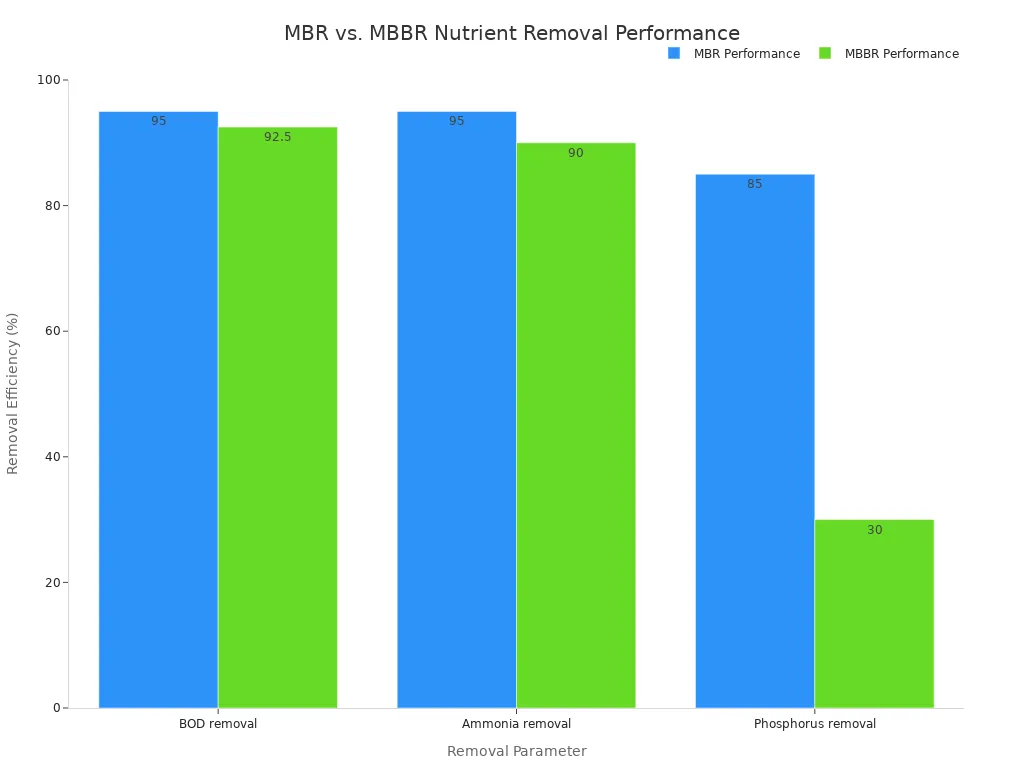
The performance differences are clear when looking at the numbers.
| Parameter | MBR Performance | MBBR Performance |
|---|---|---|
| Suspended Solids | <5 mg/L | 10-30 mg/L |
| BOD removal | >95% | 90-95% |
| Ammonia removal | >95% | 85-95% |
| Pathogen removal | >4 log | 1-2 log |
Sequencing Batch Reactors (SBR) are another effective option. They perform all treatment steps in a single tank in a timed sequence. This design is flexible and saves space.
- Reinbeck, Iowa, uses an SBR system that achieves 99% removal of organics with low operating costs.
- Ely, Nevada, upgraded its existing SBR system to improve aeration and control odors.
Nature-Based Solutions, like constructed wetlands, are excellent for smaller communities or as a polishing step. These systems use natural processes to filter pollutants. They are cost-effective and offer community benefits. The George W. Shannon water reuse project in Texas uses constructed wetlands to improve water quality while also serving as a large recreational park.
Calculate Total Cost of Ownership (CAPEX vs. OPEX)
A smart financial decision looks beyond the initial price tag. You must calculate the Total Cost of Ownership (TCO), which includes both capital and operational expenditures.
- Capital Expenditures (CAPEX): This is the upfront cost to build the plant. It includes equipment, construction, land, and engineering fees.
- Operational Expenditures (OPEX): These are the ongoing costs to run the plant. They include energy, chemicals, labor, and routine maintenance.
Advanced systems may have a higher CAPEX but can lead to lower OPEX over time. The table below shows typical CAPEX ranges for different treatment processes.
| Treatment Process Category | Specific Process | CAPEX per MGD (Millions USD) |
|---|---|---|
| Activated Sludge Variants | Conventional | $5.5 - $7.0 |
| Sequencing Batch Reactor (SBR) | $6.5 - $8.0 | |
| Advanced Biological Treatment | Five-stage Bardenpho | $8.5 - $10.0 |
| Tertiary Treatment Add-ons | Membrane Filtration | $2.5 - $4.0 |
To make the best choice, perform a Life-Cycle Cost Analysis (LCCA). This tool helps you compare the total costs of different systems over their entire lifespan, usually 20-30 years. An LCCA considers initial costs, annual operating expenses, future replacement costs, and any salvage value.
Evaluate Operational and Maintenance Needs
Every municipal wastewater treatment plant requires skilled staff and a solid maintenance plan to function correctly. ⚙️
Maintenance Strategy is key to protecting your investment. A good plan extends equipment life and prevents unexpected failures.
- Preventive Maintenance: This involves scheduled tasks like oil changes, lubrication, and regular inspections. It is easy to plan and lowers failure rates.
- Predictive Maintenance: This strategy uses data from sensors (vibration, temperature) to predict when equipment might fail. It ensures maintenance is only performed when needed, saving time and money.
Routine tasks for critical equipment include:
- Pumps and Motors: Check lubrication, inspect seals for leaks, and monitor for unusual vibrations.
- Blowers and Compressors: Change filters, check lubrication systems, and inspect bearings.
- Aeration Systems: Inspect diffusers for blockages and clean or replace them as needed.
Staffing and Training are just as important. Advanced systems, especially those with nutrient removal, require operators with specialized skills. Many states now require specific certifications for operators working with total nitrogen (N) or total phosphorus (P) removal processes.
Automation and Remote Monitoring can significantly improve plant operations. Technologies like SCADA and IoT sensors allow your team to:
- Monitor equipment performance in real-time from a central location.
- Receive automated alerts for potential issues, preventing downtime.
- Optimize energy and chemical use for cost savings.
- Automate data collection for easier regulatory reporting.
This technology helps a smaller team manage a complex facility efficiently and safely.
Identify Funding and Financing Options
Large infrastructure projects require significant capital. Fortunately, municipalities have several avenues for funding and financing a new municipal wastewater treatment plant.
Federal and State Programs The Clean Water State Revolving Fund (CWSRF) is a primary source of funding. This federal-state partnership provides low-interest loans for a wide range of water quality projects, including wastewater treatment facilities.
For smaller communities, the USDA Rural Development office offers grants and loans.
- Eligibility: These programs typically serve rural areas and towns with populations under 10,000.
- Programs: The Water and Waste Disposal Loan and Grant Program helps finance infrastructure for communities that cannot get credit elsewhere at reasonable rates.
Municipal Bonds Your municipality can issue water revenue bonds to finance the project. These bonds are paid back over time using revenue from the utility system (i.e., customer water bills). Investors find these bonds attractive because they are backed by a steady revenue stream. The Southern Nevada Water Authority and San Diego County Water Authority have both used bonds to fund major water infrastructure projects.
Public-Private Partnerships (P3) A P3 is a collaboration between a public entity and a private company. This model can help finance, build, and operate a facility. The private partner often brings specialized expertise and upfront capital. Some companies offer a Water-as-a-Service® (WaaS®) model, where the municipality pays a service fee for treated water without owning the asset. This transfers the risk of construction and operation to the private partner.
The final selection requires a systematic evaluation. This process confirms the system meets all technical, regulatory, and financial goals. A complete analysis ensures the solution is affordable, operable, and right for your community's future.
Final Check! ✅ Use a final checklist to verify your choice. This helps avoid common pitfalls. Confirm the technology fits the site, the total cost is manageable, and your team can handle operations.
FAQ
What is the most important first step?
The most important step is defining your needs. You must analyze your wastewater, understand regulations, and calculate future capacity. This foundation guides all other decisions for your project.
How do I choose between MBR and MBBR systems?
Your choice depends on your goals. MBR offers higher quality effluent for water reuse. MBBR is very robust and handles fluctuating wastewater loads well. Both are compact options.
Are nature-based solutions effective for a municipality?
Yes, for certain situations. 🌳 Constructed wetlands are cost-effective for smaller communities. They can also be used as a final polishing step to improve water quality in larger systems.