Green coffee sorting secrets for fresher coffee in 2026
Green coffee sorting plays a critical role in delivering fresher, cleaner-tasting coffee. Removing defective beans ensures only high-quality beans reach the roaster. According to industry data, larger, uniform beans roast more evenly and enhance flavor complexity, while fewer defects significantly reduce negative flavor impacts.
| Grading Criteria | Impact on Freshness and Flavor Profile |
|---|---|
| Size | Larger, uniform beans roast evenly, enhancing flavor complexity. |
| Defect Count | Fewer defects lead to higher quality, reducing negative flavor impacts. |
Green Coffee Sorting and Defect Removal
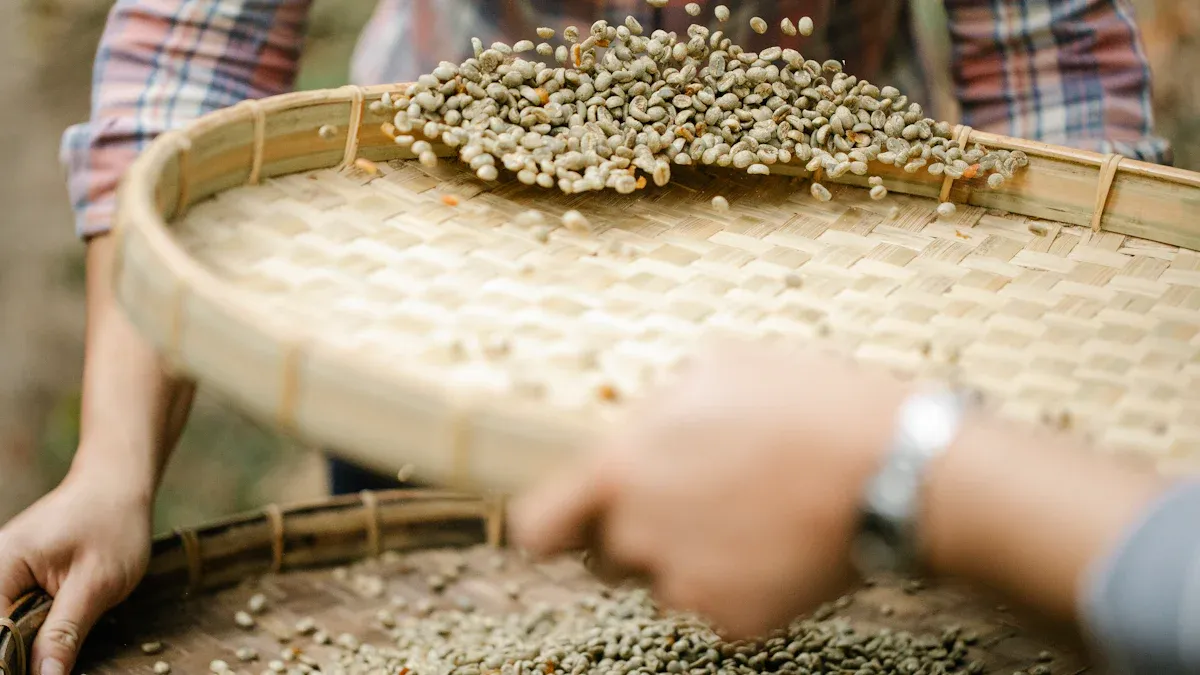
What Is Green Coffee Sorting?
Green coffee sorting stands as a critical process in coffee production. Producers identify and remove defects from green coffee beans before roasting. This step ensures that only high-quality beans move forward, which is essential for a superior final product. Sorting relies on several criteria, including size, density, and visible defects such as insect damage or discoloration.
- Sorting helps create a consistent roast profile, which enhances the overall coffee experience for consumers.
- The process requires precision and attention to detail. Workers or machines must select only the best beans for roasting.
- Sorting can involve manual labor, conveyor belt systems, or advanced automated technologies.
Note: The effectiveness of green coffee sorting directly influences the taste, aroma, and quality of the brewed coffee.
Types of Defects in Green Coffee Beans
Coffee beans can develop a range of defects during growth, harvesting, and processing. Industry standards classify these defects based on their impact on quality and flavor.
- Insect damage, such as small holes from the coffee berry borer, affects both appearance and taste.
- Discoloration may result from frost, fungi, nutritional deficiencies, or insect activity.
- Withered or low-density beans often come from drought conditions, leading to poor roasting results.
- Quakers, or underripe beans, fail to react properly during roasting and produce flat or papery flavors.
- Chipped or broken beans usually result from mechanical or human errors during processing.
- Silver-skin discoloration can occur during fermentation, altering the bean's appearance.
- Dirty water during fermentation introduces off-flavors and affects the final taste.
| Defect Type | Description | Impact on Quality |
|---|---|---|
| Insect Damage | Holes from pests like the coffee berry borer | Reduces flavor, aroma |
| Discoloration | Frost, fungi, or nutrient issues | Alters appearance, taste |
| Withered Beans | Drought-related, low density | Poor roasting, flavor |
| Quakers | Underripe, do not roast properly | Flat, papery taste |
| Chipped/Broken | Processing errors | Bacterial risk, flavor |
| Silver-Skin Issues | Fermentation-related discoloration | Affects appearance |
| Dirty Water | Contaminated fermentation | Unpleasant flavors |
How Sorting Prevents Off-Flavors
Defective beans introduce undesirable flavors and aromas into brewed coffee. Sorting removes these beans, which leads to a cleaner and more vibrant cup. Chipped or broken beans can harbor bacteria, causing off-flavors. Over-fermented beans emit unpleasant aromas, while drying errors result in musty or swampy notes.
- Removing defects at the green coffee stage prevents negative flavor impacts in the final cup.
- Advanced sorting technologies, such as optical sorters and AI-enabled solutions, analyze each bean for flaws based on color, shape, and density. These tools ensure only the best beans reach the roaster.
- Industry experts note that not all visible defects produce noticeable off-flavors. However, removing severe defects remains essential for maintaining high-quality standards.
- Producers measure the effectiveness of sorting by using devices like VeroLab, which employs AI and computer vision to analyze beans quickly and accurately.
Tip: Consistent removal of defective beans not only improves taste but also enhances the reputation of coffee producers in the global market.
Freshness, Flavor, and Sorting Methods
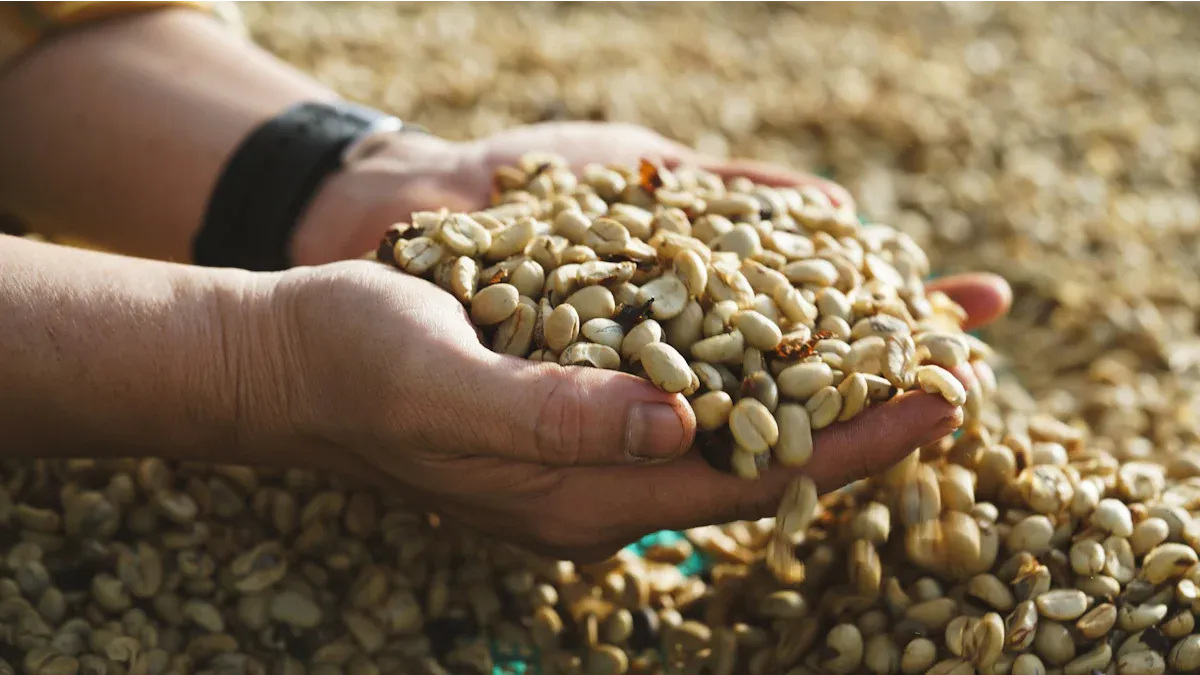
Preserving Freshness and Bean Integrity
Coffee producers understand that maintaining bean integrity is essential for freshness. They inspect beans for defects such as mold or insect damage. These flaws can compromise the shelf life of roasted coffee. When producers remove defective beans, they help preserve the natural flavors and aromas. This process ensures that only the healthiest beans reach the roaster, resulting in a fresher cup.
- Quality inspection prevents negative impacts on freshness.
- Mold and insect damage can accelerate staling and spoilage.
Tip: Consistent quality checks at the green coffee stage protect the final product from early deterioration.
Impact on Roasting and Final Cup
Green coffee sorting directly influences roasting outcomes. Removing defects like quakers leads to a cleaner and more vibrant taste. Experts such as Paul Stephens note that unsorted coffees often taste muted and harsh. Alexander Lipphardt highlights that sorting eliminates various defects, enhancing overall quality. Sorting machines can detect subtle flaws, improving roast consistency.
| Bean Type | Roast Time Difference | Cupping Score Difference |
|---|---|---|
| Unsorted | - | 0 |
| Medium Sort | - | Least Favorite |
| Large Sort | - | Identical to Unsorted |
| Screen 16 | +1.5 minutes | +1 point preference |
Sorting Methods: Manual, Mechanical, and 2026 Innovations
Manual sorting relies on skilled workers but can result in inconsistencies. Defect rates may reach up to 15%, affecting flavor and quality. Mechanical sorting uses automated systems, reducing defect rates to as low as 2%. These machines process hundreds of bags daily, offering greater precision.
| Sorting Method | Efficiency | Precision | Human Error Potential |
|---|---|---|---|
| Manual Sorting | 1 x 60kg bag per day | Up to 15% defect rate | High |
| Mechanical Sorting | Hundreds of bags per day | As low as 2% defect rate | Low |
By 2026, innovations such as multispectral imaging and real-time sorting will further improve green coffee sorting. These technologies use reflectance and autofluorescence to differentiate specialty from commodity-grade beans, increasing accuracy and efficiency.
Green coffee sorting remains essential for achieving the freshest, highest-quality coffee. The use of UV light identifies hidden defects, while timely removal of flawed beans ensures optimal flavor. Removing defects consistently improves taste, as high-quality beans deliver a cleaner, more enjoyable cup for coffee enthusiasts in 2026.
| Evidence Description | Key Findings |
|---|---|
| Use of UV light to identify defects | Non-visible defects like moulds fluoresce under UV light, indicating potential quality issues. |
| Sorting technique for 'stinkers' | The technique helps in removing defective beans, enhancing overall batch quality. |
| Importance of freshness | Fluorescence effects are best sorted on freshly harvested coffee, emphasizing the need for timely sorting. |
- Sorting coffee beans removes defects that can negatively impact flavor.
- High-quality beans lead to a better flavor profile in brewed coffee.
- The SCA grading system connects the number of defects to flavor quality, emphasizing that every defect affects the overall taste.
FAQ
What is the main benefit of green coffee sorting?
Green coffee sorting removes defective beans. This process ensures a fresher, cleaner cup. Coffee professionals value the improved consistency and enhanced flavor profile.
How do new sorting technologies improve coffee quality?
Advanced systems like AI-powered sorters detect subtle defects. These innovations increase sorting accuracy. Producers achieve higher quality and reduce off-flavors in the final brew.
Does sorting affect the shelf life of roasted coffee?
Yes. Removing moldy or insect-damaged beans helps preserve freshness. Proper sorting extends shelf life and maintains the coffee’s natural aroma and taste.
See Also
Essential Capsule Checkweighers To Explore For 2025
Best Precoating Materials For Filtration Systems In 2025
Key Indicators Of High-Quality Bovine Gelatin Powder