GMP-Friendly Cannabis Cultivation Solution: Application of Rock Wool Substrates at Smart Farm in Thailand
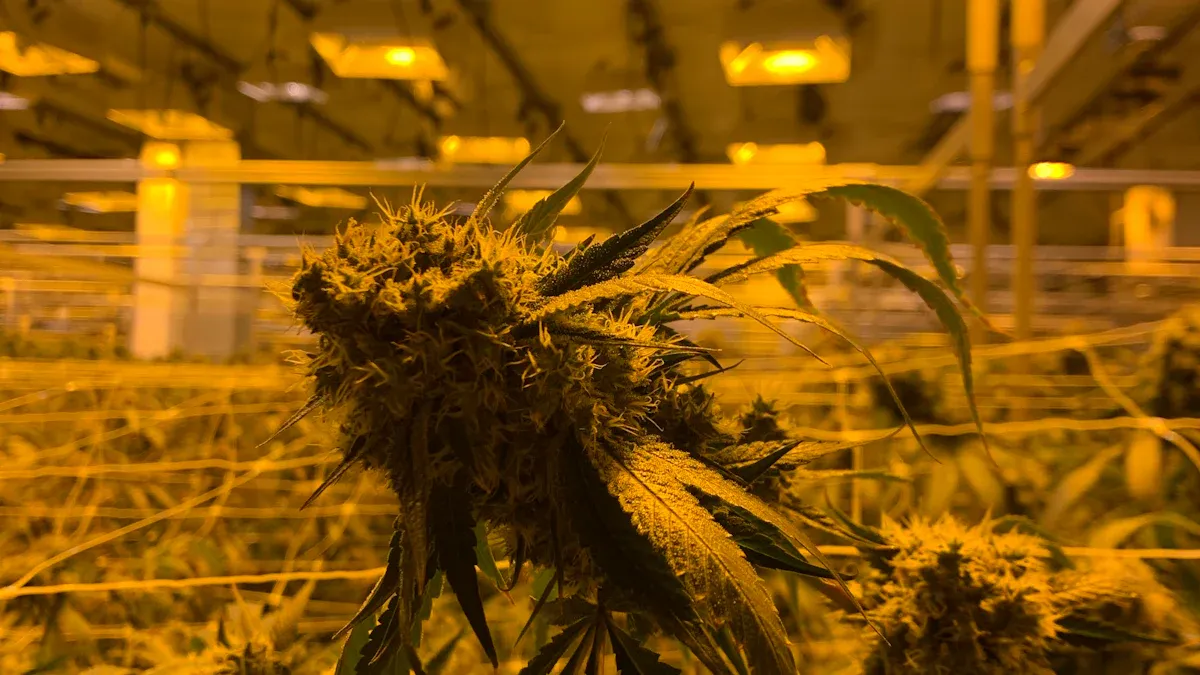
Rock wool substrates offer a definitive solution for achieving GMP compliance in Thailand's advanced smart farms. The country's medicinal cannabis market shows significant potential, demanding high production standards. 📈
- The market was valued at USD 274.0 million in 2024.
- It is projected to reach USD 7,544.0 million by 2033.
Cultivators use sterile, inert media like UPuper rock wool for unparalleled contamination control. Products such as the CS 75 Grow Slab and CB 100L Grow Cube ensure product consistency, a core GMP tenet for indoor cannabis cultivation. Integrating these substrates with smart farm technology enables the precise process control and data logging required for regulatory validation.
Key Takeaways
- Rock wool helps grow clean cannabis. It is sterile and stops bad germs and chemicals from getting into plants.
- Rock wool makes cannabis products the same every time. This is important for medicine so patients get a reliable product.
- Smart farms use rock wool with computers. This helps control water and food for plants very well.
- Growing cannabis with rock wool and smart farms follows strict rules. These rules make sure the medicine is safe and good.
Why Rock Wool is the Ideal Substrate for GMP Compliance
Good Manufacturing Practices (GMP) are essential for producing safe, high-quality medicinal cannabis. Rock wool's unique properties directly address core GMP requirements, making it an ideal substrate for compliant cultivators.
Achieving Sterility and Contamination Control
GMP guidelines are designed to minimize production risks that cannot be eliminated by final product testing alone. A primary focus is preventing contamination. Common risks in cannabis cultivation include:
- Microbial Contaminants: Harmful bacteria (E. coli, Salmonella), molds, and viruses.
- Heavy Metals: Elements like lead and mercury that plants can absorb from the growing medium.
- Pesticides and Chemical Solvents: Residues from non-compliant cultivation practices.
Rock wool provides a powerful solution for contamination control. It is manufactured from basaltic rock at extremely high temperatures, rendering it sterile from the start. This inert nature gives it a distinct advantage over organic substrates.
| Substrate | Sterility/Microbial Growth | Reason/Impact |
|---|---|---|
| Rock Wool | Clean and sterile | Manufactured at high temperatures, promoting hygiene and consistency. |
| Coco Coir | Potential pathogens present | Often requires flushing to remove unwanted minerals and pathogens. |
Using a sterile substrate like rock wool establishes a clean foundation, significantly reducing the risk of microbial contamination from the root zone.
Ensuring Consistency for Standardized Production
GMP standards demand that medicinal products are consistent from batch to batch. This ensures patients receive a reliable product with a predictable effect every time. Rock wool's uniform structure is key to achieving this goal. It allows for precise control over water and nutrient delivery, which directly influences the final quality of cannabis flowers, including their cannabinoid and terpene concentrations. This level of control is crucial for standardized production in indoor cannabis cultivation. Unlike substrates that can break down or vary in composition, rock wool maintains its structure, ensuring every plant receives the same root-zone conditions.
Enabling Full Traceability of Inputs
Traceability is a cornerstone of GMP. Cultivators must keep thorough records of all inputs for every batch. Rock wool's inert composition simplifies this process immensely. It is a "blank slate" with no inherent nutritional value. Therefore, every nutrient, supplement, and pH adjustment is deliberately introduced and can be meticulously logged. This creates a clear and complete record of inputs from propagation to harvest, satisfying GMP requirements for airtight record-keeping and batch system tracing.
Integrating Rock Wool into a Thai Smart Farm for Indoor Cannabis Cultivation
The true power of rock wool substrates is unlocked when combined with the automation and data-driven control of a smart farm. This synergistic relationship allows cultivators to manage every variable with unparalleled precision, a non-negotiable for GMP-certified production. The inert substrate acts as a stable foundation, while smart technology provides the brain and nervous system for the entire operation.
Precision Irrigation and Fertigation Systems
Rock wool’s inert nature demands precise nutrient delivery. It contains no inherent nutritional value, so the plant is entirely dependent on the nutrient solution provided by the cultivator. This process, known as fertigation, involves delivering a mix of water and dissolved fertilizers directly to the root zone.
In a smart farm setting, pressure-compensated drip irrigation is the preferred application system. It ensures every plant receives the exact same volume of nutrient solution, regardless of its position in the system. This uniformity is critical for batch consistency. Common precision irrigation setups include:
- Micro Drip Emitters
- Matrix Systems
- FloraCap Systems
- Basket Dripper Systems
A smart farm automates the fertigation schedule, executing it with robotic accuracy. Cultivators can design complex feeding strategies to maximize genetic potential. These schedules are not random; they are carefully planned to control factors like Electrical Conductivity (EC) in the substrate.
| Schedule Type | Media Suitability | Core Strategy |
|---|---|---|
| 'Stack' Schedule | 6-inch rock wool | Intentionally increases media EC to meet high PK demands during bloom. |
| 'Proper' Schedule | Any media size | Aims for a steady, consistent EC from start to finish for clean uptake. |
| 'Dialed' Schedule | Any media size | Offers a balanced EC profile for reliable plant structure and development. |
Automating these schedules eliminates human error and ensures every plant in the crop follows the exact same nutritional regimen, a key step toward standardized indoor cannabis cultivation.
Optimizing the Root-Zone Environment
Beyond nutrient delivery, a plant's health is dictated by its root-zone microenvironment. Rock wool's porous structure provides excellent aeration, but cultivators must actively manage water content, temperature, and oxygen levels to achieve optimal results.
Smart farm sensors provide the real-time data needed for this level of control. The ideal water content in rock wool substrates for cannabis fluctuates between 50% and 90%, depending on the plant's growth stage. Sensors embedded in the rock wool blocks monitor this moisture level, triggering irrigation cycles only when necessary. This prevents both overwatering, which starves roots of oxygen, and underwatering, which causes nutrient deficiencies and stress.
Advanced sensors also monitor other critical root-zone parameters. For instance, Light Science Technologies has developed an all-in-one sensor that tracks temperature and oxygen within the root zone. Specialized Dissolved Oxygen (DO) sensors, like the MW-O101 module, measure the oxygen available in the water itself. Meanwhile, other sensors like the ZW-TS101 can track water temperature and nutrient levels (TDS). This data allows cultivators to make automated adjustments, ensuring roots have the perfect conditions for vigorous growth and nutrient uptake.
Data Logging for GMP-Compliant Batch Records
GMP compliance hinges on meticulous documentation. Every input, environmental parameter, and action must be recorded to create a complete batch production record. This record proves that the product was grown under controlled, consistent, and safe conditions. Manually logging this data is labor-intensive and prone to error.
The temperature, humidity, and pressure difference in the main process area of the clean room are monitored online, and the environmental monitoring data is used as a part of the batch production record of the drug for the basis of product release.
Smart farm software automates this entire process. It integrates with the environmental and irrigation sensors to create an unchangeable digital log for every batch. Platforms designed specifically for GMP-compliant indoor cannabis cultivation centralize all production data.
- Elevated Signals is a cannabis manufacturing software built for GMP. It replaces disconnected spreadsheets with a unified system that tracks everything from inputs and inventory to quality checks and batch records.
- Mustashio offers growers automated compliance tracking and reporting. Its seamless integration with regulatory systems like METRC ensures adherence to government rules.
By using such software, Thai cultivators can automatically generate GMP-compliant batch records. This digital trail provides full traceability and validates that every crop meets the highest standards for medicinal use, solidifying their position in a competitive global market.
A Practical Guide: Application at a Thai Smart Farm
Theory and technology provide the foundation, but successful implementation depends on precise, repeatable procedures. For Thai cultivators aiming for GMP certification, mastering the application of rock wool in a smart farm environment is crucial. This practical guide outlines the key steps from substrate preparation to automated monitoring, turning GMP principles into daily practice.
Step 1: Substrate Preparation and pH Conditioning
Rock wool is sterile and inert, but it is not immediately ready for use out of the package. Its natural pH is typically between 7.0 and 8.0, which is too alkaline for optimal nutrient uptake in cannabis. Proper conditioning is the first critical step to creating a hospitable root environment. Cultivators must presoak the substrate in a slightly acidic solution with a pH ranging from 5.5 to 6.5 for at least one hour before use. This process neutralizes the inherent alkalinity and prepares the rock wool for the plants.
A disciplined, standardized procedure ensures every block and plug is conditioned identically, a key requirement for batch consistency.
- Prepare the Soaking Solution: Fill a clean reservoir with reverse osmosis (RO) or distilled water. Add a light nutrient solution and adjust the pH to a target between 5.5 and 5.8.
- Soak the Substrate: Fully submerge the new rock wool cubes and blocks in the prepared solution. Allow them to soak for a period ranging from one to 24 hours to ensure complete saturation and pH stabilization.
- Handle with Care: After soaking, remove the rock wool and allow it to drain freely. Cultivators should never squeeze or compress the substrate, as this damages its delicate fibrous structure and reduces its ability to hold an optimal balance of water and oxygen. Gently shaking the cubes can help remove excess water.
Safety First! 👷 Always wear protective gloves, eyewear, and a mask when handling dry rock wool. The small fibers can cause skin, eye, and respiratory irritation.
Step 2: Transplanting from Plugs to Blocks
Transplanting is a high-stress event for young cannabis plants. A seamless transition from smaller starter plugs to larger growing blocks is vital for maintaining growth momentum and preventing transplant shock. The compatibility of rock wool products makes this process straightforward and minimally disruptive.
The goal is to move the plant without disturbing its fragile root system. Cultivators can simply cut a hole the size of the starter plug into the larger block and gently insert the plug. This method minimizes root damage and allows the plant to establish itself quickly in the new medium. Key indicators of a successfully established seedling, ready for transplant, include:
- Roots visibly growing through the bottom and sides of the starter plug.
- A sturdy, self-supporting stem.
- The development of several sets of healthy, vibrant leaves.
After transplanting, consistent care is essential. The plant needs adequate but not overpowering light; LED fixtures on an 18/6 cycle are often recommended. Operators should water the block thoroughly to settle the plug and ensure good contact between the two substrates. Maintaining optimal temperature, humidity, and airflow helps the plant recover quickly and directs its energy toward developing a robust root system in its new home.
Step 3: Real-Time Monitoring and Automated Adjustments
Once plants are transplanted, the smart farm's automation systems take center stage. Continuous monitoring of the root zone is essential for the precise control required by GMP standards. This is where specialized sensors and automated fertigation systems demonstrate their value in modern indoor cannabis cultivation.
Specialized 3-in-1 sensors, such as the TrolMaster WCS-2, are embedded directly into the rock wool blocks. These devices provide a constant stream of data on three critical parameters:
- Water Content (%): Ensures the substrate moisture stays within the target range.
- Electrical Conductivity (EC): Measures the concentration of nutrient salts in the root zone.
- Temperature: Tracks root-zone temperature to prevent stress and optimize metabolic function.
This real-time data feeds directly into the farm's central control system. The system's software then uses this information to make automated, on-the-fly adjustments. For example, if substrate moisture sensors detect that the water content has dropped below a preset threshold, the system can automatically trigger a fertigation cycle. Similarly, inline pH and EC sensors in the irrigation lines monitor the nutrient solution as it is being delivered. If the pH drifts from the target, the system signals a dosing pump to inject a pH adjuster, correcting the imbalance instantly. This closed-loop feedback system eliminates guesswork and ensures every plant receives exactly what it needs, precisely when it needs it. Facilities like Thailand's Ascent Farm leverage such disciplined, technology-driven hydroponic methods to maintain strict control over their cultivation environment, a model for GMP-compliant production.
Overcoming Challenges for GMP Success
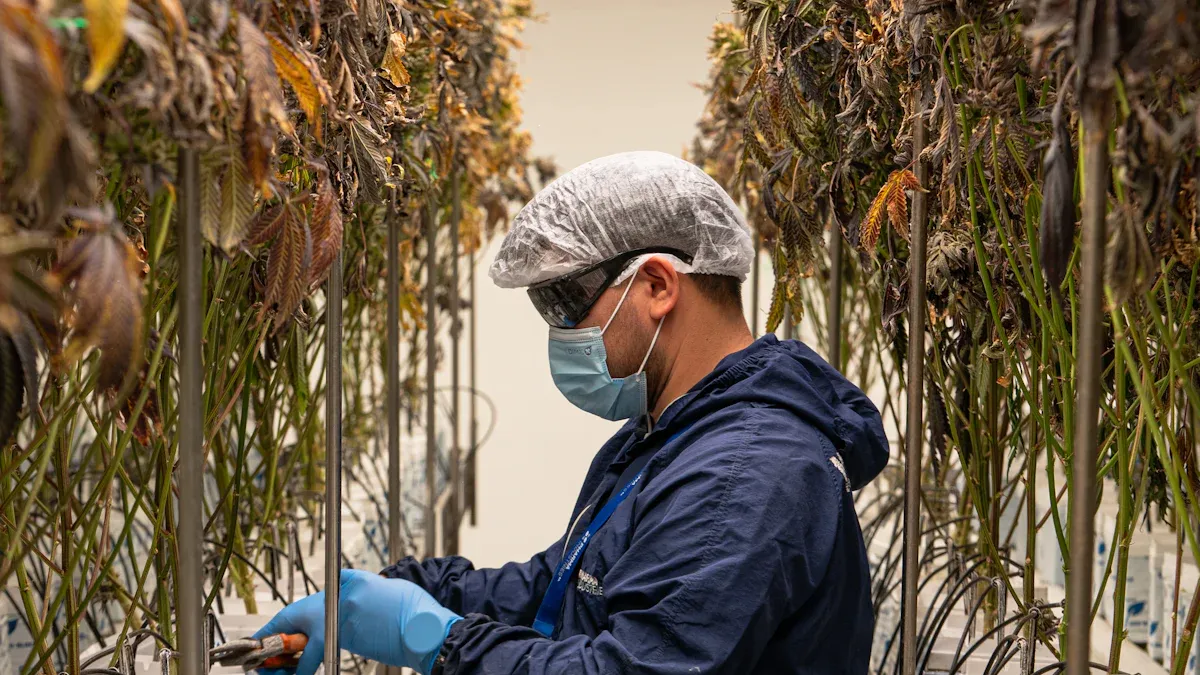
Achieving GMP certification involves more than just initial setup; it requires proactively managing ongoing operational challenges. Cultivators must master nutrient delivery, waste disposal, and contamination prevention to maintain compliance and ensure consistent production.
Managing pH and EC with Automation
Maintaining stable pH and Electrical Conductivity (EC) in the nutrient reservoir is critical for rock wool cultivation. Fluctuations can lock out essential nutrients and compromise plant health. Automation provides a reliable solution to this challenge.
Automated dosing systems, such as the Bluelab Pro Controller Wi-Fi or the IntelliDose System, eliminate manual adjustments. These controllers periodically test the reservoir water. When the pH or EC drifts from the target, the system activates small pumps to add precise amounts of nutrient solution or pH adjusters. This technology ensures the nutrient solution remains perfectly balanced, providing the consistency required for GMP-compliant batch records.
Sustainable Waste Management Solutions in Thailand
Used rock wool presents a disposal challenge. For Thai cultivators, developing sustainable local solutions is crucial. Many producers currently face a "GACP-to-GMP Gap," forcing them to outsource processing to expensive overseas facilities. This model is often slow and unsustainable.
Building a fully compliant local industry means addressing every part of the production cycle, including waste. Developing cost-effective, local methods for recycling or repurposing rock wool reduces operational costs and strengthens Thailand's self-sufficiency in the global cannabis market.
Preventing Algae Growth on Substrate Surfaces
Algae is a common nuisance in hydroponic systems. It thrives where three key elements meet:
- Light
- Water
- Nutrients
The constantly moist and nutrient-rich surface of rock wool, when exposed to light, creates a perfect breeding ground for algae. While often harmless, algae can attract pests and compete for nutrients.
GMP-compliant prevention focuses on eliminating one of the key growth factors: light. Cultivators can use opaque covers or block wraps to shield the rock wool surface from light exposure. Other effective, GMP-friendly strategies include:
- Thorough Sanitization: Regularly clean all equipment and irrigation lines. A solution of 3% hydrogen peroxide is effective for destroying algae cells on surfaces.
- Temperature Control: Keep the nutrient reservoir temperature below 20°C (68°F) to inhibit algae growth.
- Clean Water Source: Use filtered or treated water to prevent introducing contaminants from the start.
The combination of rock wool substrates and smart farm automation provides a robust framework for GMP-certified cannabis cultivation in Thailand. This integrated approach directly satisfies the core pillars of Good Manufacturing Practices.
It ensures sterility, precise process control, product consistency, and complete documentation.
Adopting this solution positions Thai cultivators for success. They can produce high-quality, safe, and globally competitive medicinal cannabis, securing a strong foothold in the international market. 🌏
FAQ
Why is rock wool better than soil for GMP?
Rock wool is sterile and inert, preventing soil-borne contaminants like heavy metals and pathogens. It gives cultivators complete control over nutrient inputs. This level of control and cleanliness directly supports GMP requirements for product consistency and safety, which is difficult to achieve with variable soil compositions.
How can cultivators dispose of used rock wool sustainably?
Cultivators can explore local recycling solutions. Some companies shred used rock wool and incorporate it into new products like bricks or compost. This approach reduces landfill waste and supports a circular economy, addressing a key operational challenge for Thai farms seeking sustainable practices.
What is the most critical step for preparing rock wool?
The most vital step is pH conditioning. Cultivators must soak new rock wool in a pH-adjusted solution (5.5–6.5) before use. This process neutralizes its natural alkalinity. It ensures optimal nutrient availability for the cannabis plants from the very beginning of their life cycle.
How does automation simplify GMP compliance?
Automation creates unchangeable digital batch records. Smart farm software logs all environmental data and fertigation events automatically. This provides the complete, error-free documentation and traceability that GMP auditors require for certification. It effectively removes the risk of human error in critical record-keeping processes.
See Also
Nozzle Solutions: Essential Insights for Gardeners, Bioprinters, and Lubrication Professionals
Boosting 2,5-Furandicarboxylic Acid Sustainability: Data-Driven Strategies for a Greener Future
Embrace Eco-Friendly Beauty: The Benefits of Bamboo Cosmetic Packaging Choices
Molybdenum High-Temperature Furnaces: Key Insights and Future Trends for 2025
Exploring Innovative Industrial Applications of N,N-Dimethyl-N,N-Diphenylurea Across Sectors