Common Mistakes to Avoid When Using Glucosamine Sulfate Sodium Chloride Supplements
Many individuals misuse glucosamine sulfate sodium chloride supplements in daily routines. They often overlook proper dosing and timing. Safety and effectiveness depend on avoiding these mistakes. Simple adjustments promote better results.
- Proper use prevents unwanted side effects.
- Consistent routines improve supplement benefits.
Glucosamine Sulfate Sodium Chloride Dosage Mistakes

Finding the Right Dosage
Selecting the correct dose of glucosamine sulfate sodium chloride remains essential for safety and effectiveness. Clinical studies support a daily dose of 1,500 mg, either as a single dose or divided throughout the day. The following table summarizes key dosage recommendations:
| Dosage | Administration | Effectiveness |
|---|---|---|
| 1,500 mg | Oral (single or divided dose) | Reduces osteoarthritis symptoms and joint narrowing |
| 800 mg | Once daily | Used in some cases |
| 500 mg | Alternative dose | Sometimes recommended |
Many people mistakenly believe all forms of glucosamine work the same. However, glucosamine sulfate is the most researched and effective form for joint health.
Dangers of Overdosing or Underdosing
Incorrect dosing can lead to serious health risks. Overdosing on glucosamine sulfate sodium chloride may cause gastrointestinal distress, liver damage, or kidney problems. Some studies in animals have shown that high doses can result in liver and kidney injury, as well as increased blood sugar levels. On the other hand, taking too little may not provide any benefit for joint pain or mobility. Consistent and accurate dosing helps avoid these problems.
Tip: Always follow the recommended dose on the supplement label or as advised by a healthcare provider.
How to Stay Consistent with Your Dosage
Maintaining a regular supplement routine increases the likelihood of positive results. The following strategies can help:
- Take 1,500 mg daily, either as a single dose or split into three 500 mg doses.
- Set reminders or use a pill organizer to avoid missed doses.
- Monitor progress after eight weeks and continue if improvement occurs.
Consistency supports the effectiveness of glucosamine sulfate sodium chloride and reduces the risk of side effects.
Glucosamine Sulfate Sodium Chloride Timing Errors
When to Take Your Supplement
Timing plays a crucial role in supplement effectiveness. Many individuals wonder about the best moment to take glucosamine sulfate sodium chloride. Experts recommend taking the supplement during or after meals. This approach supports optimal absorption and reduces the risk of stomach discomfort. He or she can choose a time that fits daily routines, but pairing the supplement with food remains the most reliable method.
Why Timing Affects Effectiveness
The body absorbs nutrients differently throughout the day. Taking glucosamine sulfate sodium chloride with food helps the digestive system process the supplement efficiently. Food slows down digestion, allowing the body to absorb the active ingredients more thoroughly. This practice also minimizes gastrointestinal side effects, such as nausea or bloating. Consistent timing ensures steady levels of the supplement in the bloodstream.
Tip: Pairing your supplement with breakfast or dinner can help establish a routine and improve absorption.
Creating a Supplement Routine
Establishing a routine increases the likelihood of consistent supplement use. He or she can follow these steps to build a reliable schedule:
- Choose a meal, such as breakfast or dinner, as the designated time for taking the supplement.
- Set a daily reminder on a phone or calendar.
- Use a pill organizer to keep track of doses.
A structured routine helps individuals avoid missed doses and supports the effectiveness of glucosamine sulfate sodium chloride. Consistency remains key for achieving the desired benefits.
Ignoring Glucosamine Sulfate Sodium Chloride Side Effects
Side Effects to Watch For
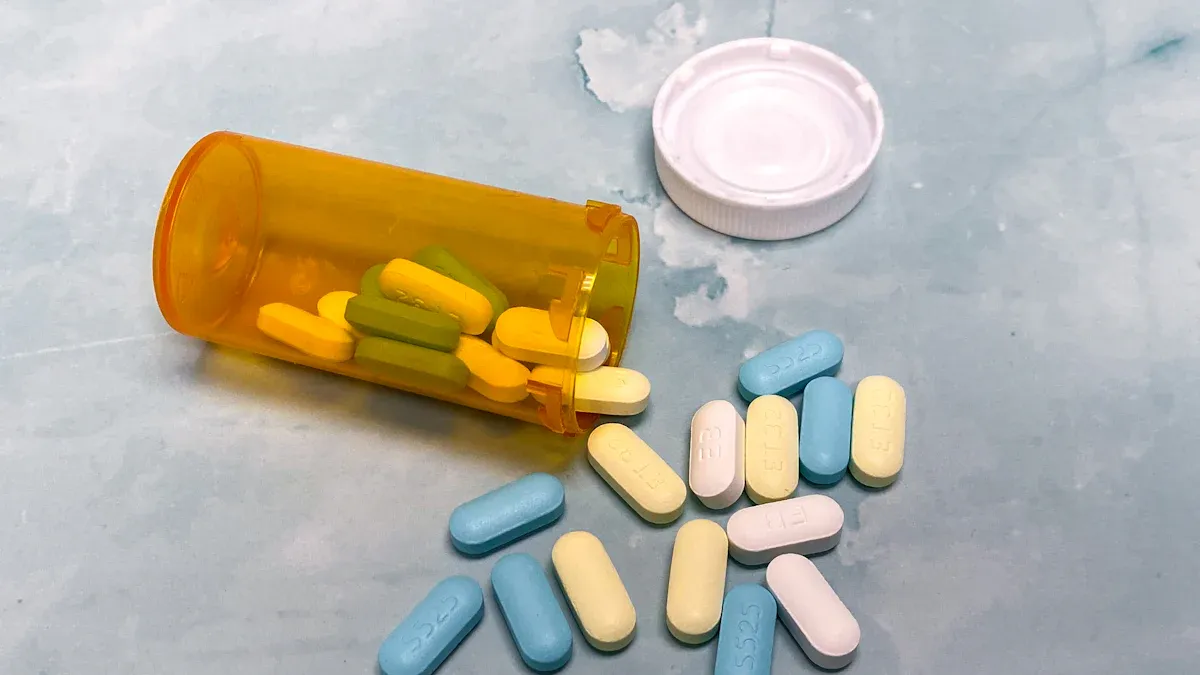
Many people overlook mild side effects when starting a new supplement. Common reactions to glucosamine sulfate sodium chloride include indigestion, constipation, diarrhea, headaches, and skin rashes. These symptoms may appear soon after beginning the supplement or after increasing the dose. Individuals with allergies, especially to shellfish, face a higher risk of allergic reactions. Monitoring for these signs helps prevent more serious health issues.
Steps to Take if You Notice Side Effects
Taking prompt action can reduce discomfort and prevent complications. If mild side effects develop, individuals should consider the following steps:
- Reduce the dosage to see if symptoms improve.
- Discontinue use if side effects persist or worsen.
- Consult a healthcare professional for guidance.
Note: Never ignore ongoing symptoms, as they may signal a more serious problem.
When to Contact Your Doctor
Some warning signs require immediate medical attention. Individuals should contact their doctor if they experience:
- Unusual bruising or bleeding, especially when taking medications like warfarin.
- Reduced effectiveness of other drugs, such as chemotherapy or diabetes medications.
- Signs of an allergic reaction, including swelling, difficulty breathing, or severe rash.
Keeping a healthcare provider informed ensures safe and effective use of glucosamine sulfate sodium chloride. Early intervention can prevent long-term health risks.
Overlooking Glucosamine Sulfate Sodium Chloride Interactions
Checking for Medication Interactions
Many people do not realize that supplements can interact with prescription or over-the-counter medications. Glucosamine sulfate sodium chloride may affect how certain drugs work. For example, it can reduce the effectiveness of some cancer medications and may interact with acetaminophen or diabetes medications. The following table highlights common interactions:
| Medication Type | Interaction Rating | Description |
|---|---|---|
| Cancer Medications (Antimitotic) | Moderate | Caution advised; glucosamine sulfate may decrease the effectiveness of cancer medications. |
| Acetaminophen | Minor | Caution advised; potential interaction, but generally considered safe to use together. |
| Diabetes Medications | Minor | Caution advised; glucosamine sulfate may not significantly affect blood sugar or diabetes medications. |
Patients should always review their medication list with a healthcare provider before starting any new supplement.
Considering Your Health Conditions
Underlying health conditions can influence how the body responds to supplements. Research shows that glucosamine sulfate sodium chloride supplements may negatively impact kidney function. Reports link these supplements to non-specific kidney injury. Individuals with existing kidney problems should exercise caution and consult a doctor before use. Monitoring for changes in health status helps prevent complications.
Note: People with chronic illnesses or allergies should discuss supplement use with their healthcare team.
Keeping Your Healthcare Team Informed
Open communication with healthcare providers ensures safe supplement use. Patients should share details about the type of glucosamine they take, their health goals, and any allergies or medications. The table below outlines important information to discuss:
| Aspect | Glucosamine Sulfate | Glucosamine Hydrochloride |
|---|---|---|
| Effectiveness | Modest pain and function improvement in osteoarthritis | Small or no advantage over placebo |
| Absorption | Once-daily dosing with sustained exposure | Lower and more variable exposure |
| Clinical Support | Backed by multiple RCTs and health assessments | Thinner evidence base |
| Cost | More expensive but reasonable cost-effectiveness | Cheaper per mg, more stable |
| Recommendations | Match form to joint health goals | Consider allergies and medication safety |
Sharing this information helps providers make informed recommendations and ensures the best possible outcomes.
Not Consulting a Healthcare Provider About Glucosamine Sulfate Sodium Chloride
Why Professional Advice Matters
Healthcare providers offer essential guidance before starting any supplement. They assess medical history and identify risks. Many individuals experience side effects such as headaches, nausea, or diarrhea. Some patients face potential interactions with medications like blood thinners, insulin, or chemotherapy drugs. Professional advice helps prevent complications and ensures safe use. Providers also consider allergies, especially for those sensitive to shellfish, since glucosamine often comes from shellfish sources.
Tip: Consulting a healthcare provider protects individuals from unexpected reactions and supports informed decisions.
Questions to Ask Your Healthcare Provider
Patients should prepare questions to maximize their appointment. The following list highlights important topics:
- Is glucosamine sulfate sodium chloride safe for my health condition?
- Will this supplement interact with my current medications?
- What side effects should I watch for?
- How should I monitor my progress?
- Are there alternatives if I have a shellfish allergy?
Providers answer these questions based on individual needs. They help patients understand risks and benefits.
Preparing for Your Appointment
Preparation improves the quality of healthcare visits. Patients should bring a list of current medications and supplements. They should note any allergies or past reactions. Individuals with diabetes or those taking warfarin need to mention these conditions. Providers review this information and recommend the best course of action. A well-prepared patient receives tailored advice and avoids common mistakes with glucosamine sulfate sodium chloride.
Avoiding mistakes with glucosamine sulfate sodium chloride protects health and improves results. Key points include:
- Pregnant or breastfeeding women and children should not use this supplement.
- Individuals with shellfish allergies must consult a doctor.
- Discuss all medications with a healthcare provider.
| Possible Long-Term Effects | Description |
|---|---|
| Gastrointestinal issues | Nausea, diarrhea, or abdominal discomfort |
| Allergic reactions | Rare but serious, including chest tightness |
Selecting products with USP or NSF certification ensures quality. Responsible use and professional advice help prevent complications.
FAQ
Can people with shellfish allergies take glucosamine sulfate sodium chloride?
Most glucosamine supplements come from shellfish. People with shellfish allergies should consult a healthcare provider before using these supplements.
How long does it take to notice results from glucosamine sulfate sodium chloride?
Many individuals report improvement in joint pain after 4 to 8 weeks of consistent use. Results may vary based on individual health conditions.
Is it safe to take glucosamine sulfate sodium chloride with other supplements?
Always inform a healthcare provider about all supplements. Some combinations may cause interactions or side effects. Professional guidance ensures safe and effective use.
See Also
Essential Indicators of High-Quality Bovine Gelatin Powder
Contemporary Techniques for Aminoguanidine Bicarbonate Production
10 Creative Ideas for Incorporating Bovine Gelatin in Cooking
Unexpected Techniques for Diagnosing Sulfur Recovery Catalyst Issues