Glucosamine sulfate potassium chloride safe buying and usage secrets revealed
Safe use of glucosamine sulfate potassium chloride involves careful selection and responsible consumption.
- The global market reached USD 150 million in 2023.
- North America leads with 40% market share, while Asia-Pacific grows fastest at 8-10% CAGR.
Individuals protect their health by choosing premium supplements and following expert guidance.
Glucosamine sulfate potassium chloride safe buying secrets
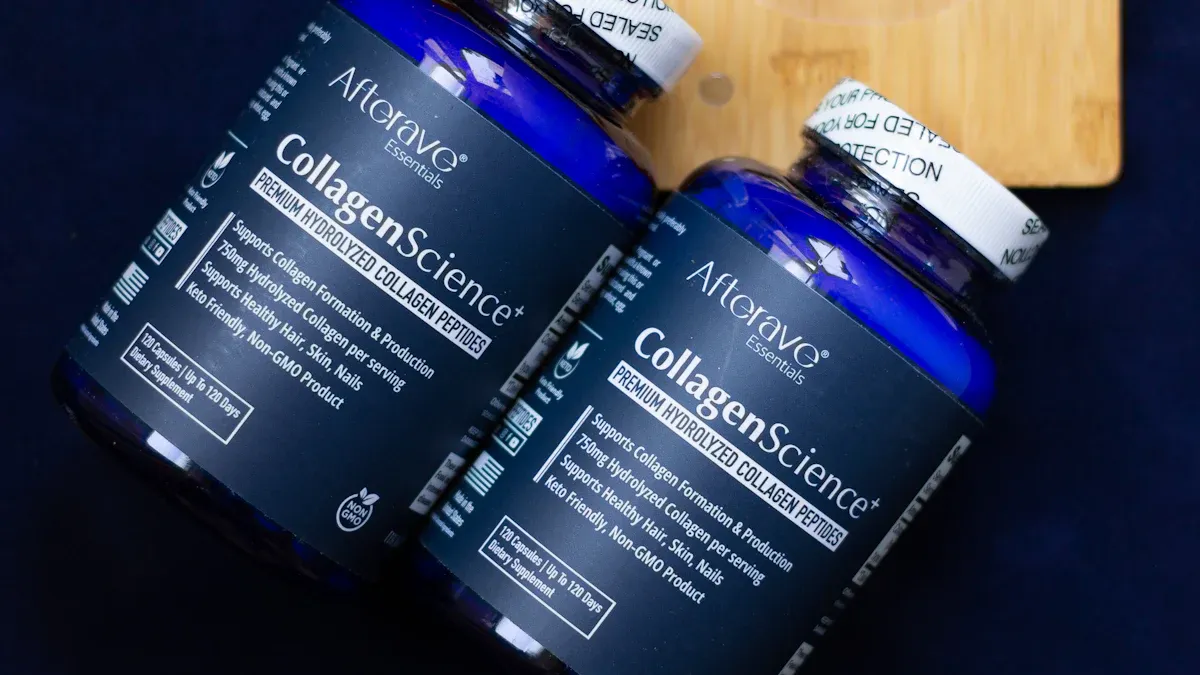
Identifying high-quality glucosamine sulfate potassium chloride products
Consumers often face challenges when selecting high-quality glucosamine sulfate potassium chloride supplements. Many products on the market do not meet label claims or contain the correct compound. To ensure safety and effectiveness, buyers should look for specific certifications and third-party testing. The following table outlines the most important quality indicators:
| Certification/Testing Type | Description |
|---|---|
| GMP Certification | Ensures the product is manufactured in a controlled, audited facility meeting FDA and international quality standards |
| Third-Party Testing | Look for supplements verified by organizations like USP, NSF, or ConsumerLab for purity and label accuracy |
Regulatory agencies, such as Japan’s Ministry of Health, Labour and Welfare, enforce strict standards for glucosamine sulfate potassium chloride. They require manufacturers to follow Good Manufacturing Practices and use advanced monitoring tools to detect anomalies in raw materials and production. These measures help guarantee that products meet safety and efficacy standards.
Mistakes often occur when consumers confuse glucosamine sulfate potassium chloride with similar-sounding compounds. Some products contain glucosamine hydrochloride or potassium sulfate instead, which can affect efficacy. Mislabeling and salt content confusion also lead to underdosing or purchasing ineffective products. The table below highlights common mistakes:
| Mistake Description | Explanation |
|---|---|
| Mixing of compounds | Consumers may confuse glucosamine hydrochloride and potassium sulfate with glucosamine sulfate and potassium chloride, leading to incorrect assumptions about the product's efficacy. |
| Mislabeling of products | True glucosamine sulfate is a single compound, but many products sold are actually glucosamine sulfate salts, which can mislead consumers regarding the actual glucosamine content. |
| Salt content confusion | Some products are sold as glucosamine sulfate salt salt, which can dilute the actual glucosamine content to about 50% by weight, causing consumers to underestimate the amount they are purchasing. |
Where to buy glucosamine sulfate potassium chloride safely
Selecting a reputable retailer plays a critical role in supplement safety. Buyers should avoid unverified sources, as these often sell products with inaccurate labeling or insufficient active ingredients. A 2021 FDA investigation found that 22% of glucosamine supplements contained only 60% or less of the labeled glucosamine sulfate, with some as low as 22%. Many of these products lacked third-party verification and used unspecified salt forms, raising concerns about their efficacy and safety.
It is crucial to ensure molecular fidelity in glucosamine products, knowing the exact compound, quantity, and proof of quality. Properly stabilized glucosamine sulfate 2KCl, when third-party verified and dosed at 1,500 mg daily, is one of the few nutraceuticals with proven clinical outcomes for joint support.
Buyers should choose established pharmacies, health food stores, or certified online retailers. These outlets typically offer products that meet regulatory requirements and provide access to customer support. Retailers must comply with legal standards. As clarified by the courts:
The court ruled that the product's ingredient satisfied FDA tests for ingredients of that name, thus complying with the FDCA's requirements. The panel noted that because the FDA had not established Reference Daily Intakes for glucosamine-based dietary ingredients, a product is properly branded under FDA law if it is the 'common or usual name' as determined by the FDA-approved AOAC naming method or other 'reliable and appropriate methods.'
What to check on the glucosamine sulfate potassium chloride label
Careful label inspection helps consumers verify product authenticity and quality. The label should clearly state "glucosamine sulfate potassium chloride" as the main ingredient. It should also list the exact amount of active compound per serving and display any third-party certifications, such as USP or NSF.
Advanced analytical techniques, such as Nuclear Magnetic Resonance (NMR) and High-Performance Liquid Chromatography (HPLC), can verify the authenticity of glucosamine sulfate potassium chloride ingredients. Specific NMR experiments, including 39K and 35Cl NMR, detect and quantify potassium and chloride ions. These methods confirm the supplement’s composition and ensure the actual content matches the labeled amounts.
A well-labeled supplement provides:
- The full chemical name and salt form
- The exact dosage per serving
- Third-party certification logos
- Batch number and expiration date
Consumers should avoid products with vague ingredient lists or missing quality seals. These omissions often signal poor manufacturing practices or potential mislabeling.
Glucosamine sulfate potassium chloride safe usage tips
Recommended dosage and how to take glucosamine sulfate potassium chloride
Clinical guidelines recommend a daily dosage of 1500 mg for adults. This amount supports joint health and aligns with most clinical studies. Individuals should take glucosamine sulfate potassium chloride with food to reduce stomach discomfort. Water helps with absorption and minimizes the risk of gastrointestinal side effects. Consistency in timing, such as taking the supplement at the same hour each day, improves adherence and effectiveness.
- The typical dosage for adults is 1500 mg of glucosamine sulfate potassium chloride daily.
- Taking the supplement with meals can reduce stomach upset.
- Drinking a full glass of water aids absorption.
Tip: Individuals should consult a healthcare provider before starting supplementation, especially if they have underlying health conditions.
Who should and should not use glucosamine sulfate potassium chloride
Not every individual benefits from glucosamine sulfate potassium chloride. Certain populations face increased risks and should avoid its use. The following table highlights groups advised to exercise caution or abstain:
| Population | Health Risk Description |
|---|---|
| Pregnancy and breastfeeding | Insufficient reliable information on safety; advised to avoid use. |
| Asthma | Potential worsening of asthma symptoms; caution is advised. |
| Glaucoma | Possible increase in eye pressure; consult a healthcare provider before use. |
Medical conditions may also contraindicate the use of glucosamine sulfate potassium chloride. Individuals with allergies to shellfish or sulfur, diabetes, or liver disease should consult a physician before use. The table below summarizes these contraindications:
| Contraindication Type | Description |
|---|---|
| Hypersensitivity | Allergy to shellfish, sulfur, or glucosamine |
| Diabetes | Monitor blood glucose levels |
| Liver Disease | Caution advised |
| Pregnancy | Not recommended due to lack of data |
Note: People with allergies to shellfish or sulfur should avoid glucosamine sulfate potassium chloride, as most supplements derive from shellfish sources.
Potential side effects and how to manage them
Glucosamine sulfate potassium chloride may cause mild to moderate side effects. Most reactions involve the digestive system. The table below lists common side effects:
| Side Effect | Description |
|---|---|
| Nausea | Mild stomach upset |
| Heartburn | Burning sensation in chest |
| Diarrhea | Loose or watery stools |
| Constipation | Difficulty in bowel movements |
| Drowsiness | Rare occurrence |
| Skin reactions | Uncommon allergic responses |
| Headache | Rare occurrence |
Other reported symptoms include stomach pain, heaviness, gas, indigestion, upper abdominal tenderness, and vomiting. Individuals can manage mild side effects by taking the supplement with food, monitoring blood sugar levels, and consulting a healthcare provider if symptoms persist. Regular blood sugar checks are especially important for those with diabetes.
- Monitor blood sugar levels, especially for individuals with diabetes.
- Consult with a doctor before starting glucosamine supplements, particularly for those at risk of glaucoma or with existing conditions.
- Consider having blood sugar levels checked regularly if taking glucosamine for extended periods.
Alert: If severe side effects occur, such as allergic reactions or significant changes in blood sugar, individuals should seek medical attention immediately.
Drug and supplement interactions to avoid with glucosamine sulfate potassium chloride
Interactions between glucosamine sulfate potassium chloride and certain medications may pose health risks. The table below outlines drugs and supplements that require caution:
| Drug Type | Specific Drugs |
|---|---|
| Anticoagulants | Warfarin (Coumadin) |
| Pain Relievers | Acetaminophen (Tylenol) |
| Chemotherapy Drugs | Doxorubicin, Etoposide, Teniposide (Vumon) |
| Diabetes Medications | Glimepiride (Amaryl), Glyburide, Insulin, Pioglitazone (Actos), Rosiglitazone (Avandia) |
Documented cases show that combining glucosamine sulfate potassium chloride with warfarin increases the international normalized ratio (INR), raising the risk of bleeding. The European Food Safety Authority reported elevated INR in 40 cases when coumarin anticoagulants were combined with glucosamine sulfate potassium chloride. Individuals taking anticoagulants or diabetes medications should consult their healthcare provider before starting supplementation.
- Increased INR and bleeding risk may occur with warfarin.
- Elevated INR has been reported with chondroitin sulfate and glucosamine sulfate potassium chloride.
- Regular monitoring is essential for those on anticoagulants.
Caution: Always inform healthcare providers about all supplements and medications to prevent dangerous interactions.
Maximizing glucosamine sulfate potassium chloride benefits safely
Monitoring your response to glucosamine sulfate potassium chloride
Individuals should track their progress when using glucosamine sulfate potassium chloride. Regular monitoring helps them determine if the supplement improves joint comfort and mobility. Many patients with osteoarthritis report reduced pain and better function after taking 1,500 mg daily. However, research shows mixed results. Some studies highlight meaningful improvements, while others find little or no effect on joint pain or structure.
- Glucosamine sulfate can reduce pain and improve function in osteoarthritis patients at the recommended dose.
- A meta-analysis of 3,803 patients found no clinically relevant effect on joint pain or joint structure.
People should keep a journal to record changes in symptoms, such as pain levels, stiffness, and daily activities. They should share this information with their healthcare provider during follow-up visits. If no improvement occurs after three months, they may need to reconsider their supplement plan.
Lifestyle tips to enhance glucosamine sulfate potassium chloride effectiveness
Healthy habits can boost the benefits of glucosamine sulfate potassium chloride. Combining the supplement with positive lifestyle choices supports joint health and overall well-being. Recent research provides insight into the supplement’s effectiveness:
| Study Type | Findings | Significance |
|---|---|---|
| GUIDE Trial | Significant improvement in joint function compared to placebo (p = 0.032) | Significant |
| Systematic Review | Crystalline glucosamine outperformed placebo for pain and function | Significant |
| Long-term Study | No significant difference in joint space loss compared to placebo | Not significant |
People should maintain a balanced diet rich in anti-inflammatory foods, such as leafy greens and fatty fish. Regular low-impact exercise, like swimming or walking, helps preserve joint mobility. Adequate hydration and weight management also play key roles in joint support.
Tip: Consistency in supplement use and healthy routines maximizes the potential benefits for joint health.
To ensure safe use of glucosamine sulfate potassium chloride, individuals should:
- Take the standard daily dosage—1,500 mg for most adults, or 2,000 mg for those over 200 lbs.
- Select supplements certified for purity and strength.
- Check labels for pure glucosamine sulfate, avoiding sodium or potassium additives.
Healthcare professionals provide essential guidance, especially for those with allergies, diabetes, or other health conditions. Ongoing attention to supplement quality and personal health remains vital.
FAQ
Is glucosamine sulfate potassium chloride safe for long-term use?
Most studies show that adults tolerate long-term use well. They should monitor for side effects and consult a healthcare provider regularly.
Can vegetarians or vegans take glucosamine sulfate potassium chloride?
Most supplements use shellfish sources. Some brands offer vegan glucosamine from corn or fungi. Individuals should check the label for the source.
How soon will someone notice benefits from glucosamine sulfate potassium chloride?
Many users report improvement within four to eight weeks. Results vary based on individual health, supplement quality, and adherence to recommended dosage.
See Also
Understanding This Year's Pricing for Aminoguanidine Bicarbonate Suppliers
Why Bovine Gelatin Powder Is An Effective Health Supplement
Key Indicators of High-Quality Bovine Gelatin Powder
Key Applications and Synthesis of Aminoguanidine Bicarbonate
Current Techniques for Synthesizing Aminoguanidine Bicarbonate and Uses