Gelatin Used to Thicken Food Fast and Foolproof Tips
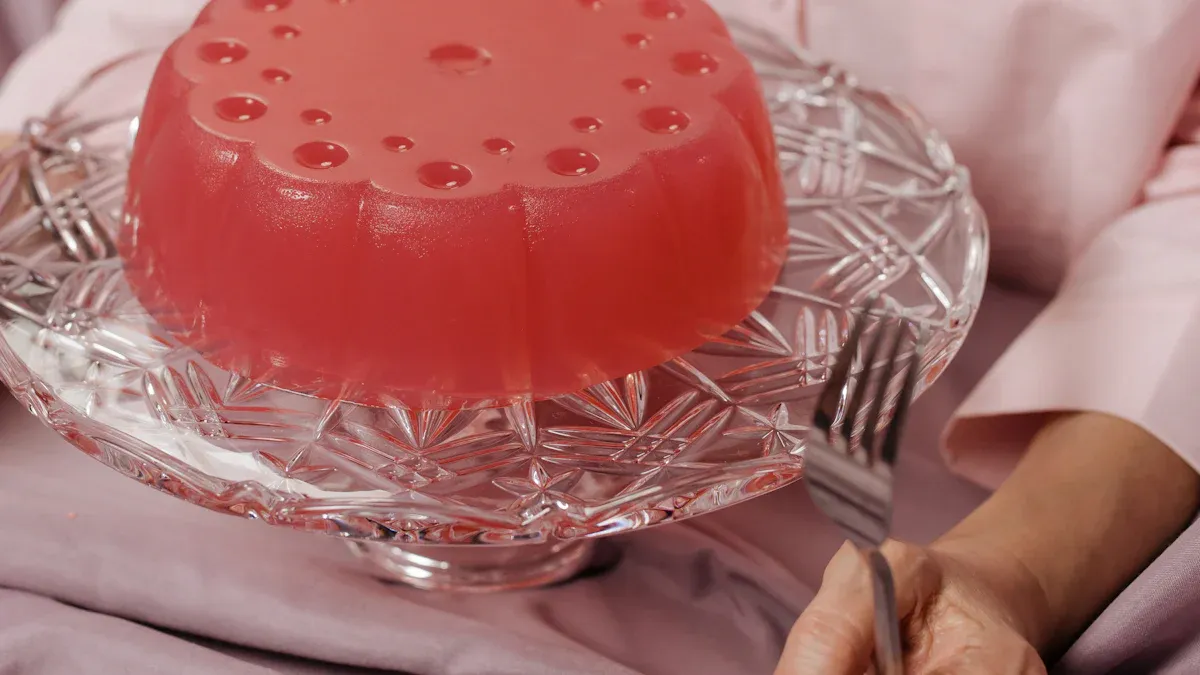
You want a quick way to make your food thicker and smoother? Try gelatin used to thicken food. Just dissolve it in warm liquid, mix it into your dish, and let it set.
- It works fast
- You get a perfect texture every time
Key Takeaways
- Gelatin is a quick and effective thickener that creates a smooth texture in various dishes. Use it in desserts, sauces, and soups for the best results.
- Always bloom gelatin in cold water before dissolving it in warm liquid. This step prevents lumps and ensures even thickening.
- Choose between powdered and sheet gelatin based on your needs. Powdered gelatin is great for everyday recipes, while sheet gelatin offers a clearer finish for fancy desserts.
What Is Gelatin Used to Thicken Food?
What Is Gelatin?
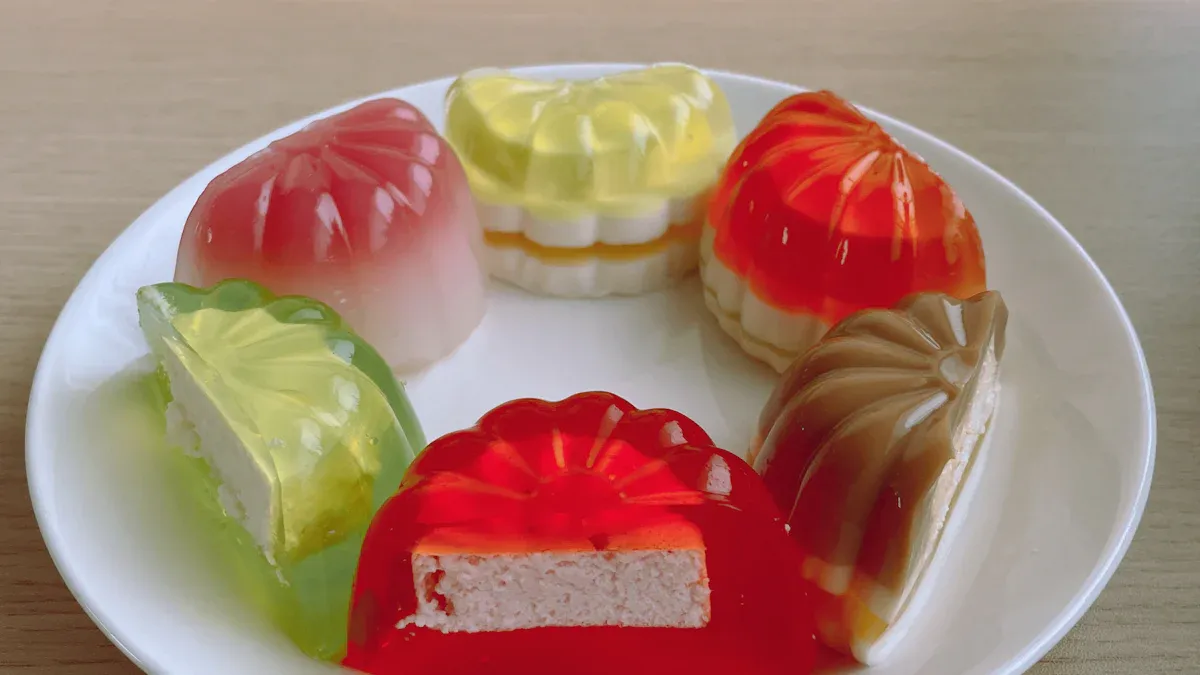
Gelatin is a protein that comes from animal collagen. You usually find it as a powder or in sheets. When you mix gelatin with warm liquid, it dissolves and forms a gel as it cools. This process gives your food a smooth, thick texture. You can spot gelatin used to thicken food in many products. Here are some common foods that use gelatin:
- Margarine
- Yogurt
- Cream cheese
- Dairy products
- Baked goods
- Preserved meats
- Wine
- Apple cider
- Fruit juice
Gelatin’s chemical properties make it perfect for thickening. Take a look at this table to see why:
| Property | Description |
|---|---|
| Appearance | Colorless to light yellow solid, in powder, flakes, or lumps |
| Molecular Mass | Relative molecular mass about 50,000-100,000 |
| Solubility | Absorbs 5-10 times its weight in water and swells |
| Gel Formation | Dissolves when heated, forms a gel below 35-40°C |
| Gel Concentration | Forms a gel at 10%-15% concentration |
| Influencing Factors | Gelation temperature changes with concentration, salts, and pH |
Why Use Gelatin for Thickening?
You might wonder why gelatin stands out among thickeners. Gelatin forms thermo-reversible gels, so your food melts in your mouth. Sugar actually makes gelatin gels stronger, unlike other thickeners. You get a pleasant texture and taste. Gelatin also supports gut health and digestion. It is biodegradable and comes from animal sources, often using waste materials, which helps reduce pollution. The origin of gelatin—bovine, porcine, or fish—can affect how well it thickens, so producers choose the right type for their needs.
Tip: If you want a thickener that gives a smooth, melt-in-your-mouth feel, gelatin is a great choice.
Types of Gelatin Used to Thicken Food
When you want to pick the best gelatin used to thicken food, you have two main choices: powdered gelatin and sheet gelatin. Each type has its own strengths, so let’s break them down.
Powdered Gelatin
You probably see powdered gelatin in most grocery stores. It comes as a fine, dry powder in small packets. You just measure it, sprinkle it over cold water, and let it bloom before adding it to your recipe. Powdered gelatin works great for:
- Jellies and no-bake cheesecakes
- Marshmallows and homemade gummies
- Thickening sauces
Powdered gelatin dissolves quickly in warm liquids. It’s super convenient for home cooks. You just need to measure carefully to get the right texture.
Sheet Gelatin
Sheet gelatin looks like thin, clear leaves. Professional chefs love it because it gives a smooth, clean finish. You soak the sheets in cold water, squeeze out the extra water, and then melt them into your warm mixture. Sheet gelatin is perfect for:
- Mirror glaze and panna cotta
- Fruit mousse and pastry creams
- Desserts where you want a high-clarity look
Tip: Sheet gelatin gives you more control and a clearer result, especially in delicate desserts.
Here’s a quick comparison to help you decide:
| Feature | Gelatin Sheets | Gelatin Powder |
|---|---|---|
| Form | Thin, flat sheets | Fine granulated powder |
| Usage | Used by chefs | Common in home kitchens |
| Measurement | Very precise | Needs careful measuring |
| Dissolving | Even and clear | Needs proper blooming |
| Texture Result | Smooth, clean finish | Slightly denser texture |
| Storage | Less messy | Very convenient |
| Conversion | 1 sheet ≈ 1 tsp powder | 1 tsp powder ≈ 1 sheet |
Choosing the Right Type
You should think about what you want from your dish. If you want something quick and easy, powdered gelatin is your friend. If you want a dessert that looks crystal clear, go for sheet gelatin. Sheet gelatin gives you more reliable results in fancy desserts, while powdered gelatin is perfect for everyday treats. Both types work well, so you can choose what fits your recipe best.
How to Thicken Food with Gelatin: Step-by-Step Guide
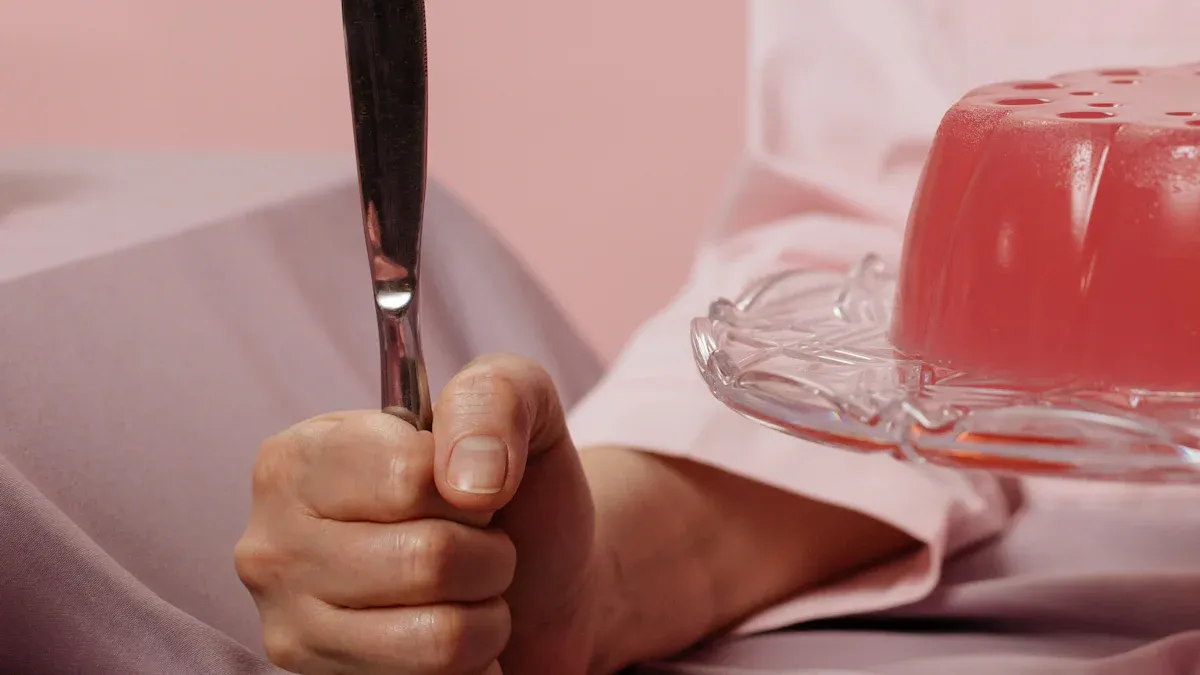
Ready to make your food thicker and smoother? Here’s a step-by-step guide to using gelatin used to thicken food. You’ll see how easy it is to get perfect results every time.
Measure the Gelatin
Start by measuring your gelatin. The amount you use will change the final texture. If you want a soft, wobbly dessert, use less. For a firmer set, add a bit more. Here’s a quick guide:
- Use about 1 teaspoon powdered gelatin per cup of liquid for a lightly thickened texture.
- Add a little more if you want a firmer result.
The way you measure gelatin really matters. Take a look at this table to see how the amount you use can change the texture:
| Measurement Stage | Gelatin Current Values | Agar Current Values | Observations |
|---|---|---|---|
| Early Mixing | Higher | Lower | Indicates energy of fracturing gels |
| Middle Mixing | Decreased | Decreased | Cohesiveness of agar lower than gelatin |
| Size Dependency | Viscosity correlated with hardness | N/A | Texture is size dependent |
If you want your food to have just the right feel, always measure carefully.
Bloom in Cold Water
Next, you need to bloom the gelatin. This step helps the gelatin absorb water and get ready to dissolve. Sprinkle the gelatin evenly over cold water. Let it sit for a few minutes. You’ll see it swell up and become spongy.
When you bloom gelatin, water molecules penetrate the strands of gelatin and activate them for dissolution. Proper hydration is crucial because it ensures that the gelatin molecules disperse evenly throughout the liquid, preventing the formation of lumps and promoting a consistent texture.
Don’t skip this step! If you do, your food might end up with lumps or not set at all.
Dissolve in Warm Liquid
After blooming, you need to dissolve the gelatin in warm liquid. This step melts the gelatin and makes it ready to mix into your dish. The best temperature for dissolving gelatin is between 95 to 105 degrees Fahrenheit (35 to 40 degrees Celsius). Stir gently until the gelatin is completely dissolved. If you see any grains, keep stirring until the mixture looks clear.
- Always dissolve gelatin in a small amount of the same liquid you plan to use.
- Avoid pouring gelatin straight into hot liquids. This can cause clumping and uneven thickening.
Mix into Your Dish
Now it’s time to add the dissolved gelatin to your main dish. Pour the melted gelatin into the rest of your liquid. Stir well to make sure everything mixes evenly. If you want to avoid clumps, keep stirring as you pour.
- Stir regularly while hydrating gelatin to prevent clumping.
- Mix the dissolved gelatin with the bulk of the liquid you are thickening and ensure thorough mixing before chilling.
- Gelatin crystals should be hydrated in lukewarm water or warm liquids to ensure proper absorption.
If you follow these steps, you’ll get smooth, even thickening every time you use gelatin used to thicken food.
Let It Set
The last step is letting your dish set. Pour your mixture into a mold or dish. Place it in the fridge. Gelatin can take a few hours to a whole day to set, depending on your recipe. For best results, chill your dessert for at least eight hours. If you want a super firm set, leave it for twenty-four hours.
- Gelatin can take anywhere from a few hours to a whole day to set.
- Chill desserts for at least eight hours.
- For optimal results, chilling for twenty-four hours is best.
Safety Tip: Some people may have allergies to gelatin. Eating too much can also cause stomach problems like bloating or cramps. Always use clean utensils and store your gelatin dishes in the fridge to keep them safe.
Now you know how to use gelatin used to thicken food like a pro. With these steps, you’ll get perfect, smooth results every time.
Fast and Foolproof Tips for Gelatin Used to Thicken Food
Quick Tips for Success
You want your food to turn out smooth and thick every time? Try these quick tips:
- Bloom gelatin by sprinkling it over cold water. Let it rest for 5–10 minutes so it absorbs water.
- Melt gently. Warm the bloomed gelatin to about 50–60°C. Don’t let it boil or you’ll lose its thickening power.
- Set your dish in the fridge for at least 2–4 hours. Overnight works best for a firm texture.
- Measure precisely. Even a small mistake can change the outcome. Use a gram scale if you have one.
- Add acids or alcohol near the end. This keeps your mixture from thinning or not setting.
- Store your gelatin-based foods in the fridge. Warm temperatures can make them soften.
Tip: Always bloom gelatin used to thicken food before you heat it. This step makes a big difference!
Common Mistakes to Avoid
Check out this table to see what can go wrong and how to fix it:
| Issue | Likely Cause | Fix |
|---|---|---|
| Gelatin not setting | Not bloomed, overheated, fresh fruit | Bloom properly, don’t boil, use canned fruit or heat enzymes |
Troubleshooting
If your dessert feels runny or doesn’t set, ask yourself these questions:
- Did you bloom the gelatin long enough?
- Did you avoid boiling the mixture?
- Did you use fresh pineapple or kiwi? These fruits have enzymes that break down gelatin. Try canned fruit or heat them first.
Note: If your food still won’t set, add a little more gelatin next time or chill it longer.
Best Foods for Gelatin Used to Thicken Food
Desserts
You probably know gelatin desserts as jellies. These treats have been around since the 18th century and still show up in cookbooks today. When you use gelatin used to thicken food, you turn a liquid into a soft, elastic gel. You can make fruit jellies, mousse, panna cotta, and even marshmallows. Kids love the wobbly texture, and you get a dessert that holds its shape. If you want a classic, try making a layered jelly or a creamy cheesecake.
Tip: For a fun twist, add fruit or whipped cream to your gelatin dessert. It makes every bite more exciting!
Sauces and Soups
Gelatin works wonders in soups and sauces. You can add it to homemade stocks to boost the texture and give your dish extra collagen and protein. If you want a sauce that coats your food perfectly, mix gelatin powder with cold water first. Heat it until nearly boiling, then stir it into your sauce. You keep the original flavors, but your sauce feels richer and smoother. Gelatin also thickens broths and stews without changing their taste.
- Use gelatin for gravy, consommé, or even ramen broth.
- You get a silky finish and a hearty feel.
Dairy and Non-Dairy Dishes
Gelatin shines in dairy and non-dairy recipes. You can use it in yogurt, puddings, and creamy desserts. It gives your dish a unique gel texture that other thickeners can’t match. Here’s a quick look at how gelatin compares to other agents:
| Ingredient | Applications in Dairy and Non-Dairy | Properties |
|---|---|---|
| Gelatin | Yogurt, desserts | Unique gelling properties |
| Carrageenan | Ice cream, plant-based milk | Versatile stabilizer and thickener |
If you want a plant-based option, carrageenan works well, but gelatin gives you that classic, melt-in-your-mouth feel.
You can thicken food with gelatin in just a few steps.
- Bloom gelatin in cold liquid.
- Mix it well for smooth results.
- Chill your dish until set.
Try gelatin for easy thickening. Practice helps you get the perfect texture every time. Chefs recommend measuring carefully and adjusting chilling time.
FAQ
Can I use gelatin to thicken hot liquids?
Yes, you can. Just let the gelatin bloom first, then add it to your warm liquid. Stir until it dissolves completely.
What if my gelatin dessert does not set?
Check if you bloomed the gelatin long enough. Make sure you did not use fresh pineapple or kiwi. Chill your dessert longer if needed.
Is there a vegetarian alternative to gelatin?
You can try agar-agar or carrageenan. These plant-based thickeners work well in many recipes. They set faster and do not need animal products.
See Also
10 Creative Methods to Incorporate Bovine Gelatin in Cooking
Comparing Bovine Gelatin Powder with Fish and Pork Varieties
The Production Process and Composition of Edible Gelatin
Why Bovine Gelatin Powder Is an Effective Health Booster
Key Indicators of High-Quality Bovine Gelatin Powder to Recognize