Bulk Gelatin Powder: Precise Bloom Strength & Viscosity
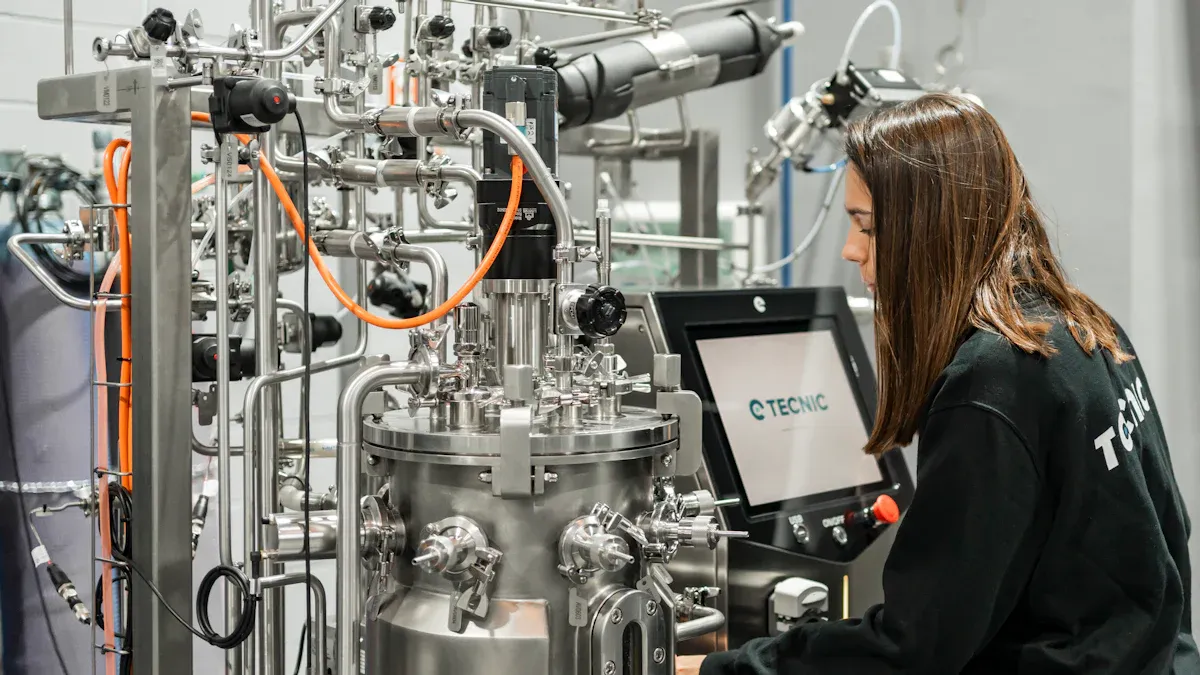
In industrial gelatin manufacturing, Bloom strength, viscosity, and mesh size form the core technical triad. Precise control over gelatin bloom strength viscosity parameters eliminates batch variability. This precise specification matching optimizes thermal processing times across automated production lines. Formulators achieve exact structural integrity in their finished goods through reliable physical parameters.
Beyond Collagen Edible Gelatin provides the premier functional solution for modern manufacturing challenges. Processors source high-quality raw materials derived from bovine, porcine, and fish origin. Beyond Collagen offers fully customizable Bloom values, tailored viscosity options, and versatile mesh sizes. Food, pharmaceutical, and nutraceutical brands rely on these custom gelatin formulations to stabilize their products efficiently.
Understanding Gelatin Bloom Strength Viscosity Parameters
Gelatin performance relies heavily on physical testing and molecular structure. Manufacturers measure firmness using the standard Bloom test, which records the weight in grams required to depress a gel surface. Standard protocols like ISO 9665 and USP define these exact testing parameters.
Protocol step / factor | Standard value |
|---|---|
Gelatin solution | 6.67% in water |
Gelation conditions | 16–18 hours at 10 °C |
Probe diameter | 0.5 inch (1/2-inch) plunger |
Penetration depth | 4 mm |
Resulting unit | Peak force expressed as g-Bloom |
Bloom Range and Mechanical Firmness
Commercial gelatin powder spans a broad spectrum from 30 to 325 Bloom. The concentration of alpha-, beta-, and gamma-chains directly determines this value. Single alpha-chains averaging roughly 100,000 g/mol establish gel firmness, whereas larger protein fractions between 200,000 and 400,000+ g/mol drive solution viscosity. Higher proportions of proline and hydroxyproline stabilize triple-helix structures during cooling, creating stronger physical network junctions.
Formulators select specific Bloom bands to achieve exact textures across end products:
Medium-Bloom (150–220 g): Marshmallows, yogurt stabilization, panna cotta, and softgel capsules (150–200 g).
High-Bloom (220–300 g): Chewy gummies, hard gelatin capsules (200–250 g), and industrial binders.
Interacting Factors in Gelation Performance
External formulation conditions directly alter gelatin bloom strength viscosity behavior during industrial processing. Higher gelatin concentration accelerates triple-helix junction formation, which increases gel rigidity. Conversely, thermal degradation from prolonged high operating temperatures breaks peptide bonds, reducing molecular weight and lowering final gel strength.
Chemical variables also control rheological properties. Extreme pH levels hydrolyze protein chains, weakening the triple-helix network and lowering viscosity. High ash content introduces dissolved mineral ions that interfere with protein cross-linking, which reduces setting kinetics across automated production lines.
Viscosity Dynamics and Rheological Control
Flow Resistance and Setting Kinetics
Viscosity determines internal fluid resistance during standard manufacturing operations. Industry testing defines viscosity in millipoise (MPS), where higher MPS values signify greater flow resistance. Heating gelatin solutions to about 60°C loosens the underlying protein network in water, lowering fluid resistance for efficient tank transfer. Subsequent cooling tightens this structural network, increasing viscosity until a firm gel forms. Formulators track gelatin bloom strength viscosity parameters to manage liquid movement precisely across automated filling machinery.
Viscosity directly controls setting speeds and thermal melting characteristics. Higher MPS values produce faster gel setting times and slower thermal melting rates. Solution temperature controls fluid behavior during depositor filling:
Deposition at 35°C: Viscosity remains too low, causing stacking deformation after filling.
Deposition at 30°C: Viscosity reaches an optimal level, maintaining shape without deformation.
Deposition at 25°C: Viscosity becomes too high, producing particle-like extrusion lines.
Above 31°C, a 9% gelatin solution exhibits liquid-like behavior with tan δ > 1. Dropping below 31°C triggers the gel point transition. The solution transforms into a self-supporting elastic solid with tan δ < 1.
Type A vs Type B Processing Effects
Chemical pretreatment transforms native raw collagen tissues into distinct industrial gelatin types. Acid hydrolysis produces Type A gelatin. Alkaline processing yields Type B gelatin over longer processing cycles. These distinct manufacturing paths alter protein charges, solution concentrations, and overall gel network behavior during high-speed product formulation.
Processing Property | Type A (Acid-Processed) | Type B (Alkaline-Processed) |
|---|---|---|
Isoelectric point (pI) | Higher: ~7–9 (Positive charge) | Lower: ~4.7–5.5 (Negative charge) |
Viscosity profile | Typically less concentrated and thinner | Generally more concentrated and thicker |
Gel network strength | Forms good medium-strength gels | Forms stronger gels with less leakage |
Type A gelatin carries a net positive charge due to preserved amide groups. Formulators select Type A for acid-compatible formulations. Type B gelatin carries a net negative charge due to converted carboxyl groups. Type B delivers higher viscosity at equal concentrations, providing superior resistance against fluid leakage in solid gels.
Particle Size and Mesh Size Optimization
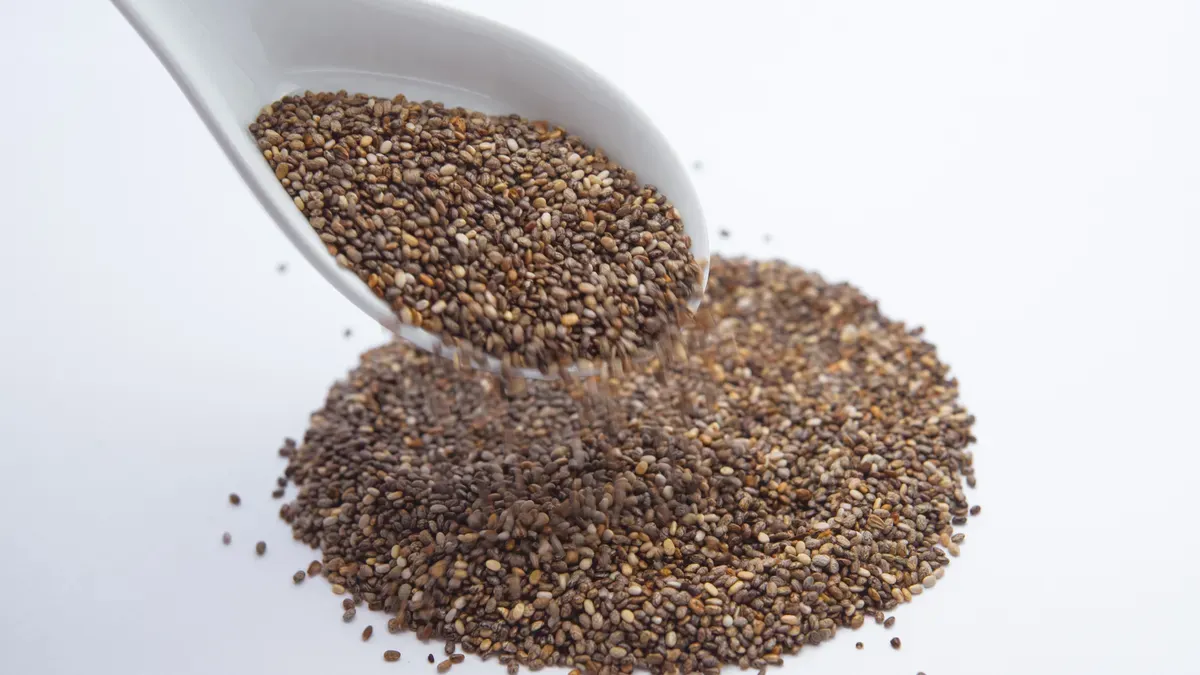
Gelatin manufacturers define mesh size by counting the sieve openings per linear inch. A higher mesh number indicates a finer gelatin powder. Industrial food and pharmaceutical processors select specific particle sizes to control hydration speed, solution clarity, and processing efficiency.
Hydration Rates and Dissolution Dynamics
Particle size directly governs total surface area contact with liquid solvents. Very fine powders, such as 60 mesh gelatin, provide a large surface area that accelerates dissolution rates. In warm water processing at 50–60°C, fine particles melt rapidly while coarser particles dissolve more slowly.
Gelatin mesh grades display distinct hydration kinetics during cold water soaking:
Fine mesh (40–60 mesh): Hydrates rapidly in about 5–10 minutes.
Medium-grade mesh (20 mesh): Hydrates moderately in roughly 15–20 minutes.
Coarse mesh (8–10 mesh): Hydrates slowly, requiring 30–60 minutes.
However, fine powders create unique processing challenges on commercial lines. Very fine gelatin particles easily form stubborn lumps with wet exteriors and dry interiors unless workers handle them properly. Formulators prevent this clumping by pre-blending gelatin with dry ingredients or using high-shear mixing equipment.
Bulk Handling and Dust Mitigation
Mesh size selection alters bulk material flow properties across industrial conveyor systems. Coarse particles, such as 20 mesh medium-grade powder, move smoothly through hopper throats without forming internal bridges. This reliable flow ensures consistent dosage weights during high-speed automated batching operations.
Finer powders increase airborne dust hazards inside large manufacturing facilities. Airborne gelatin dust reduces air safety for factory workers and increases equipment cleaning frequency. Operations managers frequently select 20 mesh gelatin powder because it balances fast hydration speeds against minimal dust creation.
Furthermore, particle size affects pneumatic transport efficiency across closed factory piping network systems. Coarser granules resist atmospheric moisture absorption during extended storage, preventing premature particle caking inside bulk storage silos. Plant engineers optimize particle dimensions to maintain consistent material delivery across continuous production lines.
Application Specifications Matrix
Confectionery and Dairy Stabilization
Gelatin selection shapes the elasticity, chewiness, and overall firmness of sweet food products. Food processors select specific Bloom strength bands to target distinct structural textures. Precise viscosity matching ensures stable depositor performance without tailing or stringing across automated confectionery production lines.
Application | Bloom (g) | Viscosity (mPa·s) |
|---|---|---|
Chewy gummy candy | 220–250 | ≥ 3.0 |
Marshmallow | 220–240 | ≥ 3.2 |
Cream/Yogurt layer | 150–180 | Not specified |
Classic gummy bear formulations rely on a 6%–8% gelatin concentration to achieve an elastic chew. Higher Bloom values above 250 g yield much firmer gel structures. Medium Bloom values between 150–180 g stabilize delicate cream and yogurt layers effectively. Gelatin strengthens the three-dimensional casein network in dairy matrixes by connecting protein aggregates. In low-fat stirred yogurt formulations, a 0.4% tilapia skin gelatin concentration completely prevents whey separation. Gelatin immobilizes water within its macromolecular structure, reducing syneresis during storage at 4°C.
Pharmaceutical Capsule Manufacturing
Formulators manage gelatin bloom strength viscosity parameters to meet strict pharmaceutical production standards. Hard gelatin capsule manufacturing typically requires 200–250 g Bloom gelatin. Softgel capsule formulations utilize 150–200 g Bloom gelatin to maintain flexible shell walls. Softgel production processes depend on exact viscosity adjustments before rotary encapsulation. Technicians add purified water to adjust shell mixture viscosity, establishing smooth material flow onto cooled casting drums. Real-time viscosity monitoring prevents non-uniform shell ribbons during continuous manufacturing operations.
Rotary die machinery casts two continuous gelatin ribbons to form, fill, and seal softgels simultaneously. Machine operators closely control the ribbon thickness within a standard range of 0.4–0.8 mm. Gelatin viscosity directly governs the flow rate and thickness of these cast ribbons. Proper viscosity control prevents shell wall variations and eliminates seal leakage caused by excessive fill injection pressure. Precise physical specifications maintain strict dimensional uniformity across automated pharmaceutical capsule production lines.
Quality Assurance and Beyond Collagen Solutions
Analytical Testing and Regulatory Compliance
Quality control teams systematically verify every commercial production batch through standardized laboratory testing methods. Lab technicians perform mechanical firmness tests following GB/T 6783 analytical protocols to evaluate gel strength. A specification target of 220 ± 15 Bloom achieves an exact analytical test result of 223 Bloom. Testing protocols also measure pH levels in a 1% solution following USP standard guidelines. This specific testing procedure maintains chemical parameters within a 5.0 to 7.0 pH range, yielding a balanced 5.8 test result.
Particle size distribution tests confirm physical powder consistency across processing lots according to USP guidelines. The analytical standard requires 95% of the gelatin powder to pass through an 80 mesh sieve during particle measurement. Global processing facilities maintain operations under ISO 9001 quality management systems and ISO 22000 food safety standards. Manufacturing plants implement systematic HACCP controls and enforce strict GMP rules to maintain pharmaceutical-grade production environments.
Customized Gelatin Powder Sourcing
Beyond Collagen offers premium Edible Gelatin derived from fully traceable bovine, porcine, and fish raw material sources. Food and nutraceutical manufacturers select fish gelatin as a high-quality mammalian alternative for targeted dietary market segments. Advanced multi-stage purification processes produce finished gelatin powders with high physical clarity. This specialized refining process establishes a neutral taste and odor profile, which reduces costly masking agent requirements in delicate food and pharmaceutical formulations.
Industrial formulators adjust gelatin bloom strength viscosity parameters to optimize continuous processing lines. Beyond Collagen provides customizable Bloom values, specific viscosity options, and versatile mesh sizes to meet strict technical specifications. Global supplier certifications include Halal approval from recognized authorities like IFANCA, MUI, and JAKIM, alongside Kosher compliance and FDA compliance. Complete batch documentation guarantees full raw material traceability across global supply networks.
Precise control over gelatin bloom strength viscosity parameters directly optimizes industrial processing workflows. Standardizing particle mesh sizes eliminates severe dust hazards and shortens continuous dissolution cycles. These exact technical adjustments guarantee complete batch consistency across global food, beverage, and pharmaceutical production lines.
Beyond Collagen supplies high-purity edible gelatin products with fully customized physical properties. Traceable bovine, porcine, and fish raw materials satisfy global regulatory standards, including Halal, Kosher, and ISO certifications. Processing engineers rely on these tailored specification options to stabilize complex formulations reliably. Procurement managers and technical product developers should contact Beyond Collagen today to request customized physical specifications and bulk samples.
FAQ
What is gelatin Bloom strength?
Bloom strength measures the mechanical firmness of a gelatin gel. Lab technicians record the weight in grams required to depress a standard 0.5-inch plunger 4 millimeters into a 6.67% gelatin solution after cooling at 10 °C for 16 to 18 hours according to ISO 9665 standards.
How does mesh size affect gelatin dissolution?
Mesh size determines particle size and surface area. Fine particles like 60 mesh dissolve quickly in warm water. However, coarse particles like 20 mesh prevent airborne dust in processing plants and flow easily through bulk hoppers during automated manufacturing operations.
What is the difference between Type A and Type B gelatin?
Acid processing produces Type A gelatin, whereas alkaline processing yields Type B gelatin. Type A gelatin carries a higher isoelectric point around pH 7 to 9. Type B gelatin features a lower isoelectric point around pH 4.7 to 5.5 and provides higher solution viscosity.
What quality certifications does Beyond Collagen offer for Edible Gelatin?
Beyond Collagen supplies Edible Gelatin derived from traceable bovine, porcine, and fish sources. The manufacturing facilities maintain ISO quality management standards. Products carry official Halal and Kosher certifications to meet international regulatory requirements across global markets.