Discovering Beef Gelatin Powder and the Steps Behind Its Making
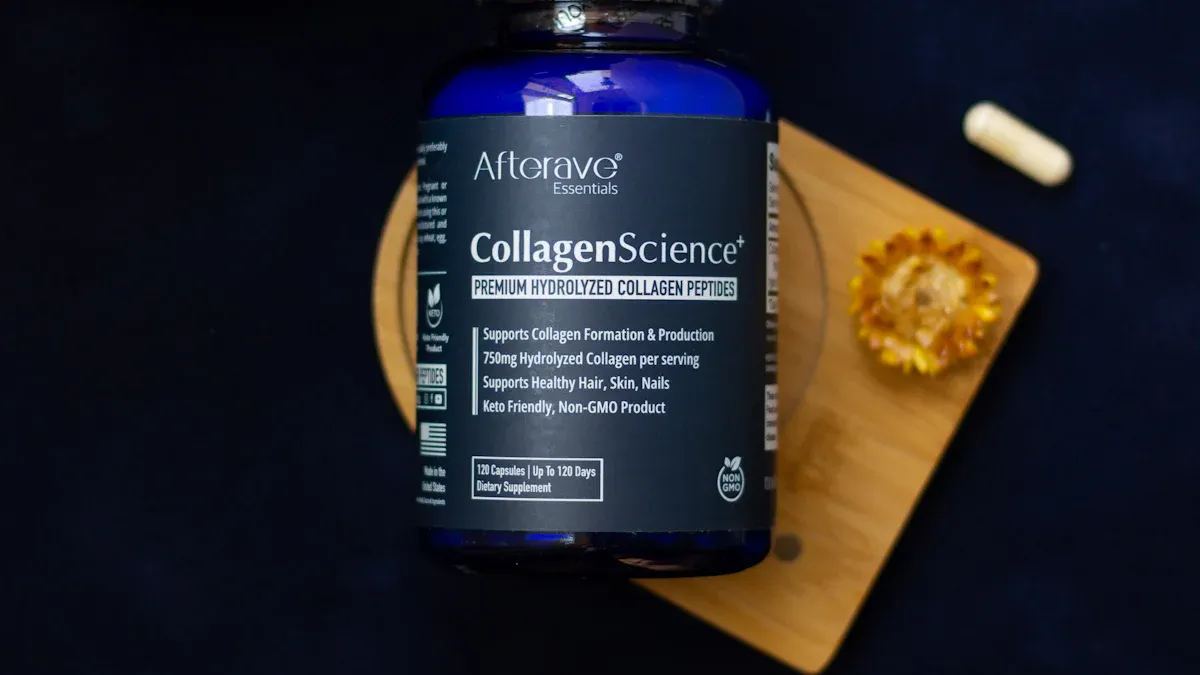
You find gelatin beef powder in many foods you enjoy. This powder comes from collagen in beef bones and hides. The food and beverage industry uses most of it. You might wonder how it compares to other gelatin types. Check out this table:
| Gelatin Type | Melting Point (°C) | Solubility Characteristics | Flavor Characteristics |
|---|---|---|---|
| Bovine | 108 | Higher solubility rate due to lower crystallinity and increased flexibility | Bold and robust flavor, suitable for hearty savory dishes. |
| Fish | 118 | Higher solubility rate due to lower crystallinity and increased flexibility | Slightly fishy odor and flavor, often paired with seafood dishes. |
| Porcine | 110 | Lower solubility rate due to higher crystallinity and more ordered structure | Mild and neutral flavor, blends well with most foods. |
Many people believe myths about gelatin beef powder. For example, some think it does not come from animal products or that it has no nutritional value. In reality, it is high in protein and contains amino acids that support your body.
Key Takeaways
- Beef gelatin powder is a rich source of protein and amino acids, supporting tissue repair and joint health.
- Look for high-quality gelatin products that undergo third-party testing to ensure safety and transparency.
- Incorporate gelatin beef powder into your diet by adding it to smoothies, soups, or desserts for added texture and health benefits.
How Gelatin Beef Powder Is Made
Sourcing Collagen from Beef
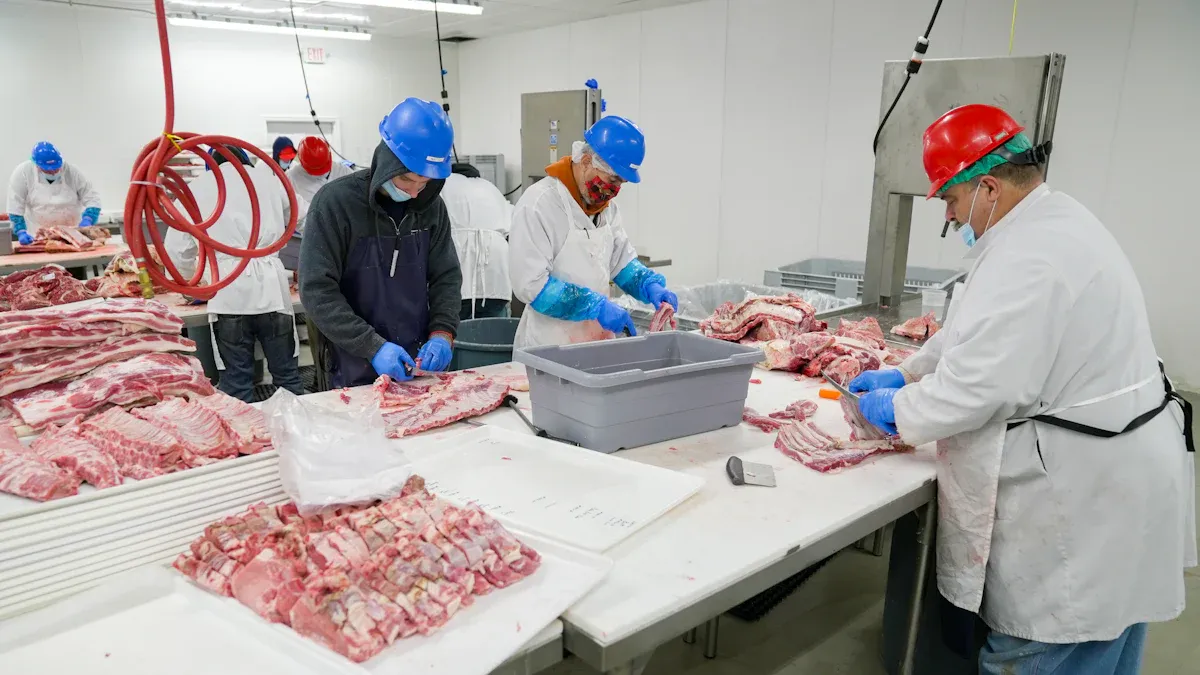
You start with the right source. Most manufacturers use bovine collagen, which comes from cows. They focus on cowhide because it contains types I and III collagen. This collagen gives gelatin beef powder its unique properties. The process uses a solvent-free, alkaline method. This method is safe from BSE (bovine spongiform encephalopathy) and does not use hormones, steroids, or allergens.
| Source of Collagen | Description |
|---|---|
| Bovine Collagen | Derived from cows, particularly from cowhide. Comprises types I and III collagen. |
| Manufacturing Process | Utilizes a solvent-free, alkaline method that is BSE safe and free from hormones, steroids, and allergens. |
Quality matters at every step. You should look for products that meet strict standards. Here are some important quality checks:
- Check for third-party testing to guarantee product safety.
- Engage with manufacturers to understand their quality practices.
Manufacturers also test for heavy metals and organic compliance.
| Quality Standard | Description |
|---|---|
| Heavy Metals Testing | Regular testing for heavy metals like mercury, lead, arsenic, and cadmium, ensuring safety. |
| Organic Compliance | All-natural, Non-GMO, with no synthetic additives, meeting high organic standards. |
Note: Reliable manufacturers provide detailed sourcing and production information. Compliance with health standards builds trust. About 70% of consumers care about transparency when buying gelatin beef powder.
Extraction and Boiling Process
You extract collagen by heating the beef hides. The process uses specific temperatures and times to get the best results. First, you heat the hides at 55–65°C for 6–8 hours. Then, you boil them at 60–70°C in several cycles. This step breaks down the collagen into gelatin.
| Process Step | Temperature (°C) | Duration |
|---|---|---|
| Initial heating | 55 - 65 | 6 - 8 hours |
| Subsequent boiling | 60 - 70 | Multiple cycles |
| Filtration | 60 | N/A |
| Concentration | 65 - 70 | Until thickened |
| Final drying | 50 | N/A |
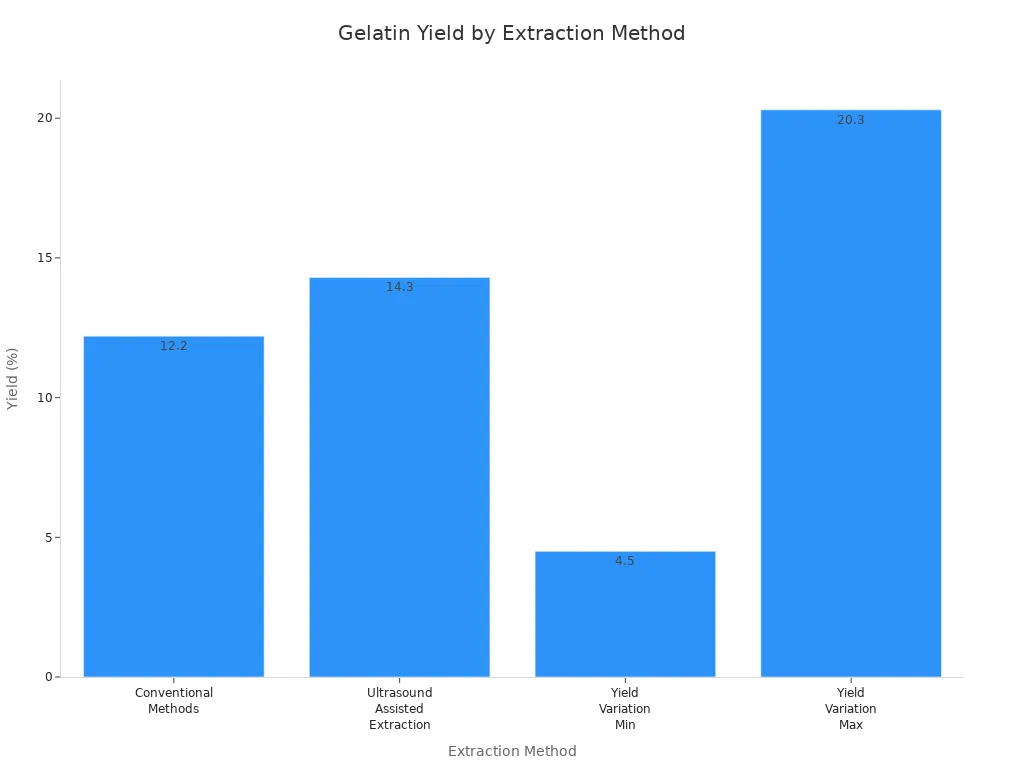
The extraction method affects how much gelatin you get and how pure it is. Advanced techniques, like ultrasound-assisted extraction, give you a higher yield and better quality than traditional methods. Factors such as temperature and pH also play a big role.
| Extraction Method | Yield (%) | Notes |
|---|---|---|
| Conventional Methods | 12.2 | Lower yield compared to advanced methods. |
| Ultrasound-Assisted Extraction (UAE) | 14.3 | Higher yield and better quality than conventional methods. |
| Variations in Yield | 4.5 - 20.3 | Yield varies significantly based on extraction conditions like temperature and pH. |
- Advanced extraction techniques improve yield and quality.
- Extraction temperature and pH are crucial for determining yield.
- Ultrasound-assisted extraction yields higher amounts of gelatin compared to conventional methods.
Purification and Filtration Steps
You need to remove impurities to make high-quality gelatin beef powder. Centrifugal separation works well for removing fat and solid particles. Ion exchange helps take out minerals and ions. Both methods make the final product stronger and thicker.
- Centrifugal separation removes fat and solid impurities.
- Ion exchange removes minerals and ions.
- These steps improve gel strength and viscosity.
Manufacturers often use disc bowl type centrifuges for efficient separation. This process can cause a protein loss of about 26%. Still, it ensures that the gelatin you get is clean and pure.
Concentration, Drying, and Powdering
After filtration, you concentrate the gelatin solution by heating it to 65–70°C until it thickens. Then, you dry the thickened gelatin at about 50°C. This step turns the gelatin into a solid form. You can then grind it into powder, granules, or sheets.
The drying process is important. It changes the gelatin extract into a stable powder that you can store and use easily. Manufacturers choose drying methods that keep the protein quality high.
Tip: Gelatin beef powder production uses animal by-products, which helps reduce waste. This process supports sustainability and does not need extra land or water. By-products from the process can become animal feed, fertilizer, or fuel.
Gelatin Beef Powder Nutrition and Health Benefits
Amino Acids and Protein Content
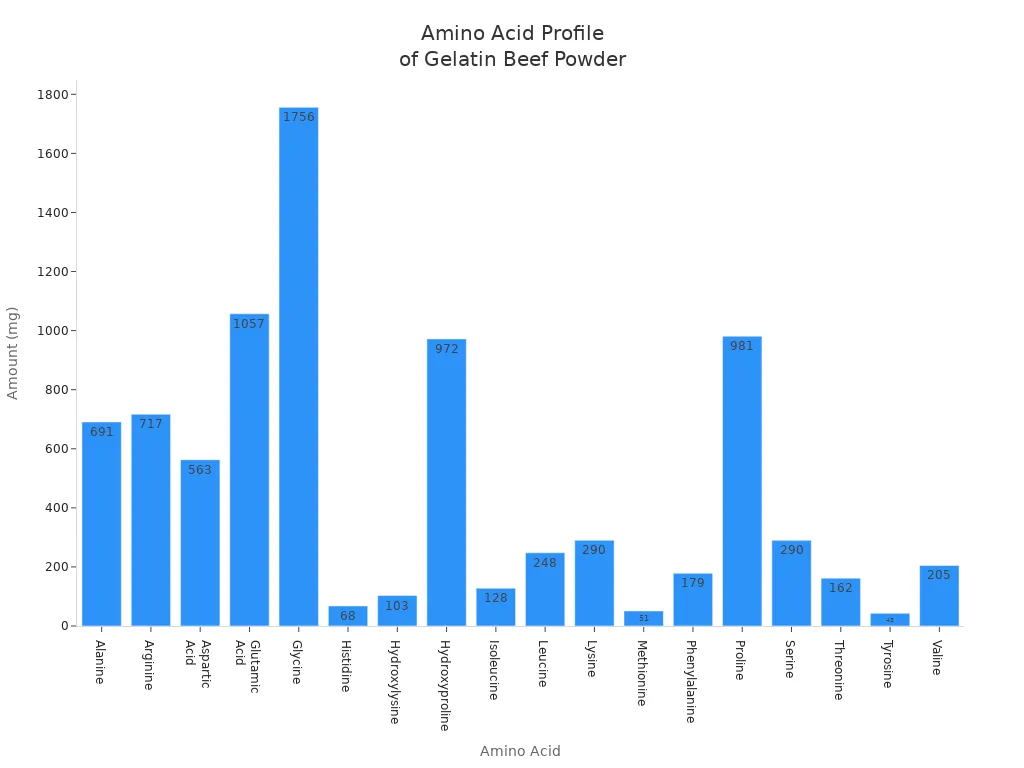
You get a rich source of amino acids when you use gelatin beef powder. Glycine and proline make up a large part of its profile. These amino acids help your body build proteins and support tissue repair. Check out the table below to see the typical amino acid amounts in gelatin beef powder:
| Amino Acid | Amount (mg) |
|---|---|
| Alanine | 691 |
| Arginine | 717 |
| Aspartic Acid | 563 |
| Glutamic Acid | 1,057 |
| Glycine | 1,756 |
| Histidine | 68 |
| Hydroxylysine | 103 |
| Hydroxyproline | 972 |
| Isoleucine | 128 |
| Leucine | 248 |
| Lysine | 290 |
| Methionine | 51 |
| Phenylalanine | 179 |
| Proline | 981 |
| Serine | 290 |
| Threonine | 162 |
| Tyrosine | 43 |
| Valine | 205 |
You also get a good amount of protein per serving. A 30-gram scoop provides about 25-30 grams of protein. Both gelatin and collagen offer around 12 grams of protein per serving.
Benefits for Joints, Skin, and Digestion
Gelatin beef powder supports your joints and skin. Studies show that people with osteoarthritis who took gelatin felt less pain and stiffness. Athletes who used gelatin reported less joint pain during activity and rest.
| Study Description | Findings |
|---|---|
| 80 people with osteoarthritis took gelatin or placebo for 70 days | Significant reduction in pain and joint stiffness in the gelatin group. |
| 97 athletes took gelatin or placebo for 24 weeks | Significant reduction in joint pain at rest and during activity in the gelatin group. |
| Review of studies on gelatin | Gelatin was superior to placebo for treating pain, but insufficient evidence to recommend for osteoarthritis. |
Gelatin comes from collagen, which helps maintain skin elasticity. Research suggests that hydrolyzed collagen can improve skin hydration and elasticity. Long-term use may lead to better results. Animal studies also show higher skin moisture levels after collagen peptide treatment.
Gelatin beef powder is easy to digest, but it has a low PDCAAS score. This means your body does not use all the protein as efficiently as it does with whey or milk protein.
Dietary Suitability and Allergen Information
You can use gelatin beef powder in many diets. It is gluten-free and does not contain common allergens like soy or dairy. Most allergic reactions happen with injections or vaccines, not with food.
Most reports of serious allergic reactions to gelatin implicate parenteral exposure, either to gelatin colloids used as plasma expanders or to gelatin-containing vaccines. Since 1999, 129 reports of anaphylaxis (including 2 deaths) have been associated with colloid use in Australia, with colloid the only suspected trigger in 58 cases. Both IgE-independent and -dependent mechanisms have been proposed to play a role in reactions to gelatin colloids. Evidence in favor of the former includes activation of kinin pathways and histamine release in healthy volunteers. That at least some reactions to gelatin colloids are IgE-mediated, however, is supported by the correlation between skin test reactivity and clinical reactions in this series as well as evidence of immunological cross-reactivity between gelatin and gelatin-derived colloids.
If you have concerns about allergies, you should check with your doctor before using gelatin beef powder.
Using Gelatin Beef Powder in Cooking and Wellness
Culinary Applications and Recipes
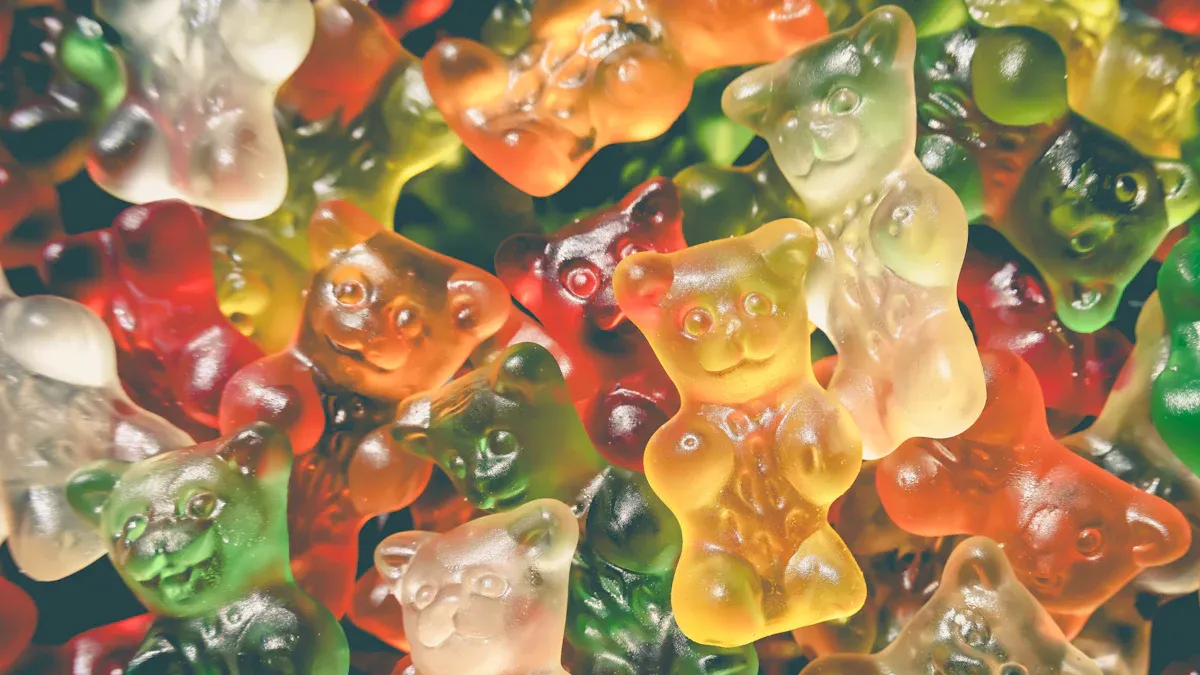
You can use gelatin beef powder in many recipes from around the world. It helps desserts and savory dishes hold their shape and stay smooth. Here is a table showing how different cuisines use this ingredient:
| Cuisine | Culinary Uses |
|---|---|
| General | Gelling agent in jellos, trifles, aspic, marshmallows, candy corn, and confections. |
| Chinese | Used in Shanghainese soup dumplings (xiaolongbao) and Shengjian mantou for a soupy interior. |
| Historical | Used in aspic to encase meats and vegetables, popularized in various regions over time. |
| Dairy | Increasing use in yogurt and other dairy products in China. |
People have enjoyed gelatin since ancient Egypt, especially in marshmallows. In France, it became popular again in the 1800s. Today, you find it in many treats like panna cotta, jiggly cakes, and even roasted marshmallows.
Tips for Incorporating Gelatin Beef Powder
You can improve the texture and stability of your dishes with gelatin beef powder. It creates a firm texture in desserts and adds stability to savory foods. Here are some tips to help you use it well:
- Sprinkle the powder evenly to avoid clumping.
- Always bloom gelatin in cold water before heating.
- Let it sit for the recommended time so it can absorb water.
- Use gentle heat and never boil, as high temperatures can weaken its structure.
- Balance acidic ingredients, since too much acid can stop it from gelling.
Tip: Gelatin acts as a stabilizer in whipped cream and yogurt, making them smooth and creamy.
Wellness Uses and Practical Advice
You can add gelatin beef powder to your daily routine for health benefits. Most nutrition experts suggest 1-2 tablespoons each day. Start with one tablespoon and see how your body feels. Mix it in cold water first, let it bloom, then add hot water to dissolve it fully. You can add it to smoothies, soups, or even coffee.
- Listen to your body and adjust the amount if needed.
- Combine it with a balanced diet that includes vegetables, proteins, and healthy fats.
- Talk to your doctor before making big changes to your diet.
Note: You can find gelatin beef powder in different sizes, and it often costs less than other protein supplements.
You gain more confidence as a consumer when you know how manufacturers make pure protein ingredients. The table below shows the main steps in the process. This knowledge helps you choose products that fit your health and cooking needs.
| Step | Description |
|---|---|
| 1 | Selection of raw material – bones and hides from slaughter cattle that meet sanitary and quality requirements are selected. |
| 2 | Cleaning and pre-preparation – the raw material is thoroughly washed, degreased and mechanically processed. |
| 3 | Collagen extraction – the material is subjected to acid or alkaline processes and then boiled under controlled conditions to extract the collagen. |
| 4 | Hydrolysis and purification – collagen is subjected to a hydrolysis process to produce gelatin with a certain gel strength. |
| 5 | Drying and molding – the extract obtained is dried and processed into powder, granule or sheet form. |
FAQ
Can you use beef gelatin powder in cold recipes?
You need to bloom gelatin in cold water first. After blooming, you can add it to cold recipes like mousse or no-bake cheesecake.
Is beef gelatin powder suitable for vegetarians?
You cannot use beef gelatin powder if you follow a vegetarian diet. It comes from animal sources.
How should you store beef gelatin powder?
- Keep gelatin powder in a cool, dry place.
- Seal the container tightly.
- Avoid moisture to prevent clumping.
See Also
Understanding Bovine Gelatin Powder: Composition And Production Process
10 Creative Methods To Incorporate Bovine Gelatin Into Dishes
The Production Process And Ingredients Of Edible Gelatin
Comparing Bovine Gelatin Powder With Fish And Pork Varieties