Future-Proofing Your Millet Processing with New Sorting Tech
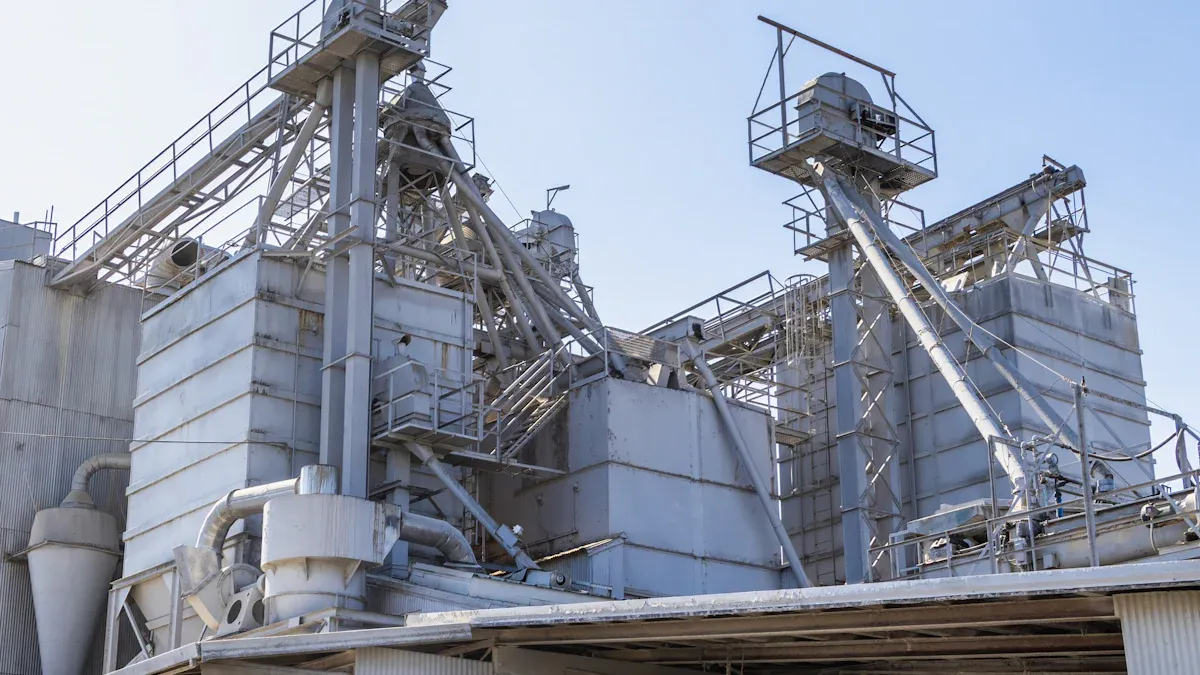
The global millet market's expansion presents a significant opportunity for processors. The industry's projected growth underscores the need for advanced operational capabilities.
| Metric | Value |
|---|---|
| Projected Market Size by 2032 | USD 14.45 billion |
| CAGR from 2026 to 2032 | 4.49% |
Processors secure a competitive edge by adopting AI-powered imaging and integrated robotics. Over 55% of food companies already integrate these automated systems. A strategic millets sorting solution is critical for achieving superior yield, meeting quality standards, and maximizing efficiency, ensuring market leadership.
Key Takeaways
- New sorting technology helps millet processors. It uses AI, special cameras, and robots. This makes processing better and faster.
- This technology helps businesses make more money. It improves how much good millet they get. It also makes the millet quality higher and lowers work costs.
- Processors should check their old systems. They can add new technology slowly. This helps their team learn and use the new tools well.
The Core Sorting Technologies for 2026
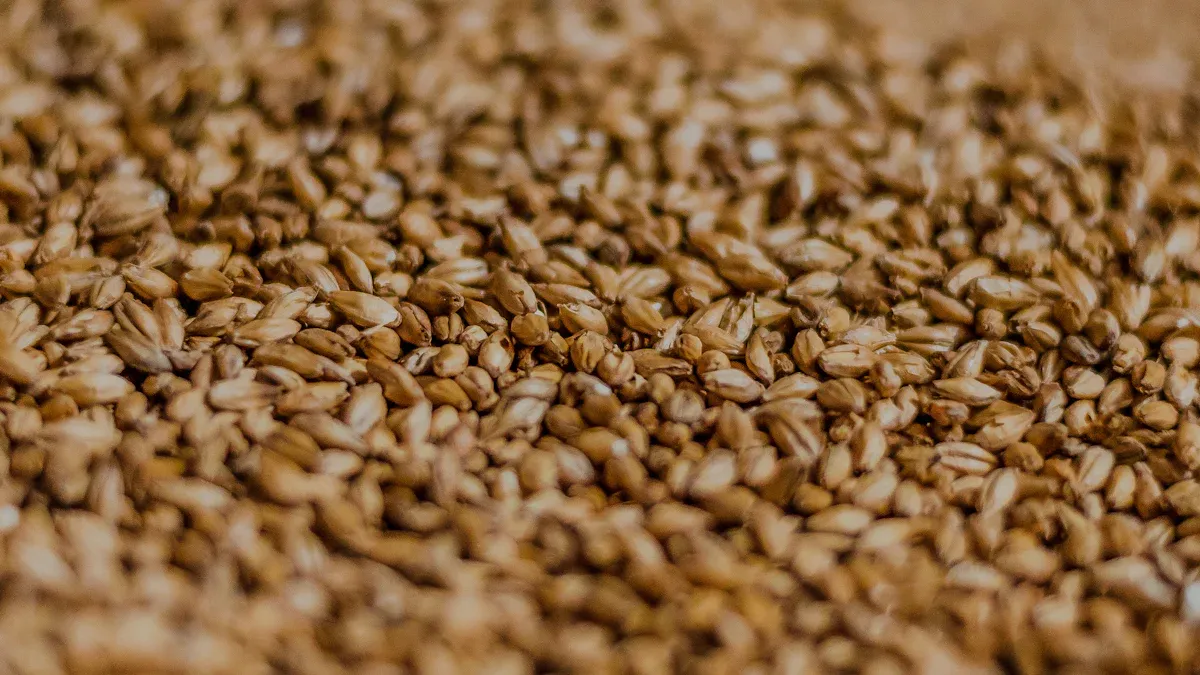
Processors aiming for market leadership must integrate a suite of advanced technologies. These systems work together to create a highly efficient, precise, and automated processing line. The foundation of a modern facility rests on three pillars: artificial intelligence, advanced imaging, and robotics.
AI and Machine Learning for Precision Sorting
Artificial intelligence (AI) and machine learning (ML) form the brain of a modern sorting system. These algorithms analyze visual data with superhuman speed and accuracy. They learn to identify perfect grains and distinguish them from defective ones. AI excels at detecting subtle imperfections that human inspectors often miss.
- Subtle dark spots on the surface
- Tiny holes invisible to the naked eye
- Minor color variations indicating spoilage
- Hidden internal damage causing only slight surface changes
AI models, such as lightweight YOLOv5 algorithms, deliver exceptional accuracy. Research shows that combining these models with a micro-scale detection layer and advanced processing techniques dramatically improves performance over older methods.
| AI Model Configuration | Average Detection Accuracy (%) |
|---|---|
| YOLOv5s-MobilenetV3 | 95.20% |
| YOLOv5s-MobilenetV3 + Micro-scale detection layer | 97.70% |
This level of precision significantly reduces missed detections and false positives. It moves operations beyond traditional methods like morphological identification and DNA marking, which are often laborious, subjective, and time-consuming. The application of ML in agriculture is well-established, with numerous studies demonstrating its effectiveness for quality evaluation in products from rice to almonds.
Multispectral and Hyperspectral Imaging
Advanced imaging technologies are the eyes of the AI-powered sorting system. They capture data far beyond the visible light spectrum. Multispectral imaging uses a few specific light bands to detect known defects, while hyperspectral imaging captures data across hundreds of continuous bands. This provides a complete spectral signature for each grain.
Note: Hyperspectral imaging provides a richer dataset, enabling the detection of chemical properties like moisture or fat content, not just visual defects. This makes it a more flexible and future-proof technology.
The choice between them involves a trade-off between complexity, cost, and capability.
| Feature | Multispectral Imaging | Hyperspectral Imaging |
|---|---|---|
| Spectral Bands | Fewer (3–12 discrete bands) | Many (100+ continuous bands) |
| Data Volume | Lower (MBs) | Very High (GBs to TBs) |
| Processing | Simpler, faster | Complex, requires advanced algorithms |
| Cost | Lower | Higher |
| Application | Color, shape, and known defects | Chemical composition, moisture, foreign material |
Commercial-grade systems are already proven in industrial settings. For example, the Specim SWIR push-broom hyperspectral camera has been used for real-time, inline production scanning of grain and other food products for over a decade. This technology is ready for widespread adoption.
Robotics for Automated Handling
Robotics provide the hands for the automated sorting process. After the AI and imaging systems identify a defective grain, a robotic system physically removes it from the production line. This is typically achieved using precise jets of compressed air or high-speed mechanical diverters. This integration creates a complete and autonomous millets sorting solution.
These systems operate at incredible speeds, handling massive volumes with consistent accuracy. Robotic sorting lines can achieve throughputs ranging from 6.5 tons per hour to over 30 tons per hour, depending on the material and system configuration. This level of automation eliminates the bottlenecks and inconsistencies associated with manual sorting, allowing for continuous, 24/7 operation. The result is a dramatic increase in processing capacity and operational efficiency.
Translating Advanced Tech into Business ROI

Investing in advanced technology is not just about modernization; it is about generating a clear and substantial return on investment (ROI). AI-driven sorters and robotic systems directly impact a processor's bottom line. They improve key performance indicators across yield, quality, and operational costs.
Maximize Yield and Reduce Product Loss
Every grain unnecessarily discarded is lost revenue. Traditional sorting methods often struggle with precision, leading to high rates of false rejects where good grains are removed along with defective ones. Advanced sorting technology directly addresses this challenge.
AI-powered imaging systems identify defects with surgical accuracy. This precision minimizes the rejection of perfectly good millet. Processors using these systems report significant reductions in product loss, sometimes as high as 25% compared to older methods. This improved recovery of good product from the sorting stream directly translates to higher saleable yield from the same amount of raw input. Maximizing yield is one of the fastest ways a new millets sorting solution pays for itself.
Enhance Quality for Premium Market Access
Superior quality unlocks access to high-value markets with stricter standards. Consumers and international buyers demand products free from defects, foreign materials, and harmful contaminants. Advanced sorting is essential for meeting these expectations.
The technology excels at removing not just visible defects but also food safety hazards like mycotoxins. Mycotoxins, such as aflatoxin (AFT), often concentrate in damaged or discolored kernels. Advanced sorters are the primary defense. Systems using Hyperspectral Imaging (HSI) and specialized lighting can detect and remove these contaminated grains in real-time. Validation trials show these sorters can achieve an 85–90% reduction in AFT while processing up to 15 tons of grain per hour. As expert Matthias Graeber of Bühler notes, removing mycotoxins early in the value chain is crucial for food safety.
Meeting these safety levels is a non-negotiable requirement for export.
For export trade, millets must comply with the residual limits for heavy metals, pesticides, and other food safety requirements as stipulated by the Codex Alimentarius Commission or the importing country's regulations.
By ensuring compliance, processors can confidently enter premium domestic and international markets, commanding higher prices and building a reputation for quality and safety.
Boost Efficiency and Lower Labor Costs
Automation is a powerful driver of operational efficiency. Integrating robotics and AI-powered sorting creates a streamlined process that runs faster and more consistently than any manual operation. This transformation has a profound impact on labor and energy costs.
Automated systems reduce the need for manual sorting and handling. This change can lower direct labor requirements by 40-60%. In some pick-and-pack applications, robotics can cut labor costs by as much as 70%. This allows companies to reallocate their workforce to more value-added tasks, mitigating the impact of labor shortages and rising wages.
Modern systems also offer significant energy savings. The advanced algorithms that power these sorters are far more efficient than the brute-force processing of older technologies. Newer machine learning techniques are delivering major gains in energy efficiency, with some systems showing a 40% improvement over previous record-holders. This efficiency is evident in the core sorting algorithms themselves.
| Algorithm | Energy Consumption (Joules) |
|---|---|
| Merge Sort (Efficient) | 89.09 |
| Insertion Sort (Less Efficient) | 10176.86 |
| Bubble Sort (Inefficient) | 31737.32 |
A modern millets sorting solution reduces waste, enhances quality, and lowers operational costs. This three-pronged benefit provides a compelling business case for strategic investment.
Finding the Right Millets Sorting Solution
Selecting the ideal technology requires a strategic approach that aligns with a processor's specific operational needs and business goals. A successful implementation begins with a thorough internal assessment and a clear, manageable plan.
Assessing Your Current Sorting Capabilities
Processors must first conduct a comprehensive audit of their existing systems. This analysis identifies critical gaps and justifies future investment. Key indicators that signal a need for an upgrade include:
- Outdated Interfaces: Systems with limited data accessibility hinder real-time collaboration and remote management.
- Compliance Hurdles: Difficulty in generating reports for food safety or regulatory standards points to inefficient processes.
- Reactive Maintenance: A lack of predictive capabilities means equipment failures cause unexpected and costly downtime.
A detailed audit provides the baseline data needed to define the requirements for a new millets sorting solution.
Planning a Phased Integration Strategy
Implementing new technology does not require a complete operational shutdown. A phased integration strategy allows processors to upgrade gradually, minimizing risk and managing resources effectively. This approach enables teams to build knowledge and refine the system based on early feedback.
A phased rollout often begins with a pilot program in a single department or for a specific function. This controlled test environment proves the technology's value before a company-wide expansion.
This method allows for a more manageable transition, ensuring the new millets sorting solution is customized to meet specific production needs without disrupting ongoing operations.
Integrating Data and Upskilling Your Team
Advanced technology demands a skilled workforce. Integrating a new system requires a parallel investment in training and data management. Employees need new competencies to operate and maintain sophisticated equipment. Essential training areas include:
- Mechatronics and PLC Programming for troubleshooting and system control.
- Robotics Operation for managing automated handling systems.
- Cybersecurity Protocols to protect sensitive operational data.
By upskilling the team and ensuring seamless data integration, processors can unlock the full potential of their technology investment.
Processors must invest in AI-driven sorters and automation to lead the 2026 millet market. Success in related sectors, like VALTRIS's AI robotic sorting initiative, demonstrates the technology's tangible impact. These systems directly improve yield, quality, and efficiency, future-proofing operations.
A strategic analysis of current technology gaps is the first step toward building a resilient and profitable processing facility.
FAQ
What is the typical ROI for a new millets sorting solution?
Return on investment varies by operational scale. Processors often achieve returns in 18-24 months from increased yield, lower labor costs, and access to premium markets.
How difficult is it to integrate these new technologies?
A phased integration strategy simplifies the process. It allows teams to adapt gradually. This approach minimizes operational disruption and ensures a smooth transition to the new system.
Can this technology sort different types of millets?
Yes. AI models are highly adaptable. They can be trained to recognize the unique characteristics of various millet types, ensuring precise sorting for different product lines.
See Also
Essential Industrial Checkweighers: A Must-Have for Food Processing Plants
Key Capsule Checkweighers for Smart Buyers to Evaluate in 2025
Capsule Sorters: Crucial for Effective Defect Elimination in Production
Innovative Folder Gluer Features Shaping 2025 Carton Production Lines
Achieving Optimal Results with Steel Processing for Heat Exchange Applications