The Future of Commercial Wastewater Treatment Technology in 2026
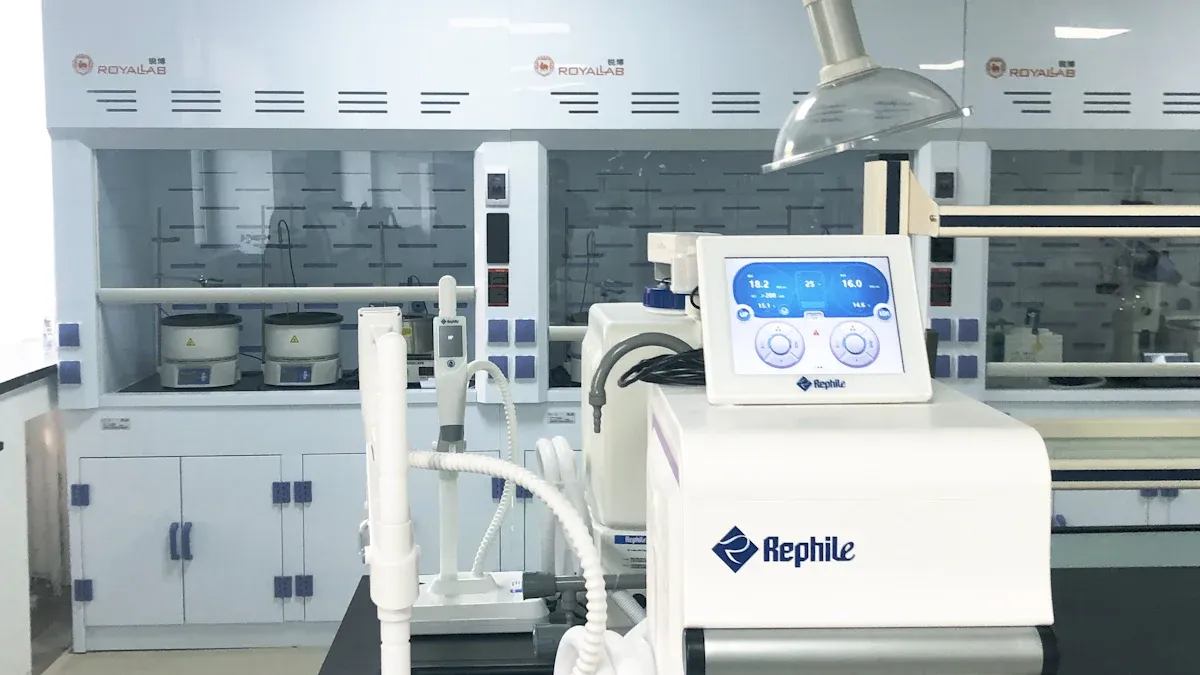
By 2026, commercial wastewater treatment will integrate AI-driven operations, advanced oxidation, and water reuse systems.
Key drivers include stricter environmental regulations, rising operational costs, and corporate sustainability commitments.
Adopting this new commercial wastewater treatment equipment is essential for achieving compliance and industrial efficiency.
Key Takeaways
- New wastewater treatment will use smart technology, advanced cleaning methods, and water recycling by 2026.
- Companies will use these new methods to follow rules, save money, and help the environment.
- These changes will make businesses stronger and better for the planet.
Trend 1: Advanced Oxidation and Disinfection Processes (AOPs)
Advanced Oxidation Processes (AOPs) are becoming a cornerstone of modern wastewater treatment. These powerful methods destroy complex and harmful contaminants that traditional systems cannot remove. Facilities are adopting AOPs to comply with new environmental rules and protect public health.
Targeting Persistent Pollutants
Many industrial processes release persistent pollutants like pharmaceuticals and pesticides into wastewater. These micropollutants resist conventional biological treatment. AOPs offer an effective solution. They are often applied as a tertiary treatment step after biological processes. These technologies break down micropollutants by reducing the total amount of effluent organic matter. The degradation of these stubborn compounds is a beneficial side effect of this primary mechanism.
Meeting Stricter Disinfection Standards
Regulators now demand higher levels of disinfection to protect receiving water bodies. AOPs like ozonation and UV treatment meet these tough standards without using large amounts of traditional chemicals. Each technology has unique operational considerations.
| Feature | UV Disinfection | Ozone Disinfection |
|---|---|---|
| Operating Costs | Lower; main cost is energy | Eliminates chemical handling costs |
| Maintenance | Minimal; lamp replacement | More complex; requires equipment checks |
| Byproducts | Few harmful byproducts | Can produce byproducts if not managed |
| Synergy | Combines with H₂O₂ for powerful oxidation | Works with UV to break down organics |
Key AOP Technologies
Several AOP technologies are gaining traction. The solar photo-Fenton process is a notable green and economical alternative. It uses natural sunlight and catalyzed hydrogen peroxide to treat difficult industrial wastewater. Recent advancements include:
- Integrated systems combining photo-Fenton with conventional processes.
- Innovative collectors that enhance solar radiation absorption.
- Development of models to predict pollutant removal efficiency.
These innovations make AOPs a more accessible and effective tool for commercial facilities.
Trend 2: Widespread Adoption of Water Recycling and Reuse
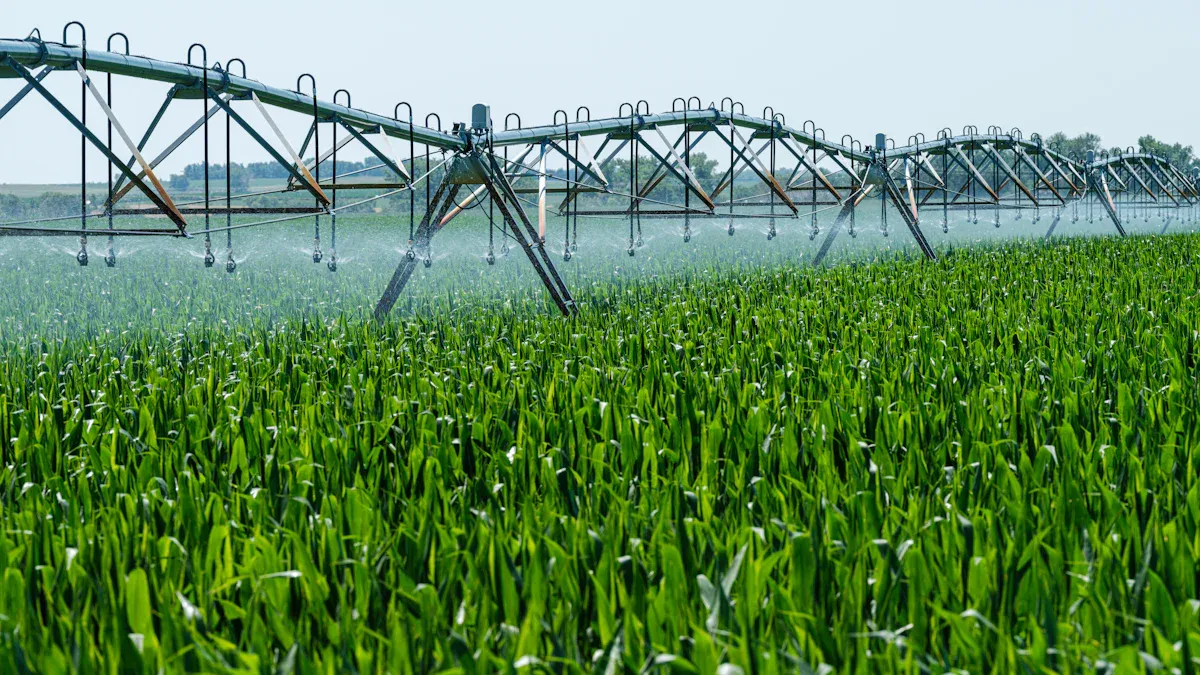
Water recycling is shifting from a niche practice to a standard operational strategy. By 2026, more commercial facilities will treat and reuse their wastewater on-site. This move helps them secure a reliable water supply and reduce operational costs.
The Push for Zero Liquid Discharge (ZLD)
Zero Liquid Discharge (ZLD) is the ultimate goal for many facilities. This approach eliminates all liquid waste from a site. Advanced treatment systems recover nearly all wastewater for reuse within the plant.
ZLD systems turn wastewater from a liability into a valuable asset. They offer a closed-loop solution that ensures operational resilience against water shortages and strict discharge limits.
Achieving ZLD minimizes environmental impact and removes the risk of non-compliance penalties.
Key Industries Driving Adoption
Industries with high water consumption are leading the adoption of reuse technologies. These include manufacturing, data centers, and food and beverage processing. The food and beverage sector provides a strong example of this shift. A large potato processor in Canada implemented a comprehensive reuse system to support its expansion.
- Technology: The system uses a Membrane Bioreactor (MBR), Granular Activated Carbon (GAC), and Reverse Osmosis (RO).
- Capacity: It treats 1.58 million gallons of wastewater daily.
- Recovery Rate: The facility achieves a wastewater recovery rate of over 97.5%.
- Benefit: This project set a new sustainability benchmark while ensuring the plant had enough water for growth.
Primary Drivers: Cost, Scarcity, and ESG
Three main factors are accelerating the move toward water reuse. The first is cost savings. Reducing freshwater intake and wastewater discharge fees directly lowers utility expenses. The second is water scarcity. Many regions face water stress, making on-site recycling a crucial strategy for business continuity. Finally, Environmental, Social, and Governance (ESG) goals are a powerful motivator. 💧 Companies use water reuse to demonstrate their commitment to sustainability, improving their brand reputation and attracting investors.
Trend 3: The Shift to Sustainable and Green Chemistry
The wastewater treatment industry is moving toward sustainable chemistry. This shift prioritizes environmentally friendly chemicals over harsh, traditional ones. Green chemistry helps facilities meet regulatory demands and corporate sustainability goals.
Demand for Low-Toxicity Solutions
Companies now demand treatment solutions with low environmental toxicity. This has increased the use of bio-based and biodegradable chemicals. These green alternatives are derived from natural, renewable sources. Common examples include:
- Chitosan
- Starch
- Cellulose
- Plant extracts from rice, wheat, and beans
Moringa oleifera seed powder is a powerful bio-coagulant. It effectively treats wastewater by reducing turbidity, solids, and hardness. Studies show Moringa oleifera coagulant can lower turbidity in industrial effluent by 80–90%, proving its value as a green alternative.
Reducing the Carbon Footprint
Green chemistry also helps lower the carbon footprint of wastewater operations. Traditional chemical manufacturing is often energy-intensive. Bio-based chemicals typically require less energy to produce. Their use reduces a facility's overall greenhouse gas emissions.
Adopting green chemistry is a direct action toward decarbonization. It aligns a facility’s operational practices with broader climate objectives and enhances its environmental profile.
Aligning with Circular Economy Principles
Sustainable chemistry supports the principles of a circular economy. It focuses on using renewable resources and minimizing waste. Many bio-based coagulants are derived from agricultural byproducts, turning waste into a valuable resource. This approach closes the loop, reduces reliance on finite materials, and creates a more resilient and sustainable treatment model. ♻️
Trend 4: Digitalization and AI-Powered Operations
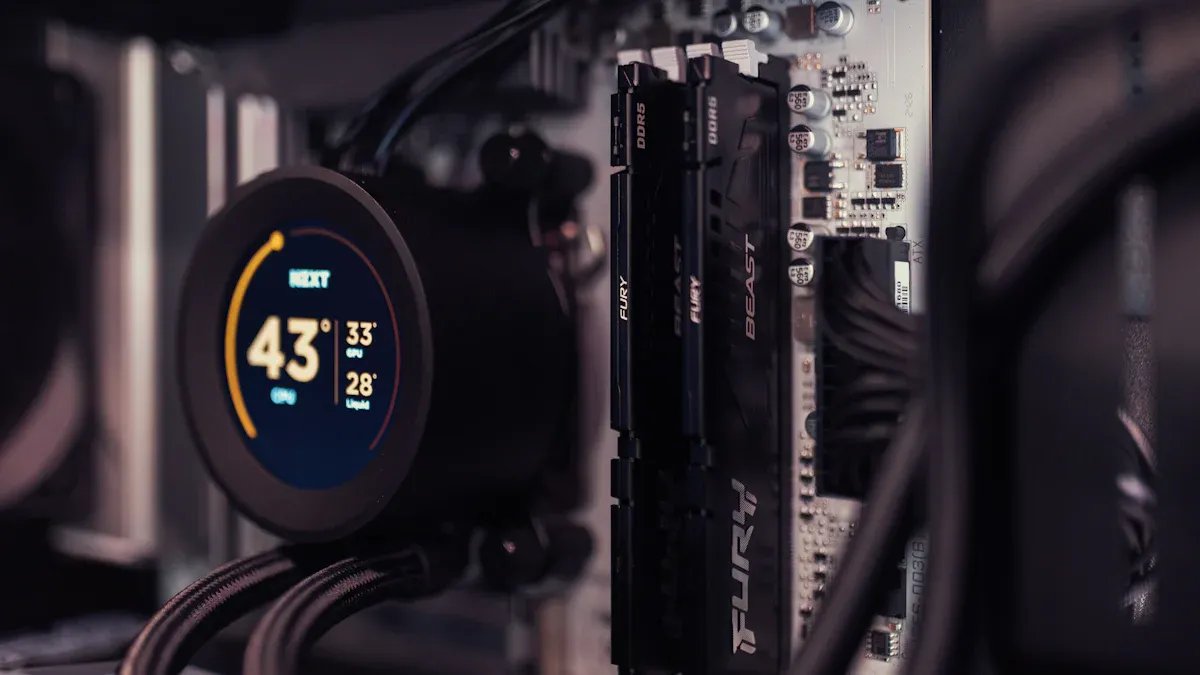
Digitalization is revolutionizing wastewater management. By 2026, AI and the Internet of Things (IoT) will be standard in commercial wastewater treatment equipment. These technologies convert raw data into actionable insights, improving efficiency and reliability.
Smart Monitoring and Predictive Maintenance
Smart sensors are the foundation of digital operations. They provide continuous, real-time data on critical water quality parameters. This constant monitoring allows operators to respond instantly to changing conditions.
- BOD/COD sensors offer immediate measurements, unlike slow traditional lab tests.
- They are cost-effective and require minimal maintenance.
- Their use enables more comprehensive monitoring of water quality.
AI systems analyze this data to predict equipment failures before they happen. This predictive maintenance approach prevents costly downtime and extends the lifespan of assets. AI-enabled IoT systems can also reduce non-revenue water loss by up to 50%.
Optimizing Chemical Dosing and Energy Use
AI algorithms optimize the use of resources like chemicals and energy. This leads to significant cost savings and a smaller environmental footprint. The market is rapidly adopting these digital tools.
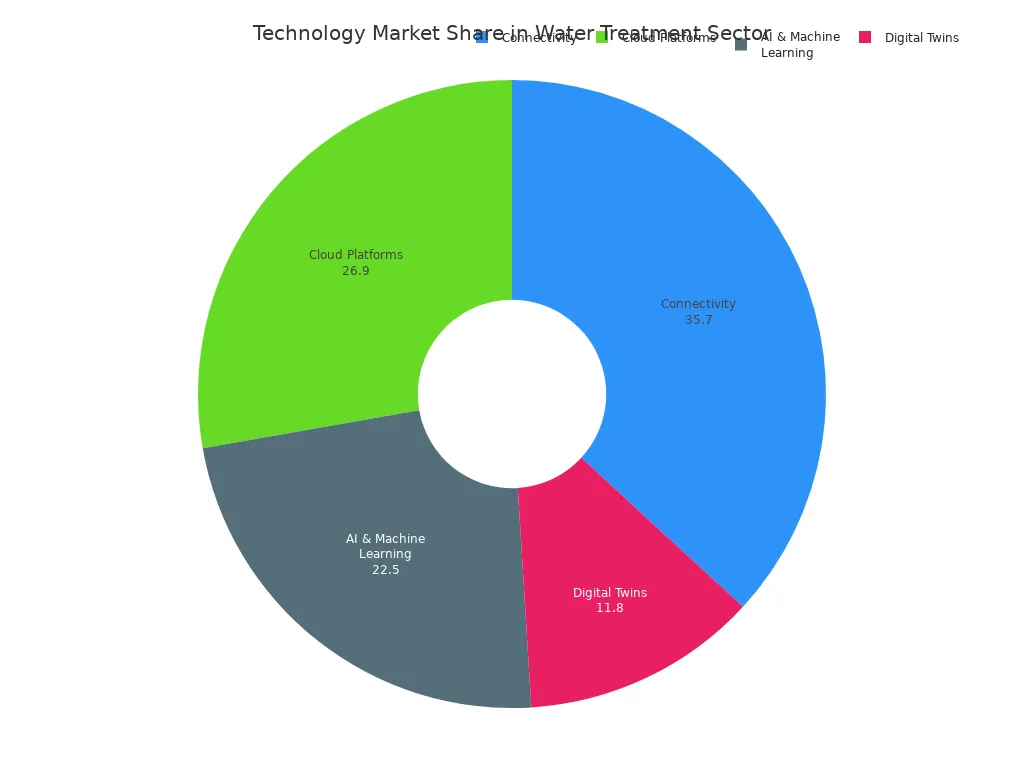
Smart dosing systems use real-time sensor feedback to deliver the precise amount of chemicals needed.
“Smart chemical dosing is about delivering the right amount at the right time. By automating chemical feed with AI and real-time monitoring, we help businesses prevent overdosing, reduce costs, and enhance system performance.” —Greg Tankersley, President of Becker Engineered Systems
This data-driven approach eliminates waste and ensures consistent treatment results.
Enhancing Operational Intelligence
Digitalization consolidates data into powerful operational intelligence platforms. These systems give managers a complete view of their commercial wastewater treatment equipment and processes. This enhanced visibility supports better, faster decision-making. AI-powered analytics can detect unusual patterns, identify inefficiencies, and automate compliance reporting. This creates an objective, data-rooted trail for quality assurance. Ultimately, operational intelligence empowers facilities to improve performance, ensure regulatory adherence, and drive continuous improvement.
Trend 5: Decentralized and Modular Commercial Wastewater Treatment Equipment
The shift toward decentralized systems is a major trend for 2026. Instead of relying on large, central plants, businesses are adopting on-site solutions. This market is experiencing significant growth, reflecting its increasing importance.
| Attribute | Detail |
|---|---|
| Forecast Period | 2025 - 2034 |
| Estimated Market Value (2025) | $25.09 Billion |
| Forecasted Market Value (2034) | $67.37 Billion |
| Compound Annual Growth Rate | 11.6% |
This strong growth highlights the value of localized treatment for modern industry.
Benefits of On-site Treatment
On-site treatment offers significant financial advantages. While initial plant costs can be higher, decentralized systems reduce or eliminate expensive sewer fees and long-term operational costs.
One study found that an optimized decentralized wastewater scheme was 40% cheaper than a fully centralized one.
This approach is especially beneficial for remote facilities, new developments, or sites in areas with overtaxed municipal infrastructure. It turns wastewater management from a utility expense into a controlled, on-site process.
Flexibility and Scalability
Modular commercial wastewater treatment equipment provides unmatched flexibility. These systems are built like building blocks, allowing businesses to adapt to changing needs. This scalability is crucial for industries with fluctuating production levels.
- Units can be added as production ramps up.
- Units can be removed if production rates decline.
This "plug-and-play" model allows facilities to invest in capacity only when needed. It avoids the high upfront cost of building a large system for future, uncertain demand.
Reducing Infrastructure Strain
Decentralized systems help relieve pressure on aging public sewer infrastructure. Many municipal treatment plants are overtaxed, leading to environmental risks like combined sewer overflows. By treating wastewater at the source, businesses reduce the volume sent to these strained systems. This responsible approach supports community infrastructure and environmental health. Investing in decentralized commercial wastewater treatment equipment is a proactive step toward operational resilience and sustainability. ⚙️
Trend 6: Enhanced Coagulation and Flocculation
Coagulation and flocculation remain fundamental processes in wastewater treatment. By 2026, innovations in chemical formulations will make these steps more efficient and sustainable. Enhanced chemicals are helping facilities manage tougher challenges while reducing operational costs.
Innovations in High-Efficiency Chemicals
The industry is adopting high-efficiency chemicals that outperform traditional options. These advanced coagulants effectively remove contaminants with lower doses. Poly-aluminum Chloride (PAC) is a popular choice. It changes the surface charge of solids, causing them to clump together for easier removal. Organic coagulants are also gaining traction for their environmental benefits.
- Synthetic Polymers: Products like polyamines and polyDADMAC are highly effective at removing suspended particles and oils.
- Natural Biopolymers: These are derived from plant sources like starch or chitosan and are biodegradable.
These modern chemicals are often used to reduce sludge, operate in sensitive environments, or optimize overall system performance.
Managing Higher Pollutant Loads
Industrial facilities often produce wastewater with high and variable pollutant loads. Modern coagulants are designed to handle these demanding conditions. Studies show that advanced chemicals like PAC perform well even in acidic water. Combining different types of coagulants is another effective strategy. For example, using a natural starch-based coagulant with PAC can successfully treat micro-polluted water while reducing the total amount of chemicals needed. This approach provides greater operational flexibility and more consistent results.
Reducing Sludge Volume and Disposal Costs
A major benefit of enhanced coagulation is a significant reduction in sludge production. Traditional chemicals often create large volumes of sludge, leading to high disposal costs. Advanced coagulants are more efficient, requiring smaller doses and generating less residual waste. Using recovered alum, for instance, can reduce sludge volume by over 35%. This directly lowers transportation and disposal fees, making the entire treatment process more economical and environmentally friendly. 📉
The future of wastewater treatment converges on digitalization, water reuse, and sustainable chemistry. Embracing these trends is vital for navigating regulations and securing a competitive advantage.
The global market for this technology is estimated to reach $74.21 billion in 2026.
Businesses that invest in modern commercial wastewater treatment equipment will lead in operational resilience and environmental stewardship.
FAQ
What is the main benefit of adopting these new wastewater technologies?
These technologies ensure regulatory compliance. They also reduce operational costs and help companies meet sustainability goals, providing a strong competitive advantage.
Are these advanced systems affordable for smaller businesses?
Yes. Modular and decentralized systems offer scalable solutions. Businesses can invest in capacity as needed, making modern treatment more accessible and cost-effective.