Sustainable Food Packaging Machine Trends Ahead
Sustainable engineering is redefining the modern food packaging machine. Key advancements now focus on a few core objectives that drive the industry forward. These innovations include:
- Reducing overall material consumption.
- Enabling the use of eco-friendly alternatives.
- Optimizing end-of-life recycling processes.
A sustainable food packaging machine empowers brands to meet strict regulatory demands. It also helps them satisfy consumer expectations for a circular economy. ♻️
Automation for Material Reduction and Minimalist Design
The principle "less is more" is a powerful driver in sustainable packaging. Automation directly supports this goal by enabling minimalist designs that consume fewer resources from the start. Advanced machinery achieves material reduction through unparalleled precision and efficiency.
Precision Forming and Sealing Machines
Modern forming and sealing machines create packages with exceptional accuracy. They use advanced sensors and controls to handle materials. This allows manufacturers to use thinner films and lighter-weight paper without compromising package integrity.
- Ultrasonic Sealing: This technology uses high-frequency vibrations to create strong seals. It requires less energy and material overlap compared to traditional heat sealing.
- Thermoforming Control: Precise temperature and pressure controls ensure consistent wall thickness. This process eliminates weak spots and reduces the need for overly thick materials.
A modern food packaging machine with precision capabilities minimizes scrap during production. This efficiency translates directly into lower material costs and a smaller environmental footprint.
Robotic Systems for Optimized Product Placement
Robotics introduces a new level of intelligence to the packaging line. Robotic arms with vision systems can pick and place items with incredible speed and accuracy. This capability is key to optimizing space within a package.
| Robotic Function | Sustainability Benefit |
|---|---|
| Compact Nesting | Robots arrange products tightly together. |
| Void Reduction | This eliminates the need for filler materials. |
| Smaller Footprint | It allows for smaller primary and secondary packaging. |
Optimized product placement means companies can design smaller, lighter packages. This not only saves material but also reduces weight for shipping, leading to lower fuel consumption and transportation emissions. 🚚
Machinery for Eco-Friendly and Alternative Materials
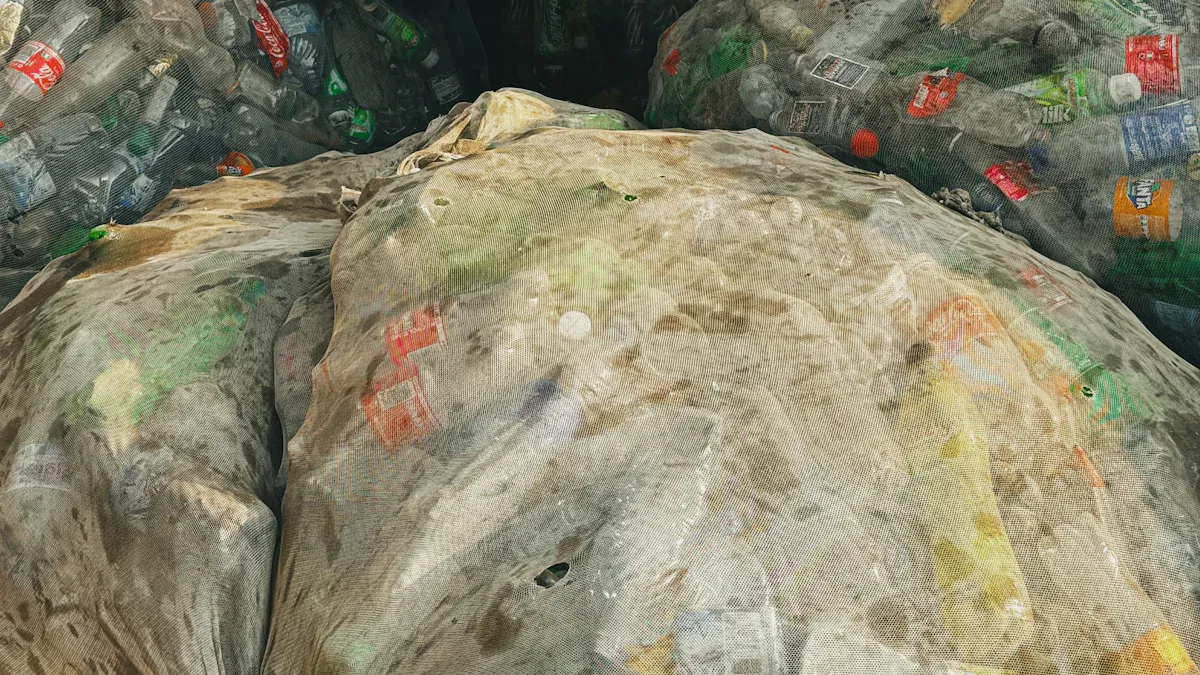
The shift away from conventional plastics requires machinery built to handle a new generation of sustainable materials. Many eco-friendly alternatives, like compostable films and paper-based solutions, behave differently than traditional plastics. This makes specialized equipment essential for successful implementation.
Adapting to Biodegradable and Compostable Films
Biodegradable and compostable films, often made from PLA (polylactic acid) or starch, present unique challenges. These materials can be more sensitive to heat and more brittle than their petroleum-based counterparts. A modern food packaging machine addresses these issues with advanced features.
- Gentle Film Handling: Specialized rollers and transport systems prevent tearing or stretching.
- Precise Temperature Control: Advanced sealing jaws maintain exact temperatures to create strong seals without melting or damaging the delicate film.
- Modified Atmosphere Packaging (MAP): Equipment can effectively apply MAP technology to these films, extending shelf life for fresh products.
This adaptability allows brands to adopt greener materials without sacrificing product safety or presentation quality. It is a critical step toward a circular economy. 🌱
Automating Paper-Based and Fiber Solutions
Paper and molded fiber are gaining popularity as renewable packaging options. Automation is key to forming, filling, and sealing these materials at scale. Machines now incorporate specific functions to manage the unique properties of fiber-based packaging.
| Machine Adaptation | Sustainability Impact |
|---|---|
| 3D Forming Technology | Creates custom trays and containers from flat paper stock. |
| Robotic Denesting | Separates stacked fiber trays without causing damage. |
| Advanced Sealing Units | Apply heat or adhesives to paper lids and films effectively. |
These automated systems ensure that paper-based packages are produced efficiently and with high structural integrity. This capability makes fiber a viable and competitive alternative to plastic for a wide range of food products.
Smart Technology for Enhanced Recyclability

Sustainable packaging design is only half the battle. The other half is ensuring the package can be properly recovered and recycled. Smart technology integrated into packaging machinery is revolutionizing this end-of-life process. It provides the data needed for accurate and efficient sorting at recycling facilities.
AI-Powered Vision Systems for Sorting
Artificial intelligence (AI) is giving recycling a major upgrade. AI-powered vision systems use high-speed cameras and machine learning algorithms. These systems identify and sort packaging materials with incredible speed and accuracy inside material recovery facilities (MRFs). This technology surpasses the limitations of traditional sorting methods.
- Material Identification: AI can distinguish between different types of plastics, such as PET, HDPE, and PP, even if they look similar.
- Contamination Detection: The system spots and removes non-recyclable items or food-contaminated packages from the recycling stream.
- Food-Grade Sorting: It can separate food-grade plastics from non-food-grade plastics, preserving the value of the recycled material.
This level of precision sorting increases the quantity and quality of recycled materials. It creates a cleaner feedstock for producing new packages, directly supporting a circular economy. 🤖
Digital Watermarks for Intelligent Recycling
Digital watermarks are a game-changing innovation for packaging. These are invisible codes, similar to a barcode, that cover the entire surface of a package. Packaging machines can easily apply these watermarks during the printing or labeling process. Specialized scanners at MRFs then read this code to access detailed information about the package.
The watermark provides specific data, including the manufacturer, the exact type of plastic, and whether it is food-grade. This allows for highly granular sorting that was previously impossible. For example, a facility can separate milk jugs from detergent bottles, even if both are made of HDPE. This intelligent sorting ensures that recycled materials are routed to the correct streams, maximizing their value and potential for reuse. ♻️
The Modern Food Packaging Machine: Energy Efficiency
A sustainable operation extends beyond materials to include energy consumption. Modern packaging machinery is engineered for maximum efficiency. This design focus reduces operational costs and lowers the overall carbon footprint of the production line. Manufacturers achieve these gains through advanced motor technology and intelligent control systems.
Servomotors and Reduced Energy Consumption
Many older packaging systems rely on pneumatic or mechanical components that run continuously. This constant operation wastes a significant amount of energy. A modern food packaging machine replaces these outdated systems with high-efficiency servomotors.
Servomotors consume power only when they perform a task. This on-demand energy use drastically cuts electricity consumption compared to systems that idle at high power. ⚡
These motors also offer superior precision and control. They accelerate and decelerate with incredible accuracy. This capability reduces mechanical stress and wear on machine parts, leading to lower maintenance costs and a longer equipment lifespan. The switch to servomotors provides both environmental and economic benefits.
Smart Controls for Lowering Carbon Footprint
Intelligent control systems act as the brain of an efficient packaging line. These systems use sensors and software to monitor the machine's status in real-time. They automatically adjust operations to optimize energy use without human intervention. This smart management is key to minimizing a facility's carbon footprint.
| Smart Control Feature | Carbon Footprint Impact |
|---|---|
| Automatic Standby Mode | Powers down non-essential parts during production gaps. |
| Optimized Heating Elements | Maintain precise temperatures to avoid energy waste. |
| Load-Sensing Analytics | Adjust motor power based on the immediate workload. |
These controls ensure the machine uses the absolute minimum energy required for each task. By integrating smart technology, companies can achieve significant energy savings, contributing to both their sustainability goals and their bottom line.
On-Demand and Modular Machine Systems
The modern food industry demands agility. On-demand and modular machine systems answer this need by replacing rigid, single-purpose production lines with highly adaptable solutions. This approach minimizes waste and maximizes resource efficiency, making it a cornerstone of sustainable manufacturing. These systems empower companies to produce exactly what they need, when they need it.
Flexible Machinery for Multiple Package Formats
Modular packaging machines offer incredible versatility. Manufacturers can quickly swap out components or reconfigure settings to handle different package sizes, shapes, and materials. A single line can pack stand-up pouches in the morning and switch to gusseted bags in the afternoon. This flexibility eliminates the need for multiple dedicated machines, saving factory floor space and capital investment.
This adaptability directly reduces waste. It minimizes material scrap during changeovers and prevents the overproduction of packaging that may become obsolete. 📦
This capability allows brands to test new package designs or run small-batch promotions without committing to a massive production run. It aligns production directly with market demand, creating a more responsive and sustainable operation.
On-Demand Packaging for E-commerce
E-commerce has created a new set of packaging challenges. Shipping individual orders often results in oversized boxes filled with plastic air pillows or other void-fill materials. On-demand packaging systems solve this problem by creating custom-fit secondary packaging for each unique order.
These machines measure the products and then automatically cut, fold, and seal a box to the exact required dimensions. This "right-sizing" process offers significant environmental and economic advantages.
| On-Demand Feature | Sustainability Benefit |
|---|---|
| Custom Box Creation | Eliminates the need for wasteful void-fill materials. |
| Material Optimization | Uses less corrugated material per shipment. |
| Reduced Shipping Volume | Allows more packages per truck, lowering transport emissions. |
This technology is essential for sustainable e-commerce fulfillment. It reduces material consumption and lowers the carbon footprint associated with shipping. 🚚
Investing in machinery for material reduction, alternative material handling, and smart recycling is a competitive necessity. These technologies directly address key business challenges, from regulatory compliance to brand perception. The future belongs to companies that integrate sustainable and intelligent automation into their core operations.
A modern food packaging machine empowers businesses to meet these demands. It positions them as leaders in a circular economy, securing a competitive advantage for years to come. 📈
FAQ
Why is energy efficiency important for a sustainable machine?
Energy-efficient machines lower a factory's carbon footprint. They use advanced servomotors and smart controls. This technology reduces electricity consumption and operational costs, making the entire production process more sustainable.
How do new machines handle eco-friendly materials?
Modern machines have specialized features for delicate materials. Gentle transport systems prevent film tearing. Precise temperature controls create strong seals on compostable films. These adaptations allow brands to adopt greener alternatives without sacrificing quality.
What is the main benefit of robotic systems in packaging?
Robotic systems optimize product placement inside a package. This precision reduces empty space, or "voids." As a result, companies can use smaller boxes and eliminate the need for plastic filler materials.
How does smart technology improve recycling?
Smart technology helps sorting facilities identify materials with high accuracy. AI vision and digital watermarks provide detailed data about each package. This process creates cleaner recycling streams and increases the value of recovered plastics and papers. ♻️
See Also
Essential Folder Gluer Innovations for 2025 Carton Packaging Production Lines
Analyzing Plate Pack Benefits and Cost-Effectiveness for the Year 2025
Top Capsule Checkweighers: A Buyer's Guide for 2025 Considerations
Three Indispensable Industrial Checkweighers for Modern Food Processing Plants
Boosting Pharmaceutical Efficiency with Advanced Capsule Decapsulation Machine Technology