Protect Your Livestock What You Need to Know About Fumonisins
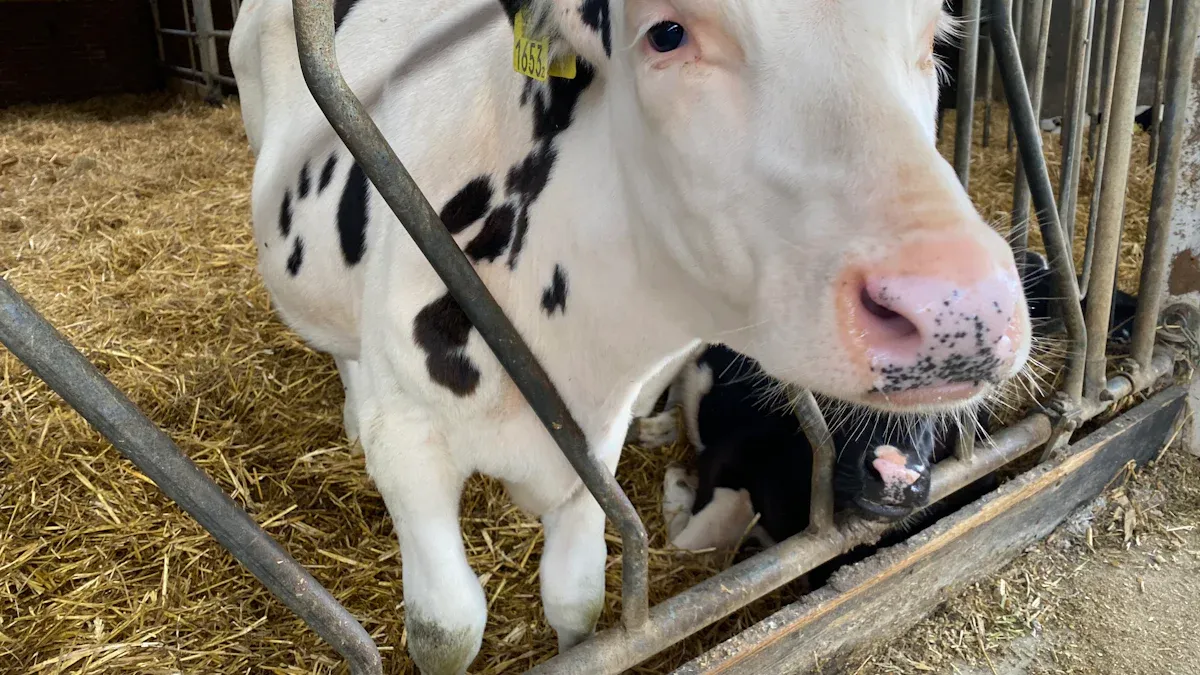
Fumonisins are dangerous toxins produced by molds. These molds contaminate over 90% of cornfields in the United States. Ingesting these hidden toxins can cause severe illness and an estimated $18 million annual loss in the US swine industry alone. Effective Food Testing with a Fumonisin Rapid Test Strip is essential.
Key Takeaways
- Fumonisins are hidden toxins in corn that harm animals. They cause serious diseases in horses and pigs, and they reduce growth in poultry and cattle.
- These toxins cost farms a lot of money. They lead to sick animals, lower production, and higher vet bills.
- Testing feed with a Fumonisin Rapid Test Strip is important. It helps farmers find toxins early and protect their animals and money.
The Dangers of Fumonisin Contamination
Fumonisin contamination poses a significant threat that often goes unseen. These toxins are primarily produced by molds like Fusarium verticillioides and F. proliferatum, which are common in corn. Fumonisin B1 is the most common and dangerous type found in animal feed. The toxins work by attacking animals on a cellular level.
- They disrupt cell protection. Fumonisins stop cells from making important fats called sphingolipids. These fats form a stable layer that protects cells from damage. Without this layer, cells become weak and can die.
- They cause oxidative stress. The toxins create harmful molecules that damage cell parts, including DNA. This process weakens the animal's natural antioxidant defenses.
- They trigger harmful signals. Fumonisins can activate a signaling pathway (TNF-α) that leads to inflammation and programmed cell death, or apoptosis.
Health Risks to Horses and Swine
Horses and swine are extremely sensitive to fumonisins. Exposure can lead to severe, species-specific diseases with high mortality rates.
For horses, fumonisin poisoning causes a devastating neurological condition called Equine Leukoencephalomalacia (ELEM), or "moldy corn disease." The toxin destroys the white matter of the brain, leading to irreversible damage. An affected horse can die suddenly, sometimes without showing any prior signs. The symptoms of ELEM are severe and distressing:
- Loss of appetite and lethargy
- Aimless walking, staggering, or circling
- Head pressing against walls or fences
- Blindness and muscle spasms
- Inability to swallow
- Seizures and eventual death
Swine suffer from Porcine Pulmonary Edema (PPE) when they consume feed with high levels of fumonisins. This condition causes a rapid buildup of fluid in the lungs, leading to acute respiratory failure. The toxin damages the heart and lungs by interfering with sphingolipid synthesis, which is vital for these organs. Symptoms appear quickly, often within 4-7 days of eating contaminated feed.
- Difficulty breathing and open-mouth breathing
- Blue-tinged skin or gums (cyanosis)
- Weakness and lying down
- Death within 24 hours of symptoms appearing
Note: The health risks are so severe that regulatory bodies have set very low reference points for these animals. Even feed with just 1.0 mg/kg (1 ppm) of fumonisin is considered a risk for horses and pigs.
| Animal | Feed Reference Point (mg/kg) | Condition Caused |
|---|---|---|
| Horses | 1.0 | Equine Leukoencephalomalacia (ELEM) |
| Pigs | 1.0 | Porcine Pulmonary Edema (PPE) |
Effects on Poultry and Cattle
While not as acutely sensitive as horses and swine, poultry and cattle still suffer from the effects of fumonisin exposure. The damage is often subtle, leading to poor performance and reduced profitability over time.
In poultry, high doses of fumonisins (over 150 mg/kg) cause clear symptoms like diarrhea, reduced feed intake, and liver damage. However, the bigger concern for most producers is the impact of lower, subclinical levels. Studies show that even when fumonisins are present at levels that don't cause obvious illness, they can still harm performance. When combined with other mycotoxins, fumonisins can reduce body weight gain and weaken the immune system, making birds more susceptible to other diseases.
Cattle are generally more resistant to fumonisins because the microbes in their rumen can partially break down the toxins. Despite this, they are not immune. Chronic exposure to fumonisins can still cause health problems. Research shows that cattle fed contaminated diets can develop mild to moderate liver damage, indicated by changes in liver enzyme activity. While this may not immediately affect the animal's performance, it represents underlying stress on the body that can lead to future health issues.
The FDA provides guidance to help protect these animals.
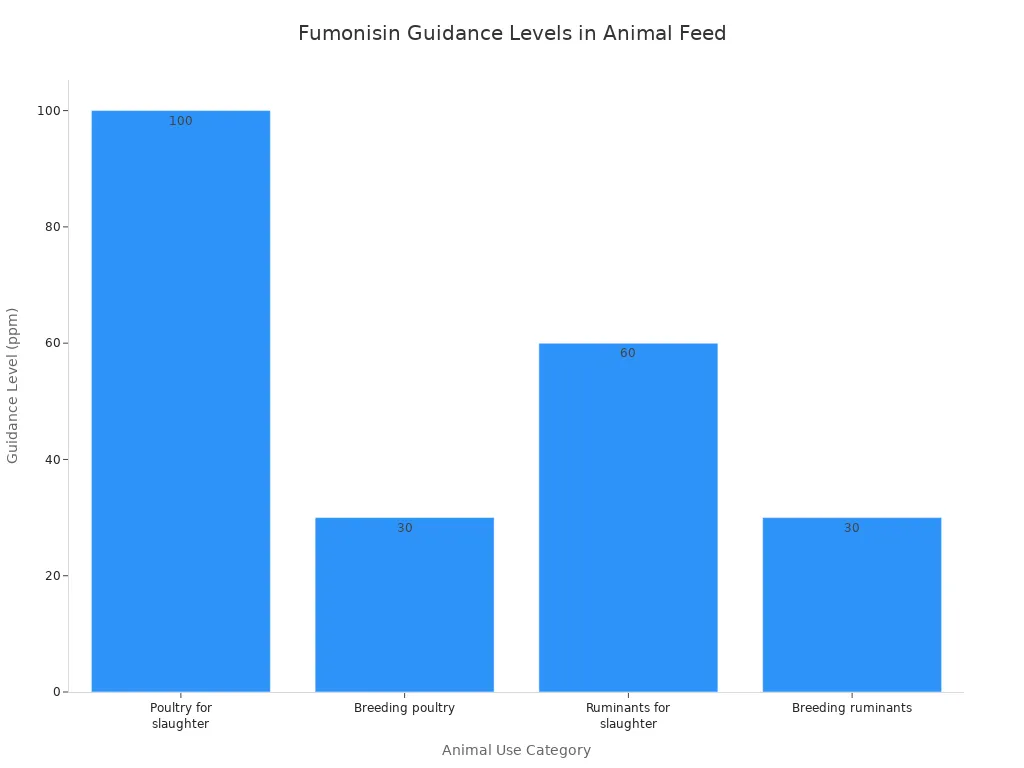
| Class of Animal | Maximum Fumonisin Level (ppm) in Total Ration |
|---|---|
| Poultry (for slaughter) | 50 |
| Breeding Poultry & Laying Hens | 15 |
| Beef Cattle (non-roughage portion) | 50 |
| Breeding Ruminants | 15 |
The Economic Impact on Your Farm
Fumonisin contamination is more than a health issue; it is a direct threat to a farm's financial stability. The costs associated with these toxins can accumulate quickly and quietly. The most obvious economic loss comes from animal death, especially in high-value animals like horses. However, the hidden costs of sub-lethal exposure are often more significant.
These financial drains include:
- Reduced Performance: Lower weight gain and poor feed conversion mean animals cost more to raise and bring less revenue at market.
- Increased Veterinary Bills: Treating sick animals and diagnosing mysterious illnesses requires time and money.
- Reproductive Losses: Contaminated feed can lead to abortions in sows and reduced fertility across species.
- Weakened Immunity: Animals with compromised immune systems are more likely to get sick from other infections, leading to higher treatment costs and production losses.
- Lost Feed Value: Discovering contamination late may require discarding entire batches of expensive feed.
Proactive management is the only way to prevent these losses. Identifying the threat before it impacts animal health is crucial, and using a Fumonisin Rapid Test Strip for on-site screening provides the data needed to make smart feed management decisions and protect the farm's bottom line.
How to Manage Fumonisin Risks with Testing
Proactive management through testing is the only reliable way to control the threat of fumonisins. A strategic testing plan gives producers the data they need to protect their animals and their business. It turns an invisible danger into a manageable risk.
Why Visual Inspection Is Not Enough
Many producers believe they can spot moldy grain with a simple visual check. This is a dangerous misconception. Grain can appear perfectly clean and still contain hazardous levels of fumonisins. The molds that produce these toxins, Fusarium verticillioides and F. proliferatum, do not always cause obvious signs of damage like discoloration or rot.
Contamination often begins in the field. Environmental factors like temperature and water stress create ideal conditions for mold growth. Research shows that F. verticillioides performs well at higher temperatures, meaning drought conditions can increase the risk of fumonisin contamination before harvest.
Did You Know? Fumonisin production thrives in specific conditions. For example, some mold strains produce toxins optimally at 15°C (59°F), while others prefer 25°C (77°F), especially when grain has high water activity (aw > 0.99).
Even if farmers use cleaning methods to remove broken kernels and dust, the remaining grain often retains significant toxin concentrations. Relying on sight and smell alone leaves a farm vulnerable to the severe health and economic impacts of fumonisin poisoning.
Using a Fumonisin Rapid Test Strip for On-Site Screening
A Fumonisin Rapid Test Strip provides a powerful tool for on-site screening. These tests offer a quick, simple, and affordable way for farmers and feed mill operators to check grain before it enters the feed supply. Instead of waiting days or weeks for lab results, they can get an answer in minutes. This allows for immediate decisions right at the grain elevator or on the farm.
The process is straightforward and does not require extensive training. It generally involves these steps:
- A representative grain sample is collected and ground into a fine powder.
- The ground sample is mixed with an extraction solution to pull the toxins out of the grain.
- A few drops of the liquid extract are placed onto the test strip.
- After a few minutes, the strip displays a result, indicating if fumonisin levels are above a specific threshold.
The low cost of a Fumonisin Rapid Test Strip makes regular testing practical. This frequency is key to an effective risk management program.
| Test Type | Average Cost Per Test | Turnaround Time |
|---|---|---|
| Fumonisin Rapid Test Strip | $2–$5 | 5-10 Minutes |
| Laboratory Analysis (LC-MS) | $200–$500 | 10-14 Business Days |
When to Use Laboratory Analysis
While a Fumonisin Rapid Test Strip is ideal for screening, there are times when laboratory analysis is necessary. Certified labs use highly sensitive methods like High-Performance Liquid Chromatography (HPLC) and Enzyme-Linked Immunosorbent Assay (ELISA) to provide precise, quantitative results. These tests measure the exact concentration of fumonisins in a sample, reported in parts per million (ppm) or parts per billion (ppb).
Producers should send samples to a lab in several situations:
- Confirming a Positive Result: If an on-site test indicates contamination, a lab test can confirm the exact level to inform more complex decisions.
- Regulatory Compliance: For certain sales or exports, government agencies may require official lab certification to prove mycotoxin levels are within legal limits. For example, almonds and pistachios exported to the EU require lab testing for aflatoxins.
- Investigating Health Issues: If animals show unexplained signs of illness, a full lab analysis can help diagnose or rule out mycotoxin poisoning.
- Developing a Blending Plan: Accurate concentration data is essential for calculating correct ratios when blending contaminated feed with clean grain.
Lab analysis is more expensive and has a longer turnaround time, often taking 10 business days or more. However, the detailed accuracy it provides is invaluable for critical decision-making.
Making Informed Feed Management Decisions
Testing empowers producers to make smart, data-driven choices. The first step to any accurate test is collecting a good sample. Since fumonisins can form in "hot spots," a representative sample is crucial. Proper procedures involve probing a grain truck or silo in multiple locations and combining the collections to ensure the sample reflects the entire batch.
With reliable test results, a producer has several management options:
- Reject Contaminated Grain: If a new grain delivery tests high for fumonisins, the producer can refuse the shipment, preventing the toxin from ever entering the farm.
- Segregate and Store: Grain with low or moderate contamination can be stored separately from clean grain. Proper storage includes drying grain to below 14% moisture and using aeration to keep it cool, which helps prevent further mold growth.
- Strategic Blending: A common practice is diluting contaminated feed by mixing it with clean feed to lower the overall fumonisin concentration to a safe level. This requires knowing the exact toxin level from a lab test to calculate the right ratio. However, producers must ensure thorough mixing to avoid new hot spots in the final feed.
- Targeted Feeding: Feed with low levels of contamination can be directed to more resistant species, like beef cattle, while ensuring it is never given to highly sensitive animals like horses or swine.
Ultimately, testing with tools like a Fumonisin Rapid Test Strip provides the critical information needed to stop contamination from becoming a crisis. It allows producers to protect animal health, comply with regulations, and secure their farm's financial future.
Fumonisins pose a serious, invisible threat to livestock health and farm profitability. Proactive and regular testing offers the only reliable way for producers to manage this risk. Implementing a testing strategy now protects animals, secures investments, and ensures peace of mind for the entire operation. 🛡️
FAQ
Can cooking or processing destroy fumonisins?
No. Fumonisins are very heat-stable toxins. Normal feed processing methods, such as pelleting, do not eliminate them. Testing before use is the only way to ensure feed safety.
Are fumonisins harmful to humans?
Yes. The International Agency for Research on Cancer (IARC) classifies fumonisins as possibly carcinogenic to humans. They are linked to higher rates of esophageal cancer in some populations.
See Also
Identifying High-Quality Bovine Gelatin Powder: Essential Indicators to Recognize
Enhancing 2,5-Furandicarboxylic Acid Sustainability: Data-Driven Strategies for Improvement
Crucial Safety Measures for Secure Nitric Acid Storage Facilities
Fortifying Doors and Hinges: Resilience Against Wildfires and Flood Damage
Clever Methods to Incorporate Bovine Gelatin Powder into Everyday Recipes