How Automation from Xinming Drives Growth for Bicycle and Racket Manufacturers
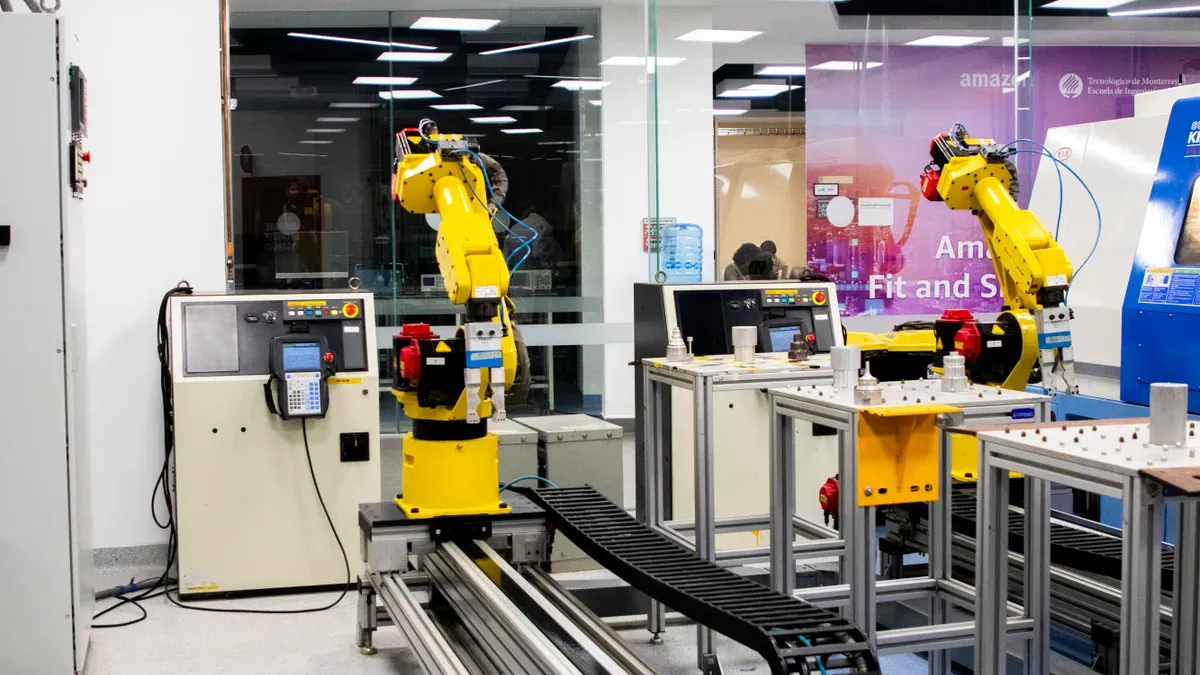
You can boost your production with Xinming’s automation solutions. When you use the Fully Automatic ScreenPrinting Machine, you gain faster output and lower costs. Manufacturers in Bangladesh, Brazil, and Spain see more consistent quality. Automation helps you compete in the market and supports your business growth.
Key Takeaways
- Xinming’s automation solutions, like the Fully Automatic ScreenPrinting Machine, help manufacturers lower costs, boost production speed, and improve product quality.
- Automation reduces manual labor needs, minimizes errors, and allows skilled workers to focus on more important tasks, saving time and money.
- Factories in countries like Bangladesh, Brazil, and Spain have seen faster production, better quality, and significant cost savings after adopting Xinming’s technology.
Fully Automatic ScreenPrinting Machine and Decal Printing Production Line
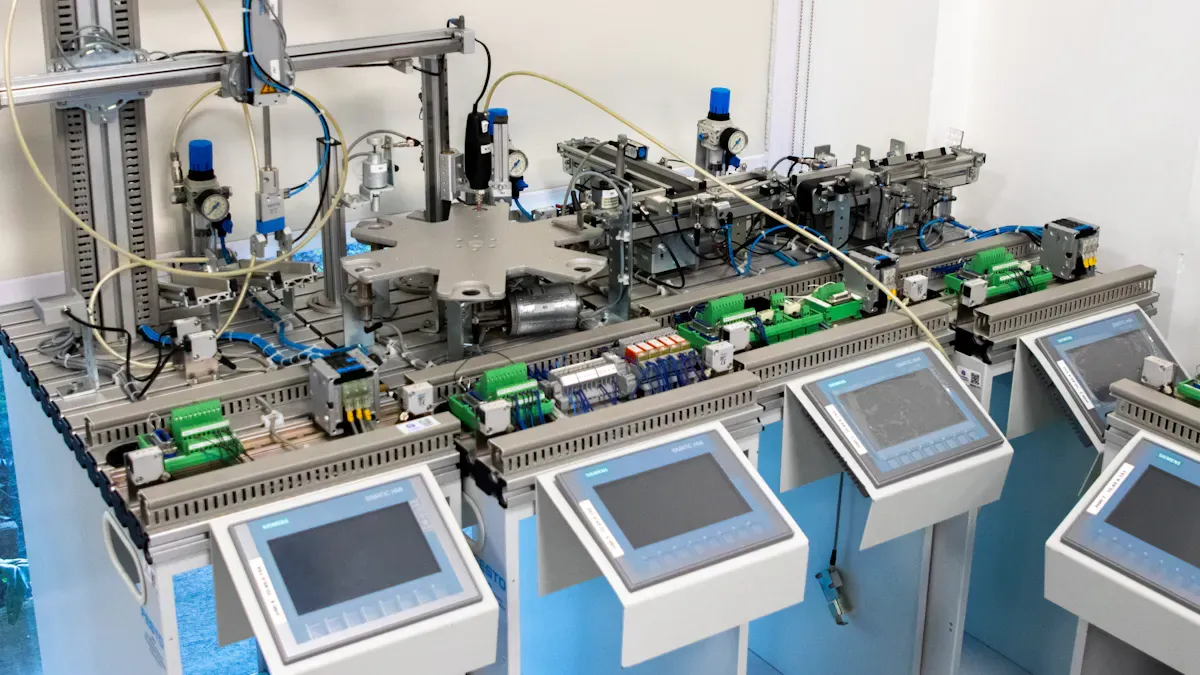
Overview of Xinming’s Decal Printing Production Line
You can see how Xinming’s Decal Printing Production Line covers every step of the process. The system starts with design and ends with ready-to-ship decals. Each stage uses advanced tools and skilled teamwork. Here is a clear look at the main workflow stages:
| Workflow Stage | Description |
|---|---|
| Technical and Graphics Office | Graphic design and collaboration with customers to ensure professionalism, material selection, and application evaluation. |
| Preprinting | Preparation of film, screen stretching, and image etching with precision and attention to detail. |
| Inks and Raw Materials | Selection of high-quality inks and materials, including UV and solvent-based inks, personalized mixes, and industrial-grade PVC from brands like 3M. |
| Printing | Use of advanced technologies such as screen printing, digital thermal transfer, and inkjet printing for decals and decorations. |
| Cutting and Tape Application | Cutting using traditional methods or cutting plotters, followed by application tape to protect prints and facilitate application. |
| Organization, Data Control, Stock | Monitoring and optimizing the production cycle, managing stock, and ensuring ready-to-deliver decals and decorations to save customer storage space and prevent stock damage. |
Key Features and Integration Capabilities
You benefit from the Fully Automatic ScreenPrinting Machine because it brings speed and accuracy to your production. The machine uses digital controls and precise ink application. You can switch between different designs quickly. The system works with both UV and solvent-based inks. You also get easy integration with your existing production lines. This means you do not need to change your whole setup. You can add the machine and see results fast.
Seamless Adoption in Bicycle and Racket Manufacturing
You may face challenges when you bring automation into your factory. Some tasks, like brazing and coating, are hard to automate because of the detailed designs. Many factories also rely on skilled manual labor. Sometimes, you might not have enough workers trained in robotics. Xinming helps you solve these problems. The company works with robotics experts and training groups to make the transition smooth. Here is a summary of common challenges and solutions:
| Challenge | Details | Solution |
|---|---|---|
| Automating intricate tasks | Tasks like brazing and coating are difficult to automate due to the intricate design of bikes. | Partnered with ABB Robotics to develop robotic solutions. |
| Reliance on skilled manual labor | Current manufacturing processes heavily depend on skilled manual labor. | Collaborated with East Kent Colleges Group (EKCG) to upskill the workforce. |
| Shortage of workers trained in robotics | Lack of trained personnel in robotics complicates the adoption of automation technologies. | Partnered with HSSMI and educational institutions to address the skills gap. |
You can trust the Fully Automatic ScreenPrinting Machine to fit into your workflow. You get support for training and setup. This helps you move to automated production with less stress and more confidence.
Efficiency and Growth Benefits for Manufacturers
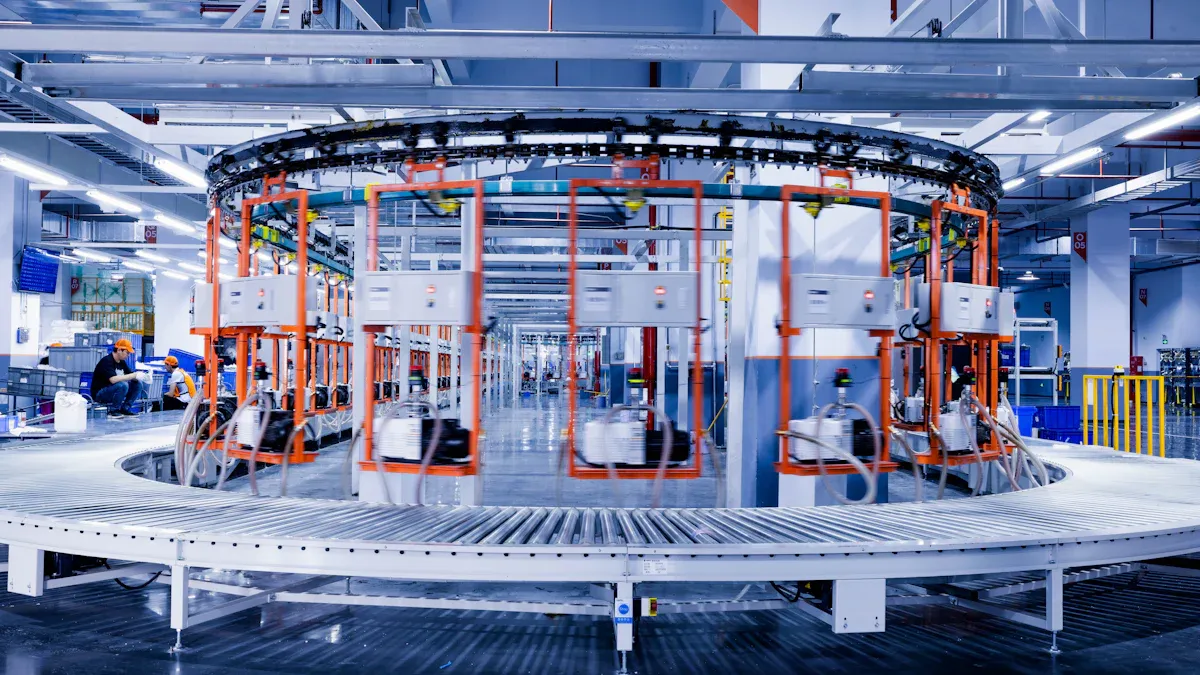
Lower Manual Labor and Operational Costs
You can lower your manual labor costs when you use automation. The Fully Automatic ScreenPrinting Machine takes over repetitive tasks. You do not need as many workers for printing and decal application. This change helps you save money on wages and training. You also reduce the risk of human error, which can lead to fewer wasted materials.
Tip: When you automate, you can reassign your skilled workers to more important jobs. This helps you use your team in the best way possible.
Here are some ways automation helps you cut costs:
- Fewer workers needed for each production line
- Less overtime and fewer shift changes
- Lower spending on training for manual tasks
- Reduced waste from printing mistakes
Increased Production Speed and Output Quality
You can boost your production speed with automated machines. The system works faster than manual labor. You get more products finished in less time. The quality of your output also improves. Machines apply ink and decals with the same pressure and alignment every time. This means your products look the same and meet high standards.
A quick comparison shows the difference:
| Production Method | Average Output per Hour | Quality Consistency | Downtime |
|---|---|---|---|
| Manual Labor | 50 units | Varies | Higher |
| Automated (Xinming) | 150 units | High | Lower |
You can see that automation gives you more products and better quality. You also spend less time fixing mistakes or stopping the line for repairs.
Real-World Results in Bangladesh, Brazil, and Spain
Factories in Bangladesh, Brazil, and Spain have already seen these benefits. You can learn from their experience. They report faster production and lower costs after switching to automation. Their products now meet strict export standards. They also find it easier to take on large orders.
- In Bangladesh, a bicycle factory increased its output by 200% in six months.
- In Brazil, a racket manufacturer reduced labor costs by 30% after installing automated printing lines.
- In Spain, a company improved product quality and won new contracts with European retailers.
Note: These real-world results show that automation is not just a trend. It is a proven way to grow your business and compete in the global market.
You can follow their example and use automation to reach your goals. The right technology helps you save money, make better products, and grow your business.
Continuous Improvement and Innovation with Automation
Workflow Optimization and Resource Efficiency
You can make your factory run better with automation. The Fully Automatic ScreenPrinting Machine helps you use your time and materials wisely. You can set up the machine to follow the best process for each job. This means you waste less ink and fewer decals. You also save energy because the machine works only when needed. You can check your workflow and find ways to improve it. This helps you get more products from the same resources.
Customization and Scalability for Market Needs
You can meet different customer needs with automation. The system lets you change designs and colors quickly. You can make small batches or large orders without slowing down. If your business grows, you can add more machines to your line. You do not need to change your whole factory. This makes it easy to scale up when you get more orders. You can also keep up with new trends in the market.
Tip: Automation helps you follow rules for safety and quality. You can see how the system checks each product and keeps records for every batch.
| Aspect | Description |
|---|---|
| Critical Product Characteristics | Defines the key attributes that must be monitored to ensure quality. |
| Process Parameters | Specifies the conditions under which the manufacturing process operates. |
| Inspection Methods | Outlines the techniques used to assess product quality. |
| Sampling Frequency | Indicates how often samples are taken for quality checks. |
| Reaction Plans | Details the steps to be taken if nonconformities are detected. |
| Compliance | Ensures adherence to customer and IATF16949 requirements through systematic monitoring. |
Supporting Sustainable Manufacturing Practices
You can protect the environment with automation. The machines use compressed air instead of oil, so you avoid contamination risks. The design is spark-free and explosion-proof, which keeps your workplace safe. You can clean the machines easily because they have smooth surfaces. The system meets strict rules like ISO9001 and FDA standards. Each unit gets tested before it leaves the factory. You can trust that your products are safe and meet global standards.
- Manufactured under strict ISO9001 quality management standards
- Each unit undergoes rigorous inspection and testing before shipment
- Meets FDA, EHEDG, and 3-A sanitary requirements for regulatory compliance
You can see that automation helps you work smarter, grow your business, and care for the planet.
You gain higher efficiency, lower costs, and better quality with Xinming’s automation. Many factories in Bangladesh, Brazil, and Spain have grown faster.
- Automation helps you save money by reducing labor and waste.
- You meet new trends like fast customization and eco-friendly production.
- You prepare your business for long-term success.
FAQ
How fast can you install Xinming’s Fully Automatic ScreenPrinting Machine?
You can install the machine in less than one week. Xinming’s team helps you set up and train your staff.
Does automation require special skills?
You do not need advanced skills. Xinming provides training. You learn how to use and maintain the machines quickly.
Can you customize the printing process for different products?
- Yes, you can adjust settings for size, color, and design. The system supports many types of bicycles and rackets.
See Also
Top Locations for Purchasing X-Ray Inspection Equipment in China
Is Investing in Automated Virus Sampling Tube Assembly Worth It?
Innovations in Heat Exchanger Manufacturing Boost Industrial Efficiency
Impact of US Tariffs on Residential Hinges Market by 2025
Why Automatic UV Coating Machines Are Crucial for Fast Printing