Why Purity Matters in Fullerene C60 Selection for Advanced Applications
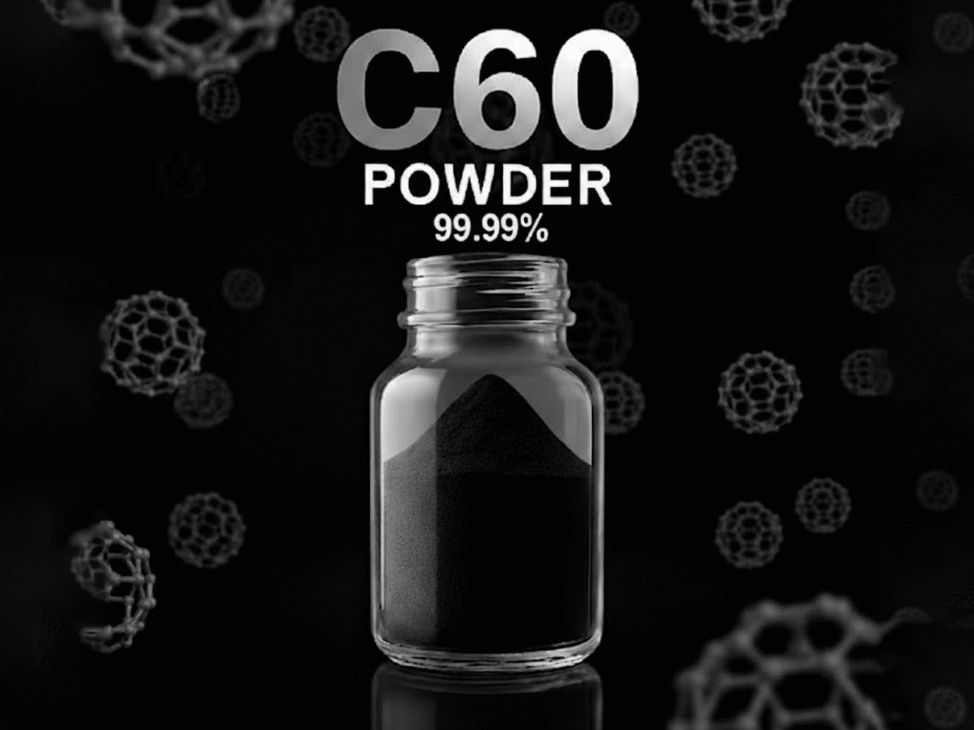
Purity determines whether your C60 delivers its intended properties or fails. Choosing the correct grade protects reproducibility, device performance, and biological safety. Process Development in Twin‑Screw Extrusion and Purity Selection of Sublimation‑Grade Fullerene C60 illustrates this critical choice.
Key Takeaways
- Match C60 purity to your work: use 99% for bulk composites, 99.9% for electronics and biology, and 99.99% for ultra-high-vacuum research.
- Impurities in low-purity C60 can ruin experiments by creating traps, causing false results, or releasing harmful solvents.
- Always request the HPLC chromatogram from your supplier to verify the real purity and ensure consistent, reliable results.
Defining Purity Grades
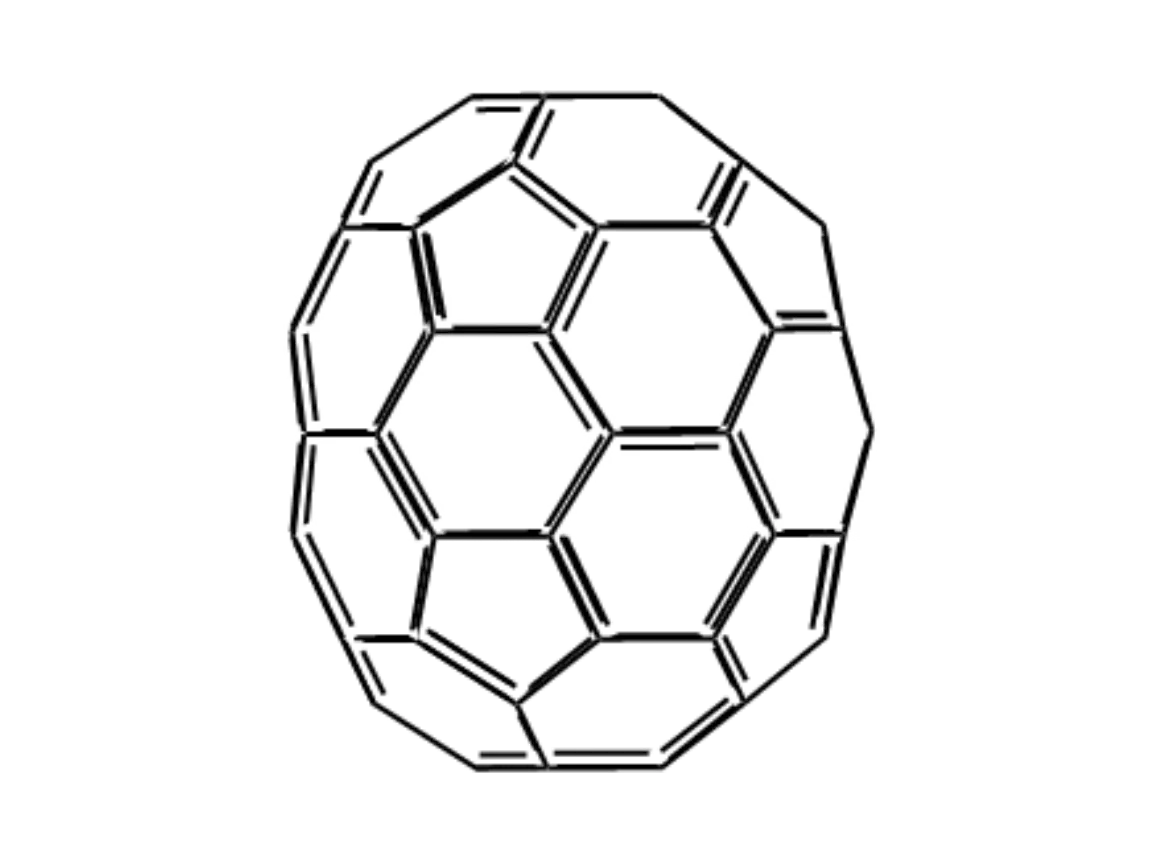
Purity grades tell you the exact amount of C60 in your material. The rest of the material consists of impurities. You will encounter three common grades: 99%, 99.9%, and 99.99%. Each step removes more contaminants. Each step also increases cost.
The 99% vs. 99.9% vs. 99.99% Scale
The 99% grade contains one percent impurities. This grade works for bulk composites and general polymer blends. The 99.9% grade reduces impurities to one part per thousand. This grade suits most electronic and biomedical research. The 99.99% grade leaves only one part in ten thousand as contamination. This grade is necessary for ultra-high-vacuum processes and quantum applications.
Pricing reflects these differences. You can expect the following costs:
- 99.9% purity: sample price $38 per gram. Volume pricing starts at $30 per gram for 5 to 99 grams. Bulk orders of 100 grams or more cost $25 per gram.
- 99.99% purity: $32 to $40 per gram for a minimum order of 5 grams.
Higher purity commands a premium, but you pay only for the precision your application requires.
Common Impurities: Solvents, Higher Fullerenes, and Oxides
Three impurity types commonly appear in C60. Residual solvents come from the extraction process. Toluene and other organic solvents can stay trapped inside the crystal lattice. Higher fullerenes like C70 and C84 co-extract with C60. Their similar sizes make separation difficult for manufacturers. Oxides form when C60 reacts with oxygen during storage or handling.
Each impurity type affects your results differently. Solvents can interfere with biological assays. Higher fullerenes change electronic properties. Oxides degrade antioxidant performance. You must know which impurities matter for your specific application.
How Purity is Measured
You cannot trust a purity number without understanding how the manufacturer derived it. High-performance liquid chromatography (HPLC) serves as the gold standard for fullerene analysis. This technique separates molecules based on their interaction with a stationary phase. Each compound exits the column at a distinct retention time. A detector then measures the amount of each component. The resulting chromatogram shows peaks for C60 and any impurities. You can calculate the purity percentage by comparing the area of the C60 peak to the total area of all peaks.
The Role of HPLC in Quantification
HPLC provides precise, reproducible measurements. It can detect impurities at concentrations as low as 0.01%. This sensitivity makes it ideal for verifying 99.9% and 99.99% purity claims. A proper HPLC analysis uses calibrated standards. These standards allow the instrument to convert peak areas into exact concentrations. Without calibration, you only get relative values. Always request the HPLC chromatogram, not just the purity percentage. The chromatogram reveals which impurities remain and their relative amounts.
Why 'As Received' Purity Isn't the Whole Story
The purity stated on a Certificate of Analysis reflects the material at the moment of packaging. That number does not guarantee the same purity when you open the vial months later. Several factors can change the actual purity. Improper storage allows oxygen to react with C60, forming oxides. Moisture can introduce degradation pathways. Even the act of weighing and transferring the powder exposes it to contaminants.
Manufacturers also achieve high purity through multiple post-synthesis steps. These steps determine the starting quality of your material:
- Solvent extraction removes bulk impurities from the raw soot.
- Chromatography separates C60 from higher fullerenes like C70.
- Sublimation under vacuum produces the highest purity grades by exploiting differences in vapor pressure.
Each step adds cost but removes specific contaminants. When you compare suppliers, ask which purification steps they use. A supplier who only performs solvent extraction cannot offer the same quality as one who adds sublimation. The Certificate of Analysis should document these steps. Verify that the HPLC analysis was performed on the final product, not an intermediate batch.
Impact on Performance

Impurities do not sit idle inside your C60 sample. They actively interfere with the material's core functions. You see the consequences in two critical areas: electron transport and device reliability. Understanding these effects helps you predict how your material will behave before you build anything.
Electron Mobility and Semiconductor Consistency
C60 excels as an electron acceptor because of its high electron affinity and mobility. Electrons move through the fullerene lattice with remarkable speed. Impurities disrupt this movement. They create physical barriers and energetic traps that capture electrons and hold them hostage.
Think of impurities as potholes on a highway. Each pothole slows traffic and forces vehicles to change course. In a semiconductor, each impurity molecule acts like a pothole for electrons. The result is reduced mobility and inconsistent performance across your device.
The impact appears clearly in organic field-effect transistors (OFETs). These devices rely on consistent charge transport to switch reliably. When you use unpurified C60, you introduce a high density of charge carrier traps. These traps capture electrons and prevent them from reaching their destination.
You can measure this effect through the threshold voltage. This value represents the minimum voltage needed to turn the transistor on. A high threshold voltage indicates many traps are capturing electrons before they can contribute to current flow. Unpurified C60 typically shows a threshold voltage around 17.9 volts. This high value signals significant trap density.
Researchers have demonstrated a clever way to confirm this relationship. They added an ultra-low concentration of an n-dopant to the unpurified C60. The dopant ratio was approximately 10⁻³ relative to the fullerene. This tiny amount of dopant filled the existing traps rather than creating new charge carriers. The threshold voltage dropped dramatically to 4.7 volts.
This experiment reveals several important facts:
- Unpurified C60 contains enough impurities to create substantial trap density
- These traps directly increase the threshold voltage by more than 13 volts
- Even trace impurities can dominate the electrical behavior of your material
- The purification level you choose directly determines your device's switching characteristics
The lesson is clear. If you need consistent semiconductor performance, you cannot ignore impurity levels. Each percentage point of contamination adds unpredictable variables to your device physics.
The 'Poisoning' Effect in Photovoltaics and Sensors
Photovoltaic devices and sensors face an even more severe challenge. Impurities act as recombination centers in solar cells. When light strikes your C60 layer, it generates electron-hole pairs. These pairs must separate and travel to their respective electrodes to generate current. Impurity molecules provide sites where electrons and holes can recombine prematurely. This recombination releases energy as heat instead of electricity.
You lose efficiency with every recombination event. A solar cell built with 99% pure C60 might show acceptable performance in initial tests. The same cell built with 99.9% pure material could show a measurable improvement in power conversion efficiency. The difference comes entirely from reduced recombination at impurity sites.
Sensors suffer from a related problem called poisoning. Impurity molecules occupy active sites on the C60 surface. These sites would normally interact with target analytes. When impurities block them, your sensor loses sensitivity. You might miss low concentrations of the substance you are trying to detect.
The poisoning effect also creates drift. Your sensor's baseline response changes over time as impurities migrate or react. This drift makes calibration difficult. You cannot trust measurements taken hours apart because the sensor's behavior keeps shifting.
Consider a gas sensor designed to detect specific molecules. The C60 layer must maintain a consistent surface chemistry. Residual solvents from the manufacturing process can desorb slowly during operation. These solvent molecules interfere with the sensor's response. Higher fullerenes like C70 can also alter the electronic landscape near the surface.
The solution lies in matching purity to your application's tolerance. A research project exploring fundamental charge transport properties demands higher purity than a bulk composite application. Your choice of grade should reflect the sensitivity of your measurement or device.
Process Development in Twin‑Screw Extrusion and Purity Selection of Sublimation‑Grade Fullerene C60 often requires careful consideration of these performance factors. When you scale up production, you must balance the cost of higher purity against the performance requirements of your final product. Sublimation-grade material at 99.9% or higher purity eliminates most trap-forming impurities and recombination centers.
For advanced electronic applications, you should always request the HPLC chromatogram from your supplier. This document shows you exactly which impurities remain and their concentrations. You can then make an informed decision about whether those residual impurities will affect your specific device architecture.
Impact on Safety and Research Integrity
Purity affects more than device performance. It also determines whether your experiments produce trustworthy results and whether your materials pose health risks. Residual solvents and trace contaminants can compromise both safety and scientific validity.
Toxicity Profiles of Residual Solvents
Manufacturers use solvents like toluene to extract C60 from raw soot. These solvents can remain trapped inside the fullerene crystal lattice. You cannot remove them through simple drying. They require specialized purification steps like vacuum sublimation.
Toluene poses significant health concerns. Exposure can cause neurological damage, respiratory irritation, and reproductive issues. When you handle C60 containing residual toluene, you risk exposure through inhalation or skin contact. The risks increase during processing steps that heat the material, such as melt blending or thin-film deposition. Heat releases trapped solvents as vapors.
You should always review the Certificate of Analysis for solvent residue data. A responsible supplier documents residual solvent levels. Sublimation-grade C60 typically contains negligible solvent traces because the process removes them completely. Regular grade material may retain measurable amounts. Your laboratory safety protocols must account for these differences.
Avoiding False Positives in Biological Assays
Biological research presents a subtler danger. Impurities can trigger biological responses that you mistakenly attribute to C60 itself. This error produces false positives that waste time and resources.
Consider antioxidant assays. C60 demonstrates remarkable radical-scavenging activity. Residual oxidation products from improper storage also react with assay reagents. You might measure enhanced antioxidant effects that come from impurities, not from C60. Your data then misrepresents the material's true properties.
Cytotoxicity studies face similar challenges. Solvent traces can kill cells or alter their metabolism. You might conclude that C60 exhibits toxic effects when the solvent causes the damage. Conversely, impurities might mask genuine therapeutic effects, producing false negatives.
The solution requires using the highest practical purity for biological work. You should also run control experiments with extraction blanks. These controls contain the same solvents used during processing but no C60. Comparing results helps you distinguish genuine C60 effects from impurity artifacts.
Always request the HPLC chromatogram alongside your C60 order. This document reveals which impurities remain and their concentrations. You can then judge whether those impurities might interfere with your specific biological assay.
Selecting the Right Grade
Choosing the correct C60 grade requires a clear-eyed assessment of your application's demands. You must weigh performance requirements against budget constraints. You must also consider how impurities will affect your specific use case. This decision determines whether your project succeeds or fails.
Cost-Benefit Analysis for Different Grades
The price difference between grades seems substantial at first glance. A 99% grade costs significantly less than a 99.99% grade. But you must calculate the true cost of using lower-purity material. Failed experiments cost money. Unreliable devices cost more. Reworked batches consume time and resources.
Consider the economics of each grade level:
| Purity Grade | Typical Price Range | Best Value For | Hidden Costs |
|---|---|---|---|
| 99% | Lowest per gram | Bulk composites, preliminary screening | Potential rework, inconsistent results |
| 99.5% | Moderate | General research, polymer blends | May require additional purification |
| 99.9% | Premium | Electronic devices, biomedical assays | Minimal hidden costs |
| 99.99% | Highest | Ultra-high-vacuum processes, quantum work | Overkill for many applications |
The 99% grade appears attractive for large-scale projects. You save money upfront. But you may spend more later troubleshooting unexpected results. Impurities cause batch-to-batch variation. Each new batch behaves differently. You lose time recalibrating your process.
The 99.9% grade offers the best balance for most serious applications. It eliminates the majority of problematic impurities. It costs more than 99% material but delivers consistent performance. For research projects where reproducibility matters, this grade often pays for itself.
The 99.99% grade serves specialized needs. You need this level for ultra-high-vacuum deposition. You also need it for quantum computing experiments where single impurity molecules disrupt operations. Most laboratories do not require this extreme purity. Paying for it without a specific need wastes resources.
Your cost-benefit analysis should include the value of your time. A failed experiment costs hours of labor. A rejected device batch costs materials and production capacity. Higher-purity C60 reduces these risks. The premium you pay upfront often saves money downstream.
Criteria for Research and Development
Research environments demand reproducibility above all else. Your experiments must produce the same results every time. Impurities undermine this goal. They introduce variables you cannot control. They create effects you might misinterpret.
For fundamental studies of C60 properties, choose 99.9% purity or higher. This grade ensures that your measurements reflect the material's true characteristics. You can trust that observed effects come from C60 itself. You avoid artifacts caused by residual solvents or higher fullerenes.
Biological research requires special attention to purity. Cell-based assays respond to trace contaminants. Solvent residues can trigger stress responses. Oxidation products can skew antioxidant measurements. For these applications, request the HPLC chromatogram. Verify that no problematic impurities appear in significant quantities.
Electronic device research demands consistent charge transport. Impurities create traps that alter device behavior. You might observe interesting phenomena that actually stem from contamination. Your published results could mislead other researchers. Using high-purity material protects your scientific reputation.
Consider your storage conditions as well. Even high-purity C60 degrades over time. Oxygen and moisture cause oxidation. Store your material under inert atmosphere. Use it within a reasonable timeframe. Document the storage conditions in your laboratory notebook.
For exploratory work, you might start with 99.5% material. This grade allows you to test concepts quickly. You can screen multiple formulations without spending excessively. Once you identify promising directions, switch to higher purity for validation experiments.
Always request a Certificate of Analysis with every order. This document confirms the stated purity. It also lists residual solvent levels. Compare certificates across batches. Consistent purity between batches ensures consistent experimental results.
Criteria for Industrial-Scale Production
Industrial production introduces different priorities. You need consistent material at scale. You also need predictable costs. The purity grade you choose affects both factors.
For bulk composite manufacturing, 99% purity often suffices. Your final product contains C60 dispersed throughout a polymer matrix. The matrix dilutes any impurity effects. Minor contamination does not significantly alter bulk properties. Choosing higher purity would increase costs without improving your product.
Electronic device manufacturing demands stricter standards. Your devices rely on precise electronic behavior. Impurities cause performance variation between production runs. This variation leads to rejected batches. Yield losses eat into your profit margins. For these applications, 99.9% purity represents the minimum acceptable standard.
Process Development in Twin‑Screw Extrusion and Purity Selection of Sublimation‑Grade Fullerene C60 requires careful consideration of your production parameters. Twin-screw extrusion subjects C60 to high temperatures and shear forces. These conditions can release trapped solvents. They can also promote oxidation. You must select a purity grade that withstands your processing conditions without degrading.
Sublimation-grade C60 at 99.9% or higher purity contains minimal solvent residues. This material performs reliably during extrusion. It does not release volatile compounds that create bubbles or defects. It maintains its chemical structure throughout processing.
Your supplier relationship matters at industrial scale. You need consistent quality across large orders. You need reliable delivery schedules. You need technical support when issues arise. Choose a supplier who understands your application and can recommend appropriate grades.
Consider your quality control procedures. You should test incoming material batches. Verify purity before committing to production. Document these results for traceability. If a production run fails, you can determine whether the C60 caused the problem.
The cost of higher purity decreases with larger orders. Suppliers offer volume discounts. A 99.9% grade might cost only slightly more than 99.5% at industrial quantities. The performance benefits often justify this small premium.
Process Development in Twin‑Screw Extrusion and Purity Selection of Sublimation‑Grade Fullerene C60 ultimately depends on your specific production requirements. Evaluate your process tolerances. Determine which impurities cause problems. Select the grade that eliminates those problematic impurities without unnecessary expense.
Process Development in Twin-Screw Extrusion and Purity Selection of Sublimation-Grade Fullerene C60
Considerations for Twin-Screw Extrusion of C60
Twin-screw extrusion subjects C60 to intense heat and mechanical shear. These conditions test your material's stability. You must understand how impurities behave under this stress before you begin.
Residual solvents pose the first challenge. Trapped toluene molecules vaporize during extrusion. They create bubbles and voids inside your final composite. These defects weaken the material's structural integrity. They also create inconsistent electrical properties across your product.
Higher fullerenes like C70 respond differently to extrusion conditions. They may phase-separate from C60 during processing. This separation creates localized regions with altered properties. Your final product then shows unpredictable performance variations.
Oxidation presents another concern. Extrusion temperatures accelerate C60's reaction with oxygen. Impurities catalyze this degradation process. You end up with oxidized fullerenes that lose their antioxidant and electronic capabilities.
Your screw design and processing temperature matter. Higher temperatures increase impurity mobility. They also increase the risk of thermal degradation. You must balance thorough mixing against material stability.
Sublimation-Grade Purity Requirements
Sublimation-grade C60 offers distinct advantages for extrusion processes. This material contains minimal solvent residues. It also lacks the higher fullerenes that cause phase separation. You can process it at higher temperatures without degradation.
Process Development in Twin‑Screw Extrusion and Purity Selection of Sublimation‑Grade Fullerene C60 requires you to evaluate your tolerance for defects. Sublimation-grade material at 99.9% purity or higher eliminates most processing complications. You achieve consistent dispersion throughout your polymer matrix.
The purification process itself matters. Vacuum sublimation exploits differences in vapor pressure between C60 and its contaminants. This method removes solvents completely. It also separates C60 from C70 and other higher fullerenes with remarkable efficiency.
Process Development in Twin‑Screw Extrusion and Purity Selection of Sublimation‑Grade Fullerene C60 also demands attention to storage. Even sublimation-grade material degrades when exposed to air. You must store it under inert atmosphere. You should use it promptly after opening.
Process Development in Twin‑Screw Extrusion and Purity Selection of Sublimation‑Grade Fullerene C60 ultimately determines your product's reliability. Choose sublimation-grade material for demanding applications. Your extrusion process will run smoothly. Your final product will perform consistently.
You should match your C60 grade to your application's tolerance for impurities. Bulk composites work well with 99% purity. Advanced electronics and biomedical research demand 99.5% or higher. Ultra-high-vacuum processes require sublimation-grade material at 99.9% or above. Always request a Certificate of Analysis with HPLC chromatogram from your supplier. This document verifies purity and ensures batch-to-batch consistency.
FAQ
How can you verify the actual purity of your C60 batch?
You should request a Certificate of Analysis with an HPLC chromatogram from your supplier. This document shows the exact purity percentage and reveals which impurities remain in your material.
Which purity grade should you choose for your application?
Match your grade to your tolerance for impurities. Use 99% for bulk composites. Choose 99.5% or higher for electronics and biomedical work. Select sublimation-grade at 99.9% or above for ultra-high-vacuum processes.
Can impurities in C60 affect your experimental results?
Yes. Residual solvents can trigger false positives in biological assays. Higher fullerenes alter electronic properties. Oxides reduce antioxidant performance. These contaminants create unreliable data and wasted research time.
See Also
Leading Filter Precoat Options For 2025 Systems
Evidence Based Methods To Enhance FDCA Eco Friendliness
Recent Breakthroughs In Nitric Acid Refining Methods