Fruit flies in water dispenser? 5 easy DIY traps
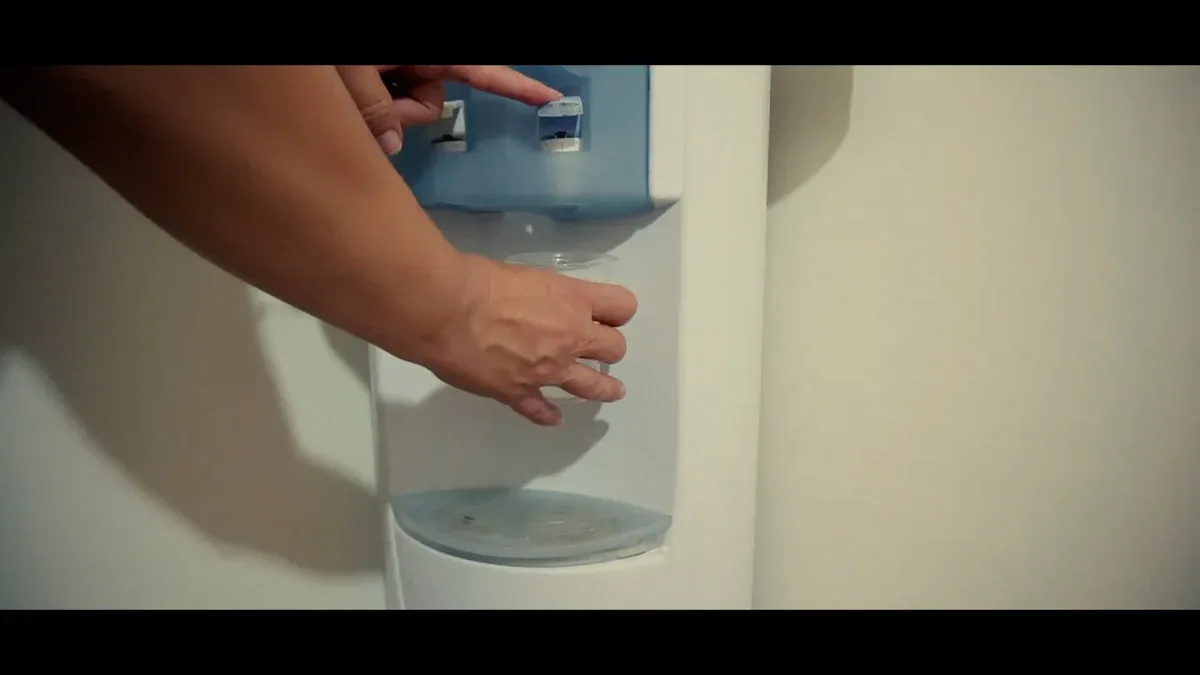
Are you tired of seeing fruit flies in water dispenser areas? You can reclaim your kitchen without using harsh chemicals. Your home already holds the solution! You can create simple, non-toxic traps using everyday items like apple cider vinegar, dish soap, or even a little bit of old wine.
Key Takeaways
- You can make simple traps for fruit flies. Use common items like apple cider vinegar, red wine, or overripe fruit. These traps attract flies and stop them from escaping.
- Clean your water dispenser's drip tray often. This area collects water and food bits. It is a perfect place for fruit flies to grow. Cleaning it stops new flies from appearing.
- Prevent fruit flies from coming back. Store fruits in the fridge. Clean your kitchen regularly. Fix holes in screens. These steps help keep your home free of flies.
1. The Classic Apple Cider Vinegar & Dish Soap Trap
This trap is a go-to for a reason—it works like a charm! You can set it up in minutes with items you already have in your pantry. It’s the perfect first line of defense against those pesky fruit flies buzzing around your water dispenser.
Why This Trap is So Effective
You might wonder why fruit flies love apple cider vinegar (ACV) so much. The answer is simple: it smells like their favorite food, which is fermenting fruit.
- Acetic Acid: ACV contains acetic acid, a chemical that fruit flies can detect from far away. This scent signals a potential food source for them.
- Fruity Scent: Because it's made from apples, ACV also carries other fruity smells that attract the flies.
The dish soap is the secret weapon. This simple trick breaks the liquid's surface tension. Now, when a fly lands for a drink, it can't escape and sinks.
Pro Tip 💡: Try to use an unscented dish soap if you have it. This ensures the soap's fragrance doesn't compete with the alluring smell of the vinegar.
What You'll Need
- A small jar, bowl, or cup
- Apple cider vinegar
- Liquid dish soap
- Plastic wrap (optional, but helpful)
Step-by-Step Instructions
- Pour the Vinegar: Pour about an inch of apple cider vinegar into your jar. You don't need a lot!
- Add the Soap: Add just a few drops of liquid dish soap to the vinegar.
- Stir Gently: Give the mixture a gentle swirl to combine the soap and vinegar. You want to avoid creating too many bubbles.
- Place the Trap: Set your open jar near the water dispenser or wherever you see the most fruit flies. That's it!
2. The Simple Red Wine Trap
Did you leave a little red wine in the bottle after dinner? Don't pour it out! You can turn those last few sips into a highly effective fruit fly trap with almost no effort. This method is perfect for anyone who wants a quick, set-it-and-forget-it solution.
How Red Wine Lures Fruit Flies
Fruit flies have powerful noses. Their well-developed scent receptors can easily detect the chemical compounds from fermentation. Red wine is a perfect lure because it contains the fruits, sugars, and alcohol that signal a feast for them. If you've ever poured a glass of Cabernet in the summer, you might have noticed a fruit fly finding your glass quickly. This trap uses that same powerful attraction to your advantage.
Did You Know? 🍷 Any type of red wine works! Whether it's Merlot, Pinot Noir, or Cabernet, the fermented grape scent is what draws the flies in.
What You'll Need
- An old bottle with a little red wine left in it
- OR a small jar and some leftover red wine
- A few drops of dish soap (optional)
Step-by-Step Instructions
- Prepare the Bottle: Simply leave a small amount of red wine in the bottom of the bottle. About an inch or two is plenty. The narrow neck of the bottle makes it hard for the flies to escape.
- Add a Drop of Soap (Optional): For extra trapping power, add a single drop of dish soap to the wine. This breaks the surface tension, so flies will sink instead of landing on the surface.
- Set the Trap: Place the open bottle on the counter near your water dispenser or wherever you see fruit flies gathering. The flies will crawl in for a drink and won't be able to get back out.
3. The Overripe Fruit & Paper Cone Trap

This trap uses the fruit flies' favorite food against them. You can turn a piece of old fruit into a powerful lure that they just can't resist. It’s a clever, all-natural way to clear the air around your water dispenser.
Using Natural Bait to Your Advantage
You are using the flies' own instincts to trap them. Overripe and rotting fruit is the perfect bait because it releases strong smells as it breaks down. These scents are byproducts of microbial activity and protein decay, signaling a feast for fruit flies. They are especially drawn to specific compounds released by the fruit, such as:
- linalool
- eugenol
- decanal
The paper cone is the key to this trap's success. Its wide top offers an easy entrance for the flies as they follow the scent. However, the tiny opening at the bottom makes it almost impossible for them to find their way back out. They fly in easily but become trapped inside.
What You'll Need
- A glass jar or cup
- A piece of paper
- Tape
- A small piece of overripe fruit (banana, peach, or melon work great)
Step-by-Step Instructions
- Bait the Trap: Place a small piece of overripe fruit inside the jar. A slice of a brown banana is a perfect choice.
- Make the Cone: Roll the piece of paper into a funnel or cone shape. Make sure the top is wide enough to sit inside the jar's opening.
- Trim the Tip: Snip the very tip of the cone to create a small hole.
Quick Tip ✂️: Aim for an opening about 1/8 inch wide. If the hole is too big, the flies can escape. If it's too small, they can't get in.
- Set the Funnel: Place the paper cone into the jar with the narrow end pointing down. Tape it around the rim to hold it securely in place.
- Place Your Trap: Set the jar near your water dispenser or on the kitchen counter. The fruit flies will flock to the bait and get stuck inside.
4. The Old-Fashioned Milk & Sugar Trap
This trap is a classic remedy that has been used in kitchens for generations. If you don't have vinegar or wine on hand, this sweet and milky concoction offers another great way to tackle a fruit fly problem. It’s a surprisingly effective method that uses simple pantry staples.
Why This Sweet Mixture Works
You might be wondering how milk can trap a fly. This method works because fruit flies are drawn to the sugar for energy. The milk itself provides a thick, sticky liquid that makes it difficult for them to escape once they land.
When you gently heat the mixture, it releases a sweet, inviting aroma that the flies find irresistible. They fly down to investigate the promising food source, land in the liquid, and quickly become trapped. It's a simple yet clever use of basic kitchen ingredients.
A Sticky Situation 🥛: The thicker consistency of the milk is key. Unlike water, it prevents the flies from simply taking a sip and flying away.
What You'll Need
- 1/2 cup of milk
- 2 tablespoons of granulated sugar
- A small saucepan
- A shallow dish or bowl
- A few drops of dish soap (optional)
Step-by-Step Instructions
- Heat the Mixture: Pour the milk and sugar into a small saucepan. Gently heat the mixture on the stove for a few minutes, stirring until the sugar completely dissolves. Do not let it boil.
- Let It Cool: Remove the saucepan from the heat and let the mixture cool down for a few minutes. You want it to be warm, not scalding hot.
- Pour into a Dish: Carefully pour the warm, sweet milk into a shallow dish. Adding a few drops of dish soap at this stage will help trap the flies even faster.
- Set the Trap: Place the dish near your water dispenser, fruit bowl, or anywhere else you've noticed fruit fly activity.
5. The Powerful Yeast Fermentation Trap
If you've ever baked bread, you know the sweet, earthy smell of activating yeast. Fruit flies love that smell, too! This trap uses a simple science experiment to create a scent that fruit flies find absolutely irresistible, making it a potent tool for clearing them out from around your water dispenser.
How Yeast Attracts and Traps Flies
This trap works by creating the perfect imitation of a fruit fly's favorite meal: fermenting fruit. When you mix yeast with sugar and warm water, it kicks off a process called fermentation. This chemical reaction turns the sugar into two things that fruit flies adore: ethanol and carbon dioxide (CO2).
You might find this interesting: CO2 can sometimes act as a warning signal to fruit flies. However, the sweet smell from the yeast and sugar mixture is so attractive that it actually blocks the flies' ability to sense the CO2 as a danger. This sensory trick lures them straight to the trap, thinking they've found a delicious, yeast-rich food source.
What You'll Need
- A tall glass or jar
- 1/2 cup of warm water
- 1 packet of active dry yeast
- 1 teaspoon of sugar
- A few drops of liquid dish soap (optional)
Step-by-Step Instructions
- Activate the Yeast: Pour the warm water into your glass. Add the packet of yeast and the teaspoon of sugar.
Temperature Tip 🌡️: For the best results, use water that is around 110-113°F (about 45°C). This temperature is warm enough to activate the yeast without being too hot.
- Stir the Mixture: Gently stir the contents until the sugar and yeast are mostly dissolved.
- Let It Ferment: Let the mixture sit for a few minutes. You should see it start to bubble and foam up. This is the fermentation process creating the CO2 that attracts the flies.
- Add the Soap: Add a few drops of dish soap to the top of the foamy mixture. This will break the surface tension and trap any flies that land for a drink.
- Place the Trap: Set your yeast trap near the water dispenser or any other problem areas. The flies will be drawn to the scent and won't be able to escape.
Solving Fruit Flies in Water Dispenser Drip Trays
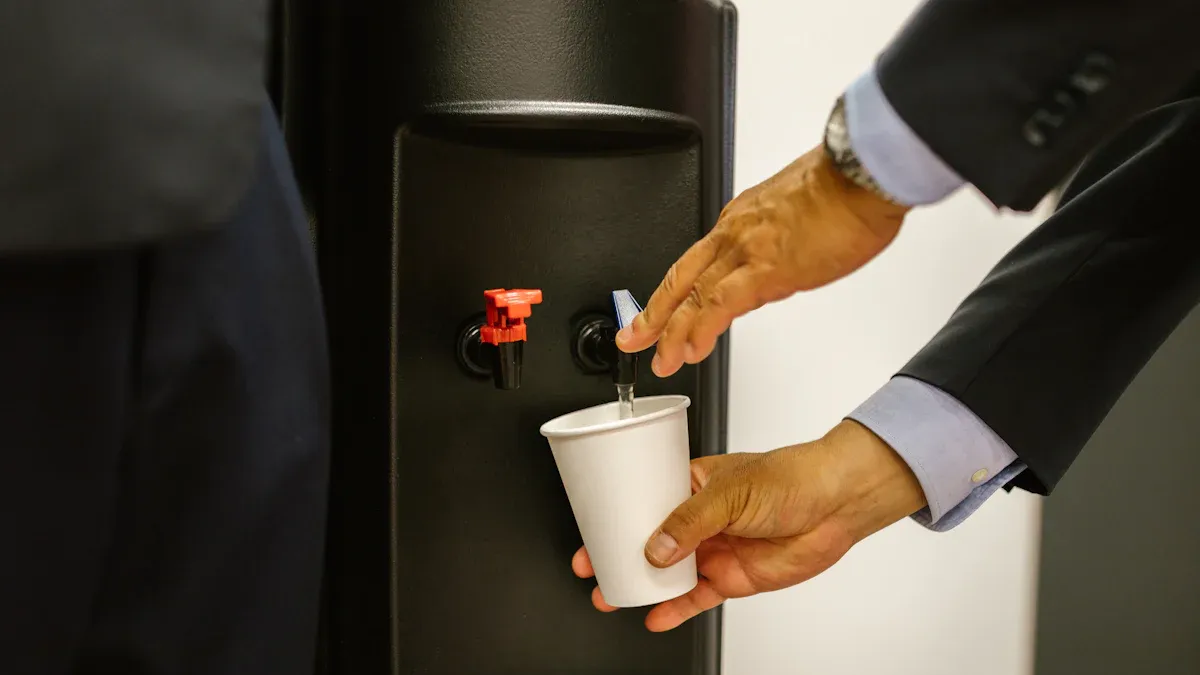
You might have noticed that the small tray under your water dispenser's spigot is a popular hangout for fruit flies. It’s not just you! This area is a major trouble spot, but you can easily fix it.
Why Drip Trays Are a Hotspot
Your water dispenser's drip tray is the perfect breeding ground for fruit flies. It offers everything they need to thrive.
- Moisture: The tray constantly collects drips of water.
- Food Source: Spills from flavored drinks, dust, and other tiny bits of organic gunk create a film of decaying matter that fly larvae love to eat.
This combination of moisture and food makes an ideal nursery. The real problem is that these flies are more than just annoying. They can pick up and carry harmful bacteria like E. coli on their bodies. When they land on your food or kitchen surfaces, they can spread those germs. This makes cleaning the source of fruit flies in water dispenser trays a top priority.
Cleaning the Drip Tray Effectively
You can get your drip tray sparkling clean with simple, non-toxic ingredients. A weekly wipe-down is a great habit to get into.
- Remove and Soak: Take the drip tray out and place it in your sink. Pour in a mix of one part white vinegar and one part water.
- Let It Sit: Let the tray soak for about 30 minutes. The vinegar will dissolve mineral buildup and sanitize the surface.
- Scrub and Rinse: For any stubborn spots, you can use a paste of baking soda and water. After scrubbing, rinse the tray thoroughly with fresh water and dry it completely before putting it back.
Cleanliness Tip ✨: If you ever see mold or notice a strange smell, it's time for an immediate deep clean!
Placing Traps Safely Nearby
After you clean the tray, you'll want to catch any remaining adult flies. The key is to place your DIY trap next to the water dispenser, not inside the drip tray itself. Setting a small jar with the Apple Cider Vinegar trap on the counter nearby is a perfect strategy. This prevents the trap from getting watered down and keeps it working effectively. Tackling the problem of fruit flies in water dispenser areas means cleaning the source and trapping the survivors.
Best Placement and Prevention Strategies
Winning the battle against fruit flies is about being smart with your traps and your daily habits. You can make your kitchen an unwelcome place for these pests with a few simple changes.
Where to Place Your DIY Traps
You need to place your traps where the flies hang out the most. Think like a fruit fly! They love areas with moisture and potential food. Your goal is to intercept them at their favorite spots.
Strategy Tip 🎯: Place multiple small traps in different locations instead of one large one. This increases your chances of catching them all.
Set your traps near these common high-traffic areas:
- Next to the fruit bowl on your counter
- Beside the kitchen sink and garbage disposal
- Near your garbage can or recycling bin
- Close to any damp sponges or dish rags
And of course, place a trap right next to your water dispenser to catch any stragglers.
How to Prevent Future Infestations
Trapping flies is great, but preventing them from coming back is even better. You can stop an infestation before it starts by cutting off their food supply and sealing their entry points.
Start by storing your produce properly. You should refrigerate fruits and vegetables whenever you can. If you keep a fruit basket on the counter, cover it with a cake dome or mesh food cover. You should also regularly clean your garbage disposal to remove any gunk. Taking out the trash and recycling frequently also helps a lot.
Finally, check your home for tiny openings. You can stop flies from getting inside by repairing any holes in your window screens and sealing cracks around doors or pipes. A little prevention goes a long way in solving the problem of fruit flies in water dispenser areas for good.
You now have five simple and effective DIY traps to clear out pests from around your kitchen appliances. For a quick and reliable solution, the Apple Cider Vinegar & Dish Soap trap is the best one to start with. Using these traps and following our prevention tips will help you solve the problem of fruit flies in water dispenser areas for good.
FAQ
Why are fruit flies suddenly everywhere?
They can hatch from tiny eggs on fruit you bring home. One female lays hundreds of eggs, so a large population can appear almost overnight.
How long does it take for a DIY trap to work?
You should start seeing trapped flies within a few hours. For a bigger problem, give the traps a day or two to catch most of them.
Are fruit flies and gnats the same thing?
No, they are different pests. Fruit flies are tan and love kitchens. Gnats are dark, have long legs, and often gather near houseplants and drains.