Precision and Purity The Rise of Optical Sorters
Optical sorters set a new standard in pet food manufacturing, delivering unmatched precision and purity. This technology directly addresses top industry priorities like safety and quality, driving a global market valued at USD 1.5 billion in 2023. A freeze dried pet food optical sorter exemplifies this advancement. For brands, this means superior products; for consumers, it provides greater peace of mind.
What Are Optical Sorters?
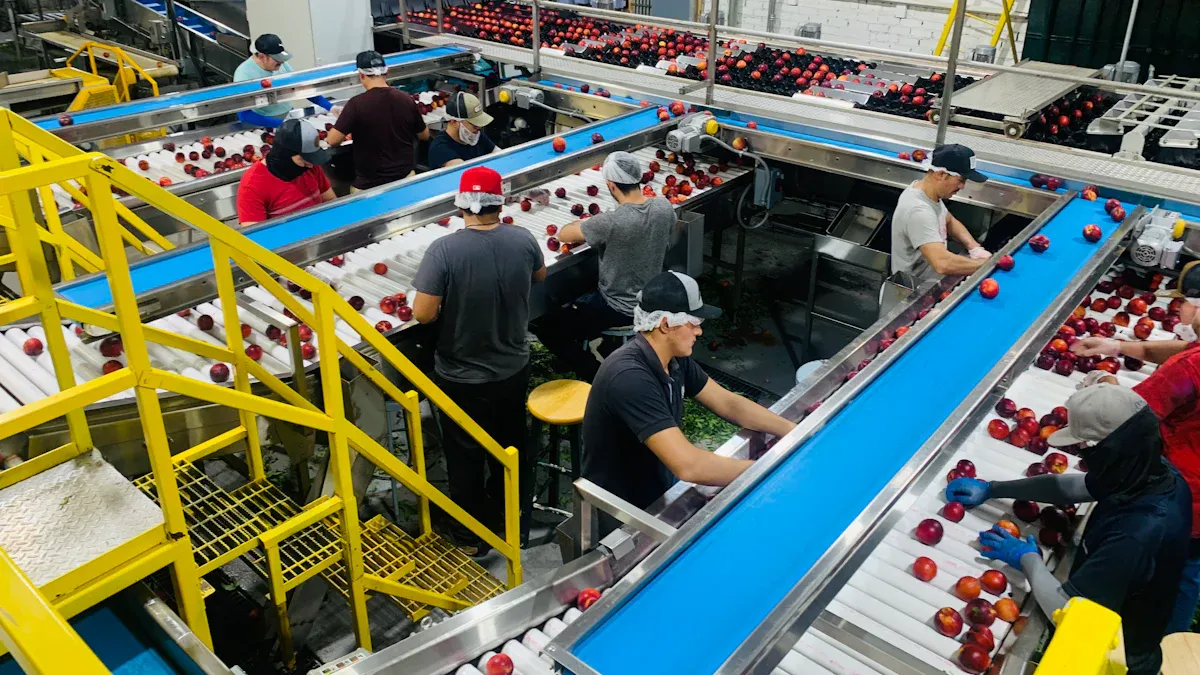
Optical sorters are sophisticated machines that automate the inspection and sorting of materials. They combine advanced hardware with intelligent software to identify and remove unwanted items from a production line with incredible speed and accuracy.
Core Technology Explained
At the heart of an optical sorter lies its powerful imaging system. This hardware acts as the machine's eyes, using a combination of high-resolution cameras and specialized sensors to see what the human eye cannot. Key components include:
- Image Sensors: CCD (Charge-Coupled Device) and CMOS (Complementary Metal-Oxide-Semiconductor) sensors capture high-quality images of each item.
- Specialized Sensors: InGaAs (Indium Gallium Arsenide) sensors operate in the Near Infrared (NIR) spectrum, allowing the machine to analyze an object's chemical composition and internal structure, not just its surface appearance.
The system's software acts as its brain. It processes the raw data from the sensors in milliseconds. Using object-based recognition, the software identifies items based on color, size, shape, and even the total defective surface area. This allows operators to define precise accept/reject thresholds for unparalleled quality control.
The Sorting Process in Action
The sorting process is a seamless, high-speed operation from start to finish. A freeze dried pet food optical sorter provides a clear example of this technology at work.
- Infeed and Inspection: Pet food kibble travels on a high-speed conveyor belt into the inspection zone. Here, cameras and lasers scan every piece from multiple angles. The cameras detect variations in color, size, and shape, while lasers identify foreign materials like plastic or wood based on their structural properties.
- Data Analysis: The sorter's software instantly analyzes the image data, comparing each piece against the pre-set quality standards. It identifies contaminants, broken kibble, or discolored pieces in a fraction of a second.
- Ejection: When the software detects a defect or contaminant, it signals a bank of high-precision air jets. These jets fire a targeted puff of compressed air, ejecting only the unwanted item from the product stream while leaving the good product untouched.
Key Innovations Driving Performance
The latest optical sorters are more than just cameras and air jets. They are intelligent systems powered by groundbreaking innovations. These advancements push the boundaries of speed, accuracy, and automation, redefining what is possible in quality control.
AI and Machine Learning Algorithms
Artificial intelligence (AI) and machine learning give optical sorters the ability to learn and adapt. These systems continuously analyze data from the production line, improving their accuracy over time. This adaptability allows them to recognize new types of defects or contaminants without manual reprogramming. AI-powered algorithms enhance defect detection with incredible precision.
- They identify subtle discolorations or cracks in kibble that indicate processing errors.
- They detect foreign materials with unique textures or shapes, even if they are the same color as the product.
- They differentiate between acceptable product variations and actual defects, reducing the waste of good product.
This continuous learning process ensures the sorter becomes progressively smarter and more efficient at its job.
Advanced Sensor Fusion
Modern sorters achieve superior performance by combining data from multiple sensor types, a technique known as sensor fusion. A system might use a high-resolution color camera to check for surface blemishes while simultaneously using a near-infrared (NIR) sensor to verify the product's chemical composition. This multi-layered inspection provides a complete, three-dimensional understanding of each item. It allows the machine to detect hidden issues, such as internal rot or incorrect nutrient levels, that a single sensor would miss. This ensures every piece of pet food meets both visual and nutritional standards.
Robotics and Automation Integration
Integrating robotics and automation creates a fully streamlined sorting process that minimizes human intervention. When a freeze dried pet food optical sorter identifies a defective piece, it can signal a robotic arm to gently pick and place the item into a rejection bin. This automated handling is precise and hygienic. Automation also extends to system operation. Features like self-calibration, remote monitoring, and automated performance reports reduce the need for constant operator oversight. This frees up personnel for other critical tasks and ensures the sorting system runs at peak efficiency around the clock.
Tangible Benefits for Pet Food Manufacturing
Adopting optical sorting technology delivers concrete advantages that strengthen a brand's market position. These systems enhance product safety, guarantee nutritional value, and improve operational efficiency, creating a powerful return on investment.
Eliminating Contaminants and Defects
The primary function of an optical sorter is to protect the final product from unwanted materials. Today’s consumers hold a zero-tolerance policy for foreign objects in pet food. An in-line optical sorter ensures a safe and superior product, helping processors increase their market share. The technology excels at identifying and ejecting a vast range of contaminants with surgical precision.
- Foreign Materials: Sorters easily remove common production-line hazards like plastic tags, rubber gloves, metal clips, stones, and broken glass.
- Plastics and Polymers: They can detect same-in-color polymers such as PVC, PP, and PE, along with black rubber fragments and white silicone.
- Product Imperfections: The systems also identify and remove misshapen pellets, clumps, minute spot defects, and discoloration that signal quality issues.
The impact on quality control is significant. For example, J.G. Pears, a raw material processor, reported a 'dramatic' reduction in customer non-conformances after installing optical sorters. Site managers observed 'very, very little waste and foreign bodies' in their material, confirming the technology's effectiveness in removing plastics, wood, and rubber.
Ensuring Nutritional Consistency
Beyond visual inspection, advanced sorters guarantee the nutritional integrity of pet food. Near-Infrared (NIR) sensors provide a powerful, non-destructive method for real-time compositional analysis. These sensors illuminate the product as it flows along the conveyor. The system then analyzes the reflected light to measure key nutritional parameters.
The MCT560 NIR Sensor Series, for instance, scans at incredible speeds, recording 99 data points per second. This allows the analyzer to measure moisture, protein, and fat content in milliseconds. Manufacturers can use this data to make immediate process adjustments, ensuring every batch meets its precise nutritional targets without interrupting production.
The Freeze Dried Pet Food Optical Sorter Advantage
Freeze-dried pet food represents a premium, high-value market segment where quality perception is paramount. The delicate nature and high cost of these products make precision sorting essential. A freeze dried pet food optical sorter is specifically calibrated to handle these challenges. It gently inspects each piece, identifying and removing items with discoloration that may indicate improper drying or spoilage.
This specialized sorting protects the product's integrity and visual appeal. It also removes any potential foreign material without damaging the fragile, high-value pieces. By ensuring only perfect products reach the consumer, a freeze dried pet food optical sorter helps brands justify their premium pricing and build unwavering consumer trust.
Reducing Waste and Maximizing Yield
Optical sorters transform a company's approach to resource management by dramatically reducing waste. By precisely separating defective items from the main product stream, these systems minimize the loss of good product, a common issue with manual or less advanced sorting methods. This precision directly translates into higher yields and improved profitability. The financial and environmental benefits are clear.
Cost Savings:
- Increased profit margins from higher product yield.
- Lower disposal expenses for waste sent to landfills.
- Creation of new revenue streams by converting byproducts into animal feed.
Sustainability Efforts:
- Reduced greenhouse gas emissions, as food waste is a major contributor.
- Conservation of water, land, and energy resources.
- Support for a circular economy by ensuring only high-quality materials enter recycling streams.
Ultimately, a technology like a freeze dried pet food optical sorter does more than just clean a product line; it optimizes the entire production process for greater financial and environmental sustainability.
The Future of Sorting: 2026 and Beyond
The evolution of optical sorting is accelerating, pushing the industry toward a future defined by proactive intelligence and complete transparency. By 2026, these systems will not just react to defects; they will predict and prevent them, reshaping quality control from the ground up. Emerging technologies are set to enhance these capabilities even further.
- Deep learning algorithms for superior accuracy
- Integration of IoT for real-time monitoring
- Advanced multispectral imaging
- Fully automated systems with robotic handling
Predictive Quality Control
Future optical sorters will function as intelligent data hubs. AI and machine learning will analyze sorting data over time, identifying subtle trends that signal upstream process issues. This allows manufacturers to pinpoint equipment needing maintenance or suppliers providing inconsistent raw materials.
For example, an AI system can flag an underperforming saw motor or an overheated machine weeks before it fails. This predictive insight prevents costly downtime and contamination events, transforming maintenance from a reactive chore into a proactive strategy. By analyzing ejection spikes, processors can avoid the unnecessary loss of good product, saving thousands of dollars monthly.
End-to-End Supply Chain Traceability
Integrating optical sorter data with blockchain technology will create an unbreakable chain of trust. Each product's inspection data, including images and compositional analysis, can be encrypted and stored on a secure digital ledger. This process creates an immutable record of a product's history, status, and quality from the factory to the consumer. This level of transparency helps prevent counterfeiting and allows for instant verification of product integrity, giving consumers unprecedented confidence in the food they purchase for their pets.
Sorting for Custom and Niche Diets
The growing demand for personalized pet nutrition requires sorting technology that can handle complex recipes and unique ingredients. Future sorters will use advanced AI and multispectral imaging to meet this challenge. These smart systems will differentiate between ingredients with near-identical appearances, ensuring each custom batch contains the precise blend of proteins, grains, and supplements. This capability allows manufacturers to produce specialized, high-value diets with absolute confidence in their quality and compositional accuracy.
Advanced optical sorters represent a fundamental shift in pet food production. Leading brands like Vobra Special Petfoods adopt this technology, making precision a necessity for quality and safety. Looking toward 2026, optical sorting will be central to meeting consumer demands for safer, higher-quality, and more transparent pet nutrition.
FAQ
Can one optical sorter handle both kibble and freeze-dried food?
Yes. Operators use pre-set programs to switch between products like kibble and freeze-dried food. This ensures optimal sorting performance and quick production line changeovers for maximum efficiency.
How much maintenance do optical sorters require? (gear icon)
These systems require minimal daily maintenance. Automated features like self-calibration and remote diagnostics reduce operator workload. Routine cleaning and scheduled inspections ensure the system maintains its peak sorting accuracy.
Can optical sorters integrate into existing production lines?
Yes. Manufacturers design optical sorters for seamless integration. Their compact footprint allows them to fit into most existing layouts, upgrading quality control without requiring a complete line overhaul.
See Also
Capsule Sorters: Essential Technology for Flawless Product Quality Assurance
Defining Pharmaceutical Checkweighers: Key Attributes for Precision and Accuracy
Sterile Filter Devices: Unraveling Their Critical Functionality and Operation
Top Capsule Checkweighers for Buyers to Evaluate in 2025
Automatic UV Coaters: Indispensable for Achieving Rapid, High-Quality Printing