Food X-Ray inspection for Packaged products
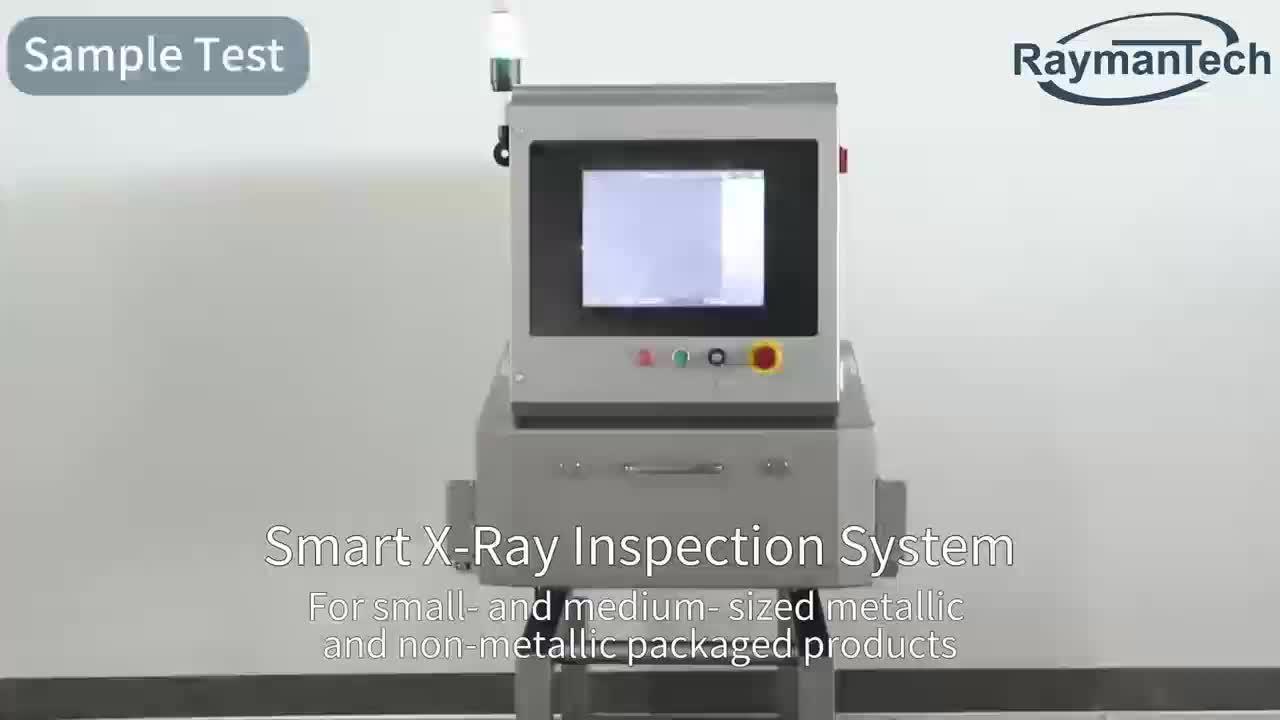
Selecting the right technical specifications for Food X-Ray inspection for Packaged products is vital. Key features include X-ray power, detector resolution, conveyor speed, and advanced image processing. The table below shows how features align with application areas, highlighting the importance of system adaptability for various packaging types and compliance with food safety standards.
Application Area | Key Features | Technology Type |
|---|---|---|
Packaged Foods | Versatile inspection, high sensitivity, advanced imaging | Digital |
Key Takeaways
Selecting the right technical specifications, like detector resolution and sensitivity, is crucial for compliance with food safety standards.
Advanced image processing and AI software enhance contaminant detection, reduce false positives, and streamline quality assurance.
Regular maintenance and proper training are essential for reliable operation and extending the life of X-ray inspection systems.
Technical Specs in Food X-Ray Inspection for Packaged Products
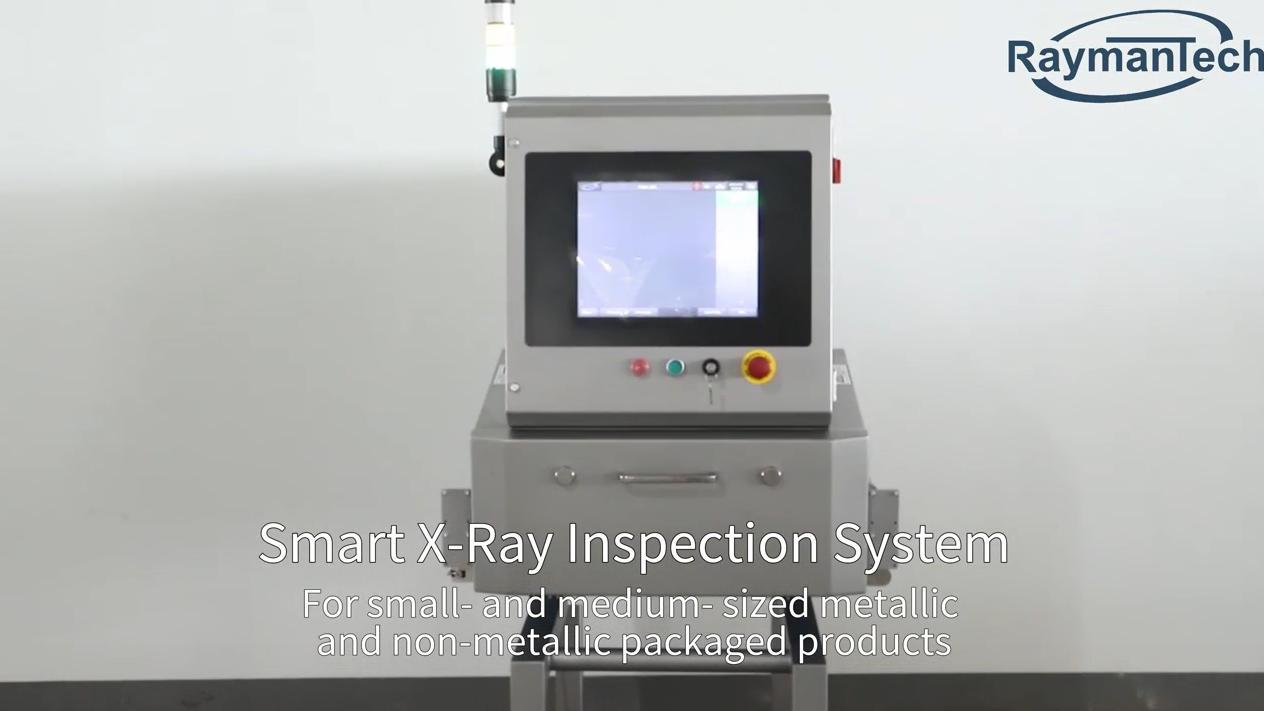
X-Ray Power & Energy
X-ray power and energy determine the system’s ability to penetrate different packaging materials and product densities. Higher energy levels allow inspection of dense or multi-layered products, while lower energy settings suit lighter items. Modern Food X-Ray inspection for Packaged products often features energy-efficient designs that minimize power consumption and reduce operational costs. RaymanTech’s compact systems deliver reliable performance with optimized energy use, supporting sustainability goals and consistent detection across a wide range of packaged goods. Energy-efficient operation also helps maintain stable performance in environments with fluctuating temperatures or humidity.
Detector Type & Resolution
The detector type and its resolution directly influence the minimum size of contaminants that can be detected. High-resolution line-array detectors, such as RaymanTech’s 0.4mm technology, provide sharp, detailed images that enhance contaminant identification. The table below compares detector types and their impact on sensitivity:
Detector Type | Contaminants Detected | Sensitivity Factors |
|---|---|---|
Metal Detectors | Ferrous, non-ferrous, stainless steel particles | Utilizes coils and high-frequency fields; multiscan technology enhances detection. |
X-ray Inspection | Metallic and non-metallic contaminants | Can penetrate various packaging types; analyzes density variations to detect issues. |
Food X-Ray inspection for Packaged products with advanced detectors can identify a wide range of foreign materials, including glass, bone, stone, and plastics. High detector resolution reduces the risk of false negatives and ensures compliance with food safety standards.
Conveyor Speed & Throughput
Conveyor speed and throughput define how many packages can be inspected per minute (PPM). The typical conveyor speed for Food X-Ray inspection for Packaged products is around 0.22 meters per second. Slower speeds can improve detection accuracy, while higher speeds may reduce sensitivity. RaymanTech systems balance speed and accuracy, supporting efficient production lines without compromising safety. The number of packs per minute depends on product size, inspection window, and system configuration. For example, smaller packs and wider tunnels allow higher throughput, while larger or denser products may require slower speeds for optimal inspection.
FAQ: How many packs per Minute (PPM) can be inspected by an x-ray system?
Most Food X-Ray inspection for Packaged products can inspect between 100 and 300 packs per minute, depending on product size, conveyor width, and system sensitivity settings.
Sensitivity & Detection Limits
Sensitivity measures the smallest contaminant size the system can reliably detect. Detection limits depend on factors such as product density, packaging material, and system calibration. RaymanTech’s high-sensitivity X-ray technology excels at identifying even tiny fragments of metal, glass, bone, or plastic. Maintaining documented sensitivity specifications for each product type is crucial for consistent performance. Environmental conditions, such as electrical interference or vibration, can also affect sensitivity.
FAQ: What effect does package type have on sensitivity?
Package type significantly impacts sensitivity. Metalized films or dense packaging materials can reduce X-ray penetration, making it harder to detect small contaminants. Systems like RaymanTech’s, with adaptable energy settings and advanced detectors, maintain high sensitivity across various packaging types.
Image Processing & Software
Advanced image processing and AI-powered software are essential for accurate contaminant detection. Modern Food X-Ray inspection for Packaged products use sophisticated algorithms to analyze density variations and identify foreign objects in real time. RaymanTech’s AI-powered image processing enhances accuracy, reduces false positives, and enables virtual weighing and automated reporting. High-resolution imaging software, similar to SimulTask™ PRO, provides exceptional clarity and contrast, allowing operators to distinguish subtle differences in product composition. Integration of machine learning enables the system to adapt to new threats and improve over time.
Key software features include:
Real-time analysis and decision-making
Automated data logging and reporting
User-friendly interfaces with one-click start and multilingual support
These capabilities ensure compliance with food safety regulations and streamline quality assurance processes.
Tip: Consistent documentation and validation of system performance help maintain high detection rates and minimize the risk of contaminated products reaching consumers.
Food X-Ray inspection for Packaged products benefit from these technical advancements, ensuring reliable contaminant detection, operational efficiency, and regulatory compliance.
Suitability for Packaged Product Types
Packaging Material Adaptability
Food X-Ray inspection for Packaged products must handle a wide range of packaging materials. Metalized film, glass, and plastic are common in the food industry. Metalized film packaging, while popular for its shelf-life benefits, creates challenges for traditional metal detectors. X-ray inspection technology overcomes these limitations by detecting contaminants such as metal, glass, stone, bone, and dense plastics, regardless of the packaging type. This makes X-ray systems highly effective for products that use advanced or multi-layered packaging.
FAQ: What packaging types can be inspected using X-ray technology?
X-ray inspection systems can inspect products in metalized film, glass, plastic, paper, and composite packaging. This versatility ensures reliable contaminant detection across diverse product lines.
Product Size & Shape Range
Modern X-ray systems adapt to various product sizes and shapes using advanced image processing. These systems measure product dimensions, calculate volume, and detect irregularities. This adaptability is essential in industries like bakery and dairy, where consistency in size and shape impacts both quality and packaging efficiency. RaymanTech offers multiple window sizes, from 200mm to 1200mm, supporting inspection of small snack packs to large bulk items.
Hygiene & IP Ratings
Hygiene and ingress protection (IP) ratings are critical for food safety. Strong IP ratings allow systems to withstand rigorous washdown procedures and prevent microbiological contamination. RaymanTech provides models with IP65, IP66, and IP69K ratings, ensuring protection against dust and water in demanding environments.
IP Rating | Protection Against Solids | Protection Against Liquids |
|---|---|---|
IP65 | Total dust protection | Low-pressure water jets |
IP66 | Total dust protection | High-pressure water jets |
IP69K | Total dust protection | High-pressure, high-temperature spray |
Hygienic design features, such as smooth surfaces and rounded corners, further reduce contamination risks. Compliance with standards like HACCP and BRC is supported through automated rejection, data logging, and continuous monitoring, ensuring food safety at every stage.
Additional System Considerations
Footprint & Integration
A compact system footprint is essential for seamless integration into existing production lines. Many facilities face challenges when retrofitting new equipment due to limited space and established workflows. Key considerations include:
Space constraints often limit placement options for inspection systems.
Integration may require operational synchronization with upstream and downstream processes.
Retrofitting can disrupt production if not planned carefully.
RaymanTech’s compact design addresses these challenges, allowing installation even in tight spaces. The system supports multiple window sizes, making it adaptable for various product lines. Manufacturers typically install X-ray systems at the end-of-line, but flexible placement is possible to inspect both primary and secondary packaging.
Maintenance & Reliability
Routine maintenance ensures reliable operation and extends equipment life. Common maintenance tasks include:
Regular cleaning to maintain efficiency and prevent residue buildup.
Calibration to uphold detection accuracy and minimize false results.
Proper handling and storage to avoid equipment damage.
RaymanTech systems feature robust construction and low-maintenance components. Automated reporting and self-diagnostic tools help operators identify issues early. Comprehensive training for operators, technicians, and managers further supports system reliability.
FAQ
What packaging types can be inspected using X-ray technology?
RaymanTech X-ray systems inspect foil, plastic, glass, cartons, pouches, trays, boxes, PET bottles, and blister packs. No packaging type limitations exist.
Tip: Choose the right model for your specific packaging needs.
Where on the production line would I place the X-ray system?
Manufacturers usually install X-ray systems at the end-of-line. RaymanTech solutions also fit at incoming goods, processing, or packaging stages for maximum safety.
Primary and secondary packaging inspection is supported.
How does automated product set-up benefit manufacturers?
Automated set-up speeds start-up, boosts uptime, and reduces errors. Manufacturers achieve optimal contaminant detection, protecting brand reputation and ensuring consistent quality.