Why Fluorescent grade Lithium Phosphate Li3PO4 CAS 10377-52-3 Is a Game Changer
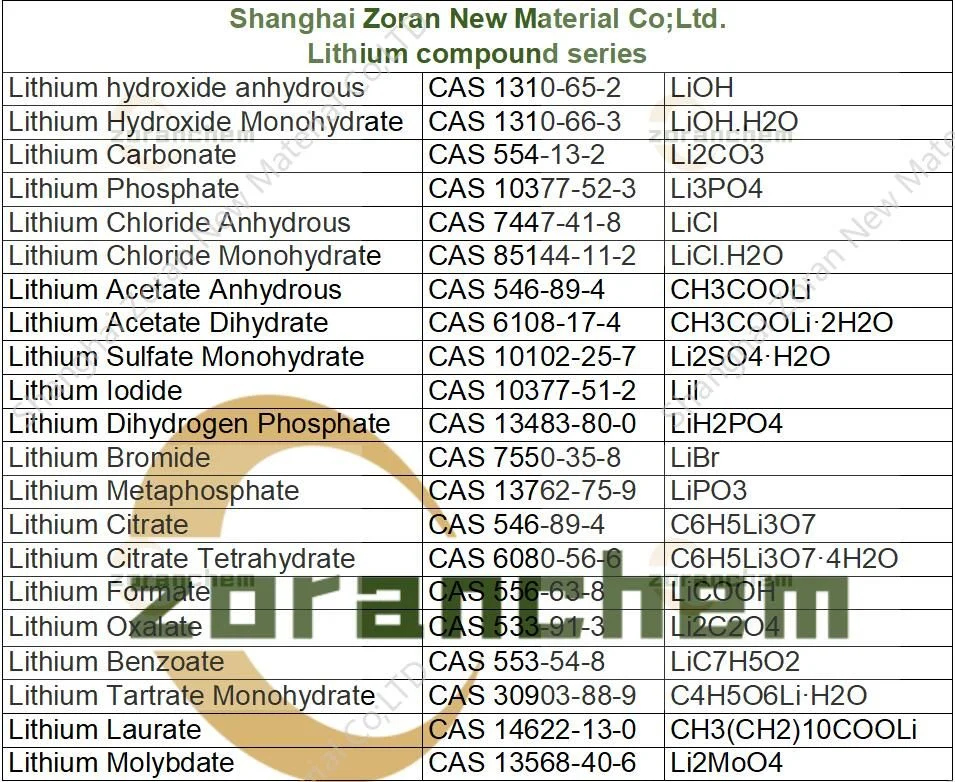
Fluorescent grade Lithium Phosphate Li3PO4 CAS 10377-52-3 is a game changer. Its high purity (≥99.0% standard, ≥99.9% high-purity) and tightly controlled particle characteristics deliver superior luminescence efficiency and stability in phosphor systems. These properties translate into brighter output, longer service life, and fewer production losses than conventional phosphor host materials. The material satisfies RoHS and REACH requirements and remains cost-competitive on a per-unit-of-performance basis.
Key Takeaways
- High purity reduces impurities that waste energy and dim light.
- Controlled particle size ensures even coating and fewer production defects.
- Thermal stability extends product life and reduces replacement costs.
Technical Performance of Fluorescent grade Lithium Phosphate Li3PO4 CAS 10377-52-3
High Purity for Clean Luminescence
Purity drives performance in any phosphor host material. Fluorescent grade Lithium Phosphate Li3PO4 CAS 10377-52-3 comes in two grades. The standard grade holds a Li3PO4 content of at least 99.0%. The high-purity grade reaches at least 99.9%. Both grades keep impurity levels under tight control. This control matters because trace metals can quench luminescence. They create non-radiative recombination centers inside the phosphor lattice. Each center absorbs energy and releases it as heat instead of light. The result is dimmer output and lower efficiency.
Zoran manufactures this material under strict quality control. The standard grade limits calcium to 0.0035% or less, iron to 0.001% or less, and copper, lead, and nickel to 0.0001% or less. Chlorine stays at 0.05% or below. The high-purity grade tightens these limits further. Calcium drops to 0.002% or less, magnesium to 0.001% or less, iron to 0.0005% or less, and chlorine to 0.08% or less. These low impurity levels give phosphor manufacturers a clean starting point. Batches behave the same way from lot to lot. Producers see fewer rejected batches and less rework. The material appears as a white crystalline powder. It stays insoluble in water and dissolves in dilute acids, so it fits standard phosphor processing routes.
Controlled Particle Size Distribution
Particle size shapes how a phosphor performs in real devices. A tight distribution supports uniform packing in the phosphor layer. Uniform packing leads to even light emission across the lamp or LED surface. It also improves screen printing and slurry stability during production. Oversized particles can cause settling and clogging. Undersized fines can scatter light and reduce extraction efficiency. Fluorescent grade Lithium Phosphate Li3PO4 CAS 10377-52-3 addresses both risks through consistent manufacturing control. The material's specific gravity of 2.54 g/cm³ and its controlled particle profile help formulators dial in slurry viscosity and coating thickness. Stable slurries mean fewer defects on the production line. Fewer defects mean higher yields and lower waste.
Thermal Stability and Longevity
Phosphor systems face heat during operation and during processing. Fluorescent lamps run warm at the tube surface. LED packages concentrate heat near the die. High-temperature processing steps add another thermal load. A host material must hold its structure through all of these conditions. Lithium Phosphate offers a melting point of 837°C. This high melting point gives the crystal lattice strong thermal resilience. The lattice resists degradation when temperatures rise. It also resists moisture-driven breakdown during storage and use. These traits extend service life in finished devices. Lamps keep their brightness longer. LED systems show less lumen depreciation over time. Manufacturers also gain process flexibility, because the material tolerates higher sintering and annealing temperatures without losing performance. Long service life lowers replacement costs for end users and builds brand trust for device makers.
Application Fit Across Phosphor Uses
Fluorescent Lamps
Fluorescent lamps remain a workhorse lighting technology in offices, warehouses, schools, and industrial facilities. These lamps produce light when ultraviolet radiation from a mercury discharge excites a phosphor coating on the tube wall. The phosphor then converts that UV energy into visible light. The host material in that coating shapes the final color, brightness, and lifespan of the lamp.
Fluorescent grade Lithium Phosphate Li3PO4 CAS 10377-52-3 fits this role well. Its high purity keeps the phosphor blend clean. Trace metals such as iron and copper can absorb UV energy and waste it as heat. Low impurity levels mean more of that energy becomes visible light. Lamp makers see higher lumen output from the same coating weight. They also see more consistent color from batch to batch. Color consistency matters in commercial spaces, where mismatched tubes look unprofessional and trigger complaints.
The material's thermal stability supports the demanding environment inside a fluorescent tube. Tube surfaces run warm during operation. The phosphor coating must hold its crystal structure through thousands of hours of heating and cooling cycles. Lithium Phosphate melts at 837°C, so it shrugs off these operating temperatures with room to spare. Lamps keep their brightness longer and show less color shift near end of life. Maintenance teams replace fewer tubes, and building owners save on both product and labor costs.
Production efficiency also improves. A controlled particle size distribution supports stable phosphor slurries. Stable slurries coat evenly on the glass tube. Even coatings mean fewer rejects on the line. Manufacturers gain higher yields and less material waste per production run.
LED Phosphor Systems
LED lighting has transformed the lighting industry over the past two decades. White LEDs typically combine a blue-emitting chip with a phosphor layer that converts part of that blue light into longer wavelengths. The phosphor layer determines the color temperature, color rendering index, and overall light quality of the finished lamp or fixture.
Phosphor conversion generates heat. The Stokes shift process releases energy as heat inside the phosphor particle. LED packages also concentrate heat near the chip. Temperatures inside a powered LED can climb well above ambient levels. The phosphor host must survive this thermal load without degrading. Fluorescent grade Lithium Phosphate Li3PO4 CAS 10377-52-3 brings a melting point of 837°C and strong lattice stability to the task. LED systems built on this host show less lumen depreciation over their service life. They hold their color point more tightly as they age.
Purity plays an equally important role in LED systems. Modern LED phosphors target narrow emission bands and precise color points. A single trace impurity can shift the emission spectrum or quench luminescence. The high-purity grade of this material limits calcium to 0.002% or less and iron to 0.0005% or less. These tight limits give phosphor formulators a reliable starting point. They can hit tight color bins with fewer adjustments and less trial and error.
Particle control supports the packaging side of LED production too. Phosphor particles must disperse evenly in silicone or other encapsulants. A tight size distribution prevents settling during cure. It also supports uniform light extraction from the package. Consistent dispersion means consistent color across every unit on the line. Manufacturers reduce binning losses and ship more product at premium color grades.
Specialty Phosphor and Optical Applications
Beyond mainstream lighting, phosphor materials serve specialized roles in optical systems, displays, sensors, and scientific instruments. These applications often demand the highest purity and the tightest process control. A single out-of-spec batch can ruin an entire production lot of high-value optical components.
Fluorescent grade Lithium Phosphate Li3PO4 CAS 10377-52-3 meets these demands through its high-purity grade. The material also serves as a host for colored fluorescent powders. These powders appear in security markings, display technologies, and specialty coatings. The compound's role extends to special glass and optical disc materials, where its optical clarity and chemical stability add value. It also acts as an effective catalyst in various chemical processes, so manufacturers can use one material across multiple production lines.
The physical properties of this compound support flexible processing. It appears as a white crystalline powder with a specific gravity of 2.54 g/cm³. It stays insoluble in water and dissolves in dilute acids. Formulators can choose aqueous or acid-based processing routes to match their existing equipment. The material ships in 25 kg woven bags with inner plastic liners or 25 kg paper barrels with plastic liners. Both options protect product integrity during storage and transport. Proper storage in a dry, well-ventilated area away from moisture and acids keeps the material at peak performance.
Compliance rounds out the application fit. The material satisfies RoHS and REACH requirements. Device makers who sell into European and global markets face strict substance restrictions. A compliant phosphor host removes a regulatory hurdle from the supply chain. Procurement teams avoid last-minute material swaps and requalification costs. The result is a smoother path from design to market for specialty optical products.
Fluorescent grade Lithium Phosphate Li3PO4 CAS 10377-52-3 earns its game-changer status through purity, particle control, and thermal stability. These traits raise luminescence efficiency and extend product life. The material fits fluorescent lamps, LEDs, and specialty phosphors. It meets RoHS and REACH requirements. Efficiency gains and reduced production waste make it cost-effective per unit of performance. This positions it as a strong fit alongside other phosphor materials where performance and compliance matter most.
FAQ
What purity grades does Fluorescent grade Lithium Phosphate Li3PO4 CAS 10377-52-3 come in?
Zoran offers two grades. The standard grade holds at least 99.0% Li3PO4 content. The high-purity grade reaches at least 99.9% and limits trace metals even further.
Which applications does this material serve best?
The material fits fluorescent lamps, LED phosphor systems, and specialty optical products. It also supports colored fluorescent powders, special glass, optical disc materials, and catalytic processes.
How should manufacturers store and handle this compound?
Store the material in a dry, well-ventilated area away from moisture and acids. Wear gloves, goggles, and masks during handling. Keep the original packaging sealed to protect product integrity.
See Also
Key WT20 Thoriated Tungsten Electrode Facts For Improved TIG Welding
Data-Backed Strategies To Enhance 2 5-Furandicarboxylic Acid Sustainability
Industrial Uses And Dissolution Methods For 2 5-Furandicarboxylic Acid
A Guide To Understanding Molybdenum High-Temperature Furnaces In 2025
Popular Phase-Cut Constant Voltage Dimmable Drivers Everyone Is Discussing