Fish in Gelatin Dishes Through the Ages
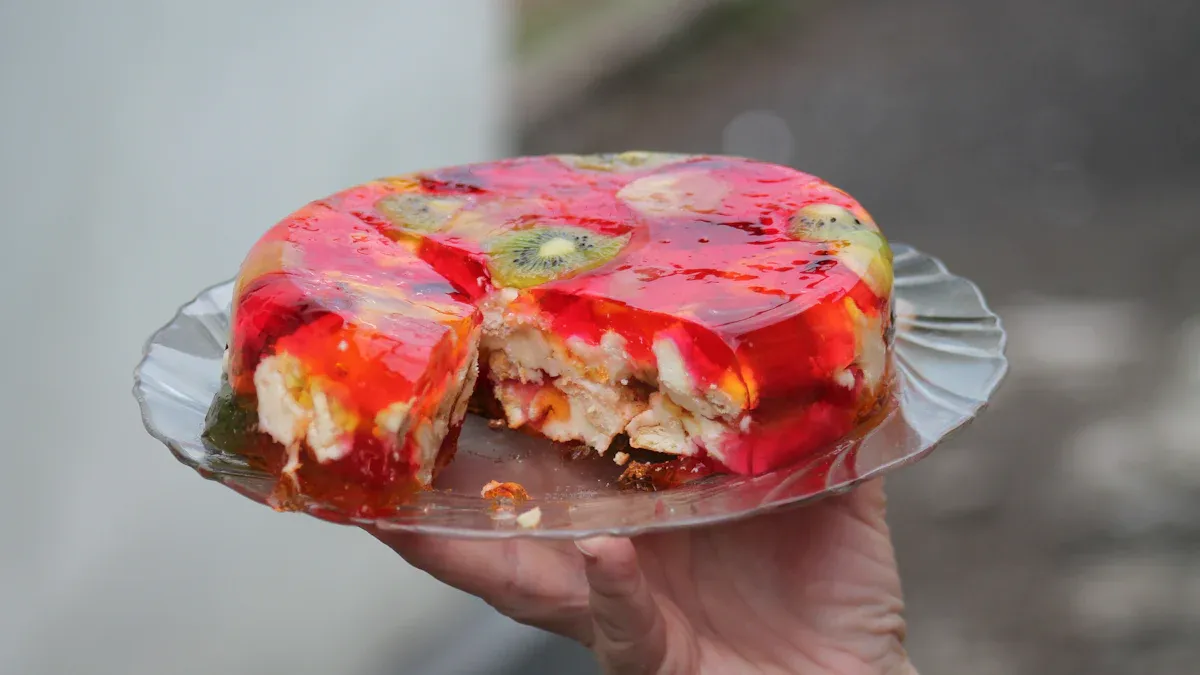
You see fish in gelatin dishes as more than just food. Ancient cooks used gelatin from fish heads, as described in the 10th-century B.C. book 'Kitab al-Tabikh'. Medieval English recipes show jelly preserved meat and fish, marking a shift in culinary traditions. These dishes reveal creative ways to preserve and celebrate fish.
Key Takeaways
- Fish in gelatin dishes have a rich history, showcasing ancient preservation methods that combined science and tradition.
- Modern convenience has made fish gelatin dishes accessible to everyone, allowing for healthier and culturally inclusive options.
- Innovations like agar provide new ways to create beautiful fish in gelatin dishes, catering to diverse dietary needs.
Origins of Fish in Gelatin
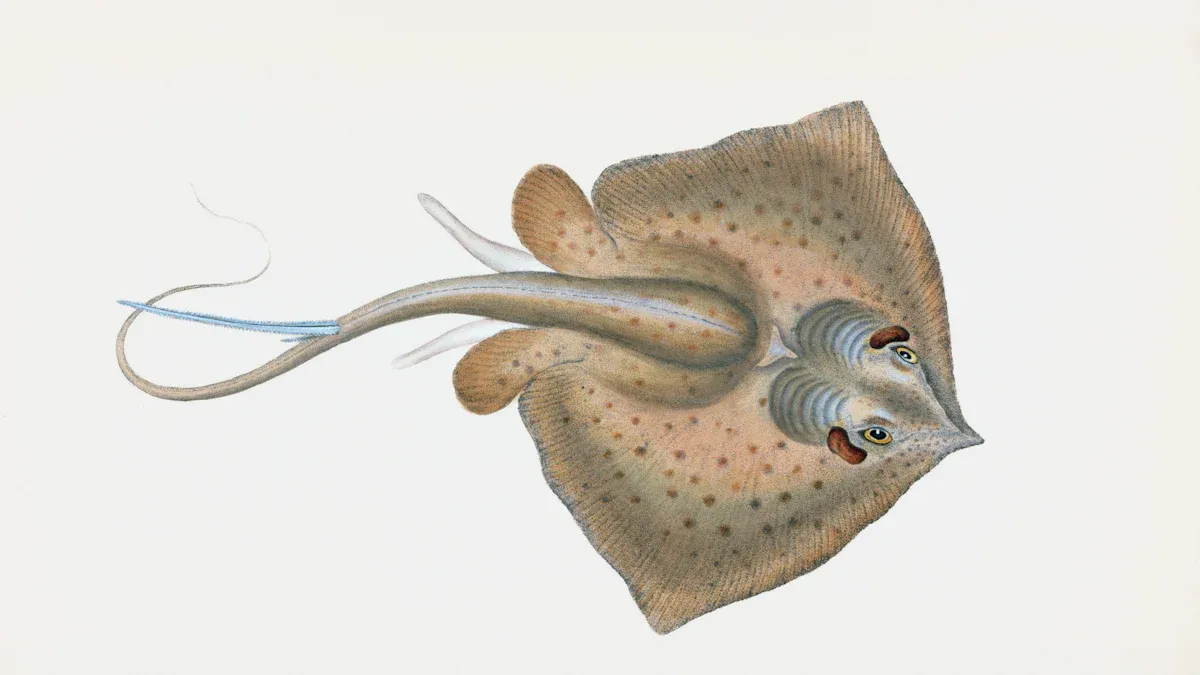
Early Preservation Methods
You can trace the history of fish in gelatin back to ancient times. Early cooks discovered that gelatin from fish skins helped preserve food. If you want to understand how people extracted gelatin, you can follow these steps:
- Clean fish skins with cold water and cut them into small pieces.
- Treat the skins with a dilute alkali solution.
- Wash the skins with plenty of water to remove excess acid or alkali and neutralize them.
- Wash again until the skins are neutral.
- Treat the skins with citric acid.
- Wash the citric acid-treated skins with cold water until neutral.
- Extract the neutralized skins with hot water at about 55°C to solubilize collagen.
- Filter the gelatin solution to remove impurities and de-ionize it.
- Evaporate the solution to concentrate it, then polish filter and sterilize at high temperatures.
Ancient societies also used blubber in sealskin pouches to preserve fish. The gelatin from blubber filled the spaces between fish, creating an environment that stopped bacteria from growing. This method protected the food from botulism and kept it safe for longer periods.
Medicinal and Ritual Uses
You might find that fish in gelatin served more than just practical purposes. People believed these dishes could heal and strengthen the body. In some cultures, gelatin-rich foods played a role in rituals and ceremonies. These traditions showed respect for the fish and honored the skills of cooks. You can see how these dishes became symbols of health and celebration.
Fish in gelatin dishes reveal how ancient people combined science and tradition to preserve and honor their food.
Cultural Flourishing of Fish in Gelatin

Medieval Europe and the Rise of Aspic
You can see how fish in gelatin became a symbol of wealth and creativity in medieval Europe. Aspic, a savory jelly made from meat or fish stock, started to appear in the 14th century. Wealthy families served aspic dishes at feasts. These dishes required careful gelatin extraction, which took a lot of time and skill. You might notice that only the rich could afford aspic because the process was expensive.
Take a look at this table to understand how aspic developed and gained popularity:
| Time Period | Development of Aspic | Popularity and Techniques |
|---|---|---|
| 14th Century | Jellies begin to appear, including savory aspic dishes. | Restricted to the wealthy due to time-consuming gelatin extraction. |
| 16th Century | Introduction of isinglass from Russia for gelatin. | Costly imports limited widespread use. |
| 18th Century | Aspic becomes a popular dish, often used as centerpieces. | Elaborate molds and presentation become fashionable. |
| 19th Century | Mass production of gelatin fuels popularity. | Georgian and Victorian eras see a craze for molded jellies. |
Aspic dishes often featured fish in gelatin, shaped in molds and decorated with herbs or vegetables. You could find these dishes at banquets, where they impressed guests with their beauty and taste. People valued aspic for its ability to preserve fish and meat, making it a practical and elegant choice.
Aspic showed how cooks used science and art to create dishes that lasted longer and looked beautiful.
Eastern European Traditions: Kholodets and Gefilte Fish
You can explore Eastern Europe to find unique fish in gelatin dishes. Kholodets, a savory jelly made from meat or fish, became a staple in Russian and Ukrainian homes. You prepare kholodets by boiling fish or meat bones for hours. The natural gelatin sets the broth into a firm jelly. Families serve kholodets during holidays and special occasions. You might see it decorated with carrots, parsley, or boiled eggs.
Gefilte fish, another famous dish, comes from Jewish communities in Eastern Europe. You make gefilte fish by grinding fish, mixing it with eggs and vegetables, and cooking it in a gelatin-rich broth. The broth sets into a jelly, holding the fish together. Gefilte fish often appears at Passover and other celebrations. You can taste the history in every bite, as these dishes connect families to their heritage.
- Kholodets and gefilte fish use gelatin to preserve and enhance flavor.
- These dishes bring people together and mark important events.
Asian Innovations: Fish in Agar
You can travel to Asia and discover new ways to create fish in gelatin dishes. Asian cooks use agar, a plant-based gelling agent from red algae. Agar has a higher gelling strength than animal gelatin. It stays firm at warmer temperatures, so you do not need refrigeration to set the jelly. Agar works well for vegan, vegetarian, halal, and kosher diets.
Here is a table that shows the differences between agar and Western gelatin:
| Property | Agar | Western Gelatin |
|---|---|---|
| Origin | Plant-based (red algae) | Animal-based |
| Gelling Strength | Higher | Lower |
| Temperature Stability | Stable at higher temperatures | Requires refrigeration to set |
| Dietary Suitability | Vegan, vegetarian, halal/kosher | Not suitable for vegetarians |
| Melting Point | Melts at higher temperatures | Melts at lower temperatures |
Asian chefs use agar to make clear, colorful fish in gelatin dishes. You might see these dishes at festivals or in restaurants. Agar lets you create shapes and layers that look beautiful and taste refreshing. You can enjoy fish in gelatin without worrying about dietary restrictions.
Asian innovations show how you can use local ingredients to create new traditions and flavors.
Modern Shifts in Fish in Gelatin
20th Century Popularity and Social Trends
You saw fish in gelatin dishes become more common in the 20th century. The introduction of powdered gelatin made preparation easier for home cooks. You could quickly make aspics and seafood jellies without spending hours in the kitchen. The gelatin market expanded, and fish gelatin became a less allergenic option. Many cultures and religions accepted fish gelatin, which helped it gain popularity. You noticed that the use of fish gelatin addressed health concerns and cultural preferences. The production process used byproducts from the fishing industry, making it more appealing. Fish gelatin shared similar qualities with porcine gelatin, so you could use it in many recipes.
- Powdered gelatin made aspics accessible to everyone.
- Fish gelatin offered health and cultural benefits.
- The fishing industry found new uses for its byproducts.
The rise of convenience foods changed how you viewed gelatin dishes. Jell-O became a household name, and aspics lost their elite status. You saw gelatin dishes shift from luxury items to everyday foods.
Technological Advances and Changing Palates
You witnessed new technology improve fish in gelatin dishes. Scientists developed edible coatings using fish gelatin and natural extracts. These coatings delayed spoilage and kept fish fresh longer. Adding Moringa oleifera extract enhanced preservation and improved color and texture. You saw the gelatin market adapt to consumer demands for healthier and sustainable options. Extraction techniques became more efficient, and ethical sourcing grew important.
- Edible coatings with fish gelatin preserve freshness.
- Moringa extract improves sensory qualities.
- The market shifts toward sustainability and health.
Enduring Legacy and Contemporary Revivals
You still find fish in gelatin dishes in modern cuisine. Jell-O salad remains part of American food traditions. Groups like the Mid-Century Supper Club host themed potlucks to celebrate these dishes. Families in the South, Midwest, and Utah keep gelatin dishes as part of their heritage. You see chefs revive aspic with new flavors and presentations. Gefilte fish and kholodets appear in contemporary recipes, blending tradition with innovation.
- Jell-O salad connects you to history.
- Potlucks and family gatherings keep traditions alive.
- Modern chefs reinterpret classic dishes.
Fish in gelatin dishes continue to evolve, showing how you can honor the past while embracing new ideas.
You discover that fish in gelatin dishes show how necessity, creativity, and cultural identity shape food traditions. Recipes like 'gelee of fysche' and festive jellies connect you to heritage and innovation. Exploring their story helps you understand how food adapts and brings people together across generations.
FAQ
What is gelatin, and how do you get it from fish?
Gelatin comes from fish skin and bones. You boil them to release collagen. Collagen turns into gelatin when you cool the liquid.
Are fish in gelatin dishes safe to eat?
You can eat fish in gelatin dishes safely. Gelatin preserves fish and stops bacteria from growing. Always store these dishes in the refrigerator.
Can you use plant-based gelatin for fish dishes?
You can use agar, a plant-based gelatin. Agar works well for fish dishes. It stays firm at room temperature and fits vegan diets.
Tip: Agar lets you create colorful and creative fish in gelatin dishes.
See Also
Comparing Bovine Gelatin Powder With Fish And Pork Varieties
The Production Process And Ingredients Of Edible Gelatin
10 Creative Methods To Incorporate Bovine Gelatin Powder
Understanding The Composition And Production Of Bovine Gelatin