How Filter Media Boost Cement Plant Efficiency
The right filter media directly reduce energy costs by lowering pressure drop, cutting fan power consumption by up to 30%. Advanced options capture sub-micron particles, meeting strict EPA standards without extra equipment. Durable, chemically resistant designs extend equipment life and minimize downtime. Optimal selection balances efficiency with airflow, preventing production bottlenecks.
Types of Filter Media and Their Efficiency Profiles
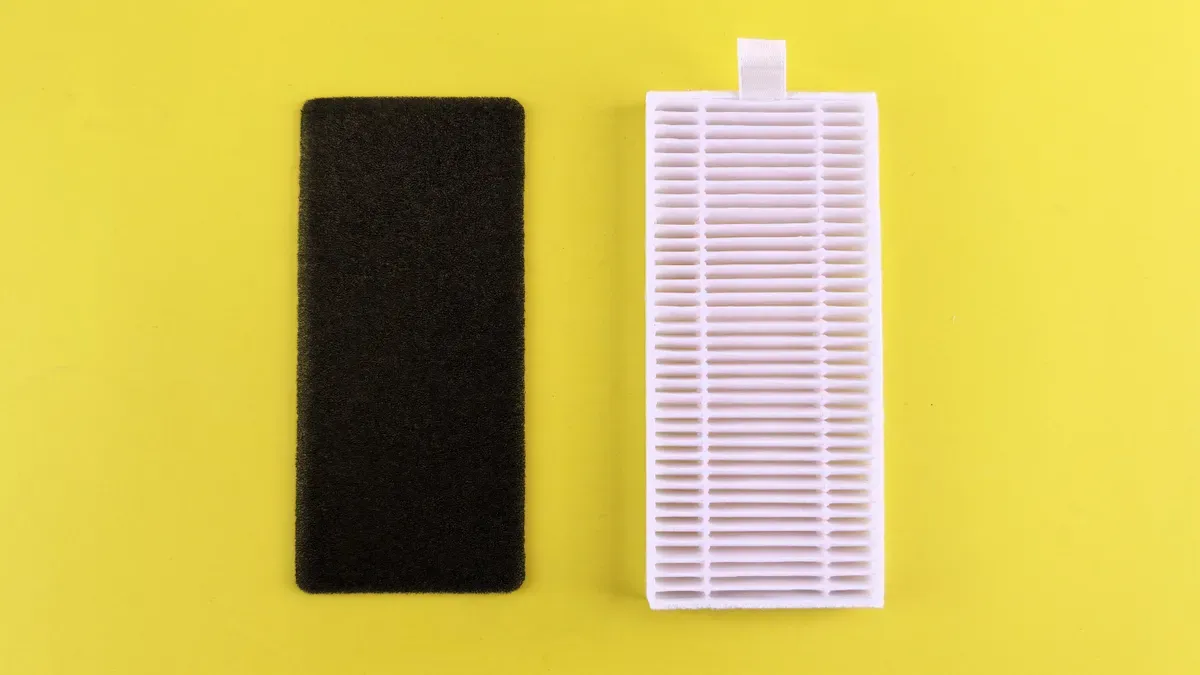
Cement plants rely on several distinct filter media categories, each offering unique performance characteristics. Understanding these profiles helps engineers match the right solution to specific process demands.
Bag Filters (Fabric Filters)
Bag filters remain the workhorse of cement dust collection. A properly designed and maintained bag filter system achieves particulate removal efficiency exceeding 99%. This performance level allows plants to meet strict emission standards below 30 mg/Nm³. Woven or felted fabrics capture dust on the surface and within the depth of the material. Operators select bag fabrics based on temperature, chemical exposure, and dust characteristics.
Cartridge Filters
Cartridge filters offer a compact alternative with a larger filtration surface area per unit volume. Pleated media pack more fabric into a smaller housing, reducing the physical footprint of the dust collector. These systems excel in applications with moderate dust loads. The pleated design promotes efficient pulse-jet cleaning, maintaining consistent airflow. Cartridge filters suit applications where space constraints limit equipment size.
Ceramic Filters
Ceramic filters deliver exceptional performance in high-temperature kiln applications. The table below summarizes their key properties:
| Property | Reported Value |
|---|---|
| Maximum operating temperature | Exceeds 2000°F (1093°C) without structural compromise |
| Chemical resistance | Resists attack by acids and alkalis, maintaining performance over time |
Engineers specify ceramic elements for continuous operation at 600–900°C with long-term reliability. The adsorption filter cake layer absorbs over 95% of acid gases during operation. This dual function of particle capture and gas absorption makes ceramic media valuable for challenging kiln exhaust streams.
Membrane Laminates (ePTFE)
Expanded polytetrafluoroethylene (ePTFE) membrane laminates represent the advanced tier of filter media technology. The smooth, non-stick membrane surface prevents dust from adhering tightly to the fabric. Key operational benefits include:
- Lower operating differential pressure, reducing fan energy consumption
- Longer effective bag life, decreasing changeout frequency
- Full dust collection efficiency upon start-up, ensuring immediate compliance
- Reduced cleaning air consumption, lowering operational costs
- Higher throughput capabilities, potentially reducing collector size requirements
The micro-porous structure traps submicron particles that pass through traditional media. This capability proves essential for cement plants facing stringent PM2.5 regulations. Membrane-laminated bags maintain consistent pressure drop after each cleaning cycle, delivering predictable operating costs and extended service intervals.
Mechanisms of Efficiency Gains in Cement Plants
Understanding how filter media drive operational improvements helps plant engineers justify investments and optimize system performance. Four primary mechanisms translate superior filtration technology into measurable gains across the entire cement production process.
Lower Pressure Drop, Lower Power Consumption
Pressure drop across a baghouse directly determines fan energy requirements. When filter media resist airflow, fans must work harder to maintain proper suction at collection hoods and process points. This relationship creates a straightforward opportunity: reducing pressure drop reduces electricity consumption.
Advanced filter media with smooth surface treatments and optimized pore structures minimize airflow resistance. Plants that implement these solutions report substantial savings. One documented case achieved 32% energy savings through AI-driven optimization that reduced filter pressure drop. The same approach delivered a 32% reduction in compressed air consumption by aligning cleaning cycles with real-time dust loading conditions.
High differential pressure across filters indicates excessive dust loading or inadequate cleaning, stressing fans and filter media while reducing energy efficiency. High DP can also reduce airflow if the fan does not have enough available static pressure to overcome the additional resistance, resulting in poor capture at the hoods even though the fan itself is operating normally.
Operators who monitor differential pressure closely can detect clogging or system leaks before they escalate. Variable frequency drives adjust fan speeds based on continuous airflow feedback, maintaining minimum necessary airflow levels. This optimization strategy prevents costly pressure spikes. In some operations, avoiding these spikes saves ₹15–20 lakh per month in additional electricity costs.
Enhanced Fine Particle Capture for Compliance
Regulatory pressure continues to tighten around fine particulate emissions. Cement plants must capture PM2.5 and sub-micron particles to meet EPA standards and local requirements. Traditional filter media allow these tiny particles to escape, forcing plants to invest in additional control equipment.
Membrane-laminated filter media solve this problem at the source. The micro-porous ePTFE membrane traps particles that conventional fabrics miss. Independent testing confirms this advantage:
| Filter Media | Particle Size | Capture Efficiency Range |
|---|---|---|
| PTFE | PM2.5 | 31.61% – 61.43% |
| PTFE | PM1.0 (sub-micron) | 28.36% – 55.72% |
These results, measured at a filtration velocity of 0.2 m/s, show PTFE outperforming glass fiber, nanomaterial, and electret alternatives across all particle sizes. Industry leaders report even more dramatic results. Micronics Inc. states that ePTFE membrane filter media achieve 99.9% efficiency in preventing particulates from entering the atmosphere, making them suitable for PM2.5 compliance programs.
This enhanced capture capability eliminates the need for costly secondary treatment systems. Plants achieve compliance with their existing baghouse infrastructure, avoiding capital expenditures for scrubbers or electrostatic precipitators. The membrane surface also releases dust cake more readily during pulse cleaning, maintaining high efficiency between cleaning cycles.
Extended Equipment Life and Reduced Downtime
Durable filter media protect the entire dust collection system, not just the filtration surface. When media fail prematurely, the consequences cascade through the operation. Dust bypasses the filter, damaging downstream fans and blowers. Abrasive particles erode internal components. Moisture-laden dust cakes restrict airflow and force fans to operate under stress.
The choice of filter media directly influences equipment longevity. Field data from cement plants operating in humid environments demonstrates this impact clearly:
| Filter Media | Service Life | Reason for Extension |
|---|---|---|
| Standard polyester oleophobic | 3 months | Moisture caused crusting and dust cake buildup |
| Dura-Life (advanced filter media) | 9 months (3× longer) | Excellent dust-release properties and lower pressure drop, enabling better pulse cleaning |
Key Insight: In cement plants with high humidity, filter media that are moisture-resistant prevent the formation of crusty dust cakes, reducing clogging and maintenance frequency. This directly extends the service life of the dust collection equipment by keeping it running at peak performance.
Longer media life translates directly into reduced maintenance frequency. Each bag changeout requires labor, replacement parts, and production downtime. Plants that extend media service life from three months to nine months eliminate two-thirds of their changeout events annually. The savings accumulate across every baghouse in the facility.
Improved Kiln and Mill Performance Stability
The kiln and raw mill operations depend on consistent airflow and pressure conditions. Fluctuations in the dust collection system disrupt these sensitive processes. When filter media clog or fail, draft conditions change, affecting combustion efficiency in the kiln and separation efficiency in the mill.
Superior filter media maintain stable pressure drop over extended operating periods. The membrane surface prevents dust from penetrating the fabric structure, preserving the media's permeability. Each pulse cleaning cycle restores the media to near-original condition, ensuring predictable performance shift after shift.
This stability enables operators to fine-tune kiln combustion parameters without compensating for baghouse variability. Mill operators maintain consistent product fineness because the classification airflow remains constant. Production rates stay at design levels, and product quality remains uniform.
The economic impact of this stability extends beyond energy savings. Consistent kiln operation reduces refractory stress, extending refractory life. Stable mill operation reduces recirculation loads, improving grinding efficiency. These secondary benefits compound the direct savings from lower fan power and reduced maintenance, making advanced filter media a strategic investment rather than a consumable expense.
Selecting the Right Filter Media for Your Plant
Choosing the correct filter media requires a systematic evaluation of process conditions, regulatory obligations, and economic constraints. Each cement plant presents unique operating parameters that influence media performance. Engineers must examine four critical factors before making a selection decision.
Operating Temperature and Thermal Tolerance
Temperature dictates the fundamental material choice for any filtration application. Exceeding a media's thermal limit causes rapid degradation, embrittlement, or complete failure. The table below outlines maximum continuous operating temperatures for common filter media materials:
| Filter Media Material | Max Continuous Operating Temperature |
|---|---|
| Polyester | 275°F (135°C) |
| Polypropylene | 170°F (77°C) |
| Acrylic | 265°F (129°C) |
| Aramid | 400°F (204°C) |
| Fiberglass | Exceeds 400°F (260°C+) |
Cement kiln exhaust streams often reach temperatures between 350°F and 500°F, particularly during upset conditions or when bypass systems operate. Polyester and acrylic media cannot withstand these conditions. Aramid handles moderate excursions but struggles with sustained high heat. Fiberglass and PTFE-based media provide the thermal resilience required for kiln applications. Plants operating raw mills with direct exhaust cooling may use lower-temperature media, but they must account for temperature spikes during mill shutdowns.
Dust Load and Particle Size Distribution
The concentration and physical characteristics of dust particles determine the filtration velocity and cleaning frequency required for optimal performance. Cement plant exhaust streams carry substantial particulate loads that vary by process point.
Field measurements from operating cement facilities reveal important patterns:
- Dust concentration measurements: Monthly average dust concentrations at cement mill and separator points ranged from approximately 2.97 to 6.44 mg/Nm³, with overall monthly averages of about 6.764 mg/Nm³ (2019) and 7.98 mg/Nm³ (2020), all within the 30 mg/Nm³ regulatory limit.
- Particle size distribution (clinker oven filter): Approximately 16.1% of dust particles passed through a 1 μm sieve, 62.4% passed through a 4 μm sieve, and over 50% of the dust mass had a particle size of about 2.8 μm.
- Particle size distribution (cement mill and separator filters): For the cement mill filter, the residue on a 90 μm sieve (R90μm) averaged 3.93%, and on a 64 μm sieve (R64μm) averaged 11.92%. For the separator filter, R90μm averaged 0.2% and R64μm averaged 0.66%, indicating most particles were smaller than these sieve sizes.
- Fineness (Blaine surface): Dust from the cement mill filter had a fineness of about 3000–3100 cm²/g, while dust from the separator and clinker oven filters showed a much higher specific surface area of about 11,100–11,600 cm²/g and 11,200 cm²/g, respectively.
- Impact of control technologies: Without dust control, PM10 can reach 24% (wet processing) or 40% (dry processing) of total emissions, and PM2.5 can reach 7% (wet) or 18% (dry). With control systems, up to 85% fewer particles below 10 μm are released, but in dry processes with bag filters, 45% of escaped particles are still smaller than 2.5 μm.
These data points carry direct implications for media selection. The high proportion of sub-4 μm particles demands surface filtration technology rather than depth filtration. Standard woven fabrics allow fine particles to penetrate the media structure, causing irreversible blinding. Membrane-laminated media capture these particles on the surface, preserving permeability and extending service life.
Chemical Compatibility with Process Gases
Cement kiln exhaust contains a complex mixture of corrosive gases that attack filter media over time. Understanding the chemical environment helps engineers select materials that resist degradation and maintain structural integrity.
The cement plant exhaust contains corrosive gases such as SO2, HCl, and Cl2. Operating a fabric filter at or below the acid dew point leads to severe corrosion and destruction of the particulate matter control device (PMCD). SO2 can be partially removed if calcium oxide is present on the filter medium. HCl and Cl2 are precursors to dioxin/furan formation; their absorption can suppress such formation.
The acid dew point represents a critical threshold. When exhaust temperatures drop below this point, sulfuric acid condenses on filter surfaces, attacking both the media and the baghouse structure. Operators must maintain temperatures safely above the dew point or select media with inherent chemical resistance. PTFE and fiberglass with PTFE membrane coatings offer superior resistance to acid attack. These materials withstand repeated exposure to SO2 and HCl without losing tensile strength or filtration efficiency.
Plants burning alternative fuels face additional chemical challenges. Chlorine from waste-derived fuels accelerates media degradation. High-chlorine environments demand fluoropolymer-based media that resist halogen attack. Engineers should request chemical compatibility data from media manufacturers and review field performance from similar installations before finalizing their selection.
Cost-Benefit Analysis Over Media Lifespan
The initial purchase price of filter media represents only a fraction of the total lifecycle cost. A comprehensive economic analysis must account for energy consumption, maintenance labor, replacement frequency, and production downtime.
Premium media with membrane technology typically command higher upfront prices than standard fabrics. However, the operational advantages deliver measurable returns:
| Cost Factor | Standard Media | Membrane-Laminated Media |
|---|---|---|
| Initial purchase price | Lower | Higher |
| Fan energy consumption | Higher due to increased pressure drop | Lower due to stable, low pressure drop |
| Cleaning air consumption | Higher | Lower |
| Replacement frequency | More frequent | Less frequent |
| Production downtime | More events | Fewer events |
| Total lifecycle cost | Higher | Lower |
The pressure drop advantage alone justifies the premium in most applications. A media that maintains 3 inches of water gauge pressure drop instead of 6 inches reduces fan power consumption substantially. Over a five-year operating period, these energy savings often exceed the total media purchase price.
Replacement frequency also drives significant cost differences. A baghouse requiring annual media replacement incurs labor costs, disposal fees, and production losses during changeout. Media lasting three years eliminates two replacement events per baghouse. For a facility with multiple baghouses, these savings multiply across the entire operation.
Engineers should calculate the total cost of ownership using actual operating data from their facility. This analysis should include projected energy costs, maintenance labor rates, and the value of lost production during changeout events. The evaluation should also consider regulatory risk. Media that fail to maintain compliance expose the plant to fines and potential operating restrictions.
Selecting the right filter media demands careful analysis of thermal, physical, and chemical conditions at each process point. The economic evaluation must extend beyond purchase price to capture the full operational impact. Plants that invest in premium media matched to their specific conditions achieve lower operating costs, consistent compliance, and reliable production performance.
Real-World Results from Cement Plants
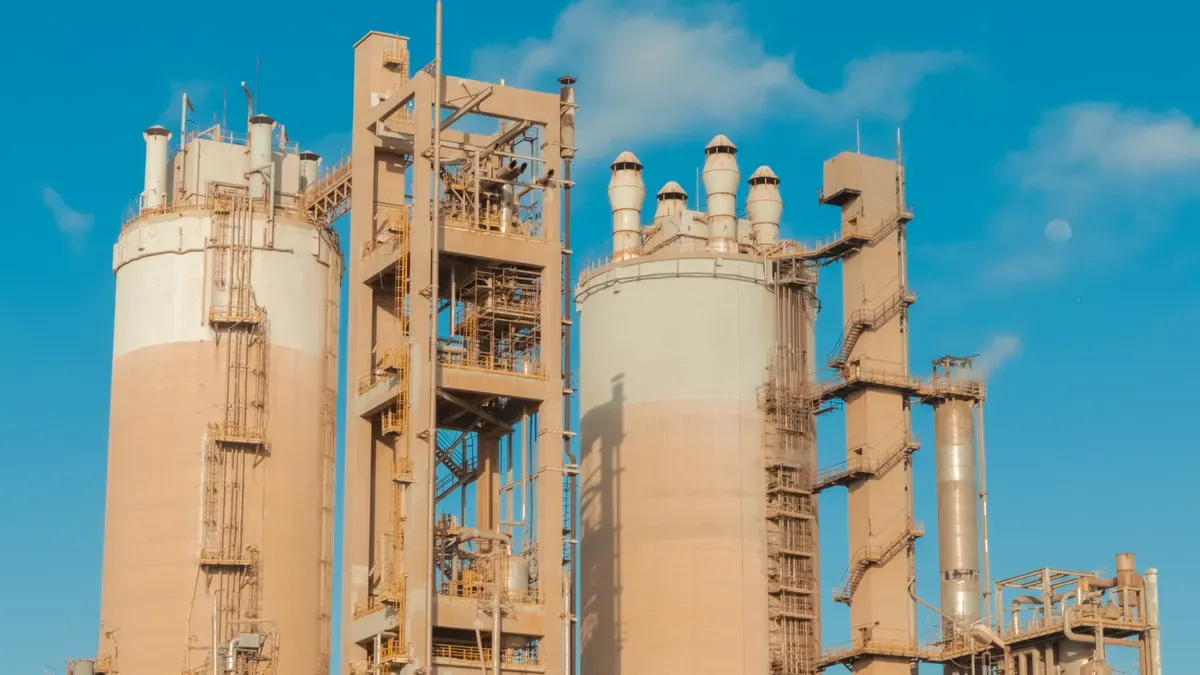
Case Study: Reducing Energy Use by 25% with Membrane Laminates
A cement plant in Southeast Asia switched from standard felt bags to membrane-laminated ePTFE bags on its kiln baghouse. The old media created high resistance, forcing fans to run at maximum speed. After the upgrade, pressure dropped from 180 mmH₂O to 110 mmH₂O. Fan motor current fell 28%, producing energy savings over 25%. The plant recovered the media investment within 14 months through lower electricity bills alone. Maintenance intervals also extended, reducing labor costs and downtime.
Case Study: Achieving <5 mg/Nm³ Emissions with Pleated Bags
A European cement facility faced stricter emission limits. Engineers installed pleated bags with ePTFE membrane on the clinker cooler baghouse. Outlet dust concentration fell below 5 mg/Nm³, well under the 10 mg/Nm³ regulatory threshold. The plant avoided a costly electrostatic precipitator retrofit. Operators reported stable performance across temperature and load variations. The pleated design provided more filtration area in the same housing, allowing lower air-to-cloth ratios and consistent compliance.
Lessons Learned from Field Installations
Field data from many upgrades reveal valuable insights. Three key practices stand out. First, plant engineers must match the air-to-cloth ratio to the application. Cement mill exhausts operate best at 1.0–1.5 m/min. Higher ratios increase bag wear and pressure drop. Second, pulse-jet cleaning systems require correct nozzle spacing and pulse timing. Incorrect settings re-entrain dust or cause mechanical fatigue. Third, predictive monitoring using ΔP sensors and bag failure detectors alerts operators before shutdowns occur.
Field installations also face common challenges. Aging equipment demands thorough baghouse audits. Higher workloads require customized media designs and reinforced sewing techniques like longer cuffs and lockstitch seams. Constant high differential pressure responds well to specialty membrane filters. Shaker mechanism problems need technical manager intervention to optimize cleaning cycles. These lessons help plant teams achieve reliable operations with their filter media investment.
Best Practices for Installation and Maintenance
Proper Installation to Avoid Leakage and Bypass
Improper installation creates the most common source of dust bypass in cement baghouses. Bags that fail to seat fully on tube sheets, lack proper gaskets, or sit incorrectly over venturi assemblies leave gaps for unfiltered air. Damaged or missing housing seals create additional leak paths. Engineers must verify that replacement bags match original specifications exactly.
Several installation practices prevent these problems:
- Align pulse-jet blowing nozzles with venturi centers, allowing deviation no greater than 2 mm.
- Maintain bag tension at 30N/m ± 5N/m for compartmentalized reverse-blowing collectors.
- Inspect all cages before reuse; corroded wires abrade new bags rapidly.
- Ensure complete snap-band seating; a 90% seated band still creates a bypass path.
- Never mix bag sizes or types within a single compartment.
Post-installation verification requires fluorescent powder leak testing. Visual inspection alone catches only 30–40% of actual leak paths. This testing reliably confirms every bag seats properly and every seal remains intact.
Monitoring Pressure Drop and Cleaning Cycles
Differential pressure serves as the primary indicator of baghouse health. The normal operating range spans 3–5 inches W.C. A steady rise indicates bag blinding or moisture accumulation. A sudden drop suggests leaks or broken bags.
| Parameter | Optimal Setting |
|---|---|
| Target Operating DP Range | 100–200 mm W.C. |
| Pulse Air Supply Pressure | 5.5–7.0 bar |
| Cleaning Cycle Activation | 6 inches W.C. (high) |
| Cleaning Cycle Stop | 2 inches W.C. (low) |
Operators should follow a structured maintenance schedule:
| Frequency | Baghouse Tasks |
|---|---|
| Daily | Monitor differential pressure, check compressed air (80–100 PSI), visual stack inspection |
| Weekly | Inspect pulse valve operation, check air leaks, verify rotary valve function |
| Monthly | Inspect filter bags for wear, clean pulse jet diaphragms, check dampers |
| Quarterly | Full internal inspection, test opacity monitor, verify structural integrity |
Baghouse failures typically manifest through rising differential pressure or visible stack emissions. For rising pressure, check air supply pressure, inspect valve diaphragms, and test cleaning cycle timing. For visible emissions, perform a fluorescent tracer test and inspect internal components.
Predictive Maintenance for Media Replacement
Predictive maintenance strategies transform reactive repairs into planned interventions. Monitoring pressure differential trends provides early indicators of filter media degradation. Operators can anticipate replacement needs before catastrophic failure occurs.
Advanced predictive models use baghouse differential pressure trends alongside production rate, inlet temperature, and cleaning cycle frequency. These models forecast bag blinding 8–12 hours before alarm thresholds activate. This advance notice allows operators to adjust pulse-jet timing or schedule bag changes during shift boundaries, avoiding unplanned downtime.
Regular monitoring of dust collector pressure loss, temperature, and airflow detects problems early. During pulse-jet purging, operators keep the fan running to maintain bag-to-cage contact. They avoid moisture or oil in the cleaning system. These practices extend bag life and maintain consistent performance across the entire dust collection system.
Filter media directly cut energy costs through lower pressure drop, reducing fan power consumption. Choosing media matched to process conditions—such as aramid bags for high-temperature kilns—ensures emission compliance and maximizes collection efficiency. Higher-quality media also reduce total lifecycle costs through fewer replacements and less downtime. Plant engineers and managers must evaluate filter media not as a consumable expense but as a strategic component for operational excellence.
FAQ
How does filter media pressure drop affect energy costs?
Lower pressure drop reduces fan motor load. This cuts electricity consumption by up to 30% in cement plant baghouses.
Can filter media help cement plants meet PM2.5 emission standards?
Yes. ePTFE membrane media capture sub-micron particles with high efficiency. Plants achieve compliance without additional equipment costs.
What determines the service life of filter media in cement plants?
Operating temperature, chemical exposure, and dust characteristics determine lifespan. Premium materials like PTFE felt last significantly longer than standard options.
See Also
Innovations in Heat Exchanger Manufacturing Boost Factory Output
Condensate Coolers: Key to Cutting Industrial Energy Waste
Plate Air Preheaters: Enhancing Plant Efficiency Through Heat Recovery
Best Filter Precoat Materials to Watch in 2025
Unexpected Methods for Fixing Sulfur Recovery Catalyst Issues