Fiberglass Mesh Tape for Drywall Strengths and Weaknesses Explained
Thinking about fixing a crack or doing a Wall Patch? You might reach for Fiberglass Mesh Tape. Many people like this tape because it feels tough and goes on fast. You get good durability and moisture resistance. Take a look at the quick comparison below:
| Strengths | Weaknesses |
|---|---|
| Durability | Slightly textured finish |
| Ease of use | Less flexibility for corners |
| Moisture resistance |
Fiberglass Mesh works well for many repairs, though some jobs—like inside corners—feel easier with Paper Tape or Metal Corner Tape. If you want a smooth finish, laid scrim or another option might suit you better.
Key Takeaways
- Fiberglass Mesh Tape offers excellent durability and moisture resistance, making it ideal for repairs in humid areas like bathrooms and kitchens.
- This tape is easy to apply, saving you time on drywall projects. Just stick it to the wall and apply joint compound without pre-mudding.
- For best results, use a setting-type joint compound with mesh tape to ensure strong, crack-resistant seams.
- While mesh tape is great for flat seams and quick patches, avoid using it on butt joints and inside corners where paper tape performs better.
- To achieve a smooth finish, apply extra coats of joint compound and sand well, as mesh tape can sometimes show through the final paint.
Fiberglass Mesh Tape Overview
How Fiberglass Mesh Tape Is Made
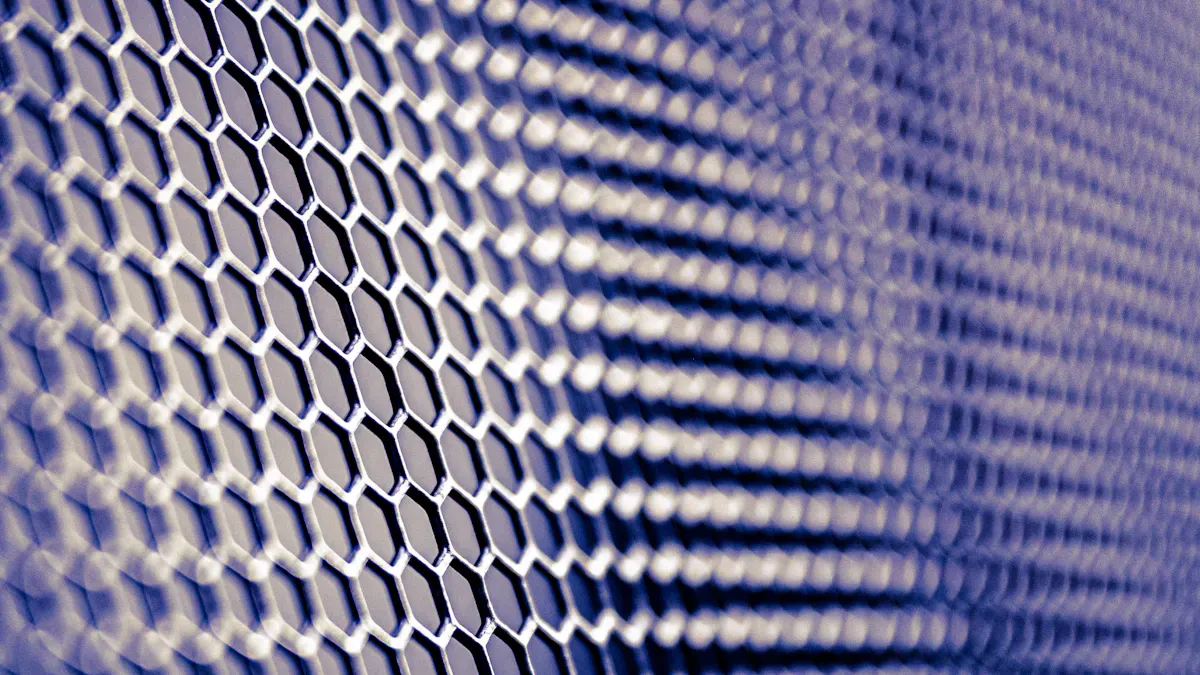
You might wonder what gives Fiberglass Mesh Tape its strength. Manufacturers start with thin glass fibers. They weave these fibers together to make a mesh that looks like a net. This mesh gets coated with a special adhesive. The sticky side helps the tape grip drywall surfaces right away. You can cut the tape easily with scissors or even tear it by hand. The open mesh design lets joint compound seep through, which creates a solid bond.
Tip: If you want a tape that resists moisture and mold, this mesh design works well. The glass fibers do not absorb water, so you get extra protection in damp spaces.
Common Drywall Applications
You will see Fiberglass Mesh Tape in many drywall projects. Contractors like it for its speed and flexibility. Here are some of the most frequent uses:
| Scenario | Description |
|---|---|
| Reinforcing drywall joints | You can use it to make strong seams between drywall panels. It helps stop cracks and adds durability. |
| Repairing hairline cracks | The tape moves with the wall, so small cracks do not come back. |
| Reinforcing inside corners | It gives a tough edge at corners, so you do not always need metal beads. |
| Ceiling installations | The tape is light and resists moisture, which helps in rooms with humidity or sagging issues. |
You can use this tape for patching holes, fixing cracks, or even working on ceilings. It works best when you want a quick, strong repair. If you need to cover large areas or reinforce tricky spots, this tape makes the job easier.
Strengths of Fiberglass Mesh Tape
Crack Resistance
You want your drywall repairs to last. Cracks can ruin the look of your walls and make you redo the job. Fiberglass Mesh Tape helps you avoid this problem. The tape has a strong open weave that lets the joint compound grip tightly. This bond keeps the tape in place and stops cracks from forming.
- The woven fiberglass fabric is about twice as strong as paper tape. You get extra protection against stretching and tearing.
- The tape flexes with your wall. It moves a little when your house shifts or settles. This flexibility means fewer cracks, even in areas with vibration or movement.
- When you use a setting-type joint compound, the tape forms a tough, crack-resistant seam. You do not have to worry about the joint failing over time.
If you want to reinforce seams, corners, or spots that get bumped, this tape gives you peace of mind. You can trust it to hold up under stress.
Mold and Mildew Resistance
Moisture can sneak into your walls, especially in bathrooms, kitchens, or basements. Mold and mildew love damp places. You do not want them growing behind your repairs. Fiberglass Mesh Tape stands up to moisture better than paper tape.
- The tape uses tightly woven fiberglass strands. These strands get a special polymer coating that repels water.
- The design keeps water out, even in humid rooms. Mold spores cannot find a place to grow.
- You can use this tape in wet areas and trust that it will not break down or lose strength.
If you need to patch drywall in a laundry room or shower, this tape is a smart choice. It keeps your walls clean and safe.
Tip: For high-moisture spaces, always pick a tape that resists mold and mildew. You will save yourself from future headaches.
Easy and Quick Application
You want to finish your project fast. Fiberglass Mesh Tape makes the job simple. You do not need to bed the tape in a layer of compound first. The adhesive backing sticks right to the drywall.
- You can cut or tear the tape to fit any shape. It works well for straight seams, corners, or odd patches.
- The open mesh lets the compound flow through. You get a smooth, strong finish with less effort.
- Many pros like this tape because it saves time. You can move quickly from taping to mudding.
If you are new to drywall repair, you will find this tape easy to use. You do not need special tools or skills. Just stick, mud, and sand.
No Bubbling Issues
Have you ever finished a drywall repair and noticed bubbles under the tape? That can be frustrating. With Fiberglass Mesh Tape, you do not have to worry about bubbling. The tape has a sticky side that grabs the drywall right away. You just press it down, and it stays flat. The open mesh design lets the joint compound move through the tape. This helps the compound bond with the wall and keeps the tape smooth.
Paper tape sometimes traps air underneath. When you add the compound, bubbles can form. You might have to cut out the bubbles and redo the work. That takes extra time and effort. With mesh tape, you skip that step. You get a flat, even surface from the start. This makes your repair look better and saves you time.
Tip: Always press the tape firmly onto the drywall. This helps the adhesive stick and keeps your seams bubble-free.
Suitable for Large Repairs
When you face a big repair, you want a tape that covers wide seams and holds up over time. Fiberglass Mesh Tape works well for these jobs. The tape comes in wider rolls than most paper tapes. Some brands offer widths up to 5.7 inches. This means you can cover large cracks or seams in one pass. You do not have to overlap strips or worry about weak spots.
Contractors like mesh tape for big repairs because it has strong durability and excellent tensile strength. The tape does not stretch or tear easily. It holds the joint compound in place, even on ceilings or long seams. You can use it for patching holes, fixing wide cracks, or reinforcing drywall in high-traffic areas.
Here is a quick look at how different mesh tapes compare for large repairs:
| Tape Type | Width | Length | Key Features |
|---|---|---|---|
| Fiberglass Mesh Tape | 5.7 inches | 100 feet | Strong durability, excellent tensile strength |
| Duck Brand Fiberglass Tape | 1.88 inches | 180 feet | Self-adhesive, effective for small and large repairs |
| General Mesh Tape | N/A | N/A | Ideal for covering seams and larger cracks |
You can see that mesh tapes come in different sizes. For a big job, choose a wider tape. This makes the repair faster and stronger. You will spend less time taping and more time finishing your project.
Note: If you need to fix a long seam or a large hole, mesh tape gives you the coverage and strength you need.
Weaknesses of Fiberglass Mesh Tape
Less Strength on Butt Joints
You might think all drywall tape works the same everywhere, but that’s not true. Butt joints—where two flat ends of drywall meet—need extra strength. Here’s where mesh tape can let you down. It’s easier to use and resists moisture, but it doesn’t have the muscle that paper tape brings to these high-stress spots. If you use mesh tape on butt joints, you might see cracks or weak seams later.
For butt joints, most pros reach for paper tape. It gives you a stronger bond and stands up better over time.
Let’s look at how mesh tape and paper tape compare for different jobs:
| Performance Aspect | Fiberglass Mesh Tape | Paper Tape |
|---|---|---|
| Crack Resistance | Flexible mesh handles small movement | Less flexible, cracks more |
| Ease of Use | No soaking or timing needed | Needs soaking and timing |
| Time-Saving | Adhesive backing, no bedding coat | Needs a bedding coat |
| Consistent Results | Even mesh, easy to apply | Results can vary |
| Handling Safety | No sharp edges or dust | Sharp edges possible |
| Industry Preference | Over 60% of contractors like it | Still used for tough joints |
You can see mesh tape wins for speed and ease. But for butt joints, paper tape is the safer bet. If you want to use mesh tape here, you need to boost its strength with a special compound.
- Mesh tape is easy and moisture resistant.
- It’s not as strong as paper tape for butt joints.
- Paper tape is the top choice for these areas.
- If you use mesh tape, pick a setting mud to make the joint stronger.
Requires Setting-Type Joint Compound
You can’t just use any joint compound with mesh tape. Regular pre-mixed mud won’t cut it. You need a setting-type joint compound, sometimes called “hot mud.” This stuff comes as a powder and hardens fast—sometimes in just five minutes. That’s great if you want to finish your project quickly.
- Setting-type compound comes in different setting times, from 5 to 150 minutes.
- It hardens fast, so you can patch and sand sooner.
- The quick set helps you work faster and get strong seams.
If you skip the setting compound and use regular mud, your repair might crack or fail. The mesh needs that extra grip to hold everything together. So, always grab the right compound when you use mesh tape.
Tip: Mix only what you can use in one go. Setting mud dries fast and can harden in your pan!
Can Show Through Finish
You want your wall to look smooth when you’re done. Sometimes, mesh tape can make that tricky. The tape is a little thicker than paper tape. When you cover it with compound, you might see a raised edge or even the mesh pattern under the paint. That can make your repair stand out instead of blending in.
- Bubbles and blisters can pop up after the compound dries, especially with mesh tape.
- The thickness of the tape can leave a high border around your patch.
- The mesh can show through if you don’t use enough compound or sand well.
If you want a flawless finish, you need to apply extra coats and sand carefully. Take your time to feather out the edges and hide the tape. For big repairs or visible walls, you might want to test on a small spot first.
Note: Always check your patch in good light before painting. A quick look can save you from surprises later.
Elasticity and Potential for Breaking
You want your drywall seams to last, even if your house moves a little. That’s where elasticity comes in. Fiberglass Mesh Tape stretches more than paper tape. This means it can handle small shifts in your walls without cracking right away. If you live in a place where walls move from settling or temperature changes, this flexibility helps keep repairs looking good.
But there’s a trade-off. While mesh tape bends and stretches, it does not have the same tear strength as paper tape. If you pull too hard or put too much stress on it, the tape can break. You might see this happen if you use it on a seam that gets bumped a lot or on a wall that flexes often.
Let’s compare the two tapes:
| Feature | Paper Drywall Tape | Mesh Drywall Tape |
|---|---|---|
| Strength | High crack resistance | Moderate, more flexible |
| Moisture Resistance | Poor | Excellent |
| Best For | Butt joints, corners | Curves, wet areas, DIY fixes |
- Paper tape gives you strong, stiff seams. It does not stretch much, so it holds up well in straight lines and corners.
- Mesh tape, made from woven fiberglass, sticks well and bends around curves. It works best where you need flexibility, but it can tear if you push it too far.
If you want to patch a curved wall or a spot that moves, mesh tape is a smart pick. If you need a super-strong seam, paper tape might be better.
Tip: Always press mesh tape firmly into the joint compound. This helps prevent breaks and keeps your repair strong.
Not Ideal for All Repairs
You might think one tape works for every job, but that’s not true. Fiberglass Mesh Tape shines in some places, but not everywhere. It works great for flat seams, quick patches, and areas with moisture. You can use it on ceilings, bathroom walls, or even curved surfaces. It sticks fast and saves time.
But there are spots where mesh tape struggles. For inside corners, the tape does not fold as neatly as paper tape. You might find it hard to get a crisp, clean line. On butt joints, mesh tape can let cracks form if you do not use the right compound. It also does not hide as well under thin layers of mud, so you may see the tape after painting.
Here’s a quick list to help you decide:
- Use mesh tape for:
- Quick wall patches
- Curved or uneven surfaces
- Wet or humid rooms
- Skip mesh tape for:
- Inside corners
- Butt joints needing extra strength
- High-traffic areas that get bumped a lot
If you want a smooth finish in a visible spot, you might reach for paper tape instead. Every repair is different. Choose the tape that matches your project for the best results.
Fiberglass Mesh Tape vs. Paper Tape
Installation Differences
When you start a drywall project, you want to know which tape makes your job easier. Paper tape and mesh tape have different ways to install. Paper tape needs a layer of joint compound first. You press the tape into the wet mud, then smooth it out. This step takes time and can get messy. Paper tape folds well for corners, so you get sharp lines where walls meet.
Mesh tape, on the other hand, sticks right to the drywall. You do not need to put down mud first. Just cut the tape, press it on, and you are ready for compound. This makes repairs go faster. Mesh tape works great for flat seams and quick patches. You will find it less flexible for corners, but it shines when you need speed.
- Paper tape folds for corners and works best for butt joints.
- Mesh tape goes on fast and does not need pre-mudding.
Durability and Strength Comparison
You want your walls to last. Both tapes offer good results, but they have strengths in different areas. Take a look at this table:
| Feature | Fiberglass Mesh Tape | Paper Tape |
|---|---|---|
| Mold Resistance | High | Low |
| Crack Resistance | High | Moderate |
| Durability in Humidity | Maintains integrity | Can break down |
Mesh tape stands up to moisture and resists mold. It flexes with your wall, so cracks are less likely. Paper tape gives you strong seams, especially in corners and butt joints, but it can fail if the area gets wet.
Cost and Practical Considerations
You want to pick the right tape for your budget and your project. Here are some things to think about:
| Consideration | Fiberglass Mesh Tape | Paper Tape |
|---|---|---|
| Compatibility with Compounds | Works with most types; check the label | Not always compatible |
| Moisture Resistance | Great for wet areas | Not for wet spots |
| Flexibility | Bends around curves and odd shapes | Best for straight lines and corners |
Mesh tape is easy to find and works with many joint compounds. Paper tape costs less and gives you crisp corners. Think about your project needs before you choose.
Best Use Cases for Each Tape
Choosing the right drywall tape can make your project easier and your finish smoother. You might wonder when to grab mesh tape and when to stick with paper tape. Let’s break it down with a simple table:
| Use Case | Recommended Tape Type | Advantages |
|---|---|---|
| General-purpose | Fiberglass mesh tape | Easy to use, strong, saves money |
| Premium new construction | Paper tape | Smooth finish, great for skilled hands |
| Repairs and patching | Fiberglass mesh tape | Fast for small fixes, flexible |
| Moisture-prone areas | Alkali-resistant fiberglass tape | Works well in bathrooms or basements |
| Exterior drywall | Weather-resistant tapes | Stands up to sun and rain outside |
You can see that each tape shines in different spots. If you want a quick fix for a crack or hole, mesh tape helps you finish fast. It sticks right to the wall and works well for most repairs. You will like it for patching, especially if you do not want to fuss with extra steps.
Paper tape is your best friend when you want a flawless look. It folds neatly into corners and gives you a smooth finish. If you are building a new room or working on a big project, paper tape helps you get pro-level results.
Bathrooms, laundry rooms, and basements need extra protection. In these places, alkali-resistant mesh tape keeps out moisture and stops mold. For outdoor walls, you need a special tape that can handle weather and sunlight.
Tip: Always match your tape to your project. You will save time and get better results.
If you are not sure which tape to use, think about the job. Small repairs and wet rooms? Go with mesh tape. Big, visible walls or corners? Paper tape is the way to go.
When to Use Fiberglass Mesh Tape
Ideal Projects and Environments
You want your drywall repairs to last and look good. Fiberglass Mesh Tape works best in places where strength and moisture resistance matter. If you’re working in a bathroom, kitchen, or basement, you’ll notice how this tape stands up to humidity and stops mold from growing. It’s also a smart choice for construction projects where walls need extra crack resistance and impact strength.
Take a look at this table to see where mesh tape shines:
| Project Type | Key Benefits |
|---|---|
| Construction | Boosts wall strength, prevents cracks, handles impacts |
| Drywall in Moisture-Prone | Stops mold, keeps seams strong in humid rooms |
| Automotive Repair | Adds flexibility and strength to composite parts |
If you need to patch a wall in a laundry room or reinforce a seam in a busy hallway, mesh tape gives you peace of mind. You can use it for quick repairs, large patches, or anywhere you want a tough, long-lasting finish.
Tip: Choose mesh tape for projects where moisture or movement might cause problems. You’ll save yourself extra work later.
When to Choose Alternatives
Sometimes, you need a different tape for the job. If you’re working on inside corners or want a super-smooth finish, paper tape might be a better pick. Paper tape creases easily, so you get sharp corners and less visible seams. Mesh tape can show through mud and doesn’t fold well for corners.
Here are some factors to help you decide:
- Material quality matters. High-grade paper tape is dense and fiber-reinforced. Mesh tape should be woven tightly to avoid fraying.
- Adhesion quality counts. Premium tapes stick well and stay in place.
- Safety is important. Think about how tape affects indoor air and your health.
Check this table for a quick comparison:
| Factor | Fiberglass Mesh Tape | Paper Tape |
|---|---|---|
| Creasing | Hard to crease for corners | Easy to crease for sharp corners |
| Visibility | Can show through finish | Blends in when applied right |
| Strength | Needs quick set mud for tough joints | Strong for high-stress areas |
| Application Techniques | Not ideal for inside corners | Works everywhere |
If you want crisp corners or are working on a high-traffic wall, reach for paper tape. For wet rooms or fast fixes, mesh tape is your go-to.
You get a lot of benefits with Fiberglass Mesh Tape. Check out this quick table:
| Strengths | Weaknesses |
|---|---|
| Exceptional durability | Requires sealing in some applications |
| Easy application | Potential visibility if not finished properly |
| High adhesion strength | |
| Versatile across applications | |
| Resistance to cracking |
You should use mesh tape for drywall joints, corners, and high-traffic spots. It works well around windows and doors. Recent improvements make it stick better and resist moisture. If you want a reliable finish, this tape is a smart choice.
FAQ
Can you use fiberglass mesh tape for all drywall repairs?
You can use mesh tape for most repairs. It works best on flat seams and patches. For inside corners or butt joints, you might want paper tape. Mesh tape does not fold well and can show through the finish.
Do you need a special joint compound with mesh tape?
Yes, you need a setting-type joint compound. Mesh tape sticks well, but regular mud can crack. Setting compound dries hard and keeps your repair strong. Always check the label before you start.
Will mesh tape prevent mold in bathrooms?
Mesh tape resists moisture and mold. You get extra protection in bathrooms, kitchens, or basements. The fiberglass does not absorb water. If you want a clean, safe wall, mesh tape is a smart choice.
How do you avoid mesh tape showing through paint?
You should apply extra coats of joint compound. Feather out the edges and sand smooth. Good lighting helps you spot any raised areas. Take your time for a flawless finish.
Is mesh tape easier to use than paper tape?
Mesh tape goes on fast. You just stick it to the wall and start mudding. Paper tape needs a bedding coat and folds for corners. If you want speed and simple repairs, mesh tape is easier.
See Also
Evaluating Steel And Wood Support Columns: Pros And Cons
Essential Frame Plate Kits For Auto Reinforcement: A Beginner's Guide
Silicone Sealant: The Essential Adhesive For Modern Home Design
Key Benefits Of WT20 Thoriated Tungsten Electrodes In TIG Welding
Fortifying Doors And Hinges To Withstand Floods And Wildfires