How Fiberglass Mesh Strengthens Walls and Floors in 2026
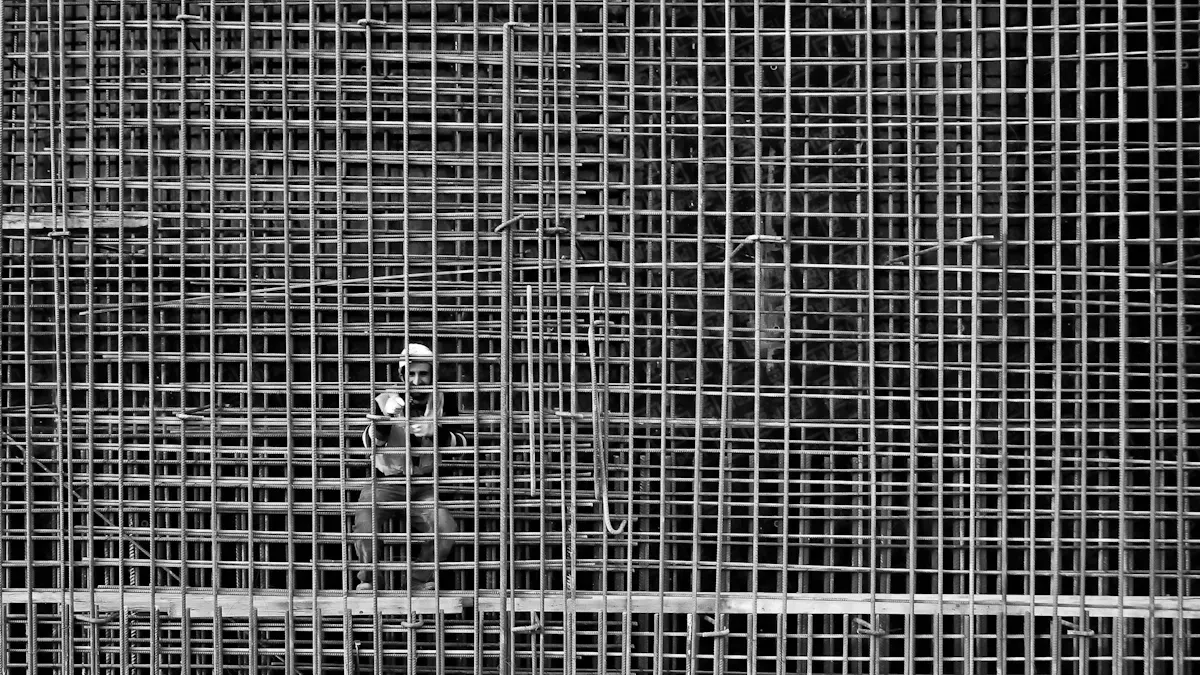
You see stronger walls and floors when you use fiberglass mesh in your projects. This material helps prevent cracks and makes surfaces last longer. Builders choose fiberglass mesh because it spreads stress and weight evenly. You notice its popularity growing in 2026, especially for floor screed reinforcement and wall crack repair. Many people use other materials like Metal Corner Tape, Paper Tape, or Wall Patch, but fiberglass mesh stands out. The chart below shows how much each region uses fiberglass mesh for construction.

Key Takeaways
- Fiberglass mesh prevents cracks and enhances the durability of walls and floors, making it a smart choice for construction.
- The material's high strength-to-weight ratio allows for easy installation without adding extra weight to structures.
- Using fiberglass mesh improves the longevity of surfaces, reducing the need for repairs and maintenance over time.
- Innovations in fiberglass mesh include eco-friendly options and enhanced fire resistance, making it safer and more sustainable.
- Proper installation of fiberglass mesh is crucial; ensure it is embedded in wet materials for maximum effectiveness.
Fiberglass Mesh: Material and Properties
Woven Glass Fiber Composition
You find that fiberglass mesh uses woven glass fibers to create a strong and flexible material. The most common types of glass fibers are E-glass and C-glass.
- E-glass gives good insulation and mechanical strength.
- C-glass offers better chemical resistance but less electrical and mechanical strength.
The woven structure lets air pass through and helps the mesh stay stable. E-glass fibers make the mesh strong and reliable for construction. You see this open grid design used in insulation systems and waterproofing projects. The plain weave gives higher tensile and shear strength, making it ideal for reinforcing walls and floors.
Tensile and Flexural Strength
Fiberglass mesh stands out because of its high tensile and flexural strength. You notice that foamcrete reinforced with woven fiberglass mesh reaches flexural strengths between 58–60% of its compressive strengths. Composite materials with 5% glass fiber show an average flexural strength of 17.13 MPa. Compared to other materials, fiberglass mesh has superior flexural strength. It performs better than Kevlar and carbon fibers. Glass fiber mesh also beats metal mesh in flexural strength. Kevlar fibers have greater fracture toughness, but fiberglass mesh gives you the best balance for construction needs.
Why Fiberglass Mesh Is Preferred in Construction
You choose fiberglass mesh for many reasons. The table below shows the main advantages:
| Advantage | Description |
|---|---|
| High Strength-to-Weight Ratio | Strong but lightweight, adds reinforcement without extra weight. |
| Durability and Longevity | Resists rust and corrosion, works well in humid conditions, and withstands alkaline substances. |
| Flexibility and Adaptability | Easy to cut and shape, fits flat and irregular surfaces. |
| Ease of Installation | Quick to apply with adhesives or wet materials, saves labor costs. |
| Thermal and Chemical Resistance | Stays strong under extreme temperatures and harsh chemicals. |
| Environmental Benefits | Made from abundant resources, low environmental impact, extends structure lifespan. |
Experts say fiberglass mesh enhances the strength and durability of concrete. You use it to prevent cracks and distribute stress. It helps keep sidewalks and driveways strong. You also rely on it to minimize fractures and maintain structural integrity, even if minor cracks appear.
Fiberglass Mesh in Wall and Floor Applications
Reinforcement Mechanisms
You can count on fiberglass mesh to make your walls and floors stronger. This material works in several ways to reinforce surfaces and prevent damage.
- You get tensile support that stops problems like delamination and spalling, especially in thin concrete overlays.
- You control and reduce cracking caused by temperature changes and heavy loads.
- The mesh helps spread out weight during the curing phase, which manages shrinkage cracks.
- In busy areas, you see the mesh distribute loads over a larger space. This reduces stress in one spot and keeps your floors and walls from wearing out too fast.
When you use fiberglass mesh, you also improve how it interacts with different building materials. The table below shows how this happens:
| Interaction Type | Description |
|---|---|
| Mechanical Bonding | The open-weave structure lets plaster, stucco, or adhesive grip the mesh tightly. |
| Stress Distribution | The mesh absorbs and spreads tension, which stops hairline cracks from forming. |
| Reinforcement in EIFS | You embed the mesh in base coats over insulation boards to boost impact resistance and stability. |
| Improvement of Tensile Strength | The mesh makes drywall, plaster, and stucco much stronger against pulling and bending forces. |
Installation in Walls
You can install fiberglass mesh in walls by following a few simple steps.
- Clean the wall surface. Remove dust, dirt, and grease. Fill any large holes or cracks. Apply a primer to help the mesh stick better.
- Pick the right mesh for your project. Think about the size and weight you need for your wall.
- Cut the mesh to fit your wall. Overlap the edges a little. Press the mesh into wet plaster so it sits flat and stays in place.
- Let the plaster dry as the manufacturer recommends. After it cures, you can finish the wall with paint or other coverings.
Tip: Overlapping the edges of the mesh helps prevent weak spots and gives you a smoother finish.
Installation in Floors
You can use fiberglass mesh to reinforce floors and make them last longer. Start by preparing the floor surface. Clean it well and fix any cracks or holes. Lay the mesh flat on the floor before you pour concrete or apply a leveling compound. Make sure the mesh sits in the middle of the layer for the best support. Press the mesh gently into the wet material so it bonds well. Let the floor cure fully before you walk on it or add more layers.
You will notice fewer cracks and a stronger surface when you use fiberglass mesh in your floors. This method works well for both new construction and repairs.
Benefits of Fiberglass Mesh
Crack Prevention and Flexibility
You can rely on fiberglass mesh to stop cracks before they start. This material gives your walls and floors strong crack resistance. It handles outside pressure and keeps your surfaces from breaking. You also get flexibility, which means the mesh moves with your building. This helps prevent cracks from forming when your house settles or the weather changes.
- Fiberglass mesh reduces cracks from shrinkage.
- It handles changes in temperature and moisture.
- The mesh adapts to different shapes and spreads stress evenly.
- Its tensile strength absorbs stress and keeps surfaces from fracturing.
Tip: You can use fiberglass mesh in areas that face a lot of movement or temperature swings. This keeps your walls and floors looking new for longer.
Enhanced Durability and Longevity
You want your building to last. Fiberglass mesh helps you reach that goal. It makes concrete and plaster stronger, so you see fewer cracks and less damage over time. You also save money because you do not need to repair or replace surfaces as often.
- Projects with fiberglass mesh show fewer cracks and failures.
- The mesh is light, so you can handle and install it easily.
- High-quality mesh stands up to stress and impact without breaking.
- You spend less on maintenance because the mesh lasts a long time.
Here is how the lifespan of different materials compares:
| Material | Lifespan (Years) | Notes |
|---|---|---|
| Steel Rebar | 20–40 | Corrosion can shorten its life. |
| Fiberglass Rebar | 80–100 | Water, salt, and chemicals do not harm it. |
Real-World Construction Examples
You see fiberglass mesh used in many types of construction. It improves stability and keeps buildings safe. The table below shows where you might find it and what benefits you get:
| Application | Measurable Outcome | Benefits |
|---|---|---|
| Foundations, Walls, Slabs | Better stability | Fewer cracks, more durability |
| Precast Concrete | Stronger during transport and installation | Less cracking, keeps pieces solid |
| Road and Bridge Construction | Longer-lasting concrete surfaces | Handles heavy traffic and tough weather |
| Building Walls and Facades | Stops cracks from movement and temperature | Keeps outside walls strong and safe |
| Swimming Pools and Tanks | High water resistance and durability | Lasts longer in wet conditions |
| Plaster Reinforcement | Stronger plaster | Surfaces last longer and resist cracking |
You can use fiberglass mesh in homes, offices, roads, and even swimming pools. This makes it a smart choice for many building projects.
Fiberglass Mesh Innovations and Trends for 2026
New Product Developments
You will see many new products in the fiberglass mesh market in 2026. Companies use new technology to make fiberglass mesh stronger and more versatile. These improvements help you use it in more types of construction. Many manufacturers now use automated machines to make the mesh. This change makes the product more consistent and easier to install. Some companies add low-emission coatings, which help protect the environment. You also find fire-resistant options, which meet new safety rules in buildings.
Here is a table showing how recent innovations help you:
| Feature | Benefit |
|---|---|
| Enhanced Durability | Increases the lifespan of insulation systems, reducing maintenance costs. |
| Crack Prevention | Helps maintain structural integrity by preventing cracks. |
| Compatibility | Works well with modern installation techniques like two-pass plastering. |
| Versatility | Adapts to various architectural details, including curved surfaces. |
Sustainability and Eco-Friendly Solutions
You can choose fiberglass mesh products that help the environment. Many companies now focus on making their products more sustainable. Fiberglass mesh lasts a long time and does not rot or corrode. This means you throw away less material over the years. The mesh also resists UV rays, so it works well outdoors. Because it is light, you use less fuel to transport it. Some products use recycled materials, which helps reduce waste. You can recycle fiberglass mesh at the end of its life, which supports a circular economy.
- Fiberglass mesh helps save energy because it insulates well.
- It allows light to pass through, which is good for greenhouses.
- Many products now support water conservation with better irrigation systems.
Note: Choosing eco-friendly fiberglass mesh helps you build greener and more efficient structures.
Future Outlook in Construction
You will notice that the use of fiberglass mesh keeps growing. Experts predict the market will almost double by 2035. More builders want strong and sustainable materials. You see more companies making recyclable mesh. Asia-Pacific leads the market because of new roads and buildings. Technology keeps improving how you use fiberglass mesh. You may see 3D printing and new composites replace old steel reinforcements. Builders now use more local and natural materials, which helps the planet. You can expect fiberglass mesh to play a bigger role in safer and smarter buildings.
You gain strong, long-lasting walls and floors when you use fiberglass mesh. Ongoing innovations make this material even more valuable for construction in 2026:
- Enhanced durability and structural integrity
- Alkali-resistant options for more building types
- Eco-friendly choices that lower carbon footprint
- Improved fire resistance for safer projects
The table below shows how fiberglass mesh improves safety and longevity in your buildings:
| Property | Impact on Safety and Longevity |
|---|---|
| High Tensile Strength | Prevents cracks in structures, ensuring durability. |
| Durability | Reduces need for frequent replacements, saving costs. |
| Environmental Resistance | Maintains stability against moisture, chemicals, and UV. |
| Non-toxic | Safe for construction applications. |
| Fire-resistant | Slows fire spread, enhancing safety for occupants. |
You build safer, stronger, and more reliable spaces with this advanced material.
FAQ
What is the main purpose of fiberglass mesh in construction?
You use fiberglass mesh to reinforce walls and floors. It helps prevent cracks and adds strength. This material spreads stress across surfaces, making your building last longer.
Can you paint or tile over fiberglass mesh?
Yes, you can paint or tile over fiberglass mesh. Make sure you cover the mesh with plaster or a leveling compound first. This creates a smooth surface for your finish.
Is fiberglass mesh safe to handle?
You can handle fiberglass mesh safely with gloves and a mask. The fibers may irritate your skin or lungs. Always wash your hands after working with it.
Tip: Wear long sleeves to protect your arms from itching.
How do you cut fiberglass mesh to size?
You can cut fiberglass mesh with scissors or a utility knife. Measure your area first. Cut the mesh slightly larger to allow for overlap at the edges.
See Also
Professional Tips for Welding Partition Plates in 2025
Ensuring Your Doors and Hinges Resist Floods and Fires
Best Precoating Options for Filtration Systems in 2025
Comprehending Molybdenum Furnaces for High Temperatures in 2025