Never buy a hot water dispenser without these features
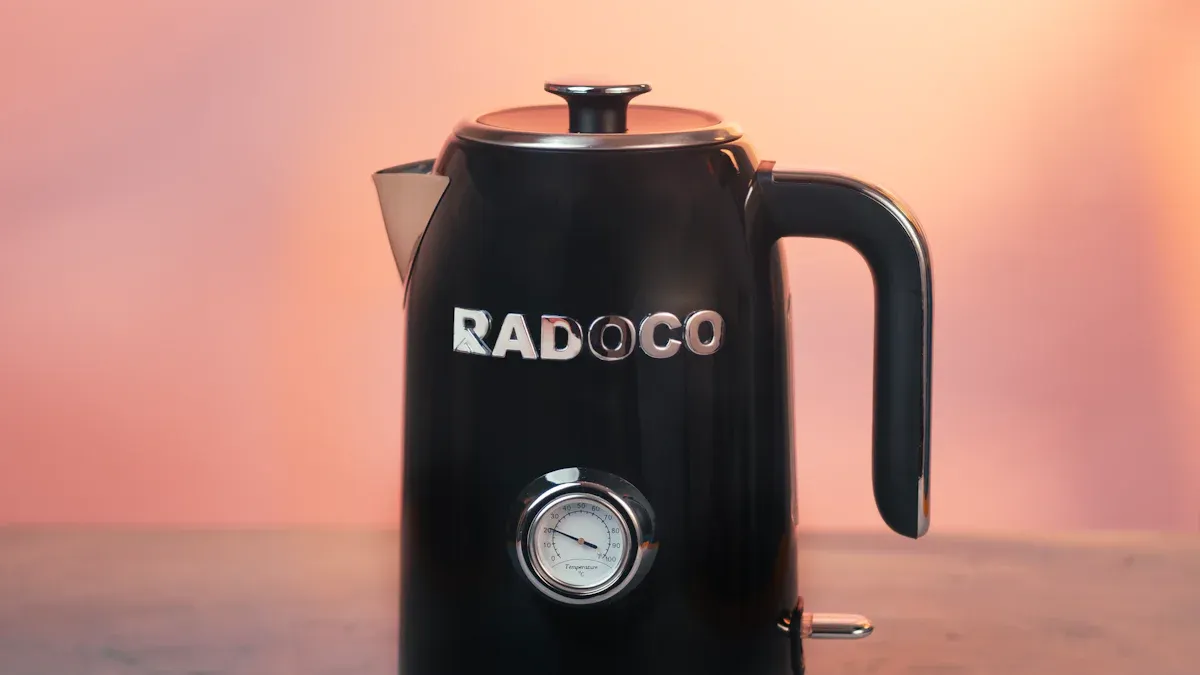
Finding the best hot water dispenser requires you to focus on specific qualities. You must prioritize three critical features for a worthwhile purchase.
Your ideal dispenser needs precise temperature control, advanced safety mechanisms, and the right capacity for your household.
Choosing a model with these non-negotiable functions guarantees a safe, convenient, and efficient appliance.
Key Takeaways
- Choose a hot water dispenser with exact temperature settings. This helps you make drinks like tea and coffee taste their best.
- Look for safety features like child locks and automatic shut-off. These features keep your family safe and prevent accidents.
- Pick a dispenser that is easy to clean and made of stainless steel. This makes it last longer and keeps your water clean.
How to Find the Best Hot Water Dispenser for Performance
Performance is more than just getting hot water. It’s about getting the right hot water, quickly and cleanly. You should focus on three key areas to ensure your dispenser performs exactly as you need it to.
Precise and Multiple Temperature Settings
The temperature of your water dramatically changes the taste of your favorite drinks. A dispenser with only one high-heat setting can ruin delicate beverages. Water that is too hot can burn coffee grounds, leading to a bitter taste. It can also scorch sensitive tea leaves, destroying their intended flavor.
Pro Tip: The Specialty Coffee Association (SCA) recommends a brewing temperature between 198°F and 205°F (92°C to 96°C) for ideal coffee extraction. Precise control prevents bitterness and unlocks rich flavor.
You need a dispenser with multiple temperature settings to match different uses. This feature eliminates guesswork and guarantees a perfect cup every time.
| Beverage | Ideal Water Temperature |
|---|---|
| Green & White Tea | 160°F – 185°F (71°C – 85°C) |
| Oolong Tea | 185°F – 195°F (85°C – 90°C) |
| Black & Herbal Tea | 200°F – 212°F (93°C – 100°C) |
| Pour-Over Coffee | 198°F – 205°F (92°C – 96°C) |
| Instant Noodles/Oatmeal | 208°F – 212°F (98°C – 100°C) |
High-end models often provide this level of control, while many budget options have just one or two fixed temperatures. Top-rated models are known for their temperature accuracy.
- Zojirushi Panorama Window Micom: A popular choice that holds water at a precise 191°F, making it great for daily use.
- Panasonic Electric Thermo Pot: A budget-friendly option that excels at maintaining a steady temperature for hours.
- Zojirushi VE Hybrid: This model offers advanced features like a digital display for exact temperature monitoring.
Capacity and Dispensing Speed
You must choose a dispenser that matches your household's hot water usage. The two main types are tank-based and tankless dispensers, and they perform very differently.
Tank-based dispensers keep a reservoir of water constantly hot and ready. This is great for instant access, but the supply is limited. Once you use all the water, you have to wait for the tank to refill and reheat.
Tankless dispensers heat water on demand as it passes through the unit. This gives you an endless supply of hot water. However, their output is limited by a flow rate, measured in gallons per minute (GPM). This means they might struggle to supply hot water to many places at once.
Here is a simple breakdown of how they compare:
| Feature | Tank-Based Dispenser | Tankless Dispenser |
|---|---|---|
| Water Supply | Limited to tank size (e.g., 1-5 gallons) | Unlimited, on-demand |
| Energy Use | Uses energy to keep water hot (standby loss) | More energy-efficient; only heats water when needed |
| Wait Time | No wait for the first draw; long wait to reheat | A few seconds for water to heat up initially |
| Best For | Quick, single servings; smaller households | Large families; continuous use for cooking or cleaning |
Finding the best hot water dispenser for your family means deciding between a ready but limited supply or an endless but slower-flowing one. For most homes, a tankless unit with a flow rate of 2-4 GPM is plenty.
Water Filtration System
The quality of your water is just as important as its temperature. Tap water can contain impurities that affect taste, smell, and even your health. A dispenser with a built-in multi-stage filter provides a simple solution. These systems are designed to remove a wide range of contaminants before the water is even heated.
A quality filter can remove:
- Chlorine and sediment (silt, rust)
- Heavy metals like lead and mercury
- Organic chemicals such as pesticides and herbicides
- "Forever chemicals" (PFAS) and pharmaceuticals
Choosing the best hot water dispenser with an integrated filter offers great convenience. However, you should consider the costs.
| Factor | Dispenser with Built-in Filter | Separate Water Pitcher |
|---|---|---|
| Initial Cost | Higher upfront investment | Low initial cost |
| Ongoing Cost | Filter replacements | Frequent filter replacements |
| Convenience | High (filtered hot water on demand) | Low (must filter water first, then heat it) |
For those who value convenience and have high water usage, the investment in a dispenser with a built-in filter is often worth it. It streamlines your routine and ensures every drop is clean and delicious.
Essential Features for Safety and Longevity
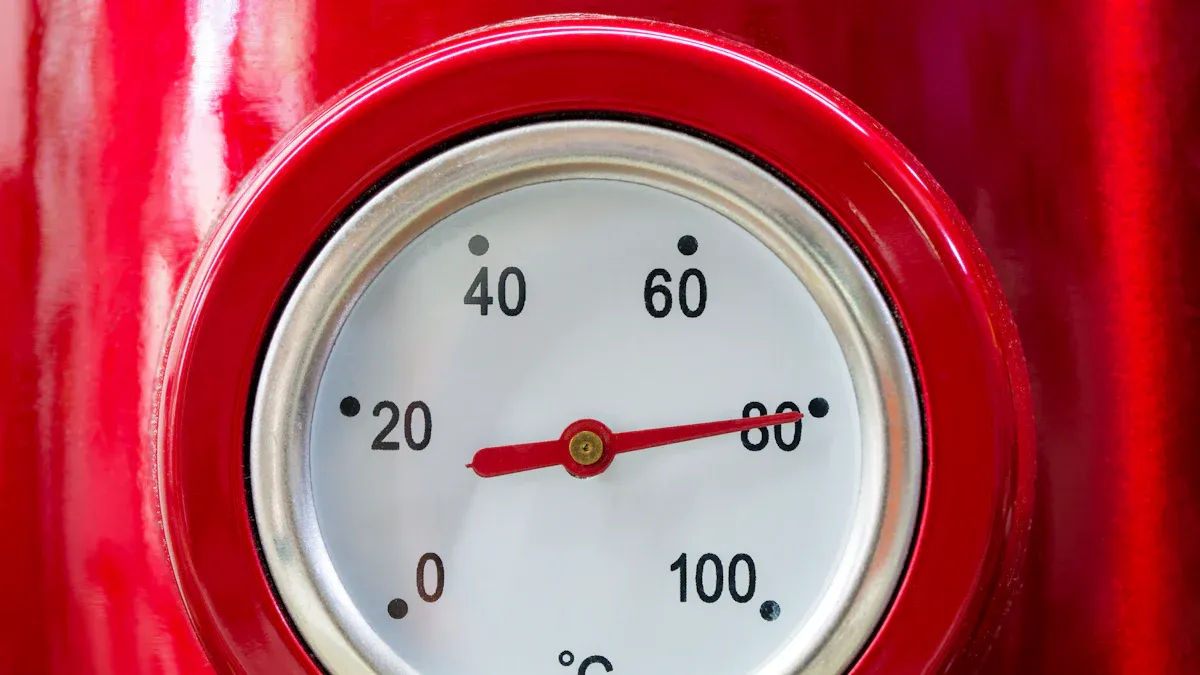
A great hot water dispenser does more than just perform well; it operates safely and lasts for years. You should look for key features that protect your family and your investment. Prioritizing safety and durability ensures you get a reliable appliance you can trust every day.
Critical Safety Mechanisms
Hot water poses a significant risk in any home. Accidents can happen quickly, especially with children or elderly family members. Data shows that hot tap water is responsible for nearly 25% of all scald burns, and a shocking 41% of homes have dangerously high hot water temperatures. A dispenser without proper safety features is a hazard waiting to happen.
You must choose a model with multiple layers of protection.
- Child Safety Locks: This is the most important safety feature for households with young children. A child lock requires a specific action, like pressing two buttons at once, to dispense hot water. This simple mechanism is the primary way to child-proof a dispenser and prevent devastating accidents.
- Automatic Shut-Off: This function turns the heating element off once the water reaches its target temperature. It prevents the unit from overheating, which saves energy and reduces fire risk.
- Boil-Dry Protection: This essential feature detects when the water level is too low and automatically shuts the unit off. It stops the dispenser from heating an empty tank, which could damage the appliance or cause a fire.
Look for the Mark of Safety 🛡️ You should always check for a safety certification mark from a recognized organization like UL Solutions. The UL Mark indicates that the product has passed rigorous electrical safety tests for water heaters and other appliances. This certification builds buyer confidence and helps ensure the dispenser meets critical safety requirements.
Energy Efficiency and Insulation
Your hot water dispenser will be plugged in 24/7, so its energy consumption matters. An inefficient model can quietly add a surprising amount to your monthly electricity bill. The best dispensers use modern technology to keep water hot without constantly reheating it.
The key to this efficiency is thermal insulation. High-quality dispensers use foam or vacuum insulation to minimize heat loss.
A study comparing two models from the same brand found that a vacuum-insulated dispenser saved its owner approximately 7,400 Japanese yen (about $50) annually compared to a model without vacuum insulation. Over three years, the savings add up significantly.
Another feature to look for is an energy-saving or vacation mode. This function allows you to lower the water temperature or turn off the heating element when you are away from home. This offers several benefits:
- Energy Conservation: The dispenser uses far less electricity.
- Reduced Utility Bills: You will see noticeable savings on your power bill.
- Lower Environmental Impact: Consuming less energy reduces your carbon footprint.
- Prevents Mineral Buildup: Less heating activity reduces the risk of corrosion and limescale formation while you are away.
Ease of Cleaning and Maintenance
To ensure your dispenser has a long life and your water always tastes fresh, you need a model that is easy to clean and maintain. The materials and design of the dispenser play a huge role in this.
The interior material is especially important. You should always opt for stainless steel over plastic. A report from the Water Quality Association shows that stainless steel appliances can last 15 to 25 years, while plastic models may need replacement in as little as 5 years.
| Feature | Stainless Steel | Plastic |
|---|---|---|
| Longevity | 15 to 25 years | Up to 5 years |
| Harmful Chemicals | Free from BPA | May contain BPA |
| Bacterial Growth | Reduces it by 99.9% | Can harbor bacteria |
| Recyclability | 100% | Not easily recyclable |
Studies have also shown that BPA, a chemical found in some plastics, can cause health problems. Stainless steel is free from these chemicals and is proven to reduce bacterial growth, making it the safer and more durable choice.
Finally, you must consider descaling. Over time, minerals like calcium and magnesium in your water can build up inside the dispenser, creating "scale." This buildup can clog the machine and affect its performance. For general home use, you should plan to descale your dispenser every 2 to 3 months.
Many models offer a dedicated cleaning cycle. The process is usually simple:
- Dissolve a cleaning agent like citric acid in water and pour it into the tank.
- Press a button to start the descaling mode, which circulates the solution.
- Once complete, empty the unit and rinse it by boiling a fresh tank of water.
- Discard the rinse water, and your dispenser is clean and ready to use.
Choosing a dispenser with a stainless steel interior and a simple cleaning cycle makes maintenance effortless.
You are now ready to find the best hot water dispenser. Use this simple checklist to make a smart choice:
- Precise Temperature Control
- Child Safety Locks
- Adequate Capacity
- Energy-Saving Modes
- Easy-Clean Functions
An investment in the best hot water dispenser with these features guarantees you will enjoy your new appliance.
FAQ
How often should I clean my hot water dispenser?
You should descale your dispenser every 2 to 3 months. This simple task prevents mineral buildup. It also ensures your water tastes fresh and your appliance lasts longer.
Is a tankless or tank-based dispenser better?
Your needs determine the best choice. Tank-based models give you instant hot water. Tankless units offer an endless supply and save more energy. Choose based on your family's usage.
What is the most important safety feature?
A child safety lock is the most critical feature for any household with children. It is the best way to prevent accidental burns from hot water.