FDA Compliance Requirements for Frozen Strawberry Inspection Explained
Frozen strawberry inspection plays a vital role in food safety. The FDA enforces strict compliance requirements, including microbiological surveillance sampling, to reduce contamination risks. These measures protect public health by lowering foodborne illness rates, especially after outbreaks linked to viruses such as hepatitis A and norovirus. Businesses benefit from maintaining product quality and consumer trust.
Key FDA Compliance Requirements for Frozen Strawberry Inspection

Mandatory Inspection Standards
The FDA sets clear standards for the quality of frozen strawberries. Inspectors evaluate each batch based on appearance, flavor, and the presence of defects. The grading system helps buyers and sellers understand the quality of the product. The following table outlines the main grades used during frozen strawberry inspection:
| Grade | Description |
|---|---|
| U.S. Grade A | Quality strawberries with good flavor, color, and minimal defects, scoring at least 90 points. |
| U.S. Grade B | Reasonably good quality with acceptable flavor and color, scoring at least 80 points. |
| U.S. Grade C | Fairly good quality with some defects, scoring at least 70 points. |
| Substandard | Fails to meet the requirements of U.S. Grade C or U.S. Standard. |
Inspectors use these grades to determine if a shipment meets FDA requirements. They reject substandard lots to protect consumers and maintain industry standards. Consistent grading supports fair trade and ensures that only safe, high-quality strawberries reach the market.
Microbiological Testing and Mold Limits
Frozen strawberry inspection includes rigorous microbiological testing. The FDA requires testing for pathogens such as hepatitis A, norovirus, and Salmonella. These tests help prevent outbreaks and protect public health. Inspectors also check for mold and yeast. The FDA sets strict limits for mold counts in frozen strawberries. If a sample exceeds these limits, the shipment cannot enter the market.
Testing protocols involve random sampling and laboratory analysis. Inspectors follow standardized methods to ensure accuracy. They document all results and take corrective action when necessary. This process reduces the risk of contaminated products reaching consumers.
Tip: Regular microbiological testing helps companies identify problems early and avoid costly recalls.
Labeling, Documentation, and Traceability
Accurate labeling and thorough documentation form the backbone of FDA compliance. Each package must display the correct product name, net weight, and country of origin. Labels must also include the name and address of the manufacturer or distributor. This information helps regulators trace products in the event of a recall.
Traceability systems track each batch from harvest to final sale. Companies maintain records of suppliers, processing dates, and shipment details. These records allow quick identification of affected lots during an investigation. Proper documentation also demonstrates compliance during FDA audits.
Note: Effective traceability reduces the impact of recalls and strengthens consumer confidence.
Regulatory Framework for Frozen Strawberry Inspection
FDA’s Role and Oversight
The FDA oversees every stage of the frozen strawberry supply chain. Inspectors monitor pesticide residue levels and enforce food safety standards. They regulate labeling practices to guarantee accurate consumer information. The agency’s oversight affects growers, processors, food handlers, and retailers. The compliance timeline for certain tolerances remains effective until December 31, 2027, unless extended.
| Aspect of Oversight | Description |
|---|---|
| Pesticide Residue Levels | Monitoring compliance with approved pesticide residue levels in strawberries. |
| Food Safety Standards | Ensuring that food safety standards are met throughout the supply chain. |
| Labeling Practices | Regulating labeling practices to ensure accurate information for consumers. |
| Stakeholder Impact | Affects growers, processors, food handlers, and retailers. |
| Compliance Timeline | Time-limited tolerance effective immediately until December 31, 2027. |
Note: The FDA’s comprehensive approach helps maintain product integrity and consumer safety.
Applicable Laws and Guidance (FSMA, CFR Title 21, CPG Sec 550.850)
Federal laws and guidance documents establish the foundation for frozen strawberry inspection. The Food Safety Modernization Act (FSMA) sets preventive controls for food safety. Title 21 of the Code of Federal Regulations (CFR) outlines specific requirements for processed foods. Compliance Policy Guide Section 550.850 details standards for frozen strawberries.
| Grade | Description |
|---|---|
| U.S. Grade A or U.S. Fancy | Quality strawberries with good flavor, color, and minimal defects, scoring at least 90 points. |
| U.S. Grade B or U.S. Choice | Reasonably good quality strawberries, scoring at least 80 points. |
| U.S. Grade C or U.S. Standard | Fairly good quality strawberries, scoring at least 70 points. |
| Substandard | Strawberries that do not meet U.S. Grade C requirements. |
Key guidance documents include:
- Inspection Instructions for Frozen Strawberries (pdf)
- FDA Food Defect Action Levels
- General Processed Procedures Manual (pdf)
Frozen strawberry inspection relies on these laws and manuals to ensure consistent quality and safety across the industry.
Inspection and Compliance Procedures
Receiving and Storage Controls
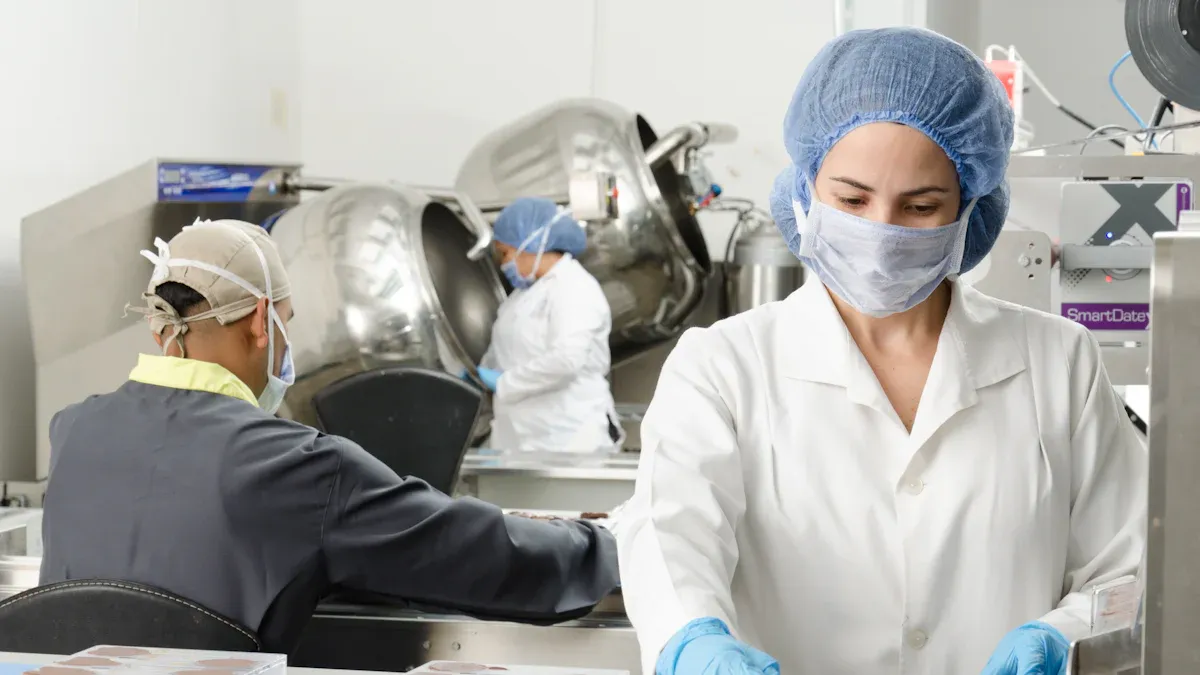
Facilities must implement strict controls when receiving frozen strawberries. Staff should inspect shipments for signs of temperature abuse or physical damage. They must verify that transport vehicles maintain proper cold chain conditions. Storage areas require regular monitoring to ensure temperatures remain at or below 0°F. These steps help prevent microbial growth and preserve product quality.
Tip: Use calibrated thermometers to check storage temperatures daily.
Sampling and Testing Protocols
Sampling forms a critical part of frozen strawberry inspection. Inspectors select random samples from each lot for laboratory analysis. They test for pathogens, pesticide residues, and mold counts. Standardized protocols guide the sampling process to ensure consistency. Laboratories must use validated methods to deliver reliable results. If a sample fails, staff must isolate the affected lot and conduct a root cause investigation.
- Random sampling increases detection of contamination.
- Immediate action on failed tests reduces public health risks.
Recordkeeping and Documentation
Accurate records support compliance and traceability. Facilities must document every step, from receiving logs to test results. Staff should maintain records of corrective actions and product disposition. Digital systems can streamline recordkeeping and improve data retrieval during audits. Proper documentation demonstrates a company’s commitment to food safety and regulatory requirements.
Note: Organized records simplify FDA inspections and speed up recall processes.
Best Practices for FDA Compliance in Frozen Strawberry Inspection
Sanitation and Hygiene Measures
Facilities must prioritize sanitation to prevent contamination during frozen strawberry inspection. Pre-freezing hygiene and thorough sanitation serve as the first lines of defense against bacteria. Staff should follow these essential practices:
- Clean and sanitize all equipment before and after use.
- Store strawberries at the correct temperature and control defrosting to reduce contamination risks.
- Limit washing during processing to maintain food safety.
The FDA recommends washing hands for 20 seconds with warm water and soap before and after handling produce. Workers should cut away damaged areas, rinse strawberries before peeling, and gently rub them under running water. Drying produce with a clean cloth or paper towel further reduces bacteria.
Employee Training and Awareness
Proper training ensures that employees understand and follow food safety protocols. Companies should implement the following programs:
- Good Agricultural Practices (GAP) training to prevent contamination at the farm level.
- Education on robust sanitation procedures for cleaning equipment and surfaces.
- Comprehensive instruction on handling and sanitation to minimize human error.
Regular training sessions help reinforce these practices and keep staff updated on regulatory changes.
Supplier and Import Verification
Companies must verify that suppliers meet FDA standards. The verification process includes:
- Identifying all applicable FDA regulations.
- Selecting safe and approved packaging materials.
- Conducting in-house safety and migration testing, with proper documentation.
- Submitting documentation for FDA review and approval.
- Maintaining compliance through internal audits.
The FDA monitors imported frozen strawberries by conducting microbiological surveillance sampling and promoting sanitary practices throughout the berry supply chain. When contamination occurs, the FDA removes affected products from the market and initiates recalls to protect consumers.
Recent FDA Updates and Strategies for Frozen Strawberry Inspection
New Guidance and Policy Changes
The FDA continues to strengthen its approach to food safety by updating guidance for frozen strawberry inspection. In response to recent outbreaks, the agency introduced a comprehensive strategy to prevent contamination from viruses such as hepatitis A and norovirus. This strategy emphasizes collaboration between regulators and the berry industry. By working together, both groups aim to enhance inspection procedures and reduce the risk of foodborne illness.
The following table summarizes key developments:
| Evidence Description | Details |
|---|---|
| New Strategy Announced | The FDA has developed a strategy to prevent contamination of fresh and frozen berries, including strawberries, from viruses like hepatitis A and norovirus. |
| Collaboration Emphasized | The strategy involves collaboration between regulators and the berry industry to enhance food safety. |
| Recent Outbreaks | Recent hepatitis A outbreaks linked to strawberries occurred in 2022 and 2023, highlighting the need for improved inspection procedures. |
Note: These updates reflect the FDA’s commitment to proactive risk management and continuous improvement.
Enforcement Actions and Recall Trends
FDA enforcement actions often follow the detection of contamination or non-compliance. The most common reasons for recalls include:
- Viral contamination, such as hepatitis A, which can survive freezing and cause serious health issues.
- Bacterial contamination, including Listeria, which thrives in cold environments and poses severe health risks.
- Pesticide residues resulting from improper handling.
- Foreign material contamination, such as plastic or metal fragments.
These trends highlight the importance of robust inspection protocols. Facilities that monitor hazards and respond quickly to issues help protect consumers and maintain trust in the food supply.
Companies achieve FDA compliance by maintaining strong hygiene, managing sanitation facilities, and preventing cross-contamination. Ongoing monitoring and regular review of FDA updates help address viral risks and improve safety.
| Key Focus Areas | Description |
|---|---|
| Field Worker Hygiene | Promotes clean practices to prevent contamination. |
| Sanitation Facility Management | Ensures proper facility upkeep to reduce risks. |
FAQ
What documents must facilities keep for FDA compliance?
Facilities must keep receiving logs, test results, corrective action records, and supplier verification forms.
Tip: Digital recordkeeping improves organization and speeds up FDA audits.
How often should facilities test frozen strawberries for pathogens?
Facilities should test each batch before distribution. Routine testing helps identify contamination early and protects public health.
What happens if a shipment fails FDA inspection?
FDA inspectors isolate the affected lot and require corrective action.
- The facility investigates the cause.
- Unsafe products do not enter the market.
See Also
Comparing EHEDG Guidelines With 3A SSI Standards For Hygiene
Understanding Pharmaceutical Checkweighers And Their Key Features
Three Essential Industrial Checkweighers For Food Processing Plants
Battle Of Ampoule Filling Production Line Manufacturers
Important Capsule Checkweighers For Buyers To Consider In 2025