Fast Food Truck Dreams Achieved Through Hard Work and Community
Success in the fast food truck industry depends on relentless effort and the support of the local community. Owners adapt quickly and build strong relationships with customers, fostering loyalty and trust. Common strategies include embracing challenges and maintaining a regular presence at local events to strengthen community ties.
| Strategy | Benefit |
|---|---|
| Embrace challenges | Helps businesses weather storms |
| Adapt quickly | Responds to unexpected disruptions |
Fast Food Truck Challenges and Motivation
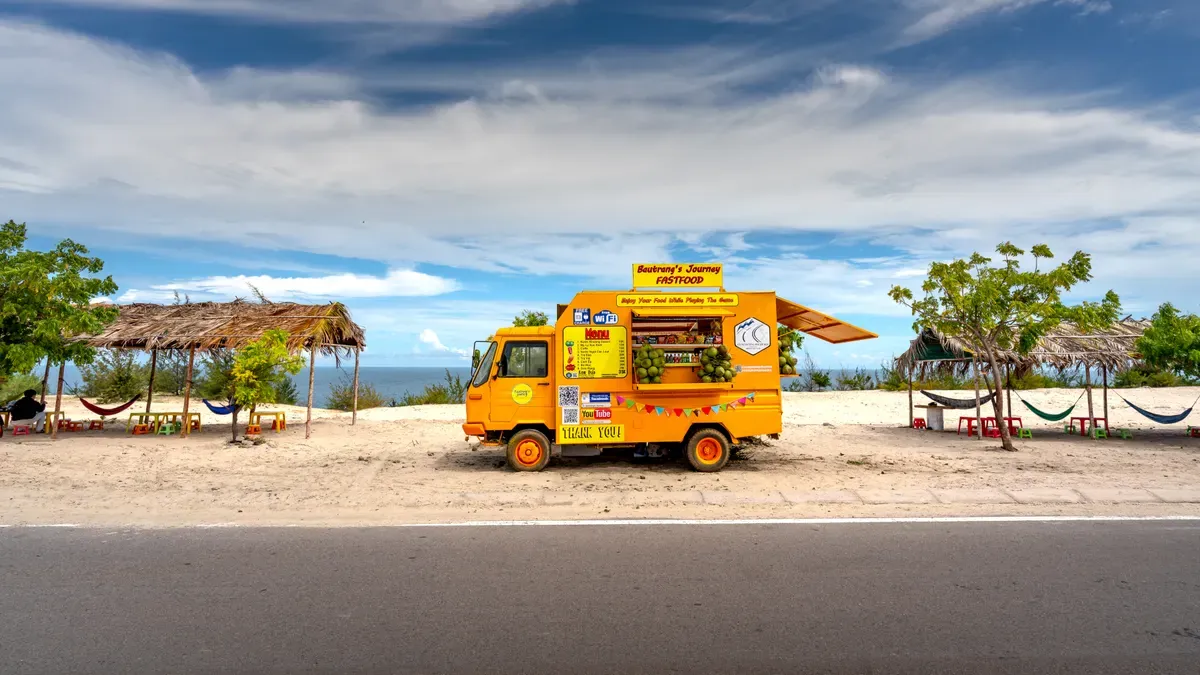
Facing the First Hurdles
New food truck owners encounter a range of obstacles in their early days.
- Regulatory requirements often prove complex, with permits and licenses varying by city and state.
- Many operators find the process of navigating different jurisdictions overwhelming.
- The financial burden stands out, as the average cost for permits and compliance can exceed $28,000 in the first year.
- Initial investments for a fully equipped truck range from $75,000 to $200,000, making entry difficult for many.
- High interest rates on financing options add to the monthly strain, while zoning and permitting complexities slow expansion.
What Drives Food Truck Owners
Despite these challenges, many individuals pursue the fast food truck business out of passion and a desire to serve their communities. Lisa Gutierrez’s story illustrates this drive. She credits her success to strong mentorship, supportive relationships, and community programs that help small businesses. Owners often find motivation in the connections they build with customers and other entrepreneurs. Community engagement, such as working with local nonprofits, provides both practical support and a sense of purpose.
The Role of Passion and Grit
Passion and grit set successful owners apart. They focus on financial management, operational sustainability, and revenue diversification. The table below highlights key factors that differentiate thriving operators:
| Key Factor | Description |
|---|---|
| Financial Management | Owners price for actual margins, ensuring profitability. |
| Operational Sustainability | They treat the business seriously and make informed decisions. |
| Revenue Diversification | Catering and events help mitigate risks. |
| Brand Loyalty | Consistent quality builds a loyal customer base. |
| Planning for Hard Seasons | Cash reserves and lean plans ensure stability during slow periods. |
Owners adapt to changing customer preferences and market conditions, using technology and creativity to stay competitive.
Fast Food Truck Success Stories: Community and Perseverance

From Setbacks to Comebacks: Real Owner Journeys
Many Fast Food Truck owners have faced significant obstacles on their path to success. Their stories highlight the resilience and determination required to thrive in this industry.
- Jacinto began his journey with a simple tent, serving food to a handful of customers. After investing in a custom food truck, La Huequita El Auténtico Manabita, he transformed his business into a local landmark in Bushwick, NYC. The new truck allowed him to serve more customers efficiently and expand his reach.
- Ebay, originally from Thailand, left a tech career to pursue his culinary passion. He launched Bangkok Bro, a Thai food truck, which not only fulfilled his dream but also provided a pathway to a U.S. work permit and future green card through the E-2 investor visa program.
Daniel Shemtob emphasizes the importance of being present and grateful, stating that his business is thriving due to his adaptability and community support.
These comeback stories inspire others in the Fast Food Truck industry, showing that setbacks can become stepping stones to greater achievements.
Building a Loyal Customer Base
A loyal customer base forms the backbone of every successful Fast Food Truck. Owners use a variety of strategies to build and maintain these relationships:
- They engage actively with customers, listening to feedback and responding to needs.
- Participation in community events helps them connect with local residents and build trust.
- Digital marketing and social media allow them to reach a wider audience and keep customers informed about locations and specials.
- Roll Up Food Truck demonstrates how a customer- and community-centric approach can drive growth and long-term success.
| Key Point | Explanation |
|---|---|
| Building customer loyalty | Loyalty programs make customers feel valued, turning occasional customers into loyal patrons. |
| Repeat business | Incentivizing repeat business provides a reliable source of income for food trucks. |
| Word-of-mouth marketing | Satisfied customers advocate for the brand, attracting new customers through positive experiences. |
Owners also leverage social media by posting engaging content, sharing behind-the-scenes glimpses, and interacting with followers. Consistent updates and interactive campaigns help foster a sense of community and encourage repeat visits.
Networking and Mentorship
Networking and mentorship play a critical role in the growth of Fast Food Truck businesses.
- Networking gives owners access to valuable knowledge and expertise from peers.
- Collaboration leads to unique dining experiences and innovative ideas through partnerships.
- Building relationships creates a supportive community that understands the challenges of running a food truck.
- Owners gain referrals and increased business through high-quality leads.
- They find business opportunities that align with their goals.
- Connections with influential people in the community open doors to new possibilities.
Mentorship also proves essential. Many graduates from culinary schools credit their success to guidance from instructors and industry professionals. These mentors help refine skills and provide essential training in restaurant management, which is vital for running a food truck.
Leveraging Local Resources and Partnerships
Fast Food Truck owners often rely on local resources and partnerships to overcome operational challenges and boost profitability.
- Building relationships with property owners helps secure profitable parking spots.
- Partnerships with local businesses, such as breweries and coffee shops, increase foot traffic and brand exposure.
- Systematic financial management practices help monitor expenses and ensure profitability.
- Maintaining documented maintenance schedules for vehicles and kitchen equipment prevents major failures.
- Digital inventory systems track usage patterns and automate reordering, improving efficiency.
By forming partnerships with breweries and participating in food festivals, food trucks expand their reach and build brand awareness. Collaborations with local businesses and participation in community events help tap into established customer bases, increasing both visibility and profitability.
Food truck operators frequently participate in local events, with 51.2% vending at music festivals, 47.6% at farmers markets, and 36.6% at food truck rallies. These events can lead to a revenue increase of three to five times the normal daily sales. Smaller community events often prove more profitable than larger festivals when considering costs and competition. Parking at local businesses during peak hours or catering for private events embeds food trucks into the community and strengthens their presence.
| Metric | Why It Matters | How to Measure | Optimization Action |
|---|---|---|---|
| Order Volume by Location | Identifies highest-revenue routes | POS or ordering platform analytics | Prioritize high-volume locations; test new stops on slow days |
| Average Order Value | Measures upsell and bundle effectiveness | Online ordering dashboard | Add high-margin add-ons; promote bundles |
| Repeat Visit Rate | Reflects loyalty program effectiveness | CRM customer data | Trigger win-back campaigns for lapsed customers |
| Email / SMS Opt-In Growth | Builds owned audience for future marketing | CRM or email platform | Add QR codes at more touchpoints; incentivize sign-ups |
| Review Volume & Rating | Drives local SEO and social proof | Google Business Profile, Yelp | Request reviews post-purchase; respond to all reviews |
| Coupon Redemption Rate | Measures promotional campaign ROI | Promo code tracking in ordering platform | Test different offers; retire low-redemption codes |
| Catering Leads | Tracks high-value revenue diversification | Website inquiry form submissions | Promote catering packages more aggressively in slow months |
These strategies and partnerships not only help Fast Food Truck owners overcome daily challenges but also position them for long-term growth and sustainability.
"You are living proof that when we come together with vision, hard work, and heart, we can transform not just individual lives, but entire communities."
- Careful planning and strong partnerships drive Fast Food Truck success.
- Owners support local events and charities, building trust and loyalty.
- Persistence and community engagement turn dreams into reality.
FAQ
What certifications help a food truck operate legally?
Food trucks with COC, DOT, and CE certifications, plus unique VIN numbers, meet street-legal requirements. These credentials simplify licensing and ensure smooth operation on public roads.
How do food truck owners pass health inspections?
Owners install certified equipment and use high-quality materials like 304 stainless steel. These choices support compliance with local health department standards and extend trailer lifespan.
Where can owners find support for maintenance in Europe?
- Specialized after-sales service centers across Europe
- Professional-grade chassis for stable performance
- Timely maintenance and support available for all customers
See Also
Evaluating Custom Cargo Lifts: Benefits and Drawbacks for Businesses
25 Exceptional Construction Website Designs You Should Explore
Essential Industrial Checkweighers for Every Food Processing Facility
Defining Characteristics of New Energy Vehicles Explained
Innovations in Heat Exchanger Manufacturing Boost Industrial Efficiency