5 Tips to Extend Your Rotary Lip Gloss Filling Machine's Life
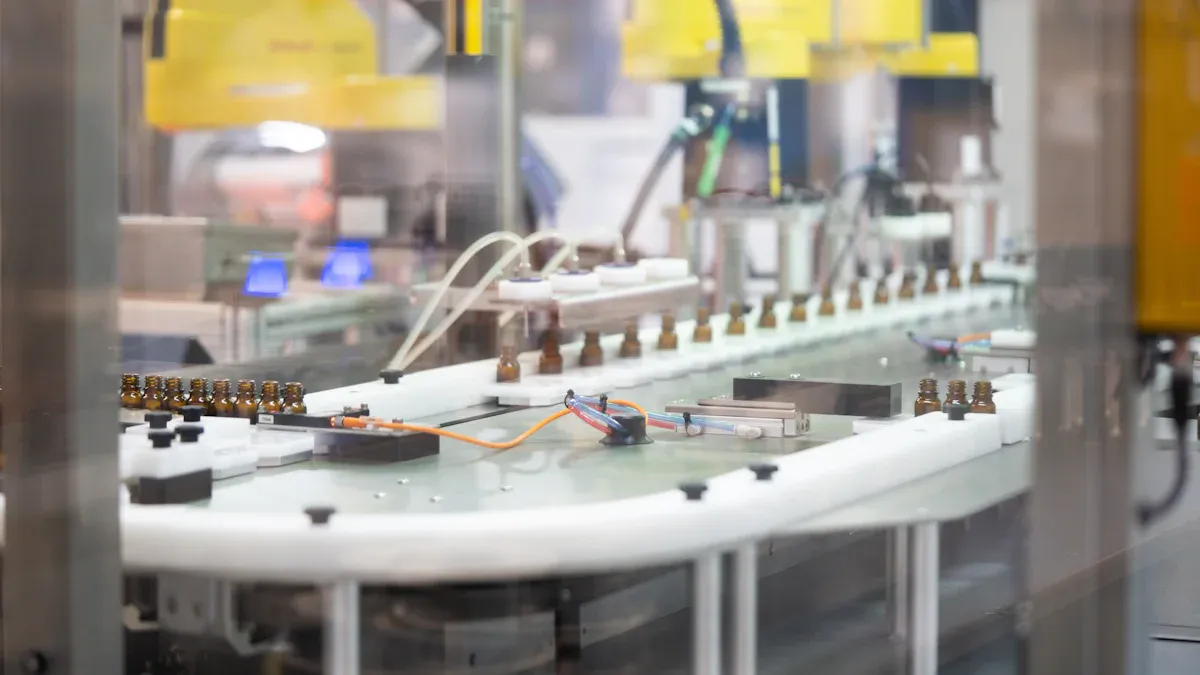
I have seen many companies protect their investment in a Rotary Type Lip Gloss Filling Machine. They successfully maximize its longevity and prevent costly downtime. Your success depends on a commitment to proactive care. This approach ensures consistent production for your business. It also helps you avoid expensive, unexpected repairs down the line.
A proactive maintenance culture is the single most important factor. I believe it guarantees the long-term health and performance of your equipment. This mindset transforms daily operations and protects your assets.
Key Takeaways
- Clean your machine every day. This stops product buildup and keeps your lip gloss safe. A clean machine works better and lasts longer.
- Lubricate your machine regularly. This reduces friction and wear on parts. Use special food-grade lubricants to protect your product.
- Check your machine often. Look for worn parts like seals and damaged nozzles. Fixing small problems early prevents big breakdowns.
- Calibrate your machine for accuracy. This makes sure each lip gloss is filled correctly. Proper calibration saves money and keeps customers happy.
- Train your team well. Operators should know how to use the machine and report problems fast. This helps keep the machine running smoothly.
Tip 1: Implement a Strict Daily Cleaning Regimen
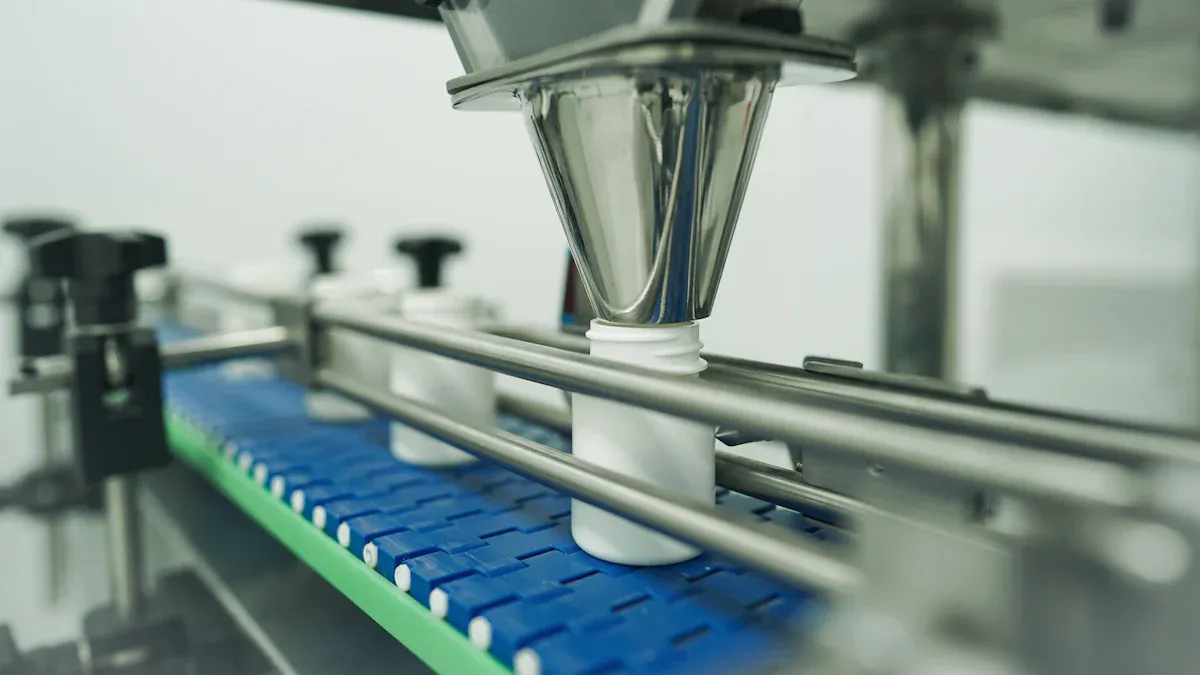
From my experience, nothing impacts a machine's health and your product's integrity more than a disciplined cleaning routine. A clean machine is a reliable machine. This first tip is the foundation of effective maintenance. It prevents product buildup, which can cause mechanical strain and contaminate future batches.
Disassemble and Clean All Contact Parts
I always stress the importance of disassembling and cleaning every part that touches your product. This includes the hopper, piston, nozzles, and any associated tubing. Performing this at the end of each day prepares the equipment for a smooth start the next morning. I advise my teams to follow a strict protocol to prevent cross-contamination.
- Always work from the top of the machine down to the bottom.
- Use cleaning tools made from low-lint synthetic microfibers.
- Designate specific cleaning materials for specific areas to avoid spreading residue.
- Ensure all parts are completely dry before reassembly to prevent microbial growth.
Use Manufacturer-Recommended Cleaning Agents
Using the correct cleaning agent is non-negotiable for protecting your machine's surfaces. The wrong chemical can damage stainless steel or degrade silicone seals, leading to costly replacements. I always refer to the equipment manual first.
Pro Tip: For stainless steel parts, I recommend a non-abrasive cleaner to protect the passive layer that prevents rust. For food-grade silicone seals and O-rings, a simple solution of warm water and mild dish soap is often sufficient. For stubborn oily residues, a wipe-down with isopropyl alcohol (IPA) works wonders without causing damage.
Wipe Down the Machine Exterior and Sensors
A thorough cleaning job extends beyond the product contact parts. A clean exterior is crucial, especially for your machine's optical sensors. 🧼 These sensors control critical functions like container detection and positioning. Product splash, dust, and grime can obstruct a sensor's lens, causing it to misread. This leads to timing errors, spills, and inconsistent fills. I have seen operators cause permanent damage by using abrasive cloths or harsh solvents on these delicate optics. A gentle wipe with a soft, lint-free cloth is all that is needed to keep them functioning perfectly.
Tip 2: Adhere to a Regular Lubrication Schedule
After cleaning, proper lubrication is the next critical step for machine longevity. I have seen firsthand how neglecting this task leads to disastrous outcomes. Insufficient lubrication is a primary cause of component failure. It creates excessive friction, accelerates wear, and increases operating temperatures. This neglect ultimately results in:
- Increased risk of mechanical failure and unplanned downtime.
- Higher maintenance costs due to frequent breakdowns.
- Irreparable damage to critical parts like bearings and gears.
Proper lubrication is your best defense against these preventable issues.
Identify Key Lubrication Points
Your first resource for identifying lubrication points should always be the manufacturer's manual. I make it a point to have my team create a lubrication map or chart based on the manual's diagrams. Key areas always include gears, bearings, chains, and cams. A lubricant forms a protective film that prevents direct metal-to-metal contact, which is crucial for preventing damage. Some modern machines, for instance, have a cam indexer with a built-in oil circuit. This system automatically lubricates parts and extends the maintenance interval significantly. Knowing exactly where and how to apply lubricant is fundamental.
Apply the Correct Food-Grade Lubricant
The cosmetics industry demands the use of food-grade lubricants. I cannot overstate this. These lubricants are specifically formulated to be physiologically inert, tasteless, and odorless, ensuring they will not contaminate your product if incidental contact occurs.
My Recommendation: I typically specify a high-performance synthetic food-grade lubricant, such as one based on Polyalfaolefin (PAO). For greases, an aluminum complex thickener is a common and effective choice for H1-rated applications. These advanced lubricants often outperform their non-food-grade counterparts, especially in resisting high temperatures and water washout. Using the wrong type can be just as bad as not lubricating at all.
Establish a Consistent Lubrication Calendar
Consistency is everything. I advise creating a simple, visible schedule that operators can follow easily. A clear calendar removes guesswork and builds accountability within your team. This schedule does not need to be complex. You can start with a basic framework and adjust it based on your machine's usage and environment.
A great starting point I recommend is:
| Frequency | Key Lubrication Task |
|---|---|
| Weekly | Lubricate all primary moving parts (chains, gears) |
| Monthly | Inspect lubricant levels in enclosed systems |
I have my teams document each lubrication task in a maintenance log. This simple action creates a historical record that helps us track performance and diagnose future problems with greater accuracy.
Tip 3: Conduct Routine Inspections of Your Rotary Type Lip Gloss Filling Machine
I always tell my clients that cleaning and lubrication are only part of the equation. A proactive inspection program is what truly separates a well-maintained machine from one destined for failure. Regular inspections help my teams catch small issues before they become major breakdowns. This practice improves safety, increases productivity, and significantly lengthens the equipment's lifespan. A few minutes of inspection each week can save you thousands in emergency repair costs and prevent unexpected downtime.
Proactively Check and Replace Seals and O-Rings
Seals and O-rings are small, inexpensive components, but their failure can bring production to a halt. I make it a mandatory weekly checkpoint. Worn seals are a primary cause of inconsistent filling volumes and product leakage.
I train my operators to look for specific signs of wear. Visible damage like cracks or brittleness is an obvious red flag. Any product leakage around the piston or nozzles also points directly to a failing seal. Replacing these parts proactively is a simple, low-cost way to maintain accuracy and prevent contamination.
Inspect Nozzles for Damage and Blockages
The filling nozzle is the final point of contact with your product. Its condition directly impacts the quality of your finished goods. I have seen clogged or damaged nozzles cause numerous problems. You might see the lip gloss coming out in thin, weak streams or curling back up onto the nozzle. These are clear indicators of a blockage.
I insist that my teams follow strict cleaning protocols.
- Never use metal picks or sharp objects to clear a blockage. This can permanently damage the nozzle orifice.
- Always use soft bristle brushes and manufacturer-approved solvents like isopropyl alcohol.
- Keep spare nozzles on hand. This allows you to swap one out quickly and minimize downtime while you clean the blocked one properly.
Examine Electrical and Pneumatic Systems
The electrical and pneumatic systems are the brain and muscle of your Rotary Type Lip Gloss Filling Machine. I find that operators sometimes overlook these systems during routine checks. A failure here can be sudden and catastrophic. I teach my teams to use their senses to spot trouble. A hissing sound often indicates a pneumatic air leak, which reduces efficiency and causes erratic cylinder movement. For electrical systems, warning signs include:
- Flickering control panel lights
- A distinct burning smell near the cabinet
- Unusual buzzing sounds from motors or relays
Addressing these sensory cues immediately can prevent major component failure and ensure the consistent, precise operation of your Rotary Type Lip Gloss Filling Machine.
Tip 4: Calibrate for Unwavering Accuracy and Efficiency
In my experience, even the cleanest and most lubricated machine will fail to produce quality products without precise calibration. Calibration is the process of fine-tuning your machine to ensure it performs exactly as intended. Over time, all equipment experiences "instrument drift" due to wear and environmental changes. This drift, however small, can lead to significant problems. I see calibration as the ultimate safeguard for product quality and operational efficiency. It prevents material waste, reduces defects, and protects your bottom line.
Verify and Adjust Fill Volume Regularly
Your primary calibration task is verifying the fill volume. I insist on this check at the start of every production run. An inaccurate fill gives away product, costing you money, or short-changes customers, damaging your brand's reputation. To perform this check, you need the right tools. I equip my teams with:
- An electronic balance with an accuracy of at least 0.01g
- A set of calibration weights to verify the scale's accuracy
- The necessary adjustment wrenches and shims (often 0.1mm or 0.2mm) for fine-tuning
The financial impact of poor calibration is not theoretical. I have seen companies suffer massive losses from what seemed like a minor oversight.
A manufacturing incident I often reference involved a company that incurred $50,000 in rework costs from a single uncalibrated tool. After they implemented a regular calibration schedule, their defect rate dropped by 80%, saving them millions. This is a powerful lesson in proactive maintenance.
Calibrate Rotary Table and Sensor Timing
Beyond fill volume, you must calibrate the machine's timing. This ensures the rotary table positions each container perfectly under the nozzle at the exact moment of the fill. I have seen misaligned timing cause messy spills, line jams, and wasted components. ⏱️ You must also calibrate the sensors that detect container presence and position. An uncalibrated sensor can cause the machine to skip containers or fill empty slots, leading to significant product loss and downtime while you clean up the mess.
Follow Manufacturer's Calibration Procedures
I cannot stress this enough: always consult the manufacturer's manual. Each rotary lip gloss filling machine has unique calibration steps. The manual is your definitive guide, providing the specific procedures, tolerances, and recommended frequencies for your model. I have learned that trying to guess or use a generic procedure often does more harm than good. Following the official guidelines is the only way I can guarantee that the calibration is performed correctly and safely, ensuring your machine operates at peak accuracy and efficiency.
Tip 5: Ensure Comprehensive Operator Training and Reporting

I believe that even the most advanced machinery is only as effective as the people who operate it. Your team is your greatest asset in extending your machine's life. I build my training programs to empower operators with deep product knowledge and hands-on skills. This final tip ties all the others together. It creates a culture of ownership and proactive care that protects your investment from the ground up.
Standardize Startup and Shutdown Procedures
Consistency is the key to preventing human error. I implement standardized checklists for every startup and shutdown. This removes guesswork and ensures no critical step is missed. Before any production run, my teams must verify several key points.
- System Checks: Confirm air pressure is at the rated value (0.6-0.8MPa) and the power supply is stable.
- Component Integrity: Inspect the filling head gasket for any damage or deformation.
- Emergency Readiness: Ensure all emergency stop buttons are functional and accessible.
This simple routine, much like a pilot's pre-flight check, guarantees the machine is safe and ready for operation.
Empower Operators to Report Issues Immediately
Your operators are your first line of defense. I train them to see themselves as the primary guardians of the equipment. They can spot subtle changes in sound or performance that might signal a developing problem. I encourage this by providing user-friendly reporting tools, like a mobile app that allows for photo documentation of an issue.
One company I worked with saw a 20% reduction in maintenance downtime after implementing an immediate reporting system. This simple cultural shift saved them over $800,000 in a single year by catching small problems before they became catastrophic failures.
Maintain a Detailed Maintenance Logbook
A maintenance logbook is your machine's official health record. I insist on meticulous record-keeping for every action performed. This data is invaluable for tracking trends and diagnosing future issues. A complete log entry provides a clear history of the machine's life.
| Information to Record | Description |
|---|---|
| Equipment ID | Machine name, model, and serial number. |
| Maintenance Details | Date, technician's name, and a description of the work performed. |
| Parts & Condition | A list of any parts replaced and notes on the machine's overall condition. |
| Next Maintenance Due | The scheduled date for the next preventive maintenance task. |
This detailed history helps my team identify recurring problems, manage spare parts inventory, and make informed decisions about the equipment's future.
I have seen how a commitment to five core practices extends the life of any Rotary Type Lip Gloss Filling Machine. Diligent cleaning, scheduled lubrication, proactive inspections, precise calibration, and operator training are your best tools. Integrating these tips protects your investment in your Rotary Type Lip Gloss Filling Machine. The financial returns I have witnessed are significant.
- A well-structured program can yield a remarkable 400% return on investment.
- It can reduce overall maintenance costs by 12-18%.
This proactive culture is the key to maximizing uptime and the longevity of your equipment.
FAQ
How often should I perform a deep clean?
I always advise a daily deep clean for all product contact parts. This practice is non-negotiable. It prevents product buildup and microbial growth. A clean machine ensures your product integrity and operational readiness for the next shift.
What is the most common operator mistake I should avoid?
I see operators use metal tools to clear blocked nozzles most often. This action permanently damages the nozzle orifice, leading to poor filling performance. I always train my teams to use only soft brushes and approved solvents for this critical task.
Can I use a standard industrial lubricant instead of food-grade?
I strongly advise against this. Standard lubricants can contaminate your lip gloss if incidental contact occurs, posing a safety risk.
Always use H1-rated food-grade lubricants. This protects your product, your customers, and your brand's reputation. It is a mandatory industry practice.
What are the signs my machine needs recalibration?
I tell my teams to watch for clear warning signs. Your machine likely needs calibration if you notice:
- Inconsistent fill volumes in containers.
- Product spilling between stations.
- The machine skipping containers or filling empty slots.
Addressing these immediately maintains efficiency.