From VFFS to Pouch Fillers Exploring Rice Packing Machines
The rice packaging market shows significant growth potential, reflecting the industry's dynamism. Projections indicate a substantial expansion:
- The market size was estimated at USD 152.6 million in 2024.
- It is projected to grow at a CAGR of 6.9% from 2025 to 2030.
- This growth could result in a market value of around USD 227.8 million by 2030.
Different machines serve distinct purposes. Vertical Form Fill Seal (VFFS) machines create bags from film for high-speed production. Pre-made pouch fillers are ideal for retail-ready packaging. Open-mouth bagging systems handle large, bulk bags for wholesale. Selecting the right rice packing machine depends on production scale and operational needs.
Vertical Form Fill Seal (VFFS) Machines for High-Speed Bagging
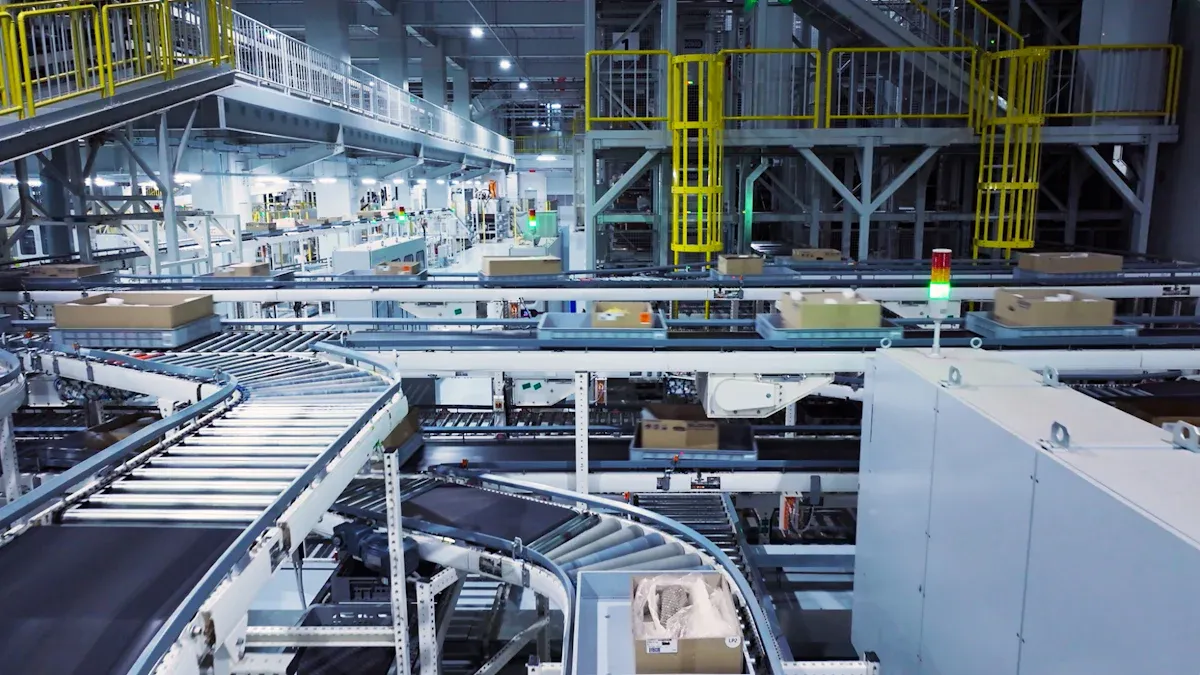
Vertical Form Fill Seal (VFFS) machines are the workhorses of the rice packaging industry. They automate the entire bagging process, transforming a flat roll of packaging film into a finished, sealed bag with remarkable speed. These systems are highly versatile and can handle a wide range of granular products beyond rice, including beans, grains, nuts, and snacks.
How VFFS Machines Work
A VFFS machine executes a precise sequence of operations to create and fill bags. The process is a model of efficiency, managed by advanced programmable logic controllers (PLCs).
- Film Forming: The machine pulls laminate material from a large roll. It passes the film over a forming tube, shaping it into a vertical tube.
- Sealing and Filling: A vertical seal bar joins the edges of the film. Next, horizontal sealing jaws create the bottom seal of one bag and the top seal of the bag below it. During this step, a multi-head weigher dispenses a precise quantity of rice into the bag.
- Discharge: Once filled and sealed, a knife cuts the finished bag free. The completed package then drops onto a conveyor for downstream processing, such as case packing or palletizing.
Best For High-Volume Production
VFFS systems are the definitive choice for producers requiring high throughput. Automating the packaging line delivers substantial operational advantages. For example, a USA-based rice producer significantly increased efficiency and reduced costs by replacing its manual processes with an automated VFFS system. Key benefits include:
- Increased Speed and Precision: Automation boosts processing speed, ensuring accuracy in portion sizes and consistent quality control across thousands of packages.
- Enhanced Efficiency: These machines streamline complex processes, creating uniform packages with reliable seal integrity and minimizing human error.
- Reduced Product Wastage: Precision weighing and filling systems reduce product loss, directly improving yield and lowering operational costs.
- Labor Optimization: Automation reduces the need for manual labor, allowing staff to focus on more critical oversight roles.
Key Performance Specifications
When evaluating a VFFS machine, decision-makers focus on key metrics that define its output and operational requirements. These specifications determine the machine's suitability for a specific production environment.
| Specification | Typical Range |
|---|---|
| Packing Speed | 5–70 bags/minute (for 1kg bags) |
| Power Consumption | 1.6 kW – 7.8 kW |
| Compressed Air | 0.6–0.8 MPa |
💡 Pro Tip: To maintain peak performance and ensure consistent seal quality, operators should perform regular inspections and maintenance on the sealing jaws and film transport belts.
Pre-Made Pouch Fillers for Retail-Ready Packaging
Pre-made pouch fillers cater to the premium segment of the rice market. These machines are designed for brands that prioritize shelf appeal and consumer convenience. Unlike VFFS systems, which create bags from film, these machines fill and seal pre-formed pouches, such as stand-up pouches with zippers, which are increasingly popular with modern consumers.
How Pouch Filling Machines Work
Rotary pouch filling machines automate the handling of pre-made bags through a series of precise stations. The process ensures consistency and quality for each package.
- Pouch Loading & Gripping: An operator loads a stack of empty pouches into a magazine. The machine then picks up a single pouch with a vacuum loader and secures it with a set of grippers.
- Opening & Detection: The machine opens the pouch, often using an air blower. Sensors verify the pouch is present and correctly positioned before it moves to the next station.
- Filling: A multi-head weigher or other dosing system dispenses a precise amount of rice into the open pouch through a funnel.
- Sealing & Discharge: The machine removes excess air from the pouch. A heated seal bar then applies pressure to create a strong, reliable top seal. Finally, the finished pouch is discharged onto a conveyor.
Best For Premium Brand Presentation
Pouch fillers are the ideal choice for brands aiming to capture the retail market. The rising demand for convenience foods, driven by busy urban lifestyles, has made microwaveable rice pouches a staple. Stand-up pouches offer a significant marketing advantage with their large, flat surfaces that create a "billboard-like presence" on store shelves, encouraging first-time purchases.
Brands like Seeds of Change use this premium packaging to signal quality and justify a higher price point. Key factors driving this trend include:
- Convenience: Features like resealable zippers and microwave-safe materials appeal to time-constrained consumers.
- Health and Wellness: Pouches effectively package products with added nutrients or whole grains.
- Sustainability: Many modern pouches use eco-friendly materials, aligning with consumer values.
Key Performance Specifications
When selecting a pouch filler, key specifications relate to the pouch size and sealing technology. These factors determine the machine's versatility and the quality of the final product.
| Specification | Typical Range |
|---|---|
| Pouch Width | 80–210 mm |
| Pouch Length | 80–280 mm |
| Filling Weight | 10–1500 g |
Seal of Quality 💡: Machines can use different sealing methods. Heat sealing is common, but ultrasonic sealing is a modern alternative that uses vibrations to create a strong bond. Ultrasonic technology can seal through product dust in the seal area, reducing waste and improving overall equipment effectiveness.
Open-Mouth Bagging Systems for Bulk Wholesale
Open-mouth bagging systems are the heavy-duty solution for packaging large quantities of rice, typically for wholesale or industrial use. These robust machines are engineered to handle large, pre-made bags made from materials like paper or polywoven plastic. They provide a reliable method for high-volume bagging operations where speed and durability are paramount.
How Open-Mouth Baggers Work
Automated open-mouth baggers streamline the process of filling large bags with precision. The system executes a simple yet effective sequence to ensure consistent and efficient packaging.
- Bag Placement: The machine first places an empty bag on the fill spout. An automated bag placer can perform this task, or an operator can do it manually.
- Product Weighing & Filling: The system fills the bag with rice. In net weigh applications, a scale pre-weighs the rice before discharging it into the bag. For gross weighing, the machine weighs the bag during the filling process itself.
- Bag Closing & Transfer: Once the bag reaches its target weight, it is released onto a conveyor. The conveyor then transports it to a closing station for sewing or sealing.
Best For Industrial and Wholesale Applications
These systems are indispensable in sectors that require bulk packaging. Their versatility extends far beyond rice, making them a cornerstone of many industries. Common applications include:
- Agriculture: Seeds, corn, and fertilizer
- Animal Nutrition: Animal feed and pellets
- Building Materials: Specialty aggregates and sands
- Food Products: Sugar, salt, and beans
Safety First 🛡️: Modern baggers integrate critical safety features to protect operators. These include emergency stop buttons, overload protection to prevent machinery damage, and physical safety guards around moving parts, ensuring compliance with strict industry standards.
Key Performance Specifications
When evaluating an open-mouth bagging system, performance metrics focus on capacity, accuracy, and speed. These specifications define the machine's suitability for large-scale production environments. High-speed systems can process up to 1,600 bags per hour, depending on the product and bag size.
| Specification | Typical Range |
|---|---|
| Bag Weight | 10–50 kg (22–110 lbs) |
| Weighing Accuracy | ±0.2% to 0.5% |
| Bag Materials | Paper, Polyethylene, Polywoven |
Key Components of a Complete Rice Packing Machine Line
A complete rice packing machine line integrates several key components beyond the bagger itself. These systems work together to weigh, transport, and prepare products for shipment, ensuring a seamless and efficient operation from start to finish.
Weighing and Dosing Systems
Accurate weighing is critical for profitability and quality control. Dosing systems ensure each bag contains the correct amount of product, minimizing giveaway and meeting regulatory standards. Multihead weighers are a popular choice for their precision. They use an intelligent algorithm to calculate the perfect weight combination from multiple hoppers, significantly improving speed and accuracy.
| Feature | Multihead Weigher | Linear Weigher |
|---|---|---|
| Accuracy | High (reduces giveaway) | Fair (less precise) |
| Speed | High (simultaneous weighing) | Slower (single-pan process) |
| Best For | High-speed, high-accuracy lines | Smaller operations |
For larger bags, net weigh systems are the industry standard. They offer high-speed performance for industrial applications.
- They pre-weigh rice in an internal hopper while another bag is being filled.
- This continuous cycle allows them to fill up to 24 bags per minute.
- They handle bag sizes from 20 to 110 lbs (9-50 Kg).
Conveying and Palletizing Automation
Efficient material handling is essential for a high-volume rice packing machine. Conveying systems transport rice to the filler and move finished bags downstream. Bucket elevators are ideal for vertically lifting bulk materials like rice. Their gentle handling prevents product breakage, protecting quality and reducing yield loss.
Automation Advantage 🤖: After bagging, robotic palletizers automate the labor-intensive task of stacking bags. A single robot can manage multiple lines, providing consistent throughput and uniform stacks. This automation frees employees for higher-value work, such as quality control for the rice packing machine. A USA-based rice producer saw significant cost savings and efficiency gains after implementing this technology.
Selecting the ideal rice packing machine requires evaluating production volume, packaging style, and product type. Each system serves a distinct purpose. VFFS machines offer unmatched speed, pouch fillers provide superior retail presentation, and open-mouth baggers handle heavy-duty wholesale needs. The future of the rice packing machine industry points toward greater automation and sustainability.
Future Outlook 🔭 Key innovations are shaping the next generation of equipment:
- Automation: AI-driven quality control and collaborative robots (cobots) are enhancing efficiency.
- Sustainability: Edible and biodegradable materials offer eco-friendly packaging alternatives.
FAQ
Which rice packing machine is best for a small business?
Pre-made pouch fillers or compact VFFS machines suit small businesses. They provide excellent flexibility for retail packaging. These systems balance automation with a smaller operational footprint, making them ideal for growing production needs.
Can one machine handle different bag sizes?
Yes, modern packing machines handle various bag sizes. Operators can use change parts, like a new forming tube on a VFFS machine, to switch between package dimensions. This versatility allows businesses to meet diverse product requirements.
What other products can these machines pack?
These machines are highly versatile. They package numerous granular, block, and powder products. Examples include snacks, chips, popcorn, dried fruits, cookies, candies, nuts, beans, sugar, salt, and pet food.
How important is a multihead weigher?
A multihead weigher is critical for accuracy. It uses multiple hoppers to calculate a precise weight. This technology reduces product giveaway and improves line efficiency. It is an essential component for ensuring profitability in packaging operations.
💡 Did You Know? Proper machine calibration is key. Regularly calibrating the weigher and sealing jaws ensures consistent package quality and minimizes waste, directly impacting your bottom line.
See Also
Essential Folder Gluer Innovations Shaping 2025 Carton Production Lines
Leading Ampoule Filling Line Manufacturers: A Comprehensive Industry Comparison
Boosting Pharma Efficiency: Modern Capsule Decapsulation Machine Advancements Explained
Top Capsule Checkweighers: A Buyer's Guide for 2025 Investments
Indispensable Industrial Checkweighers: The Top 3 for Food Processing Plants