D-Limonene for Industrial Degreasing and Eco-Friendly Cleaning Solutions
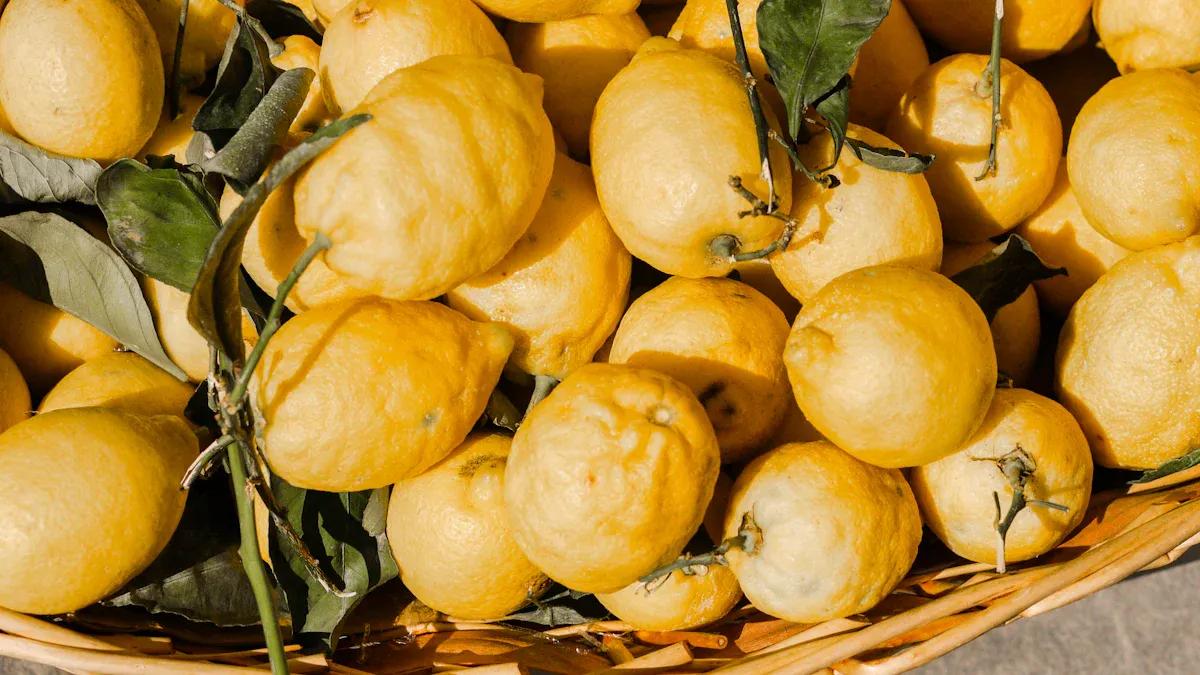
You see D-Limonene gaining popularity as an industrial degreaser because it delivers strong cleaning power and reduces risks to health and the environment. Over the past decade, industries have shifted toward eco-friendly solutions. Explore the cleaning performance of D-Limonene and discover why companies value safety and sustainability.
Key Takeaways
- D-Limonene is a powerful, eco-friendly degreaser derived from citrus peels, making it safer for both health and the environment.
- Using D-Limonene can lead to cost savings and improved environmental performance by reducing solvent use and air emissions in industrial cleaning.
- D-Limonene meets strict safety and compliance standards, making it suitable for various industries while supporting sustainability goals.
Explore the Cleaning Performance of D-Limonene
Natural Origins and Chemical Properties
You can trace D-Limonene back to citrus peel oils. Manufacturers extract this compound from oranges, lemons, and other citrus fruits. You notice its strong solvency and pleasant orange scent in many cleaning products. D-Limonene stands out because it is a transparent liquid, insoluble in water but soluble in oils. You benefit from its natural biodegradability, which means it breaks down easily in the environment. You also appreciate its low toxicity, making it safer than aggressive chemicals. The solvent properties of D-Limonene allow you to dissolve fats and resins quickly and efficiently.
| Property | Description |
|---|---|
| Appearance | Transparent liquid, insoluble in water, soluble in oils |
| Biodegradability | Naturally breaks down in the environment |
| Low toxicity | Safe for use compared to aggressive chemicals |
| Solvent properties | Effective in dissolving fats and resins |
When you explore the cleaning performance of D-Limonene, you see how its chemical properties make it a powerful and eco-friendly choice for industrial cleaning.
Industrial Applications and Effectiveness
You find D-Limonene used in many industries, including aerospace and automotive. In these sectors, you rely on its ability to remove tough greases and contaminants without damaging metal parts. Aerospace engineers use D-Limonene to dissolve substances like Skydrol and carbon deposits. You see it meet strict requirements for cleaning alloys. Automotive professionals trust D-Limonene to penetrate and clean synthetic oils and heavy lubricants. You often choose it for engine cleaning because it works well and protects sensitive components.
You can use D-Limonene in various cleaning methods:
- Immersion
- Soak
- Manual wipe
- Ultrasonic cleaning
- Spray-and-wipe
You notice that D-Limonene is suitable for cold-cleaning methods. You achieve effective results in removing heavy oils, greases, adhesives, tar, and carbonized residues. Scientific studies show that a dilute limonene solution cleans metal parts without compromising quality. You see cost savings and reduced disposal issues compared to traditional solvents. Companies have replaced many degreasers with D-Limonene, lowering solvent use and air emissions. You benefit from substantial savings in procurement and improved environmental performance.
Tip: You can implement D-Limonene in a closed-loop aqueous cleaning system to handle oil, grease, and metal shavings efficiently.
Key Benefits for Industrial Cleaning
You gain several advantages when you explore the cleaning performance of D-Limonene. The solvent dissolves non-polar soils on contact, unlike aqueous cleaners that require high pH and heat. You enjoy its high Kauri-Butanol value, placing it in the upper tier of hydrocarbon solvents. D-Limonene is biodegradable and non-toxic, making it safer for you and the environment. The Environmental Protection Agency (EPA) classifies it as a non-toxic chemical. You see it biodegrade quickly, reducing risks compared to traditional solvents.
| Property | D-Limonene Value | Comparison to Other Solvents |
|---|---|---|
| Kauri-Butanol (KB) | 67 | Upper tier of hydrocarbon solvents |
| Solvency Mechanism | Dissolves non-polar soils on contact | Requires high pH and heat for aqueous cleaners |
| Environmental Impact | Biodegradable, non-toxic | More toxic alternatives available |
You can use D-Limonene in many applications, including:
- Heavy oils
- Greases
- Adhesives
- Tar
- Carbonized residues
You also benefit from environmental certifications. D-Limonene-based cleaning products often carry labels such as EPA Safer Choice, Green Seal, and UL ECOLOGO. These certifications assure you that the products meet rigorous standards for health and environmental safety.
| Certification Name | Description |
|---|---|
| EPA Safer Choice | Helps consumers find products that are safer for health and the environment. |
| Green Seal | Indicates products that meet rigorous standards for environmental leadership. |
| UL ECOLOGO | Certifies products with reduced environmental and health impact. |
When you explore the cleaning performance of D-Limonene, you discover a solution that delivers strong cleaning power, safety, and sustainability. You can trust it to meet your industrial cleaning needs while supporting eco-friendly practices.
D-Limonene vs. Traditional Degreasers
Performance and Efficiency Comparison
When you compare D-Limonene to traditional degreasers, you notice clear differences in cleaning power and application. D-Limonene works well on heavy soils and tough grease. You can use it in immersion, soak, manual wipe, and ultrasonic cleaning. Traditional degreasers, like mineral spirits, often do not perform as well on heavy soils and may not suit cold cleaning methods. The table below shows how D-Limonene stands out:
| Feature | D-Limonene | Traditional Degreasers (e.g., Mineral Spirits) |
|---|---|---|
| Kauri-Butanol Value | ~67 | Lower than 67 |
| Solvency | Stronger, effective on heavy soils | Less effective on heavy soils |
| Evaporation Rate | Slow, extends bath life | Faster, may require more frequent replacement |
| Residue | Can leave a light residue | May leave a film on components |
| Flammability | Flammable | Varies, but often less flammable |
| Suitable Methods | Immersion, soak, manual wipe, ultrasonic | Varies, often not suitable for cold cleaning |
Environmental Impact and Sustainability
You care about the environment and want to use products that are safe. D-Limonene comes from citrus peels, making it a renewable and biodegradable option. You reduce your impact on the planet when you choose it over traditional solvents, which often contain hazardous chemicals. D-Limonene breaks down naturally and does not harm water or soil. You help your company meet green standards and support eco-friendly goals.
Cost, Availability, and Practical Considerations
D-Limonene prices are volatile, leading many companies to seek alternatives that are generally cheaper. For instance, while only about 5% of customers use d-limonene, alternatives are preferred due to their cost-effectiveness. Additionally, alternatives like Dipentene offer stable pricing and consistent cleaning performance, unlike d-limonene, which is affected by the annual orange harvest.
You find D-Limonene available in many grades for industrial use. You can buy it in different package sizes to fit your needs. Many companies now recognize D-Limonene as a strong alternative to traditional degreasers. Its high solvency and low environmental impact make it a smart choice for industries that want to explore the cleaning performance of D-Limonene while supporting sustainability.
Safety, Compliance, and Best Practices
Regulatory Compliance and Industry Standards
You want to ensure your cleaning solutions meet strict regulations. D-Limonene aligns with major environmental and occupational safety standards.
- You use a biodegradable and non-toxic product, which supports your sustainability goals.
- You do not need special labeling for California’s Proposition 65, as D-Limonene is not listed.
- You can use D-Limonene in food contact applications, as it is recognized as safe.
- The EPA approves D-Limonene as an inert ingredient, so you can include it in many industrial formulations.
- Oil and gas companies rely on D-Limonene to meet tougher environmental rules and support sustainable operations.
Safe Handling and Storage
You should always handle D-Limonene with care. Store it in a cool, dry place away from direct sunlight. Use containers made of galvanized iron or other compatible materials. Keep the area well-ventilated to prevent vapor buildup. Wear gloves and safety glasses to protect your skin and eyes. Always follow your company’s safety protocols.
Tip: You can prevent spills and leaks by checking containers regularly and using proper transfer equipment.
Application Methods and Usage Guidelines
You get the best results by following proven application methods.
- Allow D-Limonene to sit on greasy surfaces for 2–5 minutes. This contact time helps break down tough grime.
- Clean at room temperature or slightly warm conditions. Avoid hot surfaces to prevent rapid evaporation.
- Always follow the manufacturer’s dilution instructions for safe and effective use.
For large-scale cleaning, you can use advanced equipment and techniques:
| Equipment/Technique | Description |
|---|---|
| Batch Fermentation | Uses large reactors to produce high volumes of limonene. |
| Liquid-Liquid Extraction (LLE) | Mixes broth with an extractant to recover limonene. |
| Gas-Stripping (GS) | Removes limonene from broth using gas, then recovers it with solvent scrubbing. |
| Parallel Batch STBRs | Uses multiple bioreactors for continuous output. |
| Distillation | Purifies limonene to technical grade after extraction. |
You ensure safety, compliance, and efficiency by following these best practices.
You gain strong degreasing results with D-Limonene while supporting eco-friendly goals.
- D-Limonene comes from renewable sources and breaks down quickly in nature.
- You lower health and environmental risks and reduce VOC emissions.
You meet industry demands for sustainability and compliance by choosing this natural solution.
FAQ
What industries use D-Limonene for cleaning?
You find D-Limonene in automotive, aerospace, electronics, and printing industries. It cleans metal parts, removes adhesives, and supports eco-friendly manufacturing.
Is D-Limonene safe for workers?
You benefit from D-Limonene’s low toxicity and natural origin. You should wear gloves and safety glasses for protection.
Tip: Always follow your company’s safety guidelines.
How do you store D-Limonene?
You store D-Limonene in galvanized iron drums. Keep it in a cool, dry place away from sunlight.
- Check containers regularly
- Use proper transfer equipment
See Also
Exploring The Industrial Uses And Solubility Of 2 5-Furandicarboxylic Acid
Creative Uses Of N,N-Dimethyl-N,N-Diphenylurea Across Industries
Research-Driven Strategies To Enhance 2 5-Furandicarboxylic Acid Sustainability
Contemporary Techniques For Synthesizing Aminoguanidine Bicarbonate In Industry
The Role Of Condensate Coolers In Enhancing Industrial Energy Efficiency