Is Your Vacuum Lifter Safe Enough Upgrade with a High-Flow DC Pump
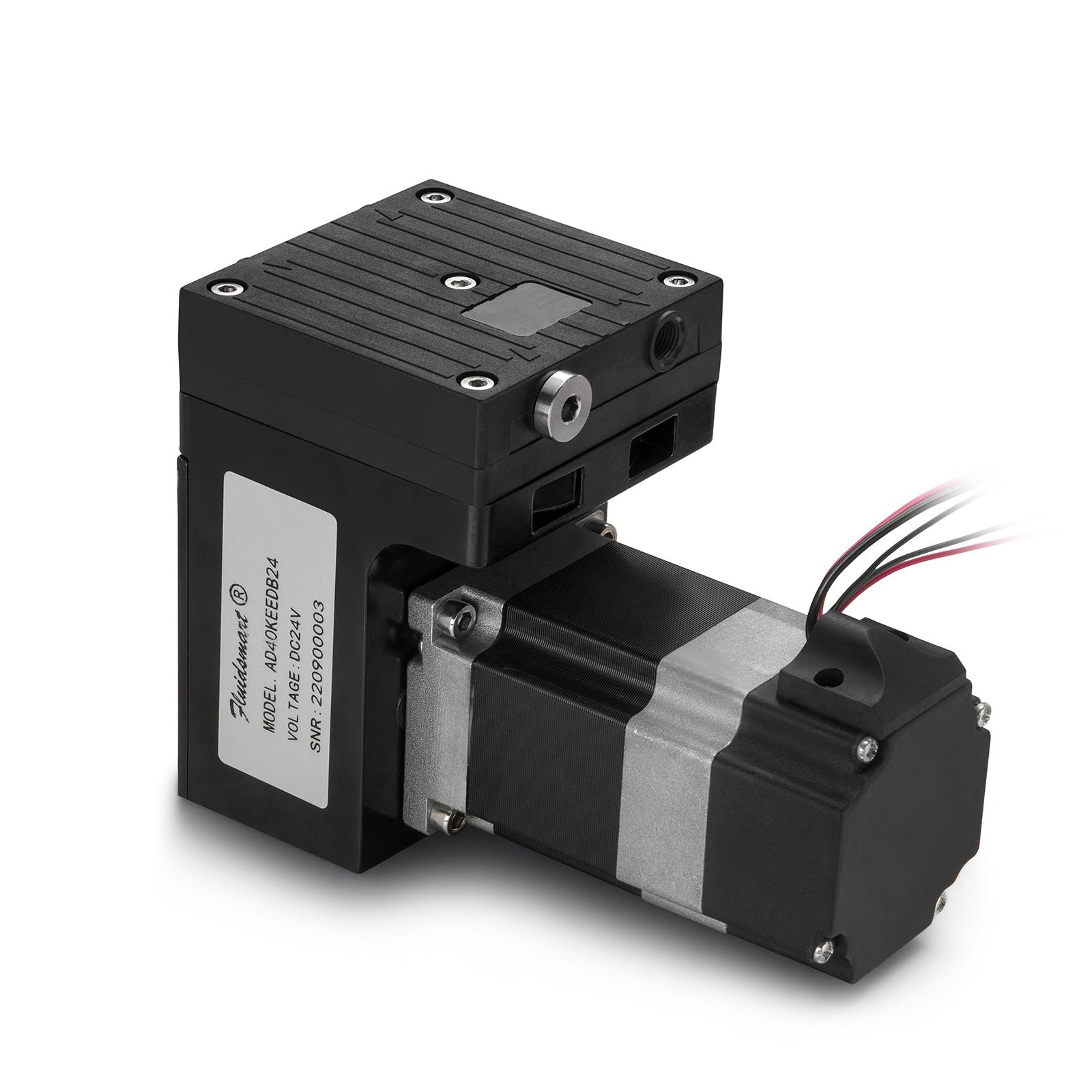
Standard vacuum lifters can contain critical safety vulnerabilities. These flaws create significant risks for both personnel and materials. An upgrade to a modern, high-flow dc vacuum pump directly addresses these issues. This enhancement is a crucial step toward mitigating operational dangers and securing valuable assets.
Identifying Critical Safety Gaps in Your Lifter
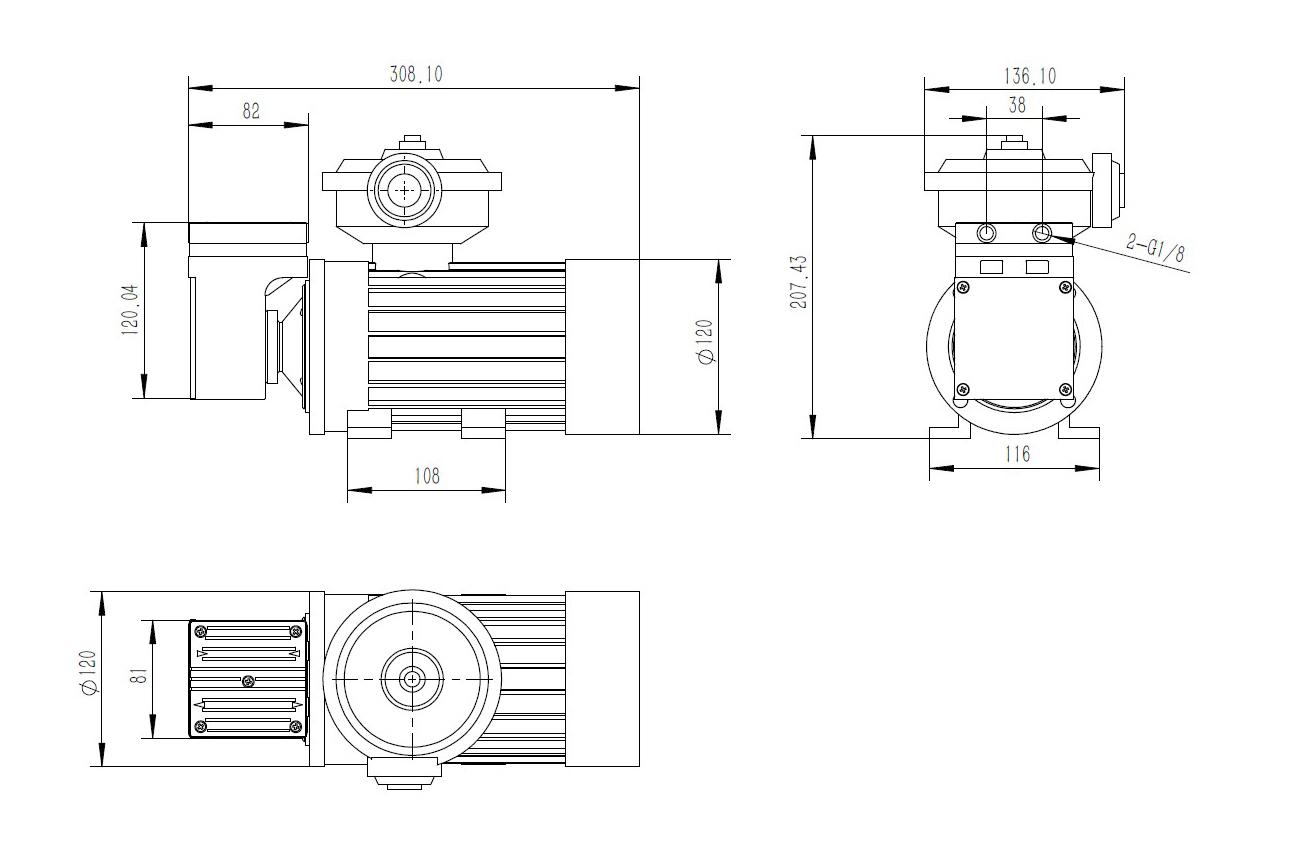
Many standard vacuum lifters operate with inherent safety vulnerabilities. These weaknesses can lead to catastrophic failures. Operators must recognize these gaps to protect personnel and prevent material damage. The three most critical risks involve vacuum speed, leak response, and power dependency.
The Risk of Slow Vacuum Generation
A lifter's pump must generate a secure vacuum quickly. A slow pump creates a dangerous delay between activation and a full, safe grip. During this interval, the material is not fully secured. Any slight movement or vibration could cause the load to shift or detach. This risk is especially high in fast-paced production environments where operators may move loads prematurely.
Note: A delayed grip is an unseen hazard. The lifter may appear attached, but the vacuum pressure is not yet sufficient for a safe lift.
Inadequate Response to Leaks
Leaks pose a constant threat to vacuum systems. They can occur at the suction cup seal or through the material itself, like with porous stone or wood. A standard pump often lacks the power to compensate for this loss of pressure. This inadequacy leads to a gradual weakening of the grip. The system cannot maintain the required negative pressure, putting the load at risk of slipping and falling.
The Danger of Power Interruption
Many vacuum lifters rely directly on the facility's AC power. A sudden power outage or a tripped circuit breaker causes an immediate and total loss of suction. Without a backup, the consequences are severe.
- The lifter instantly releases the material.
- Heavy or fragile loads can be destroyed upon impact.
- Personnel in the vicinity face a serious risk of injury. ⚠️
This dependency on a single power source represents a major point of failure in any lifting operation.
How a High-Flow DC Vacuum Pump Solves These Safety Issues
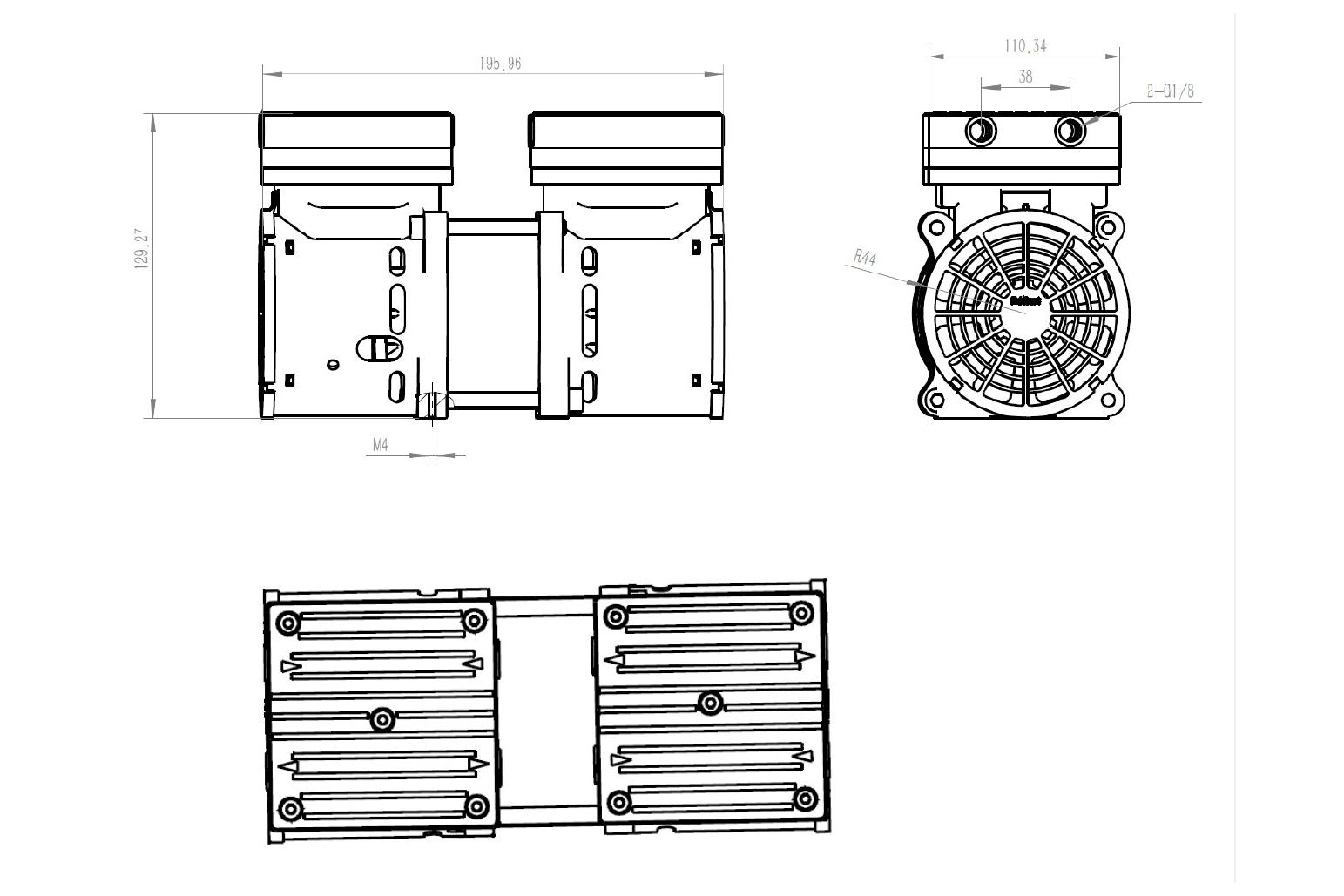
Upgrading to a high-flow DC vacuum pump directly addresses the critical safety gaps found in standard lifters. This technology provides robust solutions for rapid gripping, leak compensation, and power independence. Each feature works to create a safer operational environment.
Enhanced Safety Through Rapid Grip
A high-flow pump creates a secure vacuum almost instantly. Its superior air evacuation capability significantly reduces the dangerous interval between activating the lifter and achieving a safe grip.
The pump's high flow rate, often measured in Liters Per Minute (LPM), removes a large volume of air from the suction pads in seconds. This rapid evacuation establishes the required negative pressure for a full-strength hold immediately. Operators no longer need to guess if the load is secure.
Safety Advantage: A fast, powerful grip eliminates the risk of a load shifting or detaching during the initial lift. This allows for confident and efficient material handling from the very start. ✅
Enhanced Safety by Overcoming Leaks
Leaks from porous materials or imperfect seals are a major safety concern. A high-flow dc vacuum pump possesses the capacity to overcome this constant threat. It maintains a stable grip where standard pumps would fail.
The pump works by removing air faster than it can leak back into the system. This process ensures consistent holding force.
- High Flow Rate: The pump evacuates a large volume of air continuously.
- Constant Compensation: It actively counteracts pressure loss from leaks.
- Stable Pressure: The system maintains the necessary negative pressure for a secure lift.
This powerful compensation is essential when handling materials like stone, concrete, or unsealed wood. The pump provides a reliable safety margin, preventing the slow, dangerous degradation of the vacuum seal.
Enhanced Safety with Uninterrupted Power
A key advantage of a modern dc vacuum pump is its independence from facility power. These pumps operate on dedicated, rechargeable battery systems. This design eliminates the risk of sudden load release due to a power failure.
A power interruption from the main grid will not affect the lifter's function. The onboard battery ensures the pump continues to operate, holding the load securely until it can be set down safely. This feature provides a critical layer of protection for both personnel and materials.
| Feature | Standard AC-Powered Lifter | Lifter with DC Pump |
|---|---|---|
| Power Source | Facility AC Power | Onboard DC Battery |
| Power Outage | Immediate Grip Failure 🔴 | Uninterrupted Operation 🟢 |
| Mobility | Limited by Cord Length | Complete Freedom |
| Safety | High Risk of Failure | High Reliability |
This complete power independence transforms the vacuum lifter from a vulnerable piece of equipment into a self-sufficient and highly reliable safety tool.
Your Safety Upgrade Checklist
An upgrade to a high-flow DC pump is a direct investment in safety. Operators can use this checklist to determine if their current vacuum lifter meets modern safety standards. A careful review of materials, speed, and power will reveal critical vulnerabilities.
Assess Your Materials
The type of material handled directly impacts lifter safety. Porous or uneven surfaces allow air to leak, weakening the vacuum seal over time. A standard pump may not have enough power to counteract this leakage.
Facilities should evaluate their common loads.
- Porous Materials: Do you lift stone, concrete, or unsealed wood?
- Uneven Surfaces: Are you handling textured metal or rough-sawn lumber?
- Flexible Loads: Do you move thin sheets of metal or plastic that can bend?
If the answer is yes to any of these, the operation requires a high-flow pump to maintain a secure grip by overcoming constant air leaks.
Evaluate Your Operational Speed
Fast-paced environments demand rapid equipment response. A slow-to-grip vacuum lifter introduces a significant hazard in high-throughput operations. Operators may inadvertently move a load before the vacuum is fully and safely established.
Key Question: Does your workflow pressure operators to lift loads immediately after activating the pump?
A high-flow pump generates a secure vacuum almost instantly. This speed eliminates the dangerous waiting period. It ensures the lifter is ready for a safe lift the moment the operator needs it.
Review Your Power Reliability
Dependence on facility AC power is a single point of failure. Any power interruption causes an immediate and catastrophic loss of suction. Facilities must assess their power grid's stability. Frequent brownouts, tripped breakers, or grid outages present an unacceptable risk. A lifter with an onboard DC battery system eliminates this dependency entirely. It provides uninterrupted power, ensuring the load remains secure even during a complete facility blackout. ✅
A high-flow dc vacuum pump is a critical safety enhancement, not just a component upgrade. It delivers rapid grip, superior leak compensation, and power independence. Operators must evaluate their current systems. An upgrade to a modern dc vacuum pump is essential to protect both assets and personnel. ✅
FAQ
What makes a high-flow DC pump safer?
A high-flow DC pump provides a rapid grip, compensates for leaks, and operates independently of facility power. These features create a much safer lifting environment for personnel and materials.
Can this pump handle porous materials like stone?
Yes. Its powerful suction continuously removes air faster than it can leak through porous surfaces. This action maintains a strong, reliable hold on materials like stone, wood, and concrete.
What happens if the facility power fails?
The lifter continues to operate without interruption. The onboard DC battery system ensures the pump holds the load securely, preventing a sudden drop and protecting nearby personnel. ✅
See Also
Unlock Optimal Performance: Top 5 Uses for Single Stage Rotary Vane Pumps
Essential Benefits: Selecting a Self-Priming Water Pump for Your System Needs
Understanding Rotary Vane Vacuum Pumps: Functionality and Operational Principles Explained
Simplifying AHRI 400/401 Heat Exchanger Solutions for Effortless System Integration
Boost Efficiency: Six Must-Have Industrial Vacuum Cleaners for Your Business