How to Enhance Adhesive and Mortar Quality Using PVA Powder
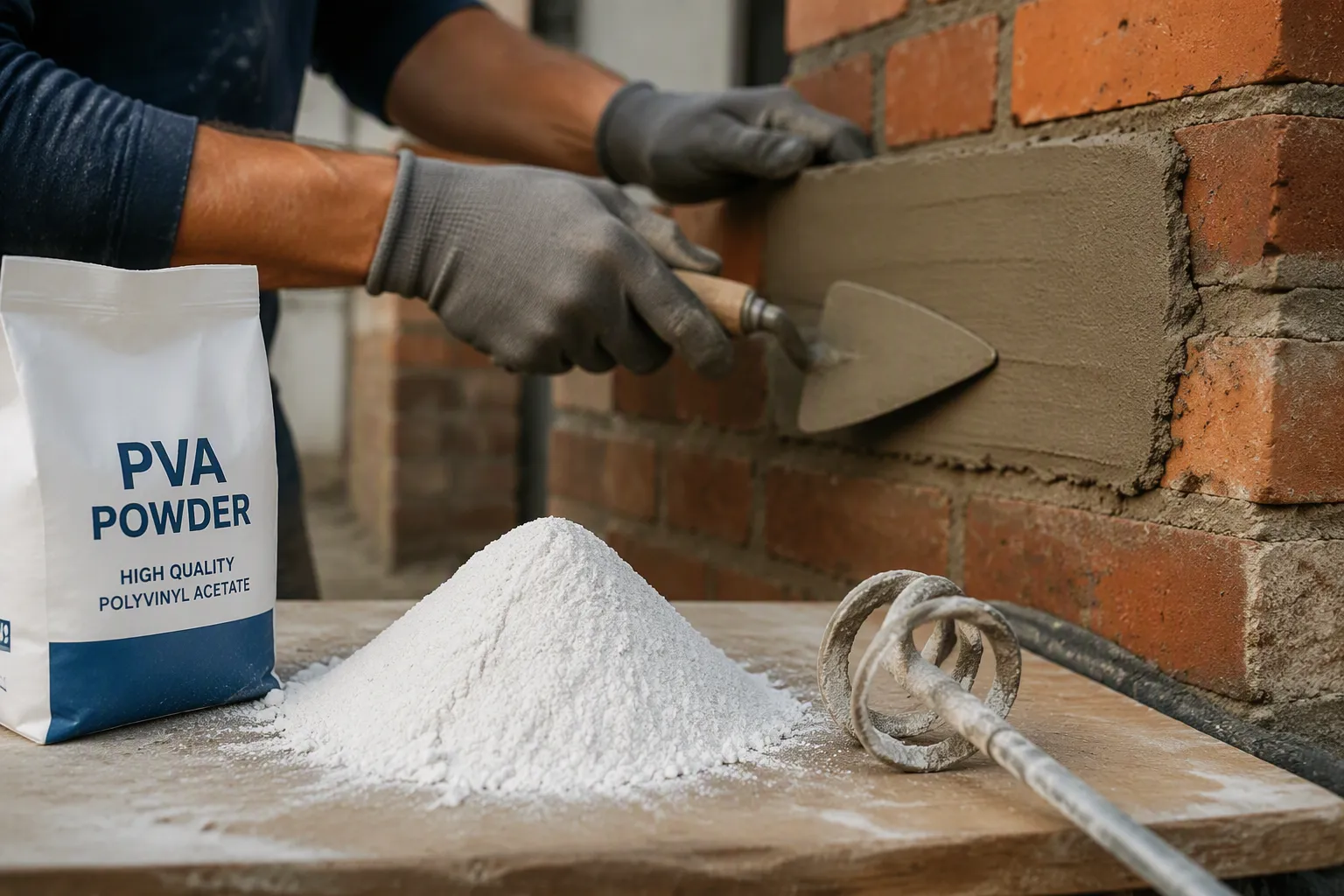
PVA powder acts as a powerful bonding agent. It dramatically increases adhesive strength, flexibility, and water resistance of cement-based mixes. Adding PVA powder creates a microscopic polymer web. This web binds to both aggregate and substrate. It solves root causes of common failures: poor adhesion, surface dusting, cracking. A reliable China Supplier PVA powder polyvinyl alcohol for Adhesive / Mortar provides the quality you need. Use PVA powder correctly for durable, high-quality results.
Key Takeaways
- PVA powder creates a polymer web that bonds cement particles strongly.
- It prevents surface dusting and reduces shrinkage cracks in mortar.
- Add 0.3% to 0.5% PVA powder to dry mix for best results.
What Is PVA Powder and How Does It Work?
PVA powder, or polyvinyl alcohol, is a water-soluble synthetic polymer. You will find it in many construction products. This fine white powder dissolves in water to form a clear, versatile solution. Manufacturers produce it in various grades. Each grade offers different properties for specific uses. You can choose a grade that dissolves at room temperature or one that needs hot water above 95°C. This flexibility makes PVA powder valuable across many industries.
Key Properties of PVA Powder
PVA powder possesses several remarkable characteristics. It forms strong, transparent films with high mechanical strength. These films resist solvents, oils, and abrasion. The polymer also acts as an excellent emulsifier and stabilizer. You will appreciate its thermal stability too. PVA remains stable below 40°C and only softens at higher temperatures. It decomposes above 220°C, which makes it safe for most construction applications.
The viscosity of PVA solutions changes predictably. You can control this property through concentration and temperature. The table below shows how these variables affect the solution:
| Variable | Observed Effect on Viscosity | Specific Conditions & Findings |
|---|---|---|
| Concentration (4%, 6%, 8%, 10%) | Increases | Higher PVA concentration requires greater shear stress and results in higher apparent viscosity. |
| Temperature (20°C, 25°C, 30°C, 35°C) | Decreases | Higher temperature reduces shear stress values at a constant shear rate. |
| Concentration (rheological behavior) | Changes flow type | Solutions at 4%, 6%, and 8% exhibit shear-thinning behavior; at 10%, the solution tends toward ideal plastic behavior. |
The Mechanism of Action in Mortar and Adhesive Mixes
When you add PVA powder to a mortar mix, it dissolves during mixing. The polymer chains spread throughout the water phase. As the mix cures, water evaporates. The PVA chains then form a continuous film. This film creates a microscopic web that wraps around cement particles and aggregates. The web acts like a bridge. It connects the inorganic materials to each other and to the substrate surface.
This polymer network dramatically improves adhesion. It fills microscopic pores and irregularities on the substrate. The film also enhances flexibility within the hardened mortar. You gain better water retention during curing. This property prevents premature drying and reduces shrinkage stress. The result is a stronger, more durable bond. For consistent quality, you should source from a reliable China Supplier PVA powder polyvinyl alcohol for Adhesive / Mortar. Their product ensures predictable performance in every batch.
Solving Common Adhesive and Mortar Problems with PVA Powder
Fixing Poor Bond Strength and Delamination
Poor bond strength causes tiles to pop off and renders to separate from the wall. You see this problem often when you work with dense or smooth substrates. The adhesive simply cannot grip the surface well enough. PVA powder solves this issue directly. It forms a polymer network inside the mix. This network bridges the gap between the adhesive and the substrate. It fills tiny pores and creates a strong mechanical interlock.
You can measure the improvement in bond strength with a simple test. A direct comparative test between a reference tile adhesive and a modified version shows clear results. The reference adhesive contains 0.3% HPMC. The modified version contains 0.15% HPMC plus 0.5% PVA 17-88. The dry tensile adhesion strength after 28 days increases from 1.2 MPa to 1.5 MPa. That is a 25% improvement. This extra strength prevents delamination and keeps your tiles secure for years. To get these results consistently, you need a reliable source. Choose a trusted China Supplier PVA powder polyvinyl alcohol for Adhesive / Mortar. This ensures your batches all perform the same way.
Preventing Surface Dusting and Chalking
Surface dusting makes a finished mortar look weak and unprofessional. You run your hand across the surface and find loose powder. This problem happens when the cement matrix lacks enough binding strength. The fine particles at the surface do not stick together. PVA powder prevents this issue. It forms a tough film as the mortar cures. This film wraps around the surface particles and locks them in place. The film also improves the surface density. You get a smooth, hard finish that resists abrasion. The polymer film stays intact even after the mortar dries completely. Your final surface will not dust off or chalk over time.
Reducing Shrinkage Cracks and Improving Flexibility
Shrinkage cracks appear when the mortar loses water too quickly. The cement paste contracts, and the stress causes cracks to form. This problem weakens the structure and allows water to enter. PVA powder helps you avoid this outcome. It improves water retention during the curing process. The mortar stays wet longer, which reduces the risk of rapid drying. The polymer film also adds flexibility to the hardened matrix. A flexible mortar can move with the substrate. It can handle small shifts and temperature changes without cracking. You get a more forgiving material that works well in challenging conditions.
Boosting Water Resistance and Durability
Water damages ordinary mortar over time. Freeze-thaw cycles cause the worst damage. Water enters the mortar, freezes, expands, and breaks the structure apart. You must protect your work from this kind of attack. PVA powder makes your mortar far more water-resistant. The polymer film acts as a barrier. It reduces the amount of water that can penetrate the mortar. This protection keeps the mortar strong through many freeze-thaw cycles.
The table below shows the clear difference in freeze-thaw performance:
| Material | Freeze-thaw cycles to failure (per DIN EN 480-12) |
|---|---|
| RDP-modified mortar | ≥300 cycles without damage |
| Conventional mortar | 50–100 cycles (degradation) |
A mortar modified with polymer additives like PVA withstands 300 cycles without damage. A conventional mortar fails after only 50 to 100 cycles. You can see the massive improvement in durability. This means your work lasts longer in cold climates. You also reduce the risk of costly repairs later. For the best results, source your material from a dependable China Supplier PVA powder polyvinyl alcohol for Adhesive / Mortar. The quality of the PVA powder directly affects the final durability of your mix.
Practical Application Tips for PVA Powder
Getting the Mix Ratio Right
The correct ratio of PVA powder to dry mix determines your final results. You need to adjust the amount based on your specific application. For tile adhesives, add 0.3% to 0.5% PVA powder by weight of the total dry mix. This range gives you the best balance of adhesion and flexibility. For renders and plasters, use 0.2% to 0.4%. For grouts and repair mortars, increase the amount to 0.5% to 1.0%. Higher ratios improve water resistance and flexibility. Too much PVA can slow down the setting time. Always test a small batch first. Measure the PVA powder with a precise scale. Do not guess the amount. Consistent ratios mean consistent results on every project.
Step-by-Step Mixing and Application Guide
Follow these steps to prepare a high-quality PVA-modified mortar or adhesive:
- Start with your dry mix. Combine cement, sand, and aggregates in a clean container.
- Add the PVA powder to the dry components. Stir thoroughly to distribute the powder evenly throughout the mix.
- Measure the required water. The amount depends on your application and the PVA grade you choose.
- Add water slowly to the dry mix. Mix continuously with a mechanical mixer or by hand.
- Mix for 3 to 5 minutes until you get a smooth, uniform paste. Let the mix rest for 2 minutes.
- Stir again for 1 minute. Your mix is now ready for use.
- Apply the mix within its working time. PVA-modified mixes have a similar pot life to standard mixes.
- Clean your tools with water immediately after use. Dried PVA film is harder to remove.
Key Precautions and Common Mistakes to Avoid
Several mistakes can ruin your PVA-modified mix. Avoid these common errors to get the best results:
- Never add PVA powder to water first. This causes clumping. Always mix the powder with the dry ingredients first.
- Do not use too much water. Excess water dilutes the polymer film. This reduces the final strength and water resistance of your mortar.
- Avoid mixing in very hot or very cold conditions. Extreme temperatures affect the dissolution and film formation of the PVA polymer.
- Do not mix PVA with strong oxidizers or corrosive chemicals. These substances can degrade the polymer and ruin its performance.
- Store PVA powder correctly. High humidity causes the powder to absorb moisture. This leads to hard lumps, reduced solubility, and lower adhesive strength. You should store PVA powder in a cool, dry place between 5°C and 30°C. Keep the packaging sealed at all times. Use desiccants for extra protection. If you see hard lumps, yellowing, or an abnormal odor, the PVA has deteriorated. Do not use it.
The technical mechanism explains why storage matters. High humidity causes PVA to absorb moisture, leading to swelling and loss of mechanical properties. Low humidity dries out the material, decreasing flexibility and integrity. High temperatures accelerate polymer degradation. Low temperatures cause brittleness. A controlled, stable environment preserves your PVA powder's shelf life and functional performance.
Sourcing High-Quality PVA Powder from a China Supplier PVA powder polyvinyl alcohol for Adhesive / Mortar
The quality of your PVA powder decides the final performance of your mortar. You need a reliable supplier. A trusted China Supplier PVA powder polyvinyl alcohol for Adhesive / Mortar offers consistent quality and stable supply for your projects.
Look for suppliers with key quality certifications. These certifications show that the manufacturer follows strict quality and safety standards:
| Certification | Issuing Authority | Validity | Key Focus |
|---|---|---|---|
| ISO 9001 | International Organization for Standardization | 3 Years | Quality Management System |
| HACCP | Food and Drug Administration | Continuous | Food Safety Management |
| REACH | European Chemicals Agency | Continuous | Chemical Substance Registration |
| FSSC 22000 | Foundation for Food Safety Certification | 3 Years | Food Safety Management System |
| GMP+ | GMP+ International | 1 Year | Good Manufacturing Practices |
Businesses must comply with REACH regulations when exporting PVA to the EU. These rules ensure the substance is safe for human health and the environment. FDA approval is necessary for the U.S. market. It verifies the product meets safety and efficacy standards.
A good China Supplier PVA powder polyvinyl alcohol for Adhesive / Mortar also follows proper storage and handling practices. They store the powder in a controlled environment. They use sealed packaging with multi-layer kraft paper bags and PE liners. They use FIFO inventory management to ensure freshness. When you receive your shipment, check the packaging for damage. Store the bags in a cool, dry warehouse. Keep them away from direct sunlight, heat sources, and chemical contaminants. This care preserves the shelf life and performance of the PVA powder.
PVA powder transforms weak, brittle mixes into strong, durable adhesives and mortars. You gain enhanced bonding, reduced cracking, and improved water resistance. Cost savings hit 20% for adhesives and 22% for mortar, with performance gains of 15% and 18%. Apply these tips today. Choose a reliable China Supplier PVA powder polyvinyl alcohol for Adhesive / Mortar.
FAQ
How much PVA powder should I add to my mortar mix?
Add 0.3% to 0.5% PVA powder by weight of the total dry mix for tile adhesives. Adjust the amount based on your specific application.
Can I mix PVA powder directly with water?
No. Always mix PVA powder with your dry ingredients first. Adding it to water causes clumping and reduces the final bond strength.
How long does a PVA-modified mortar stay workable?
You should use the mix within 30 to 60 minutes after preparation. This time matches the pot life of standard mortar.
See Also
Expert Tips For Using Bovine Gelatin Powder In Everyday Meals
The Indispensable Silicone Sealant For Home Construction And Decoration
Current Laboratory And Industrial Techniques For Aminoguanidine Bicarbonate Synthesis
Key Guidelines For Securing Tie Bolts In Concrete Construction