How to Master Light Control with NUNEZ Fabric DP08 Blackout Shades
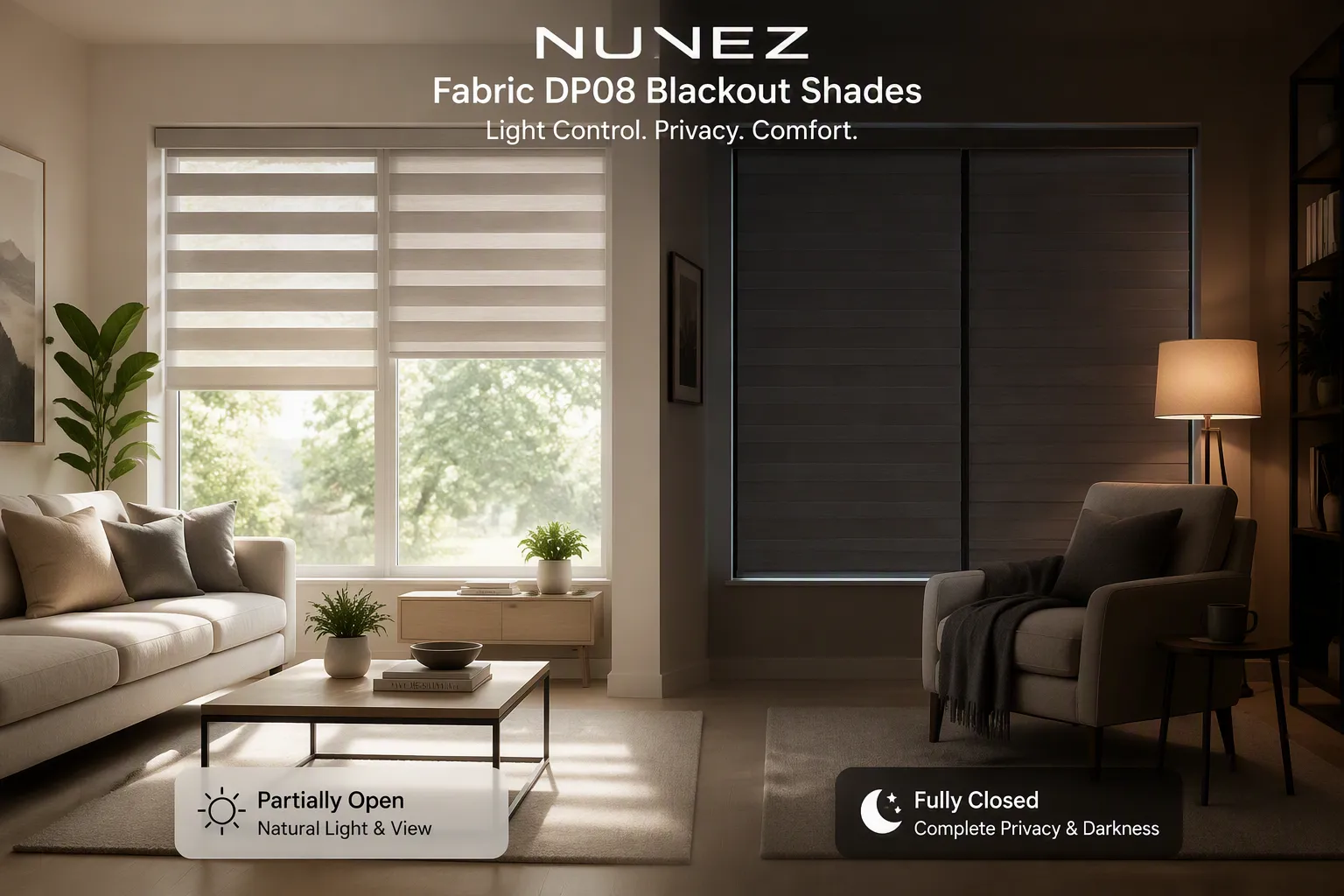
You invested in premium blackout fabric, but light still sneaks in around the edges. The problem isn't the fabric; it's the gaps between the shade and the window frame. Mastering light control means addressing these gaps. Side channels provide the most effective solution. Blackout Roller Shades NUNEZ Fabric for Interior Window Decoration DP08-2300~2320 with side channels can block 97% to 99% of incoming light.
Key Takeaways
- Light leaks around blackout shades come from edge gaps, not the fabric.
- Side channels block up to 99% of light by sealing shade edges.
- Pair quality fabric with side channels for total darkness.
Why Light Leaks at the Edges

Light leakage around blackout shades frustrates many homeowners. The problem usually comes from three main sources: mounting clearance, installation mistakes, and fabric quality. Understanding these causes helps you choose the right solution.
The Need for Mounting Clearance
Every roller shade needs space to move freely inside the window frame. Inside mount installations require a gap of about ½ inch on each side. This clearance allows the fabric to roll up and down without rubbing against the frame. However, that same gap creates a "halo" of light around the shade. Outside mount shades solve this problem. They extend 2–3 inches beyond the window frame, blocking light from the sides. The table below shows the difference:
| Mount Type | Typical Gap Size | Effect on Blackout Performance |
|---|---|---|
| Inside Mount | ~½ inch per side | Allows light leakage around edges, reducing blackout effectiveness |
| Outside Mount | 2–3 inches overlap beyond frame | Minimizes or eliminates side gaps, significantly improving blackout performance |
Do not automatically subtract ¼ or ½ inch unless the product’s measuring instructions specifically require it. An excessive deduction creates larger light gaps.
Common Installation Issues
Installation mistakes often cause light leaks that the fabric alone cannot fix. Here are the most common errors:
- Inside mount without side tracks: This leaves a ½-inch to ¾-inch gap on each side for brackets and the mechanism. The result is vertical light streaks along the edges.
- Measuring too narrow for outside mounts: Ordering shades exactly the window width allows light to seep around the edges. For a 36-inch window, the shade should be 40–42 inches wide.
- Mounting too low: A headrail installed too close to the window trim lets light spill over the top of the roller. Position the headrail 3–4 inches above the window trim to prevent top-down leakage.
Misaligned brackets also create small gaps. Loosen the bracket screws, use a level to adjust them, and retighten the screws for a proper seal.
The Role of Fabric Quality
Fabric quality directly affects how well your shades block light. Low-quality materials, especially cheap vinyl, tend to curl at the edges over time. This curled edge creates a gap that lets light pass through. The NUNEZ Fabric DP08-2300~2320 uses 100% polyester with a smooth blackout coating. This construction resists curling and maintains its shape for years. The fabric also includes a white backing that reflects light, improving overall blackout performance. The table below shows the critical specifications:
| Specification | Description |
|---|---|
| Fabric material | 100% PES (polyester) – ensures opacity and durability |
| Coating | Smooth blackout coating backing – blocks light, adds insulation and UV protection |
| Backing color | White back – reflects light and meets building requirements |
| Side light gaps | Side channels recommended – prevents leakage from edges |
High-quality fabric like this gives you a strong foundation. However, even the best fabric cannot stop light from leaking through installation gaps. That is why side channels remain the most effective solution for total darkness.
Best Solutions to Stop Light Leakage
You have several options when it comes to closing those edge gaps. Some solutions cost almost nothing. Others require a bigger investment. The right choice depends on how dark you want your room to be and how permanent you need the fix to be.
Temporary Fixes and Their Drawbacks
Many people try quick fixes first. Adhesive foam tape ranks among the most popular options. You peel off the backing and stick the tape along the window frame. The foam compresses against the shade fabric and blocks some light. This approach works for a while, but it has real limitations.
Adhesive strips lose their stickiness over time. Heat from sunlight weakens the glue. Dust collects on the exposed foam surface. You will find yourself replacing the strips every few months. The adhesive can also leave sticky residue on your window frame when you remove it.
Another common approach involves L-shaped plastic light blockers. These small brackets attach to the window side and cover the gap between the shade and the frame. You can trim them with scissors to fit your window. They cost very little and install in minutes.
Sleepy Time Tracks can block up to 97% of light leaks, creating a nearly pitch-dark room. For best results, mount the tracks as close as possible to the shade material—touching is preferred to seal out even the smallest slivers of light.
The drawback with plastic blockers comes down to appearance. They look like add-on hardware. They may not match your window trim color. They can also interfere with the smooth operation of your shade if you place them too close.
Temporary fixes share one common weakness. They address the symptom rather than the cause. The gap still exists. You simply cover it with another material. A more permanent solution integrates light blocking into the shade system itself.
The Professional Choice: Side Channels for Blackout Roller Shades NUNEZ Fabric for Interior Window Decoration DP08-2300~2320
Professional installers recommend side channels for one simple reason. They work. Side channels attach to the window frame and create a track for the shade fabric to slide within. The fabric moves freely up and down, but light cannot escape around the edges.
The table below compares the main professional solutions available to you:
| Professional Solution | How It Eliminates Light Leakage | Key Implementation Detail |
|---|---|---|
| Outside Mount | Physically blocks gaps by mounting above the window frame, extending past the opening | Mount 3-4 inches above trim; add 2-3 inches overlap per side |
| Layering Drapes (Hotel Trick) | Curtains act as a 'gasket' hugging the wall, trapping side light | Use French return rod; 2.5x fullness on drapes |
| U-Channels / Side Tracks | L-shaped strips create a physical seal for blind edges | Peel-and-stick to inside frame; color-match to trim |
| Motorization | Provides smooth, consistent pull preventing off-center shifting; cassettes hide headrail gaps | Schedule automatic rise/fall; reduces top light leakage |
| Proper Measurement | Extra width prevents light spill even if blind shifts | Never measure only the window opening; add overlap |
Side channels stand out because they combine several advantages. They create a permanent seal. They require no ongoing maintenance. They integrate cleanly with the window frame. When you pair side channels with Blackout Roller Shades NUNEZ Fabric for Interior Window Decoration DP08-2300~2320, you get a complete blackout system that performs reliably for years.
The NUNEZ fabric itself delivers 100% light blockage through its polyester construction and acrylic coating. Side channels handle the remaining edge gaps. Together, they transform a good blackout shade into a true total-darkness solution.
How Side Channels Create Total Darkness
Understanding the mechanism helps you appreciate why side channels work so well. Each channel runs along the vertical edge of your shade. The channel wraps around both the hembar (the bottom bar) and the fabric edge. This forms a continuous enclosure that blocks light from every angle.
The side channel uses a U-shaped aluminum pocket. Your shade fabric slides inside this pocket. The fabric becomes fully enclosed on three sides: front, back, and outer edge. Only the vertical travel path remains open. This design effectively seals the side light path completely.
Soft brushes inside the channels add another layer of protection. These brushes press gently against the fabric edges. They physically block any residual light that might slip through microscopic gaps between the fabric and the aluminum channel. The brushes do not restrict movement. They simply fill the tiny spaces where light could pass.
The channels also feature a black, light-absorbing interior lining. This lining captures any stray light that enters the channel. Instead of reflecting back into the room, the light gets absorbed and neutralized.
Side channels are adjustable from 1-1/4" to 2" wide to fit your specific shade. Installers trim them to length before assembly. This ensures a snug fit around your shade edges. One homeowner named Cynthia shared her experience: "We have honeycomb shades on a French door and the side channels completely eliminated the light gaps."
When you combine side channels with Blackout Roller Shades NUNEZ Fabric for Interior Window Decoration DP08-2300~2320, you achieve what fabric alone cannot deliver. The fabric blocks light through its material. The channels block light through their geometry. Together, they eliminate the halo effect that ruins most blackout installations.
The result speaks for itself. A room that stays pitch dark regardless of the time of day. No more morning light creeping in around the edges. No more streetlights bleeding through at night. Just complete, reliable darkness whenever you need it.
Achieving Total Blackout with NUNEZ Fabric DP08
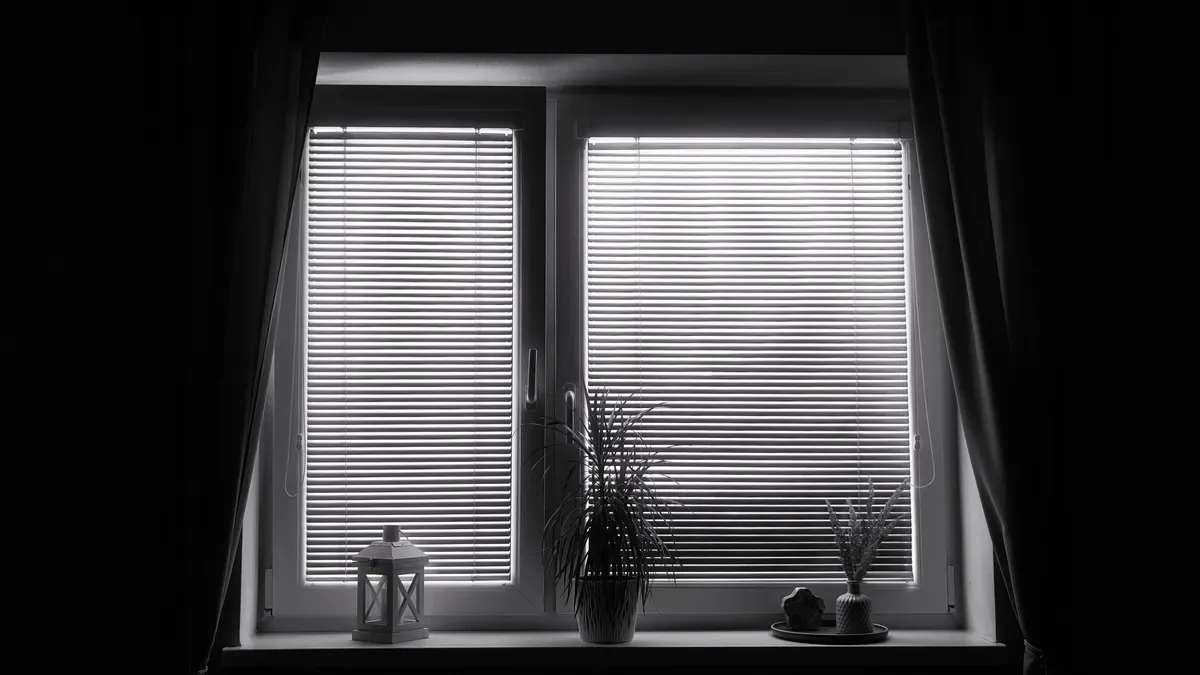
DIY Tips for Minimizing Gaps
You can reduce light leaks with a few simple strategies. Start by measuring your window frame accurately. An edge-to-edge fit prevents unnecessary gaps. Consider an outside mount for your Blackout Roller Shades NUNEZ Fabric for Interior Window Decoration DP08-2300~2320. This adds three to four inches of extra fabric on each side to cover the opening fully. You can also layer multiple window covers. Combine a blackout curtain with sheers or solar shades for extra protection.
For sealing strips, follow these steps. First, measure the gaps when the window is open and again when closed. Add a quarter-inch overlap to ensure a custom fit. Second, clean the frame thoroughly with rubbing alcohol. This removes old residue and ensures strong adhesion. Third, cut the sealing strips slightly longer than needed. Leave a 1/16-inch overhang at corners. Fourth, peel the backing and apply the strip. Press firmly along the entire length for at least 30 seconds. Fifth, close the window slowly and check for stuck spots. Test for light leaks by running a flashlight along the frames at night from outside. Adjust the seal if any light is visible.
When to Hire a Professional
Some gaps require more than DIY fixes. If you notice persistent light leaks after trying these methods, professional installation may be the answer. Installers can add side channels to your Blackout Roller Shades NUNEZ Fabric for Interior Window Decoration DP08-2300~2320. These channels create a complete seal around the fabric edges. Professionals also ensure proper bracket alignment and mounting height. They eliminate the common mistakes that cause light leakage.
Long-Term Benefits of a Complete System
A complete blackout system offers lasting advantages. Side channels are made from lightweight yet strong materials. They resist rust and corrosion over time. The inner wool strips reduce noise during operation and protect the fabric. This extends the life of your shades.
Energy efficiency is another major benefit. The U-shaped design of side channels seals the window perimeter. This prevents light leakage and reduces thermal bridging. Your indoor temperature stays more consistent. The HVAC system works less, which lowers your energy bills. A complete system with Blackout Roller Shades NUNEZ Fabric for Interior Window Decoration DP08-2300~2320 blocks 97 to 99 percent of light. It also keeps your room comfortable year-round.
NUNEZ Fabric DP08 blocks light completely. True darkness, however, requires eliminating edge gaps. Side channels deliver the most reliable, durable solution. They create a clean, permanent seal around your shade. Stop accepting light leaks. Explore side channel options for your NUNEZ Fabric DP08 shades today. Contact a professional installer or visit the product page for details.
FAQ
Can I add side channels to my existing NUNEZ Fabric DP08 shades?
Yes, you can retrofit side channels to your current shades. Professional installers measure your window and fabric width. They then attach custom-fitted channels that seal the edges completely.
How much light do side channels block compared to fabric alone?
The NUNEZ Fabric DP08 blocks 100% of light through the material itself. Side channels eliminate the remaining edge gaps. Together, they achieve 97% to 99% total light blockage in your room.
Do side channels affect how smoothly my shades roll up and down?
No, side channels include soft brushes that guide the fabric without friction. Your shades operate just as smoothly as before. The brushes also reduce noise and protect the fabric edges from wear over time.
See Also
Constant Voltage Phase-Cut Dimmable Drivers Are Now Trending
How To Match Residential Hinge Finishes With Door Hardware
Top Eight HTN LCD Displays For Performance And Reliability
Sterile Filter Device Operation Explained In Simple Terms
Daily Habits That Keep Dumbwaiter Elevators Running Smoothly