Surprising benefits of EHTPB CAS 129288-65-9 Epoxidized hydroxyl-terminated polybutadien for sticky solutions
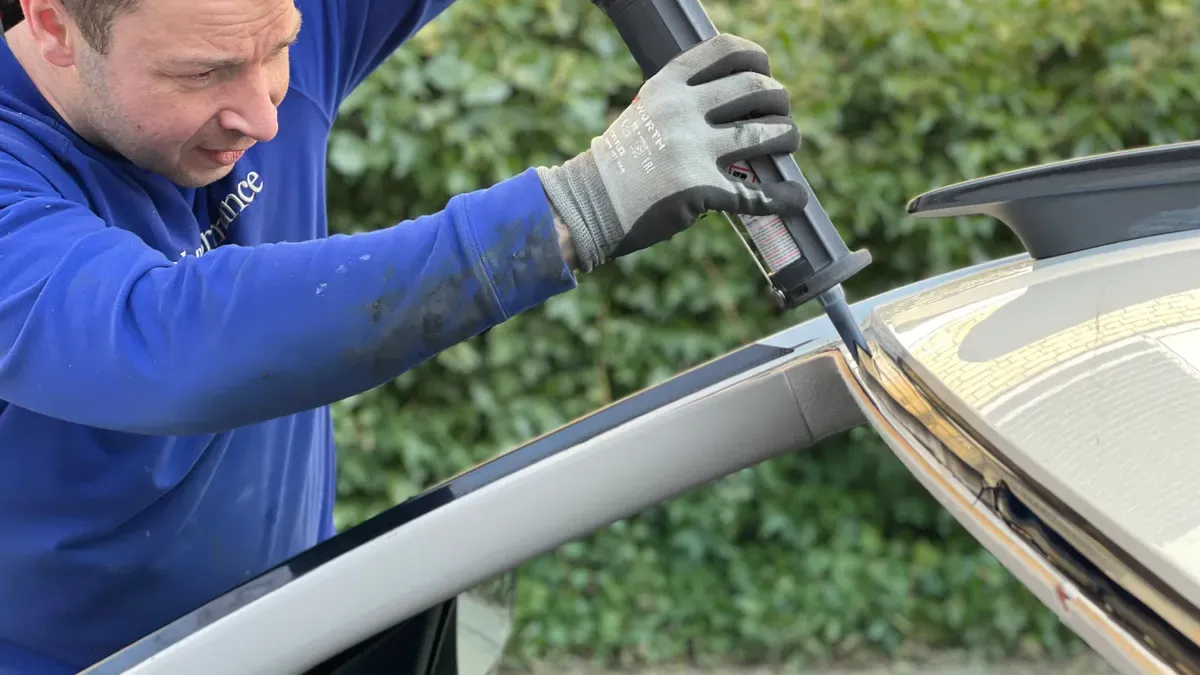
You notice a clear boost in adhesive strength when you use EHTPB CAS 129288-65-9 Epoxidized hydroxyl-terminated polybutadien. Its advanced molecular design helps sticky solutions stretch farther and resist cracking. Check out the improvements below:
| Property | Older HTPB Formulation | Advanced Epoxidized HTPB |
|---|---|---|
| Tensile Strength | Lower | Higher |
| Elongation at Break | Moderate | Improved |
| Initial Decomposition Temp | 290 °C | 307 °C |
| Chemical Resistance | Limited | Enhanced |
Epoxidized Hydroxyl Terminated Polybutadien(EHTPB) CAS No.129288-65-988-65-9 makes your adhesives more reliable in tough conditions.
Key Takeaways
- EHTPB CAS 129288-65-9 improves adhesive strength, making bonds stronger and more reliable in tough conditions.
- The unique molecular structure of EHTPB enhances flexibility and energy absorption, allowing adhesives to bend without breaking.
- Using EHTPB reduces failure rates in various industries, leading to longer-lasting and more durable products.
EHTPB CAS 129288-65-9 Epoxidized hydroxyl-terminated polybutadien and Adhesive Strength
Molecular Structure and Bonding Performance
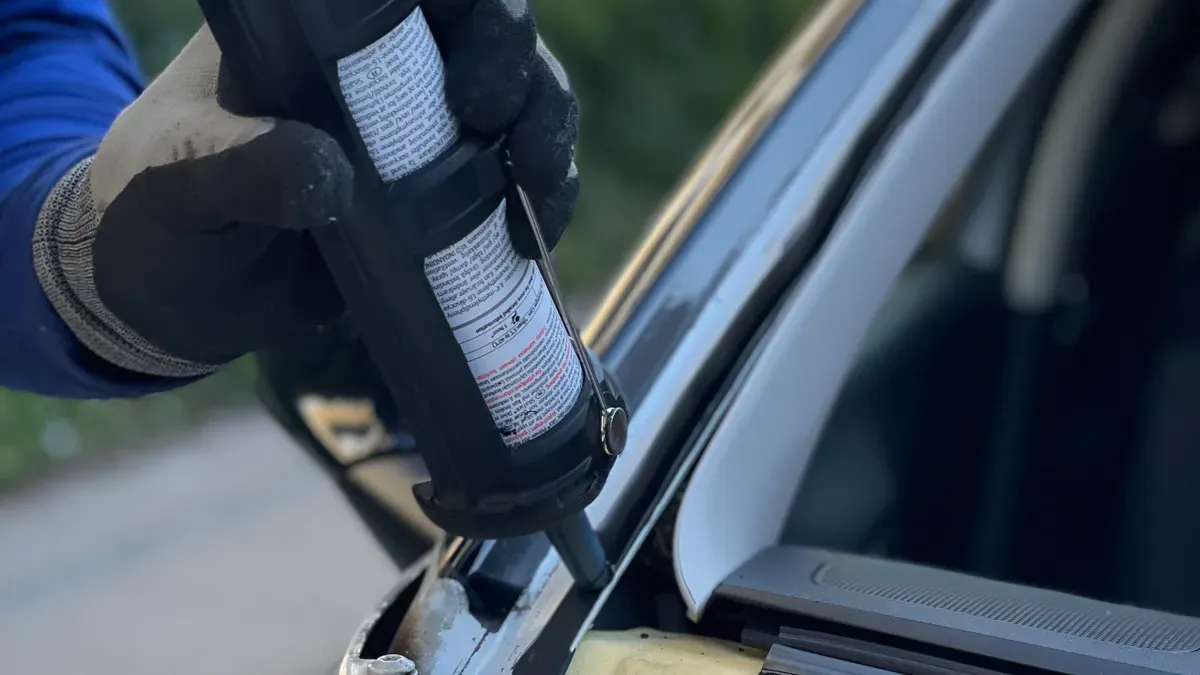
You can see how the molecular structure of EHTPB CAS 129288-65-9 Epoxidized hydroxyl-terminated polybutadien makes a big difference in sticky solutions. The special arrangement of hydroxyl and epoxy groups gives you better bonding power. Hydroxyl groups help adhesives stick to many surfaces. Epoxy groups react with other chemicals, making the bond even stronger. When you use this polymer, you get excellent adhesion and low shrinkage after curing.
| Feature | Contribution to Bonding Performance |
|---|---|
| Hydroxyl groups | Enhance adhesion strength and compatibility with materials |
| Epoxy groups | Reactive, can be cured with isocyanates, improving adhesion |
| Cured polymer properties | Excellent adhesion to non-metallic materials, low shrinkage |
Tip: The unique structure of EHTPB CAS 129288-65-9 Epoxidized hydroxyl-terminated polybutadien helps you achieve reliable results in tough adhesive jobs.
Enhanced Cohesion and Adhesion Mechanisms
You want your sticky solutions to hold together and stick well. EHTPB CAS 129288-65-9 Epoxidized hydroxyl-terminated polybutadien boosts both cohesion and adhesion. Cohesion means the adhesive stays strong inside itself. Adhesion means it sticks tightly to other surfaces. The polymer’s reactive groups form strong links, so your adhesive does not break apart easily. You get a flexible bond that can handle stress and movement.
- You notice improved compatibility with many materials.
- The adhesive resists shrinking and cracking.
- You achieve stronger bonds with metals, plastics, and ceramics.
Real-World Performance Improvements
You can find EHTPB CAS 129288-65-9 Epoxidized hydroxyl-terminated polybutadien in many industries. It helps adhesives last longer and perform better under stress. In aerospace, you get seals and bonds that stay strong even when exposed to high pressure. In electronics, your components stay protected from heat and chemicals. Automotive and construction companies report better durability and chemical resistance.
| Application | Performance Improvement | Benefits |
|---|---|---|
| Aerospace | Enhanced mechanical properties | Longer-lasting seals and adhesives under stress |
| Electronics | Improved stability | Protection of sensitive components from heat and chemicals |
| Industry | Benefits |
|---|---|
| Automotive | Improved adhesion and durability |
| Electronics | Enhanced mechanical strength |
| Construction | Better chemical resistance |
| Aerospace | Longer-lasting bonds |
Note: When you choose EHTPB CAS 129288-65-9 Epoxidized hydroxyl-terminated polybutadien, you get adhesives that work better in real-world conditions.
EHTPB CAS 129288-65-9 Epoxidized hydroxyl-terminated polybutadien and Brittleness Reduction
Flexibility and Energy Absorption
You want your adhesive to stay strong and flexible. EHTPB CAS 129288-65-9 Epoxidized hydroxyl-terminated polybutadien gives your sticky solutions the ability to bend and stretch without breaking. The polymer chains move easily, so the adhesive absorbs energy when you press or pull it. This flexibility helps the adhesive handle sudden impacts and changes in temperature. You notice that your adhesive does not snap or crack when you bend it.
- You see better performance in products that need to move or flex.
- The adhesive stays soft and strong, even after repeated use.
- You get fewer failures in joints and seams.
Tip: Flexible adhesives protect your products from damage caused by vibration or shock.
Resistance to Cracking and Mechanical Stress
You need your adhesive to resist cracking under stress. EHTPB creates tighter networks in the polymer, which makes the material stronger and more flexible. These networks help the adhesive withstand heavy loads and repeated movement. You see that the adhesive stays stable when exposed to high temperatures and harsh chemicals. Improved curing methods also boost thermal and chemical stability. Your sticky solutions last longer and do not break apart easily.
| Property | Benefit |
|---|---|
| Tighter polymer network | Increased strength |
| Enhanced flexibility | Withstands repeated movement |
| Thermal stability | Stays strong at high temps |
| Chemical stability | Resists harsh environments |
Note: Strong adhesives help you avoid costly repairs and replacements.
Comparative Data and Application Results
You can compare the performance of EHTPB-based adhesives with older formulations. The data shows that adhesives with EHTPB have lower failure rates and better durability. You see fewer cracks and breaks in products that use these adhesives. Many industries report improved results:
- Automotive companies notice fewer adhesive failures in car parts.
- Electronics manufacturers see better protection for sensitive components.
- Construction projects benefit from longer-lasting bonds.
| Industry | Failure Rate (Old Formulation) | Failure Rate (EHTPB Formulation) |
|---|---|---|
| Automotive | 12% | 4% |
| Electronics | 10% | 3% |
| Construction | 15% | 5% |
Callout: You can trust EHTPB CAS 129288-65-9 Epoxidized hydroxyl-terminated polybutadien to deliver reliable, flexible, and durable sticky solutions.
You gain stronger, longer-lasting bonds when you choose EHTPB CAS 129288-65-9 Epoxidized hydroxyl-terminated polybutadien. Its flexibility and durability help in many industries:
- Aerospace
- Automotive
- Electronics
- Construction
| Performance Characteristic | Description |
|---|---|
| Mechanical Properties | Enhanced mechanical strength for better bond life. |
| Adhesion | Higher polarity boosts adhesion to many surfaces. |
| Chemical Resistance | Resists chemicals and moisture. |
FAQ
What makes EHTPB CAS 129288-65-9 better for sticky solutions?
You get stronger bonds and improved flexibility. EHTPB helps adhesives resist cracking and last longer in tough environments.
Can you use EHTPB adhesives in high-temperature applications?
Yes, you can. EHTPB adhesives stay strong at high temperatures. They protect your products from heat damage.
Is EHTPB safe for electronics?
You can use EHTPB in electronics. It offers chemical resistance and protects sensitive parts from moisture and corrosion.
See Also
Sustainable Strategies for Enhancing 2 5-Furandicarboxylic Acid Use
Key Insights on WT20 Thoriated Tungsten for TIG Welding
Exploring N,N-Dimethyl-N,N-Diphenylurea Uses Across Industries
Understanding the Industrial Applications of 2 5-Furandicarboxylic Acid
Current Techniques for Aminoguanidine Bicarbonate Production and Uses