A Balanced View on Effluent Treatment Methods Pros vs Cons
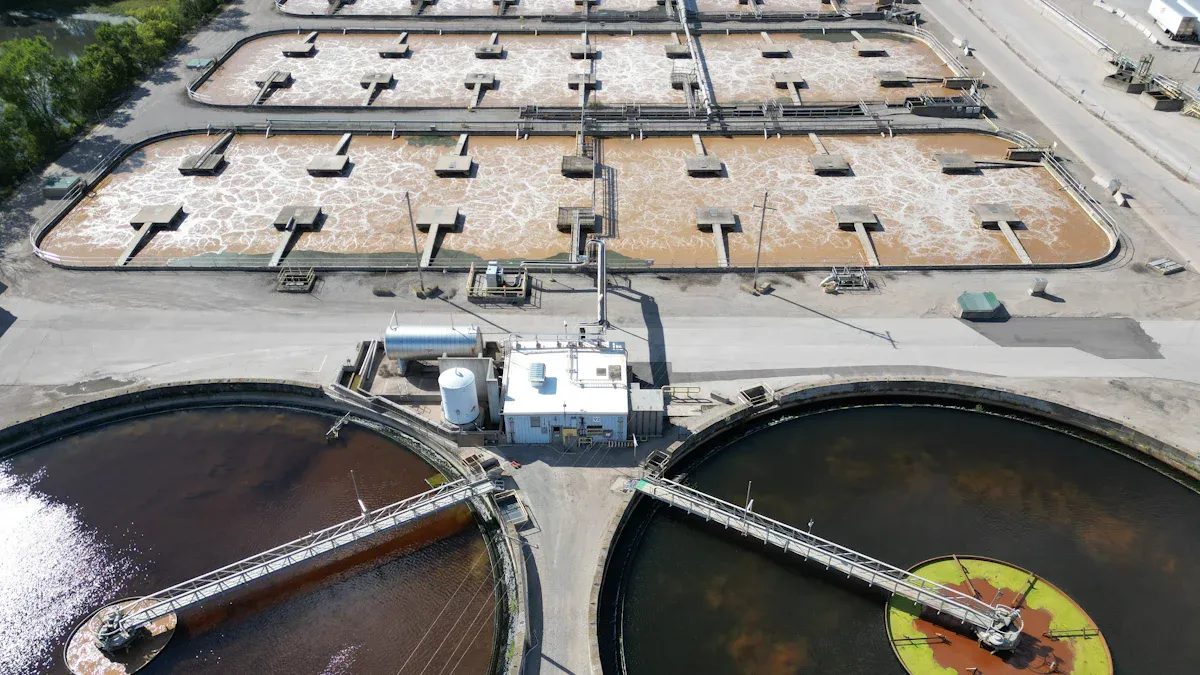
Choosing an effluent treatment plant involves balancing cost, efficiency, and operational complexity. Industries produce over 360 billion cubic meters of wastewater annually.
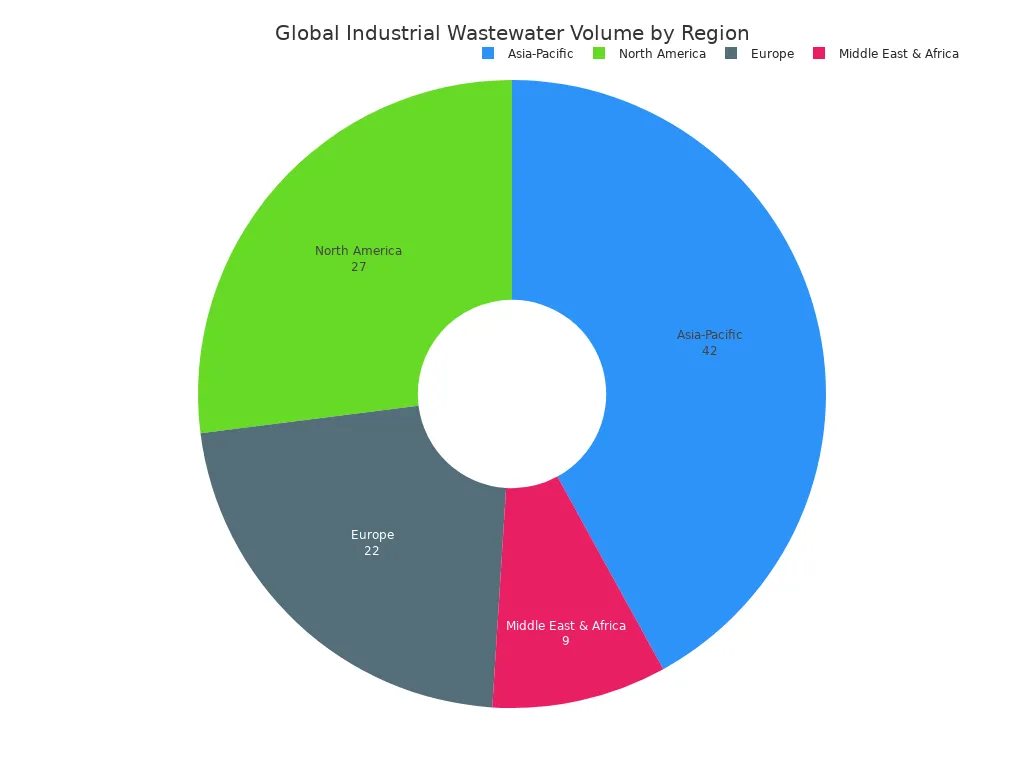
💡 Did You Know? Global data on industrial wastewater treatment is limited. Reports from only 22 countries show that just 38% of this effluent is treated.
Physical methods remove solids, while chemical treatments target specific pollutants. Biological processes excel at removing organic waste.
Key Takeaways
- Different methods treat wastewater: physical removes solids, chemical targets specific pollutants, and biological breaks down organic waste.
- Choosing a treatment method means balancing cost, how well it cleans water, and how complex it is to run.
- Advanced systems like MBR and SBR clean water very well, but they cost more and need skilled workers to operate.
Physical Treatment: The First Line of Defense
Physical treatment methods are the essential first step in most effluent treatment processes. They use mechanical or gravitational forces to separate solid materials from wastewater. These methods prepare the water for more advanced chemical or biological treatments.
Screening and Sedimentation
Screening is the very first stage. Wastewater flows through large screens that catch big objects like plastic, rags, and sticks. This process prevents damage to downstream equipment. After screening, the water enters a large tank for sedimentation. Here, gravity does the work. Heavier solid particles, like sand and grit, settle to the bottom, forming a layer of sludge that can be removed.
Key Takeaway: Screening and sedimentation are simple, low-cost methods. They effectively remove large and heavy solids but cannot remove dissolved pollutants or very fine particles.
Membrane Filtration
Membrane filtration is a more advanced physical process. It pushes wastewater through a special material with tiny pores, called a membrane. This barrier separates contaminants from the water. The type of membrane determines what gets removed.
| Pros | Cons |
|---|---|
| ✅ High removal efficiency | ❌ Higher energy costs |
| ✅ Consistent water quality | ❌ Membranes can clog (fouling) |
| ✅ Small physical footprint | ❌ Higher initial investment |
Different membranes have different pore sizes for specific jobs:
- Microfiltration (MF) uses pores of 0.1 to 10 microns. It removes suspended solids, silt, and some bacteria. It does not remove dissolved substances.
- Ultrafiltration (UF) has smaller pores, from 0.01 to 0.1 microns. It can block viruses, proteins, and larger organic molecules.
- Reverse Osmosis (RO) has the smallest pores at 0.0001 microns. It removes nearly all contaminants, including dissolved salts and minerals, producing very pure water.
Chemical Treatment: Targeting Specific Contaminants
Chemical treatment uses specific reactions to remove pollutants that physical methods miss. These processes can neutralize harmful substances or make tiny particles clump together for easy removal. This stage is crucial for meeting strict water quality standards.
Coagulation and Flocculation
This is a two-step process to remove fine, suspended particles from water. First, chemicals called coagulants are added to the wastewater. They neutralize the electrical charge of the particles, allowing them to stick together. Common coagulants include:
- Inorganic Coagulants: Aluminum and iron salts are very effective at this job.
- Organic Coagulants: These polymers produce less sludge and are great for charge neutralization.
- Natural Coagulants: Plant-based options are becoming popular for their sustainability.
Next, the water is gently stirred. This step, called flocculation, encourages the small particles to form larger, heavier clumps called "floc." The floc then settles to the bottom and can be easily removed.
Disinfection: Chlorination vs. UV
Disinfection kills harmful bacteria and viruses before water is discharged. Chlorination and Ultraviolet (UV) light are two common methods.
Chlorination adds chlorine to the water. It has a lower initial cost. However, it requires ongoing chemical purchases and can create harmful disinfection byproducts.
Caution ⚠️ Chlorination can form dangerous byproducts like trihalomethanes (THMs) and haloacetic acids (HAAs), which are regulated due to health concerns.
UV disinfection passes water through a chamber with special lamps. The UV light damages the DNA of microorganisms, preventing them from reproducing. UV systems have a higher upfront cost but are often cheaper to operate over the long term. They do not require chemicals and produce no harmful byproducts, making them a safer and more sustainable choice.
Biological Treatment: Harnessing Natural Processes
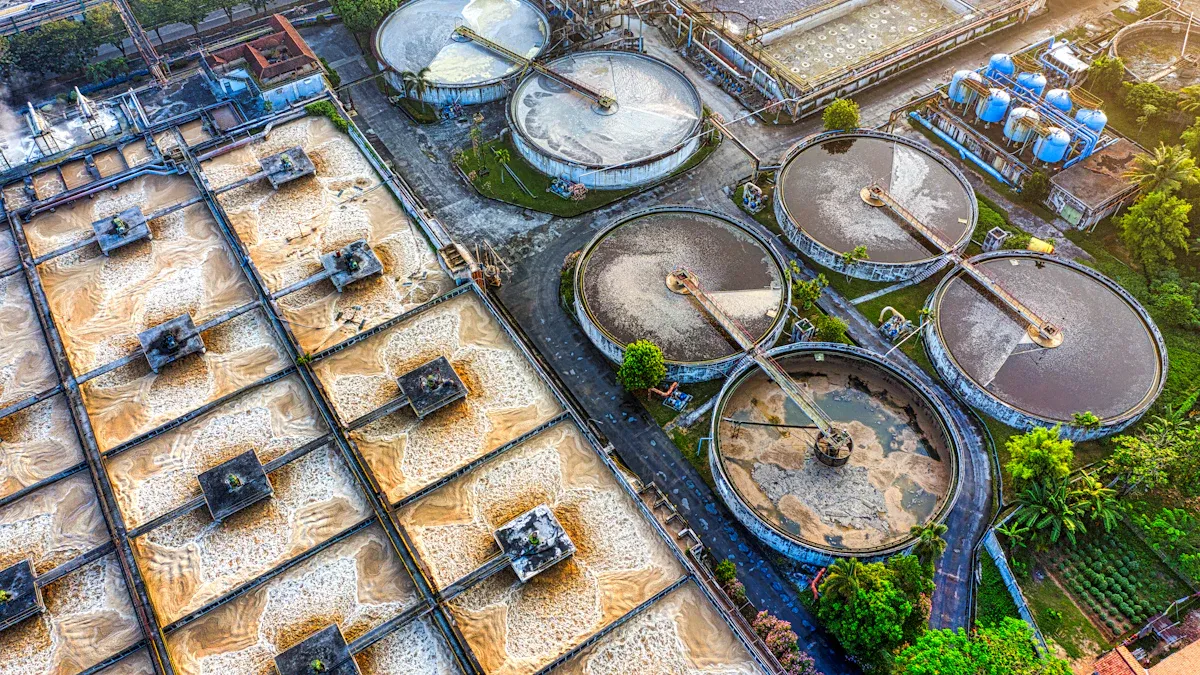
Biological treatment uses living microorganisms to break down organic waste. These tiny helpers consume pollutants in the wastewater, converting them into harmless substances like water and carbon dioxide. This method is highly effective for removing biodegradable contaminants found in industrial and municipal effluent.
Activated Sludge Process (ASP)
The Activated Sludge Process is a widely used biological method. It involves mixing wastewater with a high concentration of microorganisms in an aerated tank. This mixture is called "activated sludge." The aeration provides oxygen, which the microbes need to consume organic matter. The process achieves a high Biochemical Oxygen Demand (BOD) removal efficiency, typically around 89%. After aeration, the mixture flows to a settling tank where the sludge separates from the treated water.
Key Takeaway: ASP is a proven and effective technology. However, it requires a large land area and careful operational control to prevent common issues.
Some operational challenges include:
- Sludge bulking (sludge does not settle well)
- Sludge floating (denitrification can cause sludge to rise)
- Foam problems
- Abnormal effluent quality
Moving Bed Biofilm Reactor (MBBR)
The Moving Bed Biofilm Reactor is a more modern and compact biological treatment. This system uses small plastic carriers that float in the wastewater tank. Microorganisms grow on the surface of these carriers, forming a "biofilm." The constant movement of the carriers ensures excellent contact between the microbes and the pollutants in the water.
| Pros | Cons |
|---|---|
| ✅ Small physical footprint | ❌ Carriers can be costly |
| ✅ Stable and resilient to load changes | ❌ Requires effective screening |
| ✅ High treatment efficiency | ❌ Potential for carrier clogging |
MBBR systems are known for their stability. The robust biofilm is highly resilient to fluctuating organic loads and changes in pollutant types. This makes MBBR a reliable choice for industries with variable discharge patterns, ensuring consistent treatment performance.
Advanced Systems in an Effluent Treatment Plant
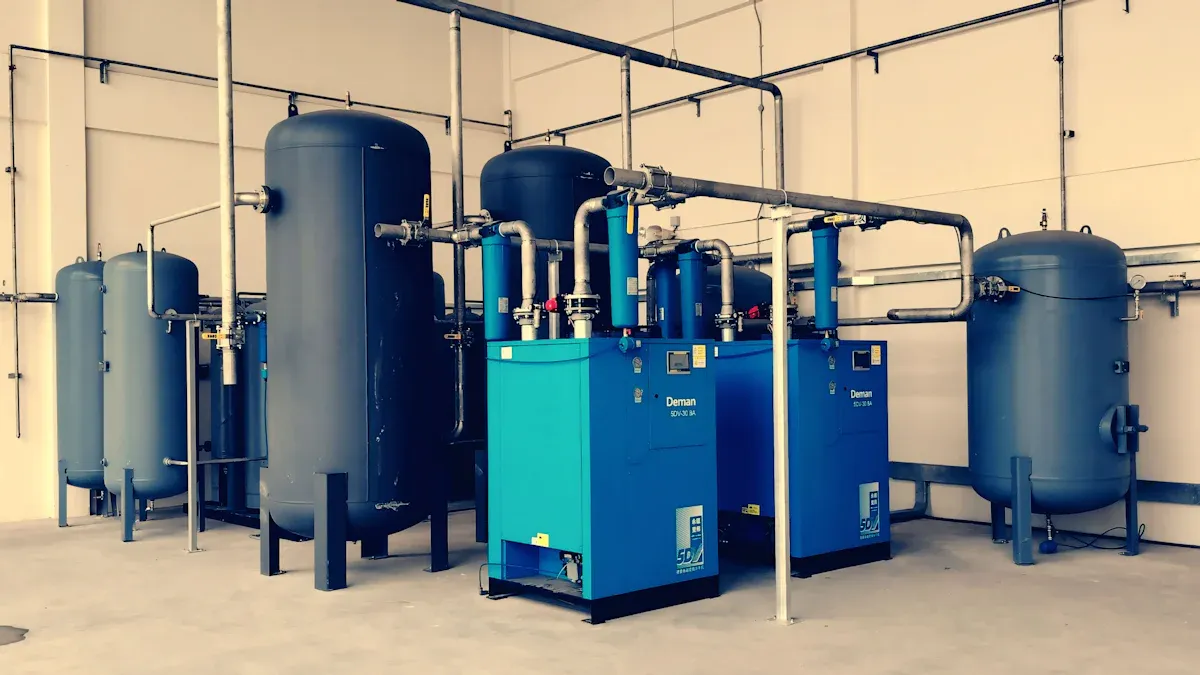
Advanced systems combine different treatment methods into a single, efficient process. They are ideal for facilities with limited space or very strict discharge regulations. These technologies often produce higher quality water suitable for reuse.
Membrane Bioreactor (MBR)
A Membrane Bioreactor (MBR) integrates biological treatment with membrane filtration. It uses microorganisms to break down waste, similar to the Activated Sludge Process. Then, it filters the water through ultrafiltration or microfiltration membranes. This combination produces very high-quality effluent in a small physical space. An MBR is a powerful solution within a modern effluent treatment plant.
| Pros | Cons |
|---|---|
| ✅ Excellent water quality | ❌ Higher operational costs |
| ✅ Very small footprint | ❌ Membrane fouling (clogging) |
| ✅ High solids removal | ❌ Requires skilled operators |
Note on Fouling 📝 Membranes can get clogged by organic and inorganic materials. This issue, called fouling, increases pressure and reduces efficiency. Regular backwashing, sometimes as often as every 30 minutes, is a key strategy to keep membranes clean and working properly.
Sequencing Batch Reactor (SBR)
A Sequencing Batch Reactor (SBR) is a fill-and-draw system. It performs all major treatment steps—fill, react, settle, and draw—in a single tank, but in a timed sequence. This design makes it extremely flexible. An SBR is an excellent choice for an effluent treatment plant at facilities with inconsistent wastewater flow, such as food processing or pharmaceutical operations. The cycle times can be adjusted easily to handle variable loads.
With the right cycle timing, SBRs are highly effective.
- They can remove over 97% of total nitrogen.
- They can also remove over 98% of total phosphorus.
- An optimal cycle time is often around 6 hours.
This makes the SBR a versatile and efficient option for many industries.
At-a-Glance: Method Comparison
Choosing the right treatment method requires a careful look at its costs, efficiency, and daily operational demands. Each system offers a unique balance of benefits and challenges. This comparison will help you understand the trade-offs between different technologies.
Cost and Efficiency
Cost and efficiency are often the most important factors in selecting a treatment system. These two elements are closely linked. A higher investment can lead to greater efficiency and lower long-term operating expenses.
Capital and Operating Costs (CAPEX & OPEX) The initial investment, or capital cost, varies greatly. Biological units are a major part of this cost. Advanced systems like Membrane Bioreactors (MBRs) typically have the highest initial cost. This is due to the price of membranes and the equipment needed to prevent fouling. However, a higher initial cost does not always mean higher lifetime costs. For example, one study showed an MBR system had 19% lower operating costs than an SBR system after optimization. The MBR produced less sludge and allowed for water reuse, which saved money on chemicals and potable water.
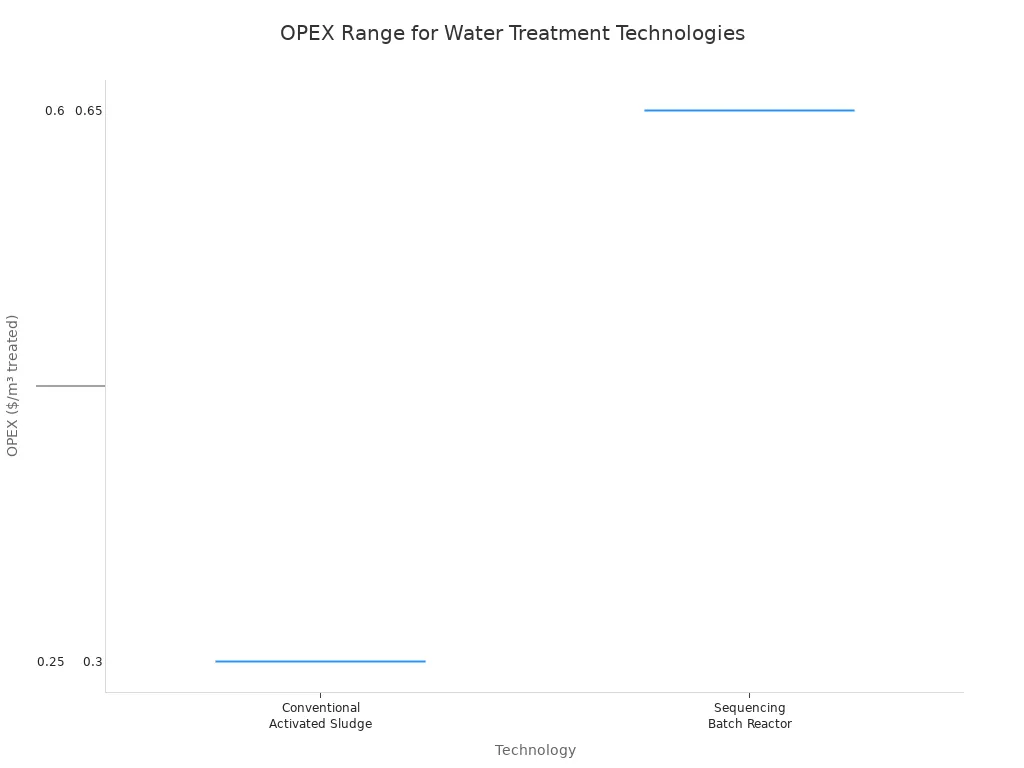
Operating expenditures (OPEX) include everything needed to run the plant daily. This includes energy, chemicals, and labor. Energy is the biggest expense, often making up 30–50% of the total OPEX.
The table below shows typical operating costs for different biological systems.
| Technology | OPEX ($/m³ treated) | Typical Energy Use (kWh/m³) |
|---|---|---|
| Conventional Activated Sludge | 0.25–0.60 | 0.3–0.6 |
| Sequencing Batch Reactor (SBR) | 0.30–0.65 | 0.25–0.5 |
| Membrane Bioreactor (MBR) | 0.50–1.20 | 0.6–1.2 |
| Nature-Based Systems | 0.05–0.15 | <0.05 |
Removal Efficiency Efficiency measures how well a system removes specific pollutants. Advanced systems generally offer higher removal rates, producing cleaner water. This is especially important for removing nutrients like nitrogen and phosphorus.
💡 Quick Comparison: Pollutant Removal This table shows how well different methods remove common pollutants. MBR and SBR systems are clear leaders in nutrient removal.
| Technology | COD Removal | Nitrogen Removal | Phosphorus Removal |
|---|---|---|---|
| ASP | 70–95% | 30–60% | 20–50% |
| MBBR | 85–95%+ | Excellent | Limited |
| SBR | 90–98% | Excellent | Excellent |
| MBR | 95–99%+ | Excellent | Excellent |
Operational Complexity
The complexity of a system affects staffing needs, maintenance schedules, and the risk of operational errors. Simple systems are easier to run but may be less efficient. Complex systems offer better performance but require more skilled oversight.
Staffing and Skill Requirements Operating an effluent treatment plant requires specialized knowledge. Operators must understand physical and biological processes, basic chemistry, and legal standards.
- Basic Systems (e.g., Sedimentation): Require operators who can perform routine checks and mechanical maintenance.
- Advanced Systems (e.g., MBR, SBR): Demand highly skilled operators. These professionals need to manage sophisticated control systems, troubleshoot complex biological issues, and perform specialized membrane maintenance. State certifications are often required for these roles.
Automation and Maintenance Modern systems use automation to improve reliability and reduce the need for constant human attention. However, this automation adds another layer of complexity.
| Feature | Conventional Activated Sludge (CAS) | Membrane Bioreactor (MBR) |
|---|---|---|
| Automation Level | Simpler; requires more manual checks. | Highly automated; reduces staffing needs. |
| Operator Skill | Standard operational knowledge. | Specialized technical expertise needed. |
| Maintenance | Focus on clarifier and sludge settling. | Focus on membrane cleaning and integrity. |
Regular maintenance is critical for all systems, especially those with membranes. A good preventive maintenance schedule saves money by preventing costly damage and downtime. Tasks can range from daily visual inspections to chemical cleaning of membranes every 3-6 months.
Sludge and Byproduct Management
All treatment processes create byproducts, with sludge being the most common. Managing this waste is a major operational and environmental challenge. However, some byproducts can be turned into valuable resources.
Sludge Disposal Sludge is the solid material separated from water during treatment. It must be handled and disposed of properly to avoid harming the environment. Improper disposal can contaminate soil and water with heavy metals and pathogens.
Common disposal methods include:
- Landfilling: A common but less sustainable option.
- Agricultural Use: Sludge can be used as a fertilizer, but it must meet strict safety standards.
- Incineration: Burning sludge reduces its volume and can generate energy. Co-incineration in a cement kiln is often the most cost-effective and environmentally friendly incineration method.
Byproduct Recovery: From Waste to Value Modern treatment strategies focus on a circular economy. Instead of just disposing of waste, they aim to recover valuable resources.
Resource Recovery ♻️ Byproducts from wastewater can be converted into energy and fertilizer, creating new revenue streams and reducing environmental impact.
- Biogas Production: Anaerobic digestion is a process that uses microbes to break down sludge without oxygen. This process produces biogas, a renewable energy source similar to natural gas.
- Phosphorus Recovery: Phosphorus is a vital nutrient that can be recovered from wastewater. One popular method is creating struvite, a slow-release fertilizer. This is done by adjusting the pH and adding magnesium to the water, causing struvite crystals to form.
By embracing these recovery techniques, facilities can reduce their environmental footprint and turn a costly waste problem into a valuable asset.
Selecting the right effluent treatment plant depends on your budget, wastewater type, and local rules. A hybrid approach often delivers the most robust results.
Future-Proofing Your Plant 🔮 Future regulations will likely focus on:
- Stricter water quality standards.
- Increased water reuse and resource recovery.
- Greater energy efficiency.
FAQ
Which effluent treatment method is best?
The best method depends on your wastewater, budget, and local rules. A hybrid approach combining physical, chemical, and biological stages often provides the most complete and effective treatment.
Why is sludge management so important?
Proper sludge management prevents environmental harm from pollutants. It is a major operational cost. Good management can also recover valuable resources like energy and fertilizer from the waste.
Can treated effluent be reused? 💧
Yes. Advanced systems like MBR produce high-quality water. This water is suitable for reuse in industrial processes or irrigation. Reusing water saves money and conserves natural resources.